
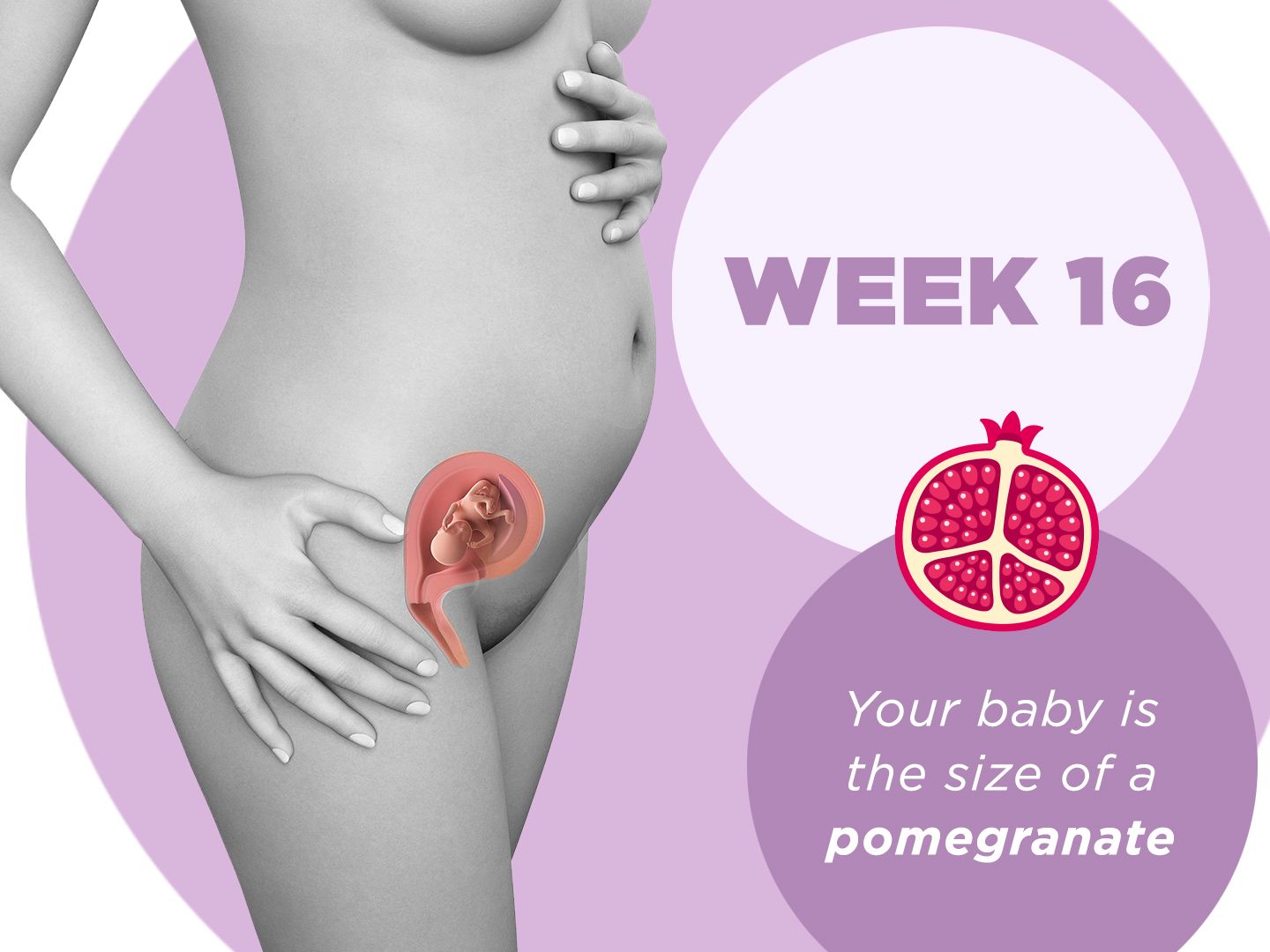
At 16 weeks pregnant, your baby is about 4.6 inches long and weighs around 3.5 ounces.
Knowing how big the baby is at 16 weeks of pregnancy can make this stage feel more real. Your baby is about the size of an avocado, yet rapid changes are already taking place in the bones, muscles, face, and nervous system. This guide explains the average size, how growth is measured, what your baby can do, and which symptoms are normal at 16 weeks.
How big is the baby at 16 weeks of pregnancy?
At 16 weeks, the baby is usually about 4.6 inches long from crown to rump. This is close to the length of a small avocado. The baby often weighs about 3.5 ounces, although healthy babies can be slightly smaller or larger.
When people ask how big is the baby at 16 weeks of pregnancy, they often expect one exact number. Pregnancy growth does not work that way. Size can vary due to genetics, the baby’s position, and the method used during an ultrasound.
Healthcare professionals usually measure length from the top of the head to the bottom of the buttocks. This is called crown-rump length, or CRL. The legs are not included because they may be curled up during the scan.
At this stage, your baby is growing quickly. The head is becoming more upright, the neck is stronger, and the body is starting to look more balanced. The baby still has plenty of room to move inside the uterus.
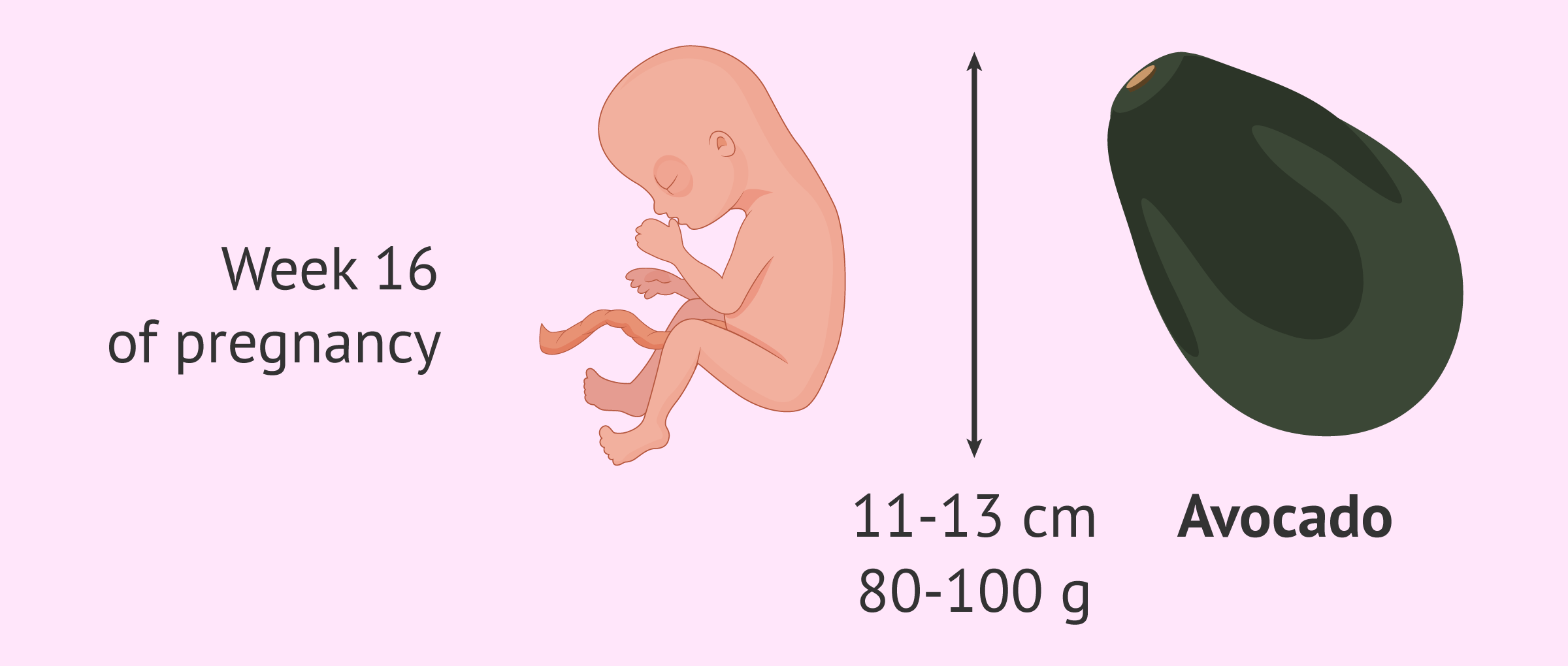
Baby size at 16 weeks compared with everyday objects
A simple comparison can help you picture how big is the baby at 16 weeks of pregnancy. The baby is often compared with:
- A small avocado
- A pear
- A deck of playing cards in overall weight
- The palm of a small adult hand in length
These comparisons are useful for visualization, but they are not medical measurements. An avocado can vary greatly in size, just as babies can differ in length and weight.
The baby’s body is not yet shaped like a newborn’s body. The head may still look large compared with the chest and abdomen. The legs are lengthening, and the arms and hands are becoming more developed.
Your uterus is also growing to make room. Around 16 weeks, the top of the uterus may be between the pubic bone and the belly button. You may notice a small bump, though some people still look barely pregnant, especially during a first pregnancy.
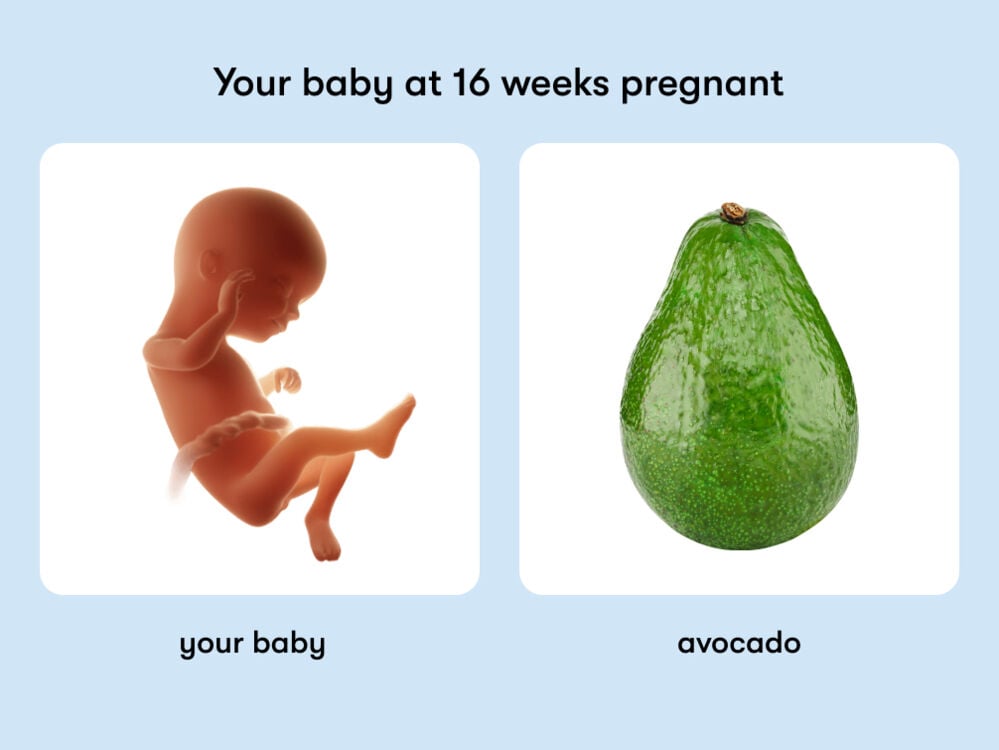
What is the baby doing at 16 weeks?
At 16 weeks, your baby is active even if you cannot feel the movements yet. The baby may stretch, kick, turn, and move the arms. These movements are often too gentle for a first-time parent to notice.
The muscles and nervous system are working together more smoothly. The baby may also make facial movements, such as opening the mouth or moving the eyes. These actions are not always purposeful, but they show that the body is developing and practicing.
Other changes at 16 weeks include:
- The ears are moving closer to their final position.
- The eyes are facing more forward.
- The facial muscles are becoming more active.
- The skeleton is changing from soft cartilage to harder bone.
- The baby may begin to make sucking motions.
- The umbilical cord continues to carry oxygen and nutrients.
- The heart pumps blood steadily through the developing body.
Your baby’s bones are still flexible. This flexibility helps the skeleton grow and allows the baby to move comfortably inside the uterus.

Can you feel movement at 16 weeks?
Some people feel the first movements between 16 and 20 weeks. These early movements are often called quickening. They may feel like tiny bubbles, gentle taps, fluttering, or gas.
If this is your first pregnancy, you may not recognize movement right away. The placenta’s location can also affect what you feel. An anterior placenta, which grows at the front of the uterus, may cushion movements and make them harder to notice.
Not feeling movement at 16 weeks does not usually mean there is a problem. Many people feel regular movement later, especially during a first pregnancy. Your healthcare professional can explain what to expect based on your pregnancy history and ultrasound findings.
Once you begin to feel movement, do not expect a set pattern yet. Regular movement tracking usually becomes more useful later in pregnancy, when your clinician recommends it.

How doctors measure baby size at 16 weeks
Ultrasound is the main tool used to check fetal growth and development. During an ultrasound, a technician or clinician may measure several body parts, including:
- Head circumference
- Biparietal diameter, which measures the width of the head
- Abdominal circumference
- Femur length
- Overall estimated fetal weight
At 16 weeks, crown-rump length may still be used, but other measurements become more helpful as the baby grows. The ultrasound machine combines these measurements to estimate size.
Estimated fetal weight is not exact. The result can differ from the baby’s actual weight because of the baby’s position, image quality, and normal limits in the calculation. A single measurement is less important than the overall growth pattern.
Pregnancy dating is also important. Your due date may be based on your last menstrual period or an early ultrasound. If the measurements at 16 weeks differ slightly from the expected size, your clinician will consider the full picture before making changes.
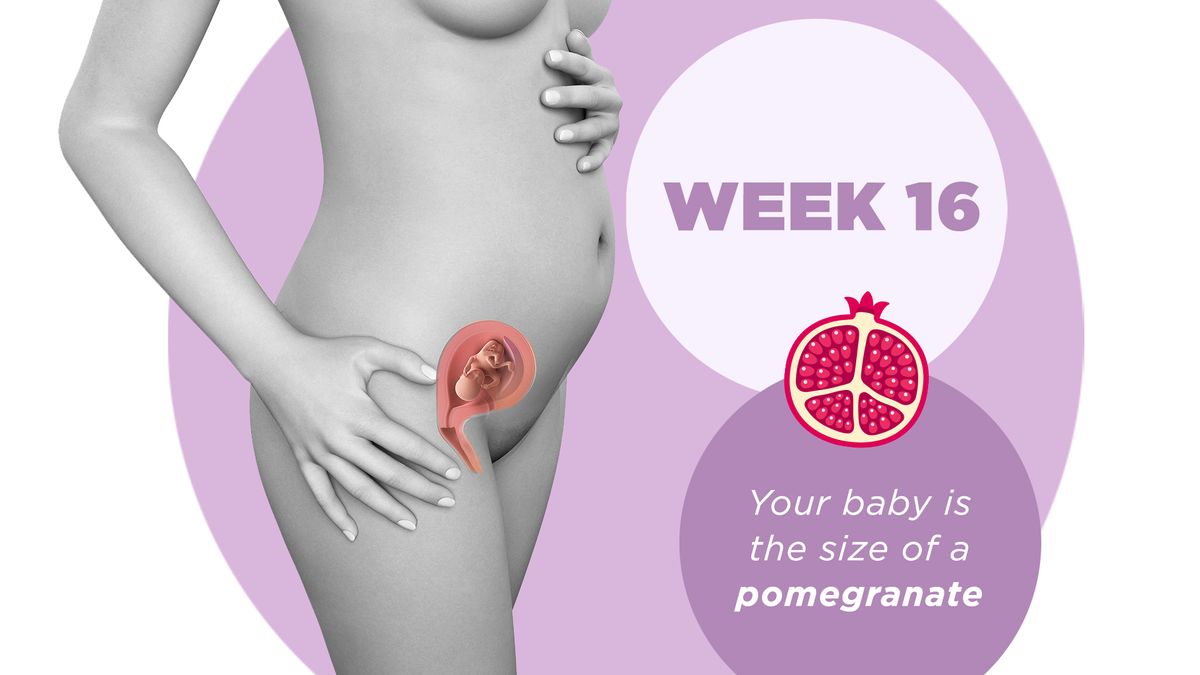
Why babies may measure bigger or smaller
When considering how big is the baby at 16 weeks of pregnancy, remember that averages are not strict rules. Babies grow at different rates, just as children and adults have different heights and body types.
Several factors may affect measurements:
- Family genetics can influence the baby’s size.
- The pregnancy may be a few days earlier or later than estimated.
- The baby’s position can make measurements more difficult.
- Ultrasound estimates have a normal margin of error.
- Multiple pregnancies may have different growth patterns.
- Health conditions can affect growth and require closer monitoring.
A small difference from an online chart is usually not a reason to panic. Growth concerns are more likely to matter when measurements are far outside the expected range or when growth slows over time.
Your clinician may compare several ultrasounds rather than relying on one number. This is similar to watching a plant grow: one measurement tells you where it is today, but a series of measurements shows the true pattern.
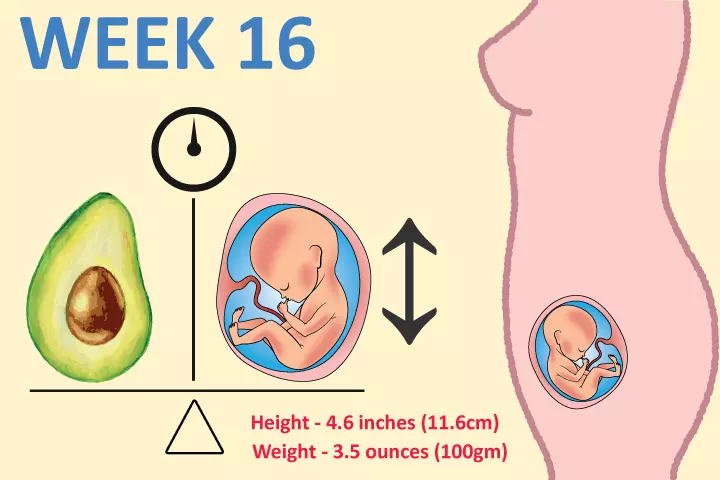
Changes you may notice at 16 weeks pregnant
The second trimester often brings more energy, though every pregnancy is different. Nausea may improve, and appetite may return. You may also notice that your clothes fit differently as the uterus grows.
Common symptoms at 16 weeks include:
- A growing belly
- Mild stretching or pulling feelings
- Constipation
- Heartburn
- Headaches
- Nasal congestion
- Leg cramps
- Increased vaginal discharge
- Round ligament pain
- Skin changes
Round ligament pain can feel like a sharp or pulling pain on one side of the lower abdomen. It may happen when you stand, cough, sneeze, or turn quickly. Moving slowly and supporting your abdomen may help.
Normal vaginal discharge is usually thin or milky and does not have a strong odor. Contact your healthcare professional if discharge is green, gray, bloody, foul-smelling, or linked with itching or pain.

Health tips for supporting growth at 16 weeks
Your baby’s growth depends on many biological factors, and no diet can guarantee a certain size. Still, daily habits can support a healthy pregnancy.
Focus on the basics:
- Take a prenatal vitamin as advised.
- Eat foods with protein, iron, calcium, fiber, and healthy fats.
- Drink enough water.
- Choose low-mercury fish when eating seafood.
- Avoid alcohol, smoking, and recreational drugs.
- Ask before taking medicines or supplements.
- Attend prenatal visits and recommended scans.
- Get gentle activity when your clinician says it is safe.
- Sleep as well as you can and accept help when needed.
Good food choices can include eggs, beans, lentils, lean meat, yogurt, leafy greens, whole grains, fruit, and nuts. You do not need to “eat for two.” Most people need only modest extra calories later in pregnancy, not double portions.
Food safety matters too. Avoid unpasteurized dairy products, raw or undercooked meat, raw eggs, and fish known to contain high mercury. Wash produce well and keep raw foods separate from ready-to-eat foods.

When to call your healthcare professional
Most changes at 16 weeks are harmless, but some symptoms need prompt medical advice. Call your healthcare professional if you have vaginal bleeding, severe abdominal pain, fluid leakage, fever, painful urination, or persistent vomiting.
You should also seek urgent care for severe headache with vision changes, sudden swelling, chest pain, trouble breathing, or fainting. These symptoms can have many causes, but they should not be ignored during pregnancy.
Do not use baby size alone to judge whether a pregnancy is healthy. A baby can measure slightly ahead or behind and still be developing normally. Your prenatal team can interpret the measurements along with your symptoms, medical history, and examination.
A practical lesson many expectant parents learn is that online size charts are best used as a guide, not a diagnosis. Comparing your ultrasound number with another person’s number can create stress without adding useful information.
Frequently asked questions about how big is the baby at 16 weeks of pregnancy
How long is a baby at 16 weeks pregnant?
A baby at 16 weeks is usually about 4.6 inches long from crown to rump. The measurement does not include the legs, which are still often bent during an ultrasound.
How much does a baby weigh at 16 weeks?
The average weight is about 3.5 ounces. Normal weight can vary, and ultrasound weight estimates are not exact.
Is a 16-week baby the size of an avocado?
Yes. A small avocado is a common comparison for how big is the baby at 16 weeks of pregnancy. The comparison helps with visualization, but avocado sizes vary, so it is not a medical measurement.
Can you feel the baby move at 16 weeks?
Some people feel light flutters or taps at 16 weeks, while others feel nothing until several weeks later. First movements can be difficult to tell apart from gas or muscle sensations.
What happens if the baby measures small at 16 weeks?
A small measurement does not always indicate a problem. Your clinician may review the due date, repeat measurements, and monitor growth over time before drawing conclusions.
Can an ultrasound tell the exact weight at 16 weeks?
No. An ultrasound provides an estimate based on several measurements. The estimate can differ from the baby’s actual weight because of position, image quality, and normal calculation limits.
Does baby size predict birth weight?
Not reliably. Measurements during pregnancy can offer useful growth information, but they cannot perfectly predict the baby’s weight at birth. Many factors affect growth during the remaining months.
Conclusion
At 16 weeks, the baby is usually about 4.6 inches long and weighs close to 3.5 ounces, or about the size of a small avocado. The baby is moving, developing stronger bones and muscles, and beginning to look more proportionate.
Small differences in size are often normal. Focus on regular prenatal care, balanced meals, safe activity, and clear communication with your healthcare professional. Keep exploring trusted pregnancy resources, and share your questions at your next prenatal visit.