
Most people have baby showers between 28 and 34 weeks of pregnancy.
I’ve planned and attended dozens of showers, and I’ll walk you through exactly when do people have baby showers, why that timing works, how to adapt it for different situations, and practical planning tips that keep things smooth and safe. This guide draws on real event experience, etiquette norms, and current trends so you can choose the right moment with confidence.
When do people have baby showers: pregnancy timing and rationale
Most hosts pick the late second or early third trimester. That usually means between 28 and 34 weeks. By then the pregnancy feels real, energy is often manageable, and the risk of early delivery is lower.
Why this window works
- Maternity comfort is better for guests and the parent-to-be. They can sit, eat, and enjoy the party.
- There’s enough time to receive gifts and prepare the nursery.
- It avoids being too close to the due date, which reduces stress about sudden labor.
Exceptions happen. Some people prefer earlier showers for health reasons. Others wait until after birth, especially with adoption or complicated pregnancies. I’ve seen successful showers at every stage, as long as the timing is clear and guests are given flexible RSVP options.
:max_bytes(150000):strip_icc()/shutterstock_762391612-41aca833e9184016833a754be5e7d5c3.jpg)
Traditional timing vs modern alternatives
Traditional timing favors late pregnancy. Modern families choose flexible schedules. Understanding both helps you decide when do people have baby showers that fit your situation.
Traditional rules
- Shower in the third trimester.
- Host before the last month to avoid last-minute changes.
- Keep guest lists tight and mostly local.
Modern shifts
- Co-ed showers happen earlier, sometimes in the second trimester.
- Virtual showers can be held any time, even post-birth.
- Couples sometimes choose “sprinkles” for later children, which are shorter and more casual.
From my experience, being open about preferences makes guests comfortable. Say if you prefer an early shower or a post-birth celebration. Clear communication prevents awkward moments.

Special cases: adoption, miscarriage history, second-time parents, and surprise parties
Not every family follows the same path. Here are common special cases and how they affect when do people have baby showers.
Adoption and foster care
- Many choose post-placement showers to celebrate once the child is home.
- Others hold welcome parties after paperwork is finalized.
Families with pregnancy loss history
- Couples may delay or choose a low-key gathering.
- Some find an early, small shower comforting and supportive.
Second and later babies
- People often have “sprinkles” closer to the due date or sometimes after birth.
- Some skip showers entirely or host small gatherings for immediate family.
Surprise baby showers
- Often scheduled in the late second trimester.
- They require careful planning to avoid health or timing risks for the parent-to-be.
I once helped plan a post-adoption shower. The joy after placement made timing obvious and meaningful. The key is matching timing to emotional and practical needs.

Planning timeline and checklist: practical steps for choosing when do people have baby showers
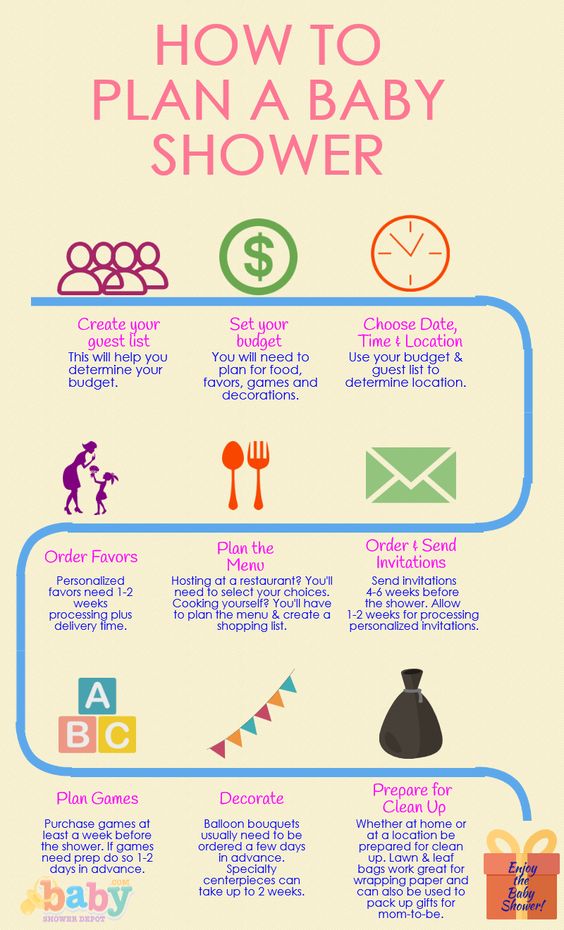
A simple timeline helps you pick the right date and prepare the event. Aim for 6–8 weeks to plan a typical shower. That gives time for invites, gifts, and logistics.
Basic timeline
- 8 weeks before: Choose date and create guest list.
- 6 weeks before: Send invitations or e-invites.
- 3 weeks before: Finalize menu, games, and gifts list.
- 1 week before: Confirm RSVPs and prepare seating and favors.
Checklist highlights
- Verify the parent-to-be’s comfort and mobility needs.
- Pick a venue with good seating and bathroom access.
- Offer flexible arrival times for guests and a virtual option if desired.
When do people have baby showers if they need more caution? Start planning earlier so you can adjust. I recommend building in backup plans and a brief vendor cancellation window.

Etiquette, culture, and community norms
Baby shower timing depends on culture and family traditions. Knowing these norms helps you choose when do people have baby showers without causing offense.
Common etiquette rules
- Ask the parent-to-be before finalizing a date.
- Keep lists of close family members who traditionally attend.
- Be mindful of religious or cultural practices that affect celebration timing.
Cultural examples
- Some cultures celebrate postpartum rather than prenatal.
- In other communities, large family gatherings happen only after the baby is home.
When planning cross-culturally, ask gently about preferences. Respecting these norms builds trust and avoids problems.

Benefits of choosing the right timing
Choosing the right date affects enjoyment and usefulness. The right timing improves attendance, comfort, and gift usefulness.
Key benefits
- Better attendance because guests can plan ahead.
- Gifts arrive in time to set up the nursery.
- Lower stress for the parent-to-be near the due date.
In an event I organized, picking a date at 30 weeks increased attendance and guest satisfaction. People could contribute practical items that actually got used before the baby arrived.

Common mistakes and expert tips
Avoid these pitfalls when deciding when do people have baby showers. Small errors can make a big difference.
Common mistakes
- Scheduling too close to the due date without backup plans.
- Not checking parent-to-be’s health or comfort.
- Ignoring cultural expectations or partner preferences.
Expert tips
- Ask for a preferred date range rather than a single date.
- Offer virtual attendance early to include distant friends.
- Keep the event short and seated for comfort.
From experience, the simplest tip is to ask. Ask the parent-to-be for clear guidance. That small step prevents most timing problems.
PAA-style quick questions
Q: When is it too late to have a baby shower?
A: Too close to the due date can be risky; avoid the final two to four weeks unless the parent-to-be asks. Post-birth parties are a safe alternative if needed.
Q: Can baby showers happen after birth?
A: Yes. Post-birth showers are common for adoption, high-risk pregnancies, or parents who prefer to meet the baby first. They work well when the family needs recovery time.
Q: Should the father be involved in timing decisions?
A: Absolutely. Include partners in timing choices to respect their schedules and emotional needs. Joint planning often improves the event.

Frequently Asked Questions of when do people have baby showers
When in pregnancy do people usually host a baby shower?
Most showers take place between 28 and 34 weeks. This timing balances energy, safety, and enough prep time for the nursery.
Can you have a baby shower earlier in pregnancy?
Yes. Some prefer the second trimester, especially if they want more time or face health uncertainties. Just confirm comfort and privacy before inviting many guests.
What about having a shower after the baby is born?
Post-birth showers are common for adoption, complicated pregnancies, or parents who want recovery time. They also let guests meet the baby in person.
How far in advance should invitations be sent?
Send invitations 4 to 6 weeks before the event for local guests, and 8 weeks if many will travel. For virtual events, 3 to 4 weeks is usually fine.
Is it okay to hold a virtual baby shower?
Yes. Virtual showers are flexible and can be held anytime, even post-birth. They work well for long-distance guests and health concerns.
Who decides when the baby shower should be held?
The parent-to-be typically decides, often with the host’s input. Clear communication makes the decision easy and respectful.
Conclusion
Choosing when do people have baby showers comes down to safety, comfort, and personal preference. Late second to early third trimester is the most common window, but many families adapt timing for adoption, health, or cultural reasons. Use clear communication, build a simple timeline, and include virtual options when needed.
Takeaway: Ask the parent-to-be, plan with a buffer, and prioritize comfort. If you liked this guide, try planning a mock timeline now, share your own timing stories below, or subscribe for more practical party planning tips.