
Most babies start babbling around 4 to 6 months, with repeated sounds often emerging between 6 and 10 months.
Knowing when do babies babble can help you enjoy early communication without turning every sound into a test. Baby speech develops in steps, and each child follows a slightly different path. This guide explains the usual timeline, what babbling sounds like, how to encourage it, and when to ask a pediatrician or speech-language pathologist for help.
What Is Baby Babbling?
Babbling is the stage when babies practice speech sounds. They may say sounds such as “ba,” “ma,” “ga,” or “da.” At first, these sounds may be random. Later, babies repeat them in patterns like “ba-ba-ba” or “ma-ma-ma.”
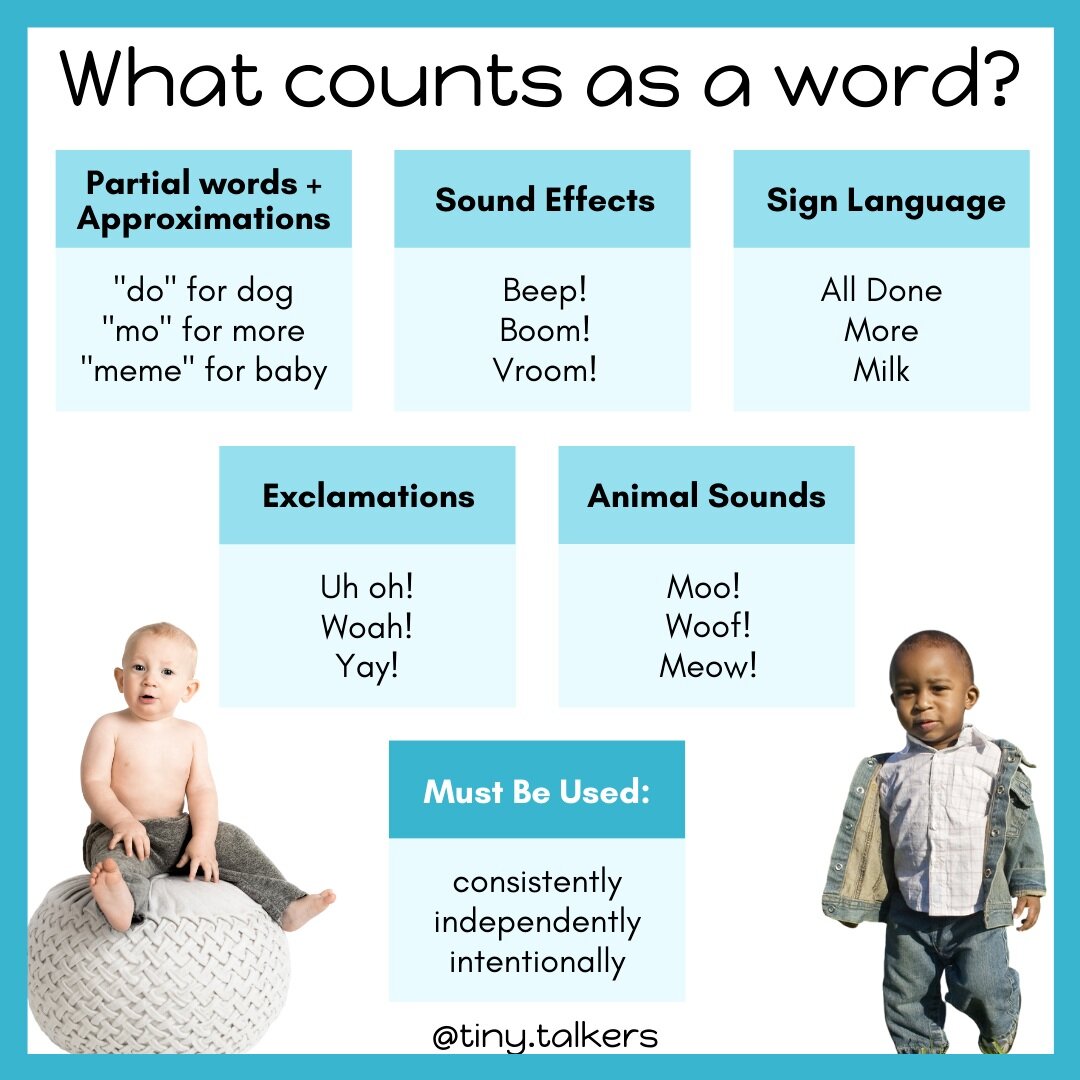
Babbling is not the same as talking. A baby may say “mama” without meaning a parent. True first words usually come later, when a sound has a clear and consistent meaning.
Babbling is like vocal play. Your baby is learning how the lips, tongue, throat, and voice work together. This practice builds the skills needed for speech.
-bTP0ND.png&w=3840&q=75)
When Do Babies Babble?
Most babies begin early babbling around 4 to 6 months. Some babies start a little earlier, while others take more time. When do babies babble in a clear, repeated way? Many begin using consonant sounds and repeated syllables between 6 and 10 months.
A simple timeline looks like this:
• Birth to 2 months: Babies make cries, coos, and other soft sounds.
• 2 to 4 months: Babies often coo, smile, and make pleasure sounds.
• 4 to 6 months: Babies begin experimenting with sounds such as “ah,” “oh,” “m,” and “b.”
• 6 to 9 months: Babies often repeat syllables, such as “ba-ba” or “da-da.”
• 9 to 12 months: Babies may use longer sound strings that rise and fall like speech.
• Around 12 months: Many babies say one or more meaningful words.
These are broad ranges, not strict rules. When do babies babble depends on many factors, including temperament, hearing, exposure to language, and overall development.

Baby Babbling Milestones by Age
Newborn sounds: Birth to 2 months
Newborns mainly communicate through crying. They may also make short sounds while feeding, sleeping, or feeling calm. These early sounds are not usually considered babbling.
Your baby may turn toward your voice or quiet when you speak. These responses show early listening and social communication skills.
Cooing: About 2 to 4 months
Cooing often sounds like “oo,” “ah,” or “ee.” Babies may coo when they feel comfortable or when someone talks to them.
At this age, many babies enjoy face-to-face interaction. They may smile, watch your mouth, and pause as if taking turns in a conversation.
Early babbling: About 4 to 6 months
This is when many parents first wonder, “When do babies babble?” Babies may begin adding consonants to vowel sounds. You might hear “mmm,” “buh,” “guh,” or “puh.”
The sounds may not be clear yet. Your baby is exploring volume, pitch, and mouth movement more than trying to say a word.
Repeated babbling: About 6 to 10 months
Many babies now repeat syllables. Common examples include:
• “Ba-ba-ba”
• “Da-da-da”
• “Ma-ma-ma”
• “Ga-ga-ga”
This type of sound is often called canonical babbling. It has a clear consonant and vowel pattern, such as “ba” or “da.”
Jargon babbling: About 9 to 12 months
Older babies may produce long strings of sounds that resemble speech. Their voice may rise at the end, as if they are asking a question.
You may hear something like “ba-da-mi-go” with different tones and rhythms. This is sometimes called jargon babbling. It is a normal step toward meaningful words.
Why Do Babies Babble?
Babbling helps babies build several communication skills at once. It is not just noise. It is practice for speech, listening, and social connection.
Babbling helps your baby:
• Control the lips, tongue, and jaw
• Learn how to make consonant and vowel sounds
• Practice taking turns during interaction
• Explore pitch, rhythm, and volume
• Copy sounds from parents and caregivers
• Connect sounds with attention and emotion
Research on early language development shows that babies learn through repeated social interaction. A baby who babbles and receives a warm response learns that sounds can start a conversation.
Think of babbling as a bridge. On one side is crying and cooing. On the other side are words and sentences. Each sound helps your baby cross that bridge.
:max_bytes(150000):strip_icc()/Parents-Baby-Babble-GettyImages-1186116375-0fb4fd8829c2423ca6d374ebbe567d43.jpg)
What Does Normal Babbling Sound Like?
Normal babbling can sound different from one baby to another. Some babies are loud and playful. Others make quiet sounds and watch more than they vocalize.
Common signs of developing babbling include:
• Repeated syllables, such as “ba-ba” or “na-na”
• A mix of consonants and vowels
• Changes in pitch and loudness
• Sounds directed toward people
• Attempts to copy sounds
• Pauses that allow another person to respond
A baby may babble more during play and less when tired or upset. It is also normal for babbling to come and go for short periods.
When do babies babble most? Many babies babble during calm, alert times. After a nap, during diaper changes, or while playing face-to-face can be good moments for sound practice.

How to Encourage Your Baby to Babble
You do not need special toys or lessons. Everyday interaction is usually the best way to support early communication.
Talk face to face
Hold your baby close enough for them to see your face. Use simple words and clear sounds. Pause often so your baby has a chance to respond.
For example, say, “Ba-ba! Baby says ba-ba.” Then wait. Even a small sound, smile, or movement can be part of the turn.
Copy your baby’s sounds
If your baby says “ga,” you can say “ga-ga.” Copying shows that you heard them. It also teaches the pattern of taking turns.
After copying the sound, add a word. You might say, “Ga-ga. Go!” Keep the exchange natural and fun.
Use songs and nursery rhymes
Songs make speech easier to notice because they use rhythm and repetition. You can sing during bath time, car rides, or bedtime.
Simple songs with repeated sounds may help your baby listen to changes in pitch and timing. Your voice matters more than having a perfect singing voice.
Name daily routines
Talk about what your baby sees and feels. Say, “Here is your cup,” “Up we go,” or “The dog is running.”
Short phrases are easier for babies to follow. You do not need to speak in an artificial way, but clear and simple language can help.
Read picture books
Point to pictures and name them. Let your baby touch the pages, turn them, or make sounds.
You do not need to read every word. A short talk about one picture can be just as valuable as finishing the whole book.
Limit background noise
Television, phones, and loud music can make it harder for babies to notice speech. Try to create quiet moments for face-to-face talk.
This does not mean your home must stay silent. It simply helps to reduce competing noise during play and conversation.
-bTP0ND.png)
What If Your Baby Is Not Babbling?
A baby may babble later than expected and still develop normally. Milestones describe common patterns, not a deadline for every child.
Still, it is wise to discuss concerns with your child’s healthcare provider if your baby:
• Makes very few sounds by about 6 months
• Does not babble with repeated consonant-vowel sounds by about 9 months
• Does not respond to voices or loud sounds
• Does not turn toward sounds
• Stops babbling after making progress
• Seems not to notice people speaking
• Has no meaningful words by around 16 months
A missed milestone does not prove that a child has a speech disorder. It may point to hearing loss, a developmental difference, or simply a need for more observation.
Hearing deserves special attention. Even mild hearing loss can affect babbling and early speech. Your pediatrician may suggest a hearing test, especially if your baby does not respond consistently to sound.

When Should You Talk With a Pediatrician?
Trust your concern. Parents often notice small changes before anyone else does. If you wonder when do babies babble because your baby is unusually quiet, bring that question to a healthcare visit.
The Centers for Disease Control and Prevention, the American Academy of Pediatrics, and the American Speech-Language-Hearing Association all encourage families to track developmental milestones and act early when concerns appear.
Write down what you notice:
• Sounds your baby makes
• How your baby responds to voices
• Whether your baby looks toward sounds
• Whether babbling is increasing or decreasing
• Any changes after an illness
If your baby was born prematurely, ask which age to use when tracking milestones. Healthcare professionals may use corrected age during the first two years, depending on the child’s birth history and development.
Early support is helpful, but it does not mean something is seriously wrong. A hearing check or developmental review can provide useful answers and peace of mind.

Common Mistakes Parents Should Avoid
Parents sometimes feel pressure when they compare their baby with a friend’s child. One baby may babble loudly at 5 months, while another may use quiet sounds at 7 months. Both may be following a healthy path.
Try to avoid these common mistakes:
• Comparing babies too closely
• Treating every “mama” or “dada” sound as a meaningful word
• Correcting sounds instead of responding warmly
• Using screens as a replacement for conversation
• Waiting too long to ask about hearing concerns
• Assuming a quiet baby is not listening
In my experience with common parent questions, the biggest relief often comes from changing the goal. The goal is not to make a baby perform a sound. The goal is to create many safe, enjoyable chances to communicate.

Does Bilingual Exposure Delay Babbling?
Learning two or more languages does not usually cause a baby to babble later. Babies can learn sounds from more than one language at the same time.
A bilingual baby may divide words between languages. For example, a child may know some words in English and some in Spanish. When you count both languages, the child’s total language growth may be easier to see.
Speak the languages that feel natural to your family. Strong, warm interaction matters more than using only one language.
Can Babies Babble Without Making Eye Contact?
Some babies babble while looking away, moving their hands, or focusing on a toy. Eye contact is only one part of communication.
Look at the whole pattern. Your baby may show connection by smiling, turning toward you, copying sounds, reaching, or sharing attention. If you have concerns about several communication skills, speak with a pediatrician.
Frequently Asked Questions About When Do Babies Babble
When do babies babble for the first time?
Many babies begin early babbling between 4 and 6 months. Repeated sounds such as “ba-ba” or “da-da” often become clearer between 6 and 10 months.
Do babies babble at 3 months?
Some babies experiment with sounds around 3 months, but many are still mainly cooing. Early coos and squeals are normal steps before clear babbling develops.
Is “mama” at 6 months a real word?
It can be a real word if your baby uses it consistently to refer to a parent or caregiver. If your baby says “mama” randomly, it is more likely babbling.
When should I worry if my baby is not babbling?
Talk with a healthcare provider if your baby makes very few sounds by 6 months, is not using repeated consonant sounds by about 9 months, or does not respond to voices. Also seek advice if babbling stops after it began.
Does hearing loss affect babbling?
Yes. Hearing loss can make it harder for a baby to copy speech sounds and respond to voices. A hearing test can help identify the cause and guide the next step.
Do premature babies babble later?
Some premature babies reach communication milestones later when measured by their birth date. Healthcare professionals may use corrected age, so ask your child’s doctor how to track progress.
How can I help my baby babble more?
Talk, sing, read, copy your baby’s sounds, and pause for a response. Short, warm, face-to-face interactions are often more useful than special learning products.
Conclusion
Most babies start babbling around 4 to 6 months, while repeated syllables often appear between 6 and 10 months. Cooing, squealing, sound play, and jargon babbling all support later speech.
When do babies babble is a useful question, but there is no single perfect date. Watch your baby’s overall progress, respond to every attempt to communicate, and ask about hearing or development if concerns arise. Enjoy the small sounds, keep talking and reading together, and discuss your baby’s milestones at regular checkups.