
No, you do not need a travel system stroller, but it can make infant travel much easier.
Wondering “do I need a travel system stroller?” is common when you are preparing for a baby. A travel system combines a stroller with a matching infant car seat, so you can move a sleeping baby from the car without lifting them out. It can be a smart choice for frequent car trips, but it is not the best fit for every family. This guide explains the benefits, limits, safety points, and alternatives so you can choose with confidence.
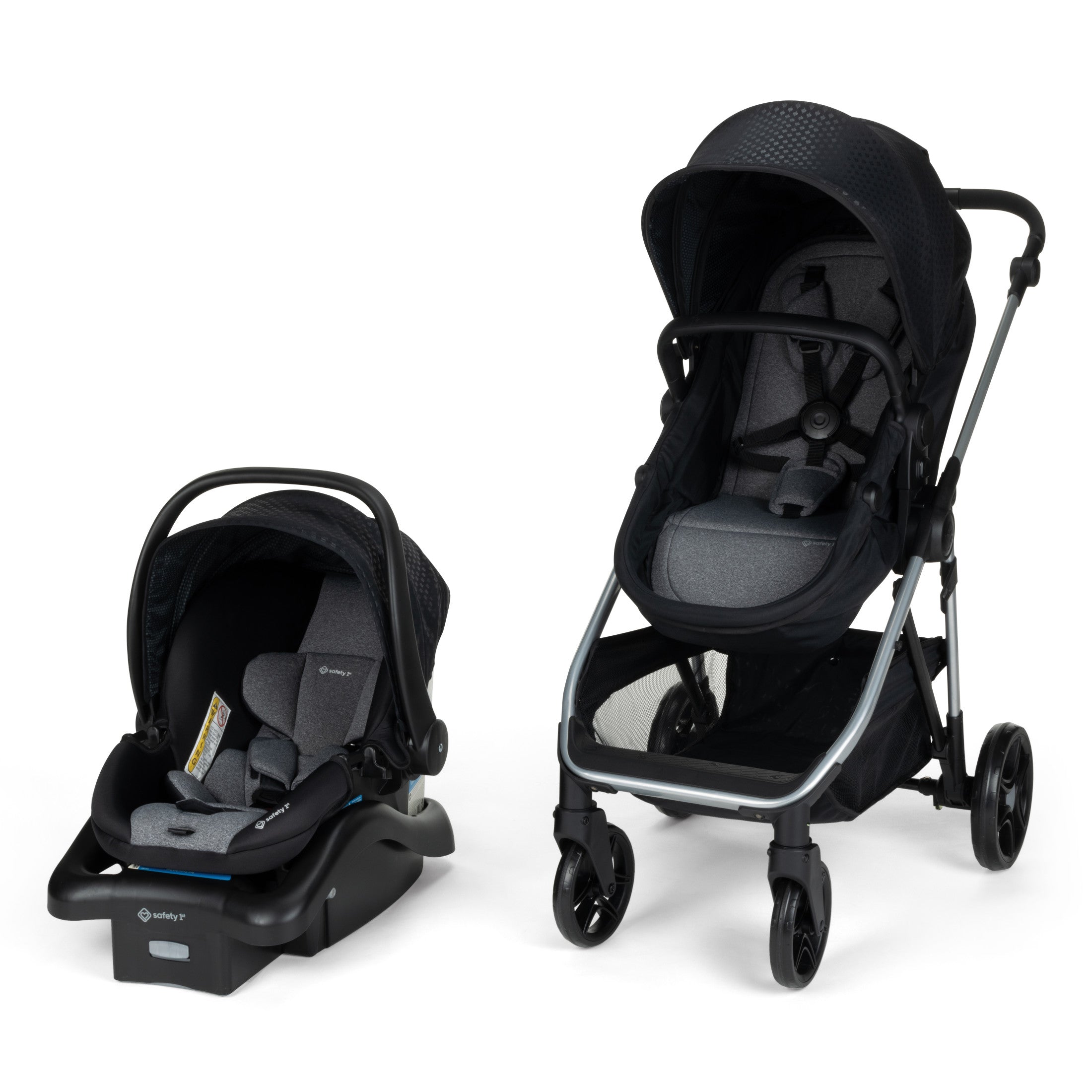
What Is a Travel System Stroller?
A travel system stroller is a stroller designed to work with a specific infant car seat. The car seat usually clicks into the stroller frame with adapters or built-in connectors. This lets parents move a baby from the vehicle to the stroller with little disruption.
Most travel systems include:
• An infant car seat for rear-facing car travel
• A stroller frame or full-size stroller seat
• A car seat base that stays installed in the vehicle
• Adapters or built-in connectors
The infant car seat is made for vehicle use. The stroller seat is made for walks and daily outings. These parts work together, but they do not serve the same purpose.
A travel system is not the same as a convertible car seat and stroller combination. A convertible car seat stays in the vehicle and does not usually detach for use with a stroller. It may last longer, but it does not offer the same carry-out convenience.
Do I Need a Travel System Stroller?
You may need a travel system stroller if you often drive, run short errands, and want to move your baby without waking them. It can also help during the first months, when babies need strong head and neck support and cannot sit upright alone.
However, you do not need a travel system stroller simply because you are having a baby. Many parents use a separate infant car seat, stroller, baby carrier, or compact travel stroller with equal success.
Ask yourself these questions:
• Do you drive several times each week?
• Will you take your baby in and out of the car often?
• Do you value a smooth transfer from car to stroller?
• Do you have enough storage space for a larger stroller?
• Will you walk on sidewalks, trails, or uneven ground?
• Do you plan to use a baby carrier for short trips?
If you answered yes to most of these questions, a travel system may be useful. If you mostly walk, use public transportation, or live in a small space, another stroller type may suit you better.
The key point is simple: a travel system solves a convenience problem. It does not solve every stroller problem.
Main Benefits of a Travel System Stroller
A travel system can feel like a small command center during the busy newborn stage. It keeps key travel parts matched and ready to use.
Easy transfers
The biggest benefit is the car-to-stroller transfer. You can release the infant car seat, lift it from the base, and click it into the stroller. This can help when your baby is sleeping or when you need to make a quick stop.
Still, infant car seats can be heavy. A sleeping baby may seem easy to carry at first, but the weight adds up. In my practical review of stroller setups, parents often liked the transfer feature most during the first six months, then used the stroller seat more as their babies grew.
One matched system
A travel system reduces guesswork. The car seat and stroller are designed to connect, so you do not need to compare many adapters or worry about compatibility.
That can save time during an already busy shopping period. It also means you can learn one set of buttons, straps, brakes, and release levers.
Useful from birth
Many travel systems can hold an infant car seat from the first ride home. Later, the stroller seat may recline for a young baby and sit upright when the child gains better trunk control.
Always check the manual. Some stroller seats are not safe for newborns unless they fully recline or use an approved bassinet attachment.
Good for errands
A travel system works well for grocery trips, doctor visits, shopping centers, and short walks. The basket may hold a diaper bag, light groceries, and personal items.
Do not hang heavy bags from the handle. Extra weight can make a stroller tip backward, especially when a child is not yet sitting in the seat.
Better value for some families
Buying a bundled system may cost less than buying a premium infant car seat and stroller separately. It may also reduce the need for extra adapters.
Price alone should not decide the purchase. A cheaper system that is too heavy, hard to fold, or poorly suited to your routine may cost more in frustration.

Drawbacks of a Travel System Stroller
A travel system is helpful, but it is not perfect. Understanding its limits can prevent an expensive mistake.
It can be heavy
An infant car seat may weigh about 8 to 12 pounds before you add the baby. Carrying that seat into a stroller or up stairs can become tiring.
A full-size travel system may also be wider and heavier than a compact stroller. This matters if you use a small trunk, narrow hallways, or public transit.
It may take up more space
Many travel systems include a large stroller frame and a separate car seat base. Together, they can fill a small closet or vehicle cargo area.
Measure your trunk, entryway, and storage space before buying. A stroller that fits in a showroom may be difficult to load into a compact sedan.
The car seat transfer stage is temporary
Most infant car seats have height or weight limits. Many are outgrown when a child reaches the upper weight limit, exceeds the height limit, or no longer fits safely according to the manufacturer.
After that point, you still need a stroller. This means the travel system is a short-term car seat solution paired with a longer-term stroller.
Babies should not sleep in car seats outside the car
A car seat is designed to protect a baby during vehicle travel. It is not a routine sleep space.
The American Academy of Pediatrics advises moving a sleeping baby to a firm, flat sleep surface as soon as practical. Do not use the car seat as a replacement for a crib, bassinet, or approved play yard.
Some systems are hard to use
A stroller can look attractive online but feel awkward in real life. Common issues include:
• A stiff folding mechanism
• Small storage baskets
• Weak brakes
• Difficult car seat release buttons
• A handle that is uncomfortable for taller parents
• Wheels that struggle on rough sidewalks
Try the stroller in a store if possible. Fold it, lift it, turn it, and test the brake. These small actions reveal more than photos do.
When a Travel System Makes Sense
A travel system is often a good match for families with a car-centered routine. It can make daily trips smoother when the baby is young.
Consider one if:
• You drive to child care, appointments, or errands often.
• You want one stroller from infancy through toddlerhood.
• You live in a home with enough storage.
• You prefer a full-size stroller with a larger basket.
• You want a simple, matched car seat and stroller setup.
• You often walk after driving to a destination.
For example, imagine a parent who drives 20 minutes to a pediatrician, parks, and walks several blocks to a café. A travel system can make that outing easier because the baby can remain in the car seat during the short walk.
Even then, avoid leaving the baby strapped in the car seat for long periods. Take regular breaks and move the baby to a flat, safe surface when possible.

When You May Not Need a Travel System Stroller
You may not need a travel system stroller if your daily routine does not involve frequent car rides.
A separate stroller may work better if:
• You live in a walkable area.
• You use public transportation often.
• You have limited storage.
• You already own a compatible infant car seat.
• You want a very light stroller.
• You prefer babywearing for short trips.
• You want a stroller built for jogging, trails, or all-terrain use.
Parents in cities sometimes prefer a lightweight stroller with a deep recline or bassinet. Parents who hike may choose a sturdy all-terrain stroller. Parents who fly often may select a compact travel stroller that fits in an overhead bin, if the airline allows it.
In these cases, the answer to “do I need a travel system stroller?” may be no. The best stroller is the one that fits your real life, not the one with the most features.
Travel System Stroller Alternatives
You have several safe and practical alternatives.
Separate infant car seat and stroller
You can buy a car seat and stroller from different brands. This gives you more control over weight, wheels, folding size, and price.
Check compatibility before buying. Some strollers need a brand-specific adapter, and not every car seat works with every stroller.
Convertible car seat with a regular stroller
A convertible car seat stays installed in the vehicle. You would place your baby in a separate stroller or carrier after leaving the car.
This option may reduce lifting because the car seat does not come out. It can also last through multiple stages, often from rear-facing infancy into forward-facing use, depending on the model.
Bassinet stroller
A bassinet stroller lets a young baby lie flat while you walk. It can be useful for families who walk often and want a more natural newborn position.
Check the product manual for age, weight, and sleep guidance. A stroller bassinet is not automatically approved for unsupervised sleep.
Baby carrier and compact stroller
A soft carrier or structured carrier can work well for short outings. A small stroller can provide a break when the baby or parent gets tired.
This combination is flexible, but carriers require correct positioning. Keep the baby’s face visible, chin off the chest, and airway clear.
Used stroller with a new car seat
A used stroller may be a reasonable way to save money. A used car seat requires much more caution.
Avoid a car seat with an unknown history, missing parts, damage, expired labeling, or recalled status. The National Highway Traffic Safety Administration recommends checking the seat’s history and registration information before use.

How to Choose a Travel System Stroller
If you decide that you do need a travel system stroller, compare the parts separately before focusing on style.
Check car seat safety
Look for a rear-facing infant car seat that fits your vehicle and your baby. Make sure it has:
• A five-point harness
• Clear height and weight limits
• A secure base installation method
• A visible expiration date
• No known recall
• Clear instructions and labels
The safest car seat is one that fits your vehicle, fits your child, and can be installed correctly every time. The National Highway Traffic Safety Administration recommends using a certified child passenger safety technician when you need help with installation.
Test the stroller weight
Lift the folded stroller with one hand if possible. Then imagine carrying it with a diaper bag and a baby nearby.
A heavier frame may offer better wheels and stability, but it can be difficult on stairs. A lighter frame may be easier to carry but less comfortable on uneven ground.
Test the fold
Practice the fold several times. Ask yourself:
• Can I fold it while holding a diaper bag?
• Does it fit in my trunk?
• Can I unfold it without pinching my fingers?
• Does it stand when folded?
• Can another caregiver use it easily?
A complicated fold may become a daily annoyance.
Inspect the wheels and brakes
Small wheels may work well in a mall but struggle on grass or cracked sidewalks. Larger wheels usually handle rough ground better.
Test the brakes on both flat and sloped surfaces. The stroller should not roll when locked.
Look at the recline and harness
The stroller seat should have a secure five-point harness. The recline should adjust smoothly and support your child without forcing the head forward.
Never add an aftermarket cushion, head support, or sleep positioner unless the manufacturer approves it. Extra items can affect fit and safety.
Check the canopy and basket
A large canopy can protect against sun and light wind. Look for ventilation, a peek window, and a secure closure.
A large basket is helpful, but do not overload it. Follow the manufacturer’s weight limits for the basket, handle, and stroller seat.
Travel System Safety Tips
Safety matters more than convenience. Use the car seat and stroller exactly as their manuals explain.
Follow these rules:
• Keep infants rear-facing in the vehicle until they reach the seat’s height or weight limit.
• Install the car seat tightly, with no more than one inch of movement at the belt path.
• Use the correct harness height and chest clip position.
• Buckle the baby into the stroller every time.
• Lock the stroller brake before placing the baby inside.
• Keep fingers, straps, and clothing away from folding joints.
• Never leave a baby alone in a stroller or car seat.
• Keep the stroller away from stairs, pools, and hot surfaces.
• Do not run with a standard travel system unless the manufacturer approves it.
• Register the car seat so you can receive recall notices.
The Consumer Product Safety Commission warns against placing soft bedding and loose items around infants. Keep the stroller seat clear unless an accessory is made and approved for that exact model.

Common Buying Mistakes to Avoid
Many parents buy a travel system based on appearance or a sale price. Those factors matter, but they should come after fit and function.
Avoid these mistakes:
Buying without testing your vehicle
A car seat may fit poorly in a small back seat. The front seat may need to move forward, or the base may sit at the wrong angle.
Try the seat in your vehicle before the return period ends. Read both the car seat manual and vehicle manual.
Choosing the largest system
Large wheels and a roomy basket look useful. Yet a large stroller can be hard to lift, store, and steer in busy places.
Choose based on your normal routes. A family living in a walk-up apartment may value low weight more than a large storage basket.
Assuming every infant car seat is safe for sleep
A baby may fall asleep during a drive. That is normal. Once you reach your destination, move the baby to a firm, flat sleep surface as soon as possible.
Do not cover the car seat with a blanket while driving. It can block airflow and increase heat.
Ignoring the return policy
Use the stroller at home during the return period. Test the fold, handle height, turning radius, and trunk fit.
Keep the packaging until you know the system works for your family.
Buying many accessories at once
Cup holders, organizers, snack trays, and footmuffs can add cost and weight. Start with the basic system, then buy only what solves a real problem.

A Simple Decision Guide
Use this quick process to decide whether you need a travel system stroller.
Count your weekly car trips. If you drive often with your baby, a travel system may save time.
Measure your storage space. Include your trunk, closet, and doorway.
Set a realistic weight limit. Choose a stroller you can lift safely.
Decide where you will walk. Sidewalks, trails, malls, and public transit need different wheel designs.
Compare the infant car seat. Check fit, installation, expiration, and recall information.
Test the stroller. Fold it, steer it, brake it, and attach the car seat.
Plan for the next stage. Confirm how the stroller works after your baby outgrows the infant seat.
If the system passes these tests, it may be a smart buy. If it fails one major test, look at separate products.
Do I Need a Travel System Stroller? Frequently Asked Questions
Is a travel system stroller worth the money?
A travel system stroller can be worth the money if you drive often and value easy transfers. It may not be worth it if you mostly walk, use transit, or need a very light stroller.
Can a newborn use a regular stroller?
A newborn can use a regular stroller only when the stroller has an approved fully flat position, bassinet, or newborn insert made for that model. A standard upright seat may not provide enough head and body support.
How long can a baby use a travel system?
The infant car seat is used until the child reaches its height or weight limit or no longer fits safely. The stroller itself may last for several years, depending on its weight limit, condition, and manufacturer instructions.
Can a baby sleep in a travel system car seat?
A car seat should not be used as a routine sleep space outside the vehicle. Move a sleeping baby to a firm, flat, approved sleep surface as soon as practical.
Is a travel system stroller safe for air travel?
The infant car seat may be approved for aircraft use if it has the required labeling and fits the airplane seat. The stroller may need to be checked at the gate or ticket counter, so confirm the airline’s current policy before flying.
Are travel system strollers good for small cars?
Some are, but many full-size travel systems take up considerable trunk space. Measure the folded stroller and test the car seat in your vehicle before purchasing.
What is better: a travel system or a convertible car seat?
Neither is best for every family. A travel system offers easy car-to-stroller transfers, while a convertible car seat can stay installed longer and may reduce the need to carry an infant seat.
Conclusion
So, do I need a travel system stroller? You need one only if its features match your routine. It is a convenient choice for families who drive often, move between the car and short walks, and want a matched infant car seat and stroller.
You may prefer separate products if you walk most places, use public transit, have limited storage, or want a lighter stroller. Focus on car seat fit, safe installation, stroller weight, folding size, and long-term use rather than choosing by looks alone.
Write down your weekly travel habits, measure your vehicle and storage space, and test a few models before buying. A well-matched stroller can make newborn life easier, so explore trusted safety resources and share your own experience with travel systems in the comments.