
Yes, baby oil can expire, but unopened mineral oil often stays usable for years when stored well.
The answer to “does baby oil expire” depends on its ingredients, packaging, storage, and whether it has been opened. Most baby oils contain mineral oil, which is quite stable, but fragrance, plant oils, and poor storage can shorten the product’s useful life. This guide explains how to check baby oil safely, when to throw it away, and how to store it properly.
Does baby oil expire?
Yes, baby oil can expire. However, it may not spoil as quickly as food or water-based lotions because many baby oils contain mineral oil, a highly stable ingredient.
In the United States, cosmetic products do not always need a printed expiration date. Still, manufacturers must ensure that products remain safe under normal use. Some brands include a “best by” date, lot code, or open-jar symbol that shows how long the product should be used after opening.
A sealed bottle may remain in good condition for several years. Once opened, air, heat, light, and contact with dirty hands can affect the product. The oil may also pick up dust or bacteria around the cap.
The exact answer to “does baby oil expire” is, therefore, not the same for every bottle. Always check the label first, then inspect the oil before using it.

How long does baby oil last?
The shelf life of baby oil varies by formula and brand. A bottle made mostly with mineral oil may last longer than one that contains natural oils, botanical extracts, or added vitamins.
As a general guide:
• Unopened baby oil may last about three years or longer when stored correctly.
• Opened baby oil is best used within one to two years, unless the label gives a shorter period.
• Baby oil with natural oils may change sooner because some plant oils can oxidize.
• Products with a printed expiration date should not be used beyond that date, especially on a baby’s skin.
These time frames are practical estimates, not guarantees. A bottle stored in a hot car may degrade faster than one kept in a cool bathroom cabinet. If the smell, color, or texture changes, the product may no longer be suitable even if the date looks acceptable.
When people ask, “does baby oil expire,” they often mean whether an old bottle is dangerous. Age alone does not prove that a product is unsafe, but age increases the chance of formula changes and contamination.
How to tell if baby oil has gone bad
Your senses can help you identify an old or damaged product. Before applying baby oil, look at it, smell it, and check how it feels.
Watch for these warning signs:
• A sour, stale, waxy, or chemical smell
• A new yellow, brown, cloudy, or milky appearance
• Floating particles or visible debris
• A sticky, thick, or unusually thin texture
• A damaged, cracked, swollen, or leaking bottle
• Mold around the cap or opening
• Burning, itching, redness, or a rash after use
Pure mineral oil usually remains clear and nearly odorless. Fragrance may fade or change over time. If the oil smells different from when you bought it, do not use it on a baby.
A small change in scent may not mean the oil is toxic. Still, babies have delicate skin, and there is little benefit in taking the risk. Replacing a low-cost bottle is safer than treating irritation later.
What causes baby oil to expire?
Several factors can reduce the quality of baby oil. Understanding them can help you keep a bottle fresh for longer.
Exposure to air
Air can slowly oxidize fragrance and plant-based ingredients. Each time you open the bottle, oxygen enters the container. A loose cap increases this exposure.
Heat
High temperatures can alter the smell and texture of cosmetic oils. Avoid storing baby oil near a radiator, sunny window, hot car, or warm appliance.
Light
Direct sunlight can break down fragrance and sensitive ingredients. Clear bottles are more vulnerable because light can reach the formula easily.
Moisture and contamination
Water does not usually mix well with oil, but moisture around the cap can carry dirt and microbes into the bottle. Touching the opening with wet or unwashed hands also increases contamination risk.
Formula ingredients
Mineral oil is stable, but natural oils can become rancid. A product that contains coconut, almond, sunflower, or other plant oils may have a shorter useful life than a simple mineral oil formula.
This explains why the answer to “does baby oil expire” depends partly on what is inside the bottle, not only on how old it is.

Is expired baby oil safe for babies?
Expired baby oil may irritate a baby’s skin, especially if the formula has changed or become contaminated. Babies can also react to fragrance and other added ingredients more easily than adults.
Do not use old baby oil on:
• Newborn skin
• Broken or scratched skin
• Eczema or rash-prone areas
• The face, nose, or mouth
• Skin with signs of infection
If you accidentally use an old product, wash the area gently with lukewarm water and mild soap. Stop using it if you notice redness, swelling, itching, blisters, or discomfort. Seek medical advice if the reaction is severe, spreads, or affects breathing.
Baby oil should also never be given by mouth. Keep it away from a child’s face because inhaling or swallowing oil can be dangerous. The American Academy of Pediatrics warns that oils and other household products should be kept out of children’s reach.
Can adults use expired baby oil?
Adults should also avoid using baby oil that smells bad, looks unusual, or causes irritation. Older oil may be acceptable for a limited non-skin use only if it looks and smells normal, but there is rarely a good reason to keep it.
For example, some people use baby oil to loosen adhesive residue or polish certain surfaces. Before doing this, test a small hidden area because oil can stain fabric, wood, leather, and some plastics.
Do not use old baby oil for:
• Cooking or food preparation
• Makeup removal near the eyes
• Wound care
• Lubricating medical devices
• Treating dry skin when the product has changed
• Sun protection
Baby oil does not contain sunscreen unless the label clearly says it has an SPF. Applying it before sun exposure can make skin feel more comfortable while leaving it vulnerable to ultraviolet damage.
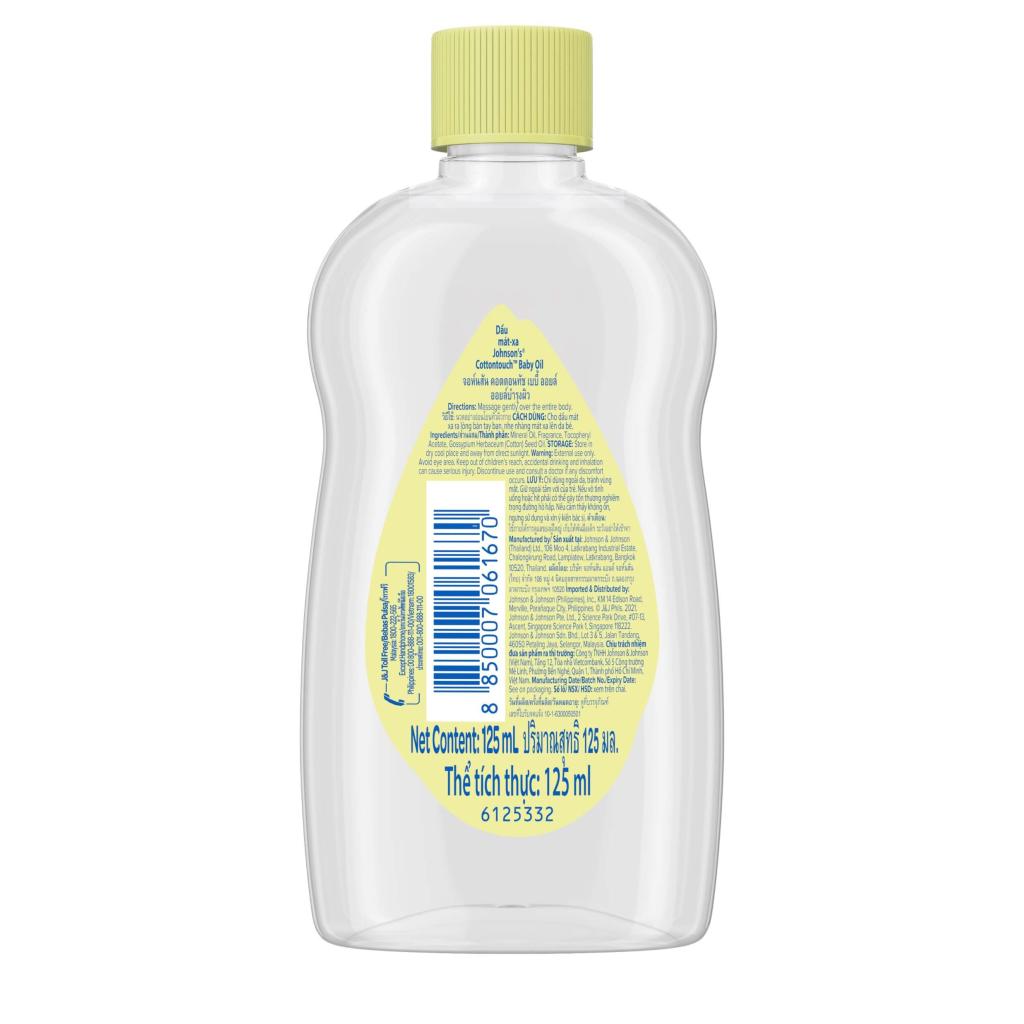
How to check the date on a baby oil bottle
Start by examining the front, back, bottom, and cap. The date may appear in a small printed code rather than in a familiar month-and-year format.
Look for:
• An expiration date
• A “best before” date
• A batch or lot number
• An open-jar symbol such as “12M” or “24M”
• Brand instructions about use after opening
The open-jar symbol means the product is intended to be used within that number of months after opening. For example, “12M” means 12 months after first use.
If the bottle has only a lot code, contact the manufacturer for help. Take a photo of the code and note where and when you bought the product. Retailers may also help confirm whether the product is old or recalled.
When no date is available, write the opening date on the bottle with a permanent marker. This simple habit makes it easier to judge whether an older product is still within its recommended use period.
How to store baby oil correctly
Good storage can help preserve the formula and reduce contamination. Think of baby oil like a small bottle of skincare: it does best in a cool, dry, dark place.
Use these storage tips:
• Keep the cap tightly closed after every use.
• Store the bottle away from direct sunlight.
• Choose a cabinet instead of a windowsill.
• Keep it away from heaters and hot cars.
• Do not add water, lotion, or another oil to the bottle.
• Wipe the opening if oil builds up around the cap.
• Store it where children cannot reach it.
A bathroom cabinet may be suitable if the room is cool and dry. A steamy bathroom with frequent temperature changes is less ideal. A bedroom drawer or hallway cabinet may offer better protection.
Never transfer baby oil into an unlabeled container. The original bottle provides important information about ingredients, batch details, and safety warnings.
Should you use baby oil after its expiration date?
It is best to follow the manufacturer’s expiration date. If the date has passed, the bottle is old, or the product has been stored poorly, replace it.
A past date does not always mean the oil suddenly becomes poisonous. Cosmetic products usually lose quality gradually. However, you cannot reliably see every chemical change, and babies do not need old oil when a fresh bottle is inexpensive and easy to find.
If the product is unopened, within its date, and stored in a cool place, it is usually reasonable to inspect it before use. If it is opened and several years old, disposal is the safer choice.
To throw it away, seal the bottle and place it in household trash unless your local waste service provides other instructions. Do not pour large amounts down the drain because oil can contribute to plumbing problems.
Baby oil ingredients that affect shelf life
The ingredient list offers useful clues about how long a product may last.
Mineral oil
Mineral oil is refined, stable, and resistant to oxidation. It is the main ingredient in many traditional baby oils. This does not make it immune to contamination or packaging damage.
Fragrance
Fragrance can fade or develop a stale smell over time. A change in scent is one of the clearest signs that an old product should be discarded.
Plant oils
Plant oils may oxidize faster than mineral oil. Almond, sunflower, olive, and other natural oils can become rancid, especially when exposed to heat and light.
Vitamin E
Vitamin E is often added as a skin-conditioning ingredient or antioxidant. It may help protect some oils from oxidation, but it does not make a product last forever.
Botanical extracts
Plant extracts can be sensitive to light, air, and temperature. They may also increase the chance of skin sensitivity in some users.
Reading the ingredients can help explain why one bottle remains clear and fresh while another develops an unusual smell within the same period.
Common mistakes people make with old baby oil
A few everyday habits can make an old product less safe or less useful.
• Using it because the bottle “looks fine” without checking the smell
• Sharing one bottle with several family members
• Leaving it in a hot car
• Keeping it beside a sunny window
• Applying it to irritated skin to “see if it helps”
• Using baby oil as sunscreen
• Pouring it into another bottle without a label
• Letting the cap touch dirty surfaces
One mistake I often see in household skincare routines is keeping products for sentimental reasons, such as saving them from a child’s baby years. The bottle may look clean, but its storage history is unknown. A new product is a better choice for a baby’s sensitive skin.
Another practical lesson is to buy smaller bottles when baby oil is used only occasionally. Smaller packaging creates less waste and reduces the chance that the product will sit open for years.
A simple safety check before use
Use this short process whenever you find an old bottle:
Check the expiration date or open-jar symbol.
Look for leaks, cracks, swelling, or damage.
Confirm that the oil is clear and free of particles.
Smell it for any sour, stale, or unusual odor.
Review the ingredient list for plant oils or fragrance.
Test a tiny amount on your own arm if the product is within date and appears normal.
Do not use it on a baby if you have any doubt.
A patch test can show whether your skin reacts, but it cannot prove that a product is free from contamination. Never use a patch test as permission to use visibly spoiled or expired oil on an infant.
Frequently Asked Questions About Does Baby Oil Expire
Does baby oil expire if it is unopened?
Yes, unopened baby oil can expire, although it may remain stable for several years. Check the printed date, store it away from heat and light, and discard it if the smell, color, or texture has changed.
How long is baby oil good after opening?
Many opened baby oils are best used within one to two years, unless the label gives a different period. Record the date you open the bottle and keep the cap tightly closed.
Can expired baby oil cause a rash?
Expired or contaminated baby oil can cause irritation, redness, itching, or a rash. Fragrance and oxidized plant oils may also trigger a reaction, so stop using the product if the skin changes.
What does expired baby oil smell like?
Expired baby oil may smell sour, stale, waxy, or noticeably different from its original scent. Mineral oil may have little smell, so any strong or unusual odor is a reason to discard it.
Can you use old baby oil on hair?
You should avoid old baby oil on hair if it is past its date or has changed in smell, color, or texture. Even when it is not spoiled, baby oil can leave hair greasy and may be difficult to wash out.
Can baby oil go bad in a hot car?
Yes, prolonged heat can damage the fragrance and other ingredients and may weaken the bottle or cause leaks. Replace baby oil that has spent a long time in a hot car, especially if it smells or looks different.
Is expired baby oil safe for massage?
Expired baby oil is not a good choice for massage. Massage involves extended skin contact, and a changed or contaminated formula may cause irritation or spread across a large area.
Conclusion
So, does baby oil expire? Yes, but the timeline depends on the formula, packaging, storage conditions, and time since opening. Mineral oil-based products are often stable, yet fragrance, plant oils, heat, light, and contamination can reduce quality.
Check the date, inspect the bottle, smell the product, and replace it when anything seems unusual. For babies, choose safety over savings and use a fresh product when the bottle is old or its history is unclear. Share your experience with baby oil storage or explore more practical skincare guides for smart, safe choices.