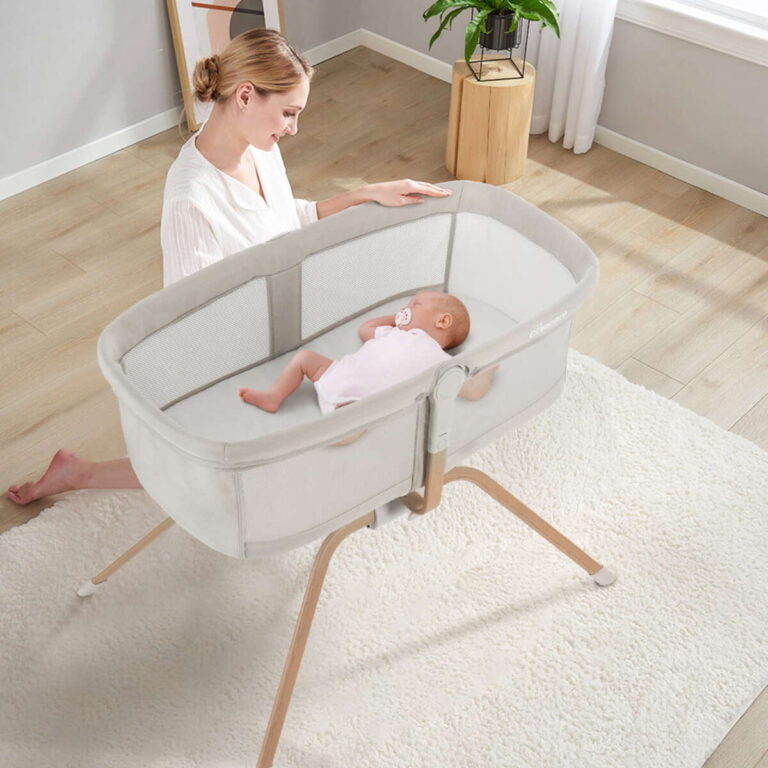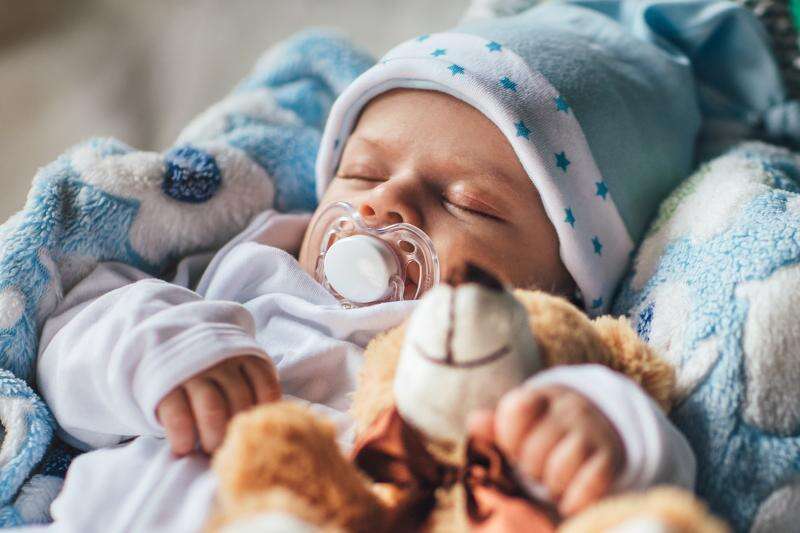
Yes, babies can sleep with a pacifier, and using one at naps and bedtime may lower the risk of SIDS.
Many parents wonder, “can babies sleep with pacifier?” The answer is usually yes when the pacifier is used safely and the baby sleeps on a firm, flat surface. This guide explains the benefits, risks, age tips, safe-use rules, and signs that your baby may be ready to stop.

Can babies sleep with pacifier safely?
Yes, most healthy babies can sleep with a pacifier. The American Academy of Pediatrics recommends offering a pacifier at naps and bedtime because research links pacifier use during sleep with a lower risk of sudden infant death syndrome, or SIDS.
The exact reason is not fully clear. A pacifier may help keep a baby in a lighter sleep state. It may also support better airflow around the mouth and nose. These are possible explanations, not proven causes.
When parents ask, “can babies sleep with pacifier?” I explain that the pacifier is only one part of safe sleep. The baby should still sleep:
• On their back for every nap and night
• On a firm, flat mattress with a fitted sheet
• In a crib, bassinet, or play yard approved for sleep
• In the same room as a caregiver, but not in the same bed
• Without blankets, pillows, bumpers, toys, or positioners
A pacifier does not make an unsafe sleep space safe. Think of it as one helpful tool, not a complete safety plan.

Benefits of letting babies sleep with a pacifier
Pacifiers can offer more than comfort. Sucking is a natural reflex that can help babies calm their bodies and settle into sleep.
Possible SIDS risk reduction
Offering a pacifier at sleep times is linked with a lower risk of SIDS. This benefit may occur even if the pacifier falls out after the baby falls asleep.
You do not need to put the pacifier back every time it drops. If your baby cannot replace it alone, you can leave it out until they wake or learn to find it.
Easier soothing
A pacifier may help during the difficult parts of the day, such as:
• The first weeks after birth
• Travel or changes in routine
• Growth spurts
• Short naps
• Fussiness before bedtime
Sucking can act like a small “reset button” for some babies. It may reduce crying and help them relax without needing to feed each time.
Comfort during painful moments
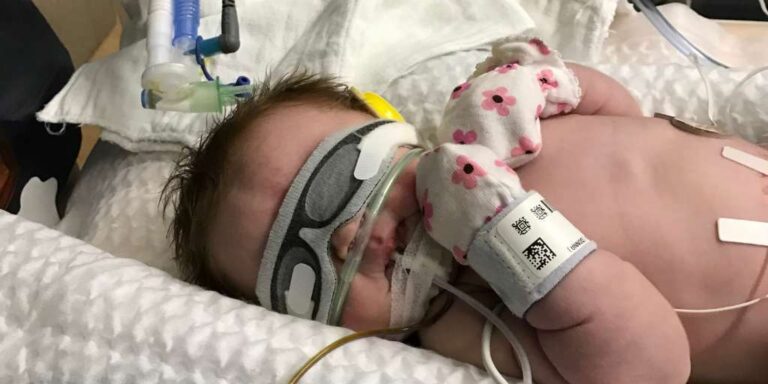
Some babies find pacifiers soothing during minor discomfort. Non-nutritive sucking is also used in some neonatal care settings, especially for premature babies, under medical guidance.
A pacifier should not hide signs of illness, hunger, or pain. If your baby has a fever, poor feeding, breathing trouble, or unusual sleepiness, contact a health professional.

When can babies start sleeping with a pacifier?
Healthy full-term babies may use a pacifier from birth. If you are breastfeeding, many lactation experts suggest waiting until breastfeeding is going well, often around three to four weeks.
This waiting period may help you establish:
• A comfortable latch
• A steady milk supply
• Reliable feeding cues
• A feeding pattern that works for both of you
However, waiting is not a strict rule for every family. Some babies use a pacifier early without feeding problems. Others struggle with latch or gain weight slowly. Your pediatrician or lactation consultant can help you decide.
For formula-fed babies, there is usually no need to delay pacifier use for feeding reasons. Still, the pacifier should not replace a bottle or hide hunger cues.
Signs your baby is ready
Your baby may be ready to use a pacifier for sleep when they:
• Feed well
• Gain weight as expected
• Have regular wet diapers
• Can suck and swallow comfortably
• Remain alert during feeds
If a newborn turns away from the breast or bottle, has fewer wet diapers, or seems too sleepy to eat, remove the pacifier and seek medical advice.
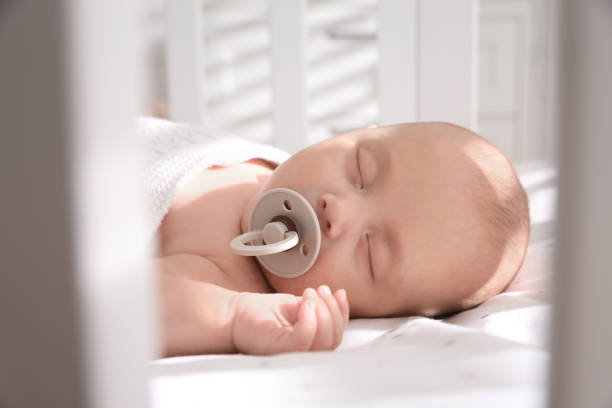
How to use a pacifier safely during sleep
Safe use matters as much as the decision to offer one. Follow these simple steps each time your baby goes to sleep.
-
Offer the pacifier when your baby is calm but awake.
-
Place your baby on their back in a clear sleep space.
-
Use a one-piece pacifier made for your baby’s age.
-
Check the pacifier before each use for cracks, tears, or loose parts.
-
Wash it as directed by the manufacturer.
-
Let your baby take it rather than forcing it into their mouth.
-
Leave it loose. Do not attach it to clothing, a necklace, a strap, or a stuffed toy during sleep.
-
Replace it when it becomes worn or damaged.
If you are still asking, “can babies sleep with pacifier?” these steps provide the practical answer: yes, as long as the pacifier is separate from cords, clips, and objects that could become unsafe.
What not to put on a pacifier
Never dip a pacifier in honey, sugar, syrup, or another sweet substance. Honey can cause infant botulism in babies younger than 12 months. Sugary coatings can also harm developing teeth.
Do not use a pacifier with a shield that is too small. Choose one with air holes and a large enough shield to reduce the risk of swallowing.

What if the pacifier falls out while the baby sleeps?
You do not need to replace the pacifier every time it falls out. Many babies sleep safely without it once they are fully asleep.
Repeatedly replacing it can become tiring for parents. It may also create a sleep habit in which the baby expects an adult to restore the pacifier after every sleep cycle.
If your baby wakes often, try these steps:
• Wait briefly before entering the room
• Check for hunger, illness, or a dirty diaper
• Offer the pacifier once
• Keep the room dark and quiet
• Avoid turning the wake-up into playtime
After babies develop enough coordination, they may find and replace the pacifier themselves. This skill often appears during the second half of the first year, but timing varies.
Do not place several loose pacifiers in the crib for a very young baby. Ask your pediatrician when your child can safely manage them.
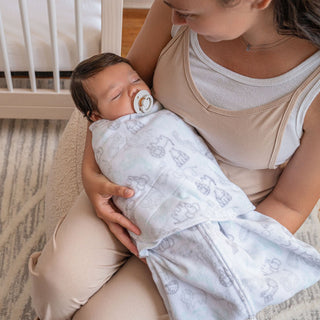
Can babies sleep with pacifier while breastfeeding?
Yes, but watch feeding closely during the early weeks. A pacifier may be useful after a good feed, but it should not delay feeding when your baby is hungry.
Newborns often feed eight to 12 times in 24 hours. Early hunger signs include:
• Turning toward the breast or bottle
• Bringing hands to the mouth
• Licking or smacking the lips
• Opening the mouth
• Becoming restless
Crying is a later hunger sign. If a baby receives a pacifier whenever they stir, caregivers may miss these earlier signals.
If breastfeeding hurts, your baby has trouble staying latched, or weight gain is a concern, pause and ask for help. A lactation consultant can assess the latch and feeding pattern.
A common mistake is using a pacifier to stretch feeds before milk supply and feeding skills are well established. It is safer to focus first on effective feeding.
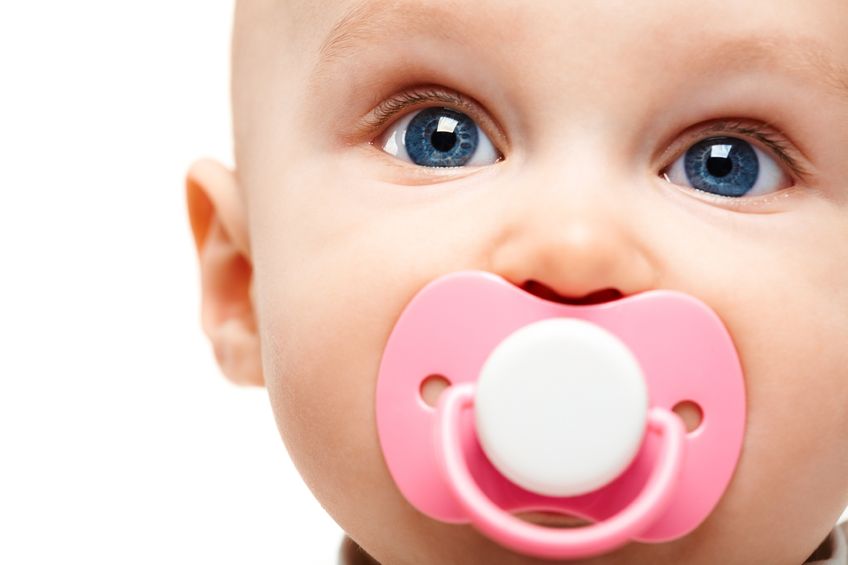
Pacifier safety risks and limitations
Pacifiers are generally safe when used correctly, but they are not risk-free. Knowing the limits helps you make a balanced choice.
Ear infections
Frequent pacifier use may be linked with a higher risk of middle ear infections, especially after six months. One practical approach is to limit pacifier use to sleep rather than offering it all day.
This does not mean every baby who uses a pacifier will develop ear infections. Other factors, such as age, daycare exposure, smoke exposure, and feeding position, also matter.
Dental changes
Long-term, frequent pacifier use may affect tooth alignment and the shape of the mouth. The risk becomes more important as children grow older.
Many pediatric dental professionals recommend beginning to reduce pacifier use in the second year and stopping by age three. Earlier weaning may be advised if dental changes are already visible.
Dependence for sleep
Some babies learn to depend on a pacifier to fall asleep. This is not dangerous by itself, but it can lead to frequent night waking when the pacifier drops.
You can reduce this issue by offering the pacifier only at sleep times and teaching other calming habits, such as a quiet routine, gentle rocking, or a consistent song.
Possible choking hazards
A damaged pacifier can break apart. Inspect it often and replace it based on the manufacturer’s guidance. Never repair a pacifier with tape, glue, or extra parts.

When should you stop using a pacifier?
There is no single perfect age for every child, but gradual weaning often becomes easier between six months and two years. Stopping earlier may reduce the chance of ear infections and dental changes.
Consider weaning if:
• Your child has repeated ear infections
• A dentist notices changes in tooth position
• Your child wakes often to find the pacifier
• Your child uses it throughout the day
• Speech or social interaction seems limited by constant pacifier use
A gentle weaning plan
-
Keep the pacifier for naps and nighttime only.
-
Remove it during play, meals, and car rides.
-
Create a calming bedtime routine without relying only on sucking.
-
Reduce use during naps before tackling nighttime.
-
Offer comfort with books, cuddles, or a favorite sleep routine.
-
Stay consistent once you decide to stop.
Some families choose a gradual plan. Others stop at once. Both can work. Avoid shaming your child, and do not cut the nipple because it can create a choking hazard.
Pacifier tips for newborns, infants, and toddlers
Newborns
Newborns need frequent feeds, so feeding cues come first. If your baby is breastfeeding, watch latch, milk transfer, and weight gain before making the pacifier a major sleep tool.
Never prop a bottle or use a pacifier to delay a feed. A newborn who is difficult to wake, feeds poorly, or has too few wet diapers needs prompt medical advice.
Babies from 3 to 6 months
At this stage, many babies use a pacifier well for naps and nighttime. Continue to follow every safe sleep rule, especially placing the baby on their back.
Avoid pacifier clips during sleep. Even short straps can wrap around a baby or become caught on nearby objects.
Babies older than 6 months
Limit pacifier use to sleep if possible. This may lower the chance of ear problems and prevent the habit from becoming part of every activity.
If your baby can reach and hold a pacifier, ask your pediatrician about placing one or two clean pacifiers nearby. Do not use this approach if your child is not developmentally ready.
Toddlers
Begin planning for weaning if the pacifier remains a strong daily habit. A calm, predictable plan is usually kinder and more successful than taking it away during a stressful event.
Safe sleep habits that matter most
Parents often focus on the pacifier because it is easy to see. However, the strongest safe sleep habits involve the whole sleep environment.
Always remember:
• Place your baby on their back for every sleep.
• Use a firm, flat, separate sleep surface.
• Keep loose bedding and soft items out of the sleep area.
• Share a room, not a bed, for at least the first six months when possible.
• Avoid smoke and nicotine exposure.
• Do not let your baby sleep on a couch, recliner, or adult bed.
• Do not use weighted sleep sacks, weighted swaddles, or weighted blankets for infants.
• Stop swaddling when your baby shows signs of rolling.
A pacifier can support safe sleep, but it cannot replace these steps. If your baby falls asleep in a car seat, swing, stroller, or carrier, move them to a firm, flat sleep surface as soon as practical.
What pediatric experts recommend
The American Academy of Pediatrics supports offering a pacifier at naps and bedtime during the first year because of its association with reduced SIDS risk. It also advises that breastfeeding families consider waiting until breastfeeding is established.
The Centers for Disease Control and Prevention and other public health groups stress back sleeping, a clear crib, and a firm sleep surface. These recommendations work together.
Research shows an association between pacifier use and lower SIDS risk, but it does not prove that the pacifier alone prevents SIDS. Studies can also be affected by differences in family habits and sleep practices.
That limitation matters. A pacifier is helpful, but it should never create a false sense of security.
Common mistakes parents should avoid
Even careful parents can make pacifier use unsafe or stressful. These mistakes are common:
• Forcing the pacifier into a baby’s mouth
• Using it to delay every feed
• Attaching it to a cord or clip during sleep
• Coating it with honey or sugar
• Giving an infant a damaged or recalled pacifier
• Putting several loose items in the crib
• Replacing it repeatedly all night
• Allowing all-day use into the toddler years
One lesson many caregivers learn is that simple routines work best. Offer the pacifier, follow safe sleep practices, and let it fall out naturally. You do not need to control every moment of your baby’s sleep.
Frequently Asked Questions About Can Babies Sleep With Pacifier
Can babies sleep with pacifier all night?
Yes, healthy babies can usually sleep with a pacifier all night when it is used with a safe sleep setup. Do not attach it to clothing, a cord, or a stuffed toy, and do not put it back each time it falls out.
Can a newborn sleep with a pacifier?
A healthy newborn may sleep with a pacifier, but feeding needs come first. Breastfeeding families may choose to wait until feeding is established, often around three to four weeks, with guidance from a health professional.
Does a pacifier reduce the risk of SIDS?
Offering a pacifier during naps and bedtime is associated with a lower risk of SIDS. The reason is not fully known, and a pacifier does not replace back sleeping or a clear, firm sleep surface.
What should I do if my baby’s pacifier falls out during sleep?
You do not need to replace it once your baby is asleep. If your baby wakes, check for hunger, illness, or discomfort before offering the pacifier again.
Can babies sleep with pacifier and swaddle?
A baby may use a pacifier while swaddled, but swaddling must stop when the baby shows signs of rolling. Once rolling begins, use a properly fitted, nonweighted sleep sack instead.
When should a child stop using a pacifier?
Many families begin reducing use during the second year and aim to stop by age three. Ask a pediatrician or pediatric dentist for advice sooner if your child has frequent ear infections or changes in tooth alignment.
Is it safe to put honey on a pacifier?
No. Honey can cause infant botulism in babies younger than 12 months, and sweet coatings can harm teeth. Use the pacifier clean and plain.
Conclusion
So, can babies sleep with pacifier? Yes. For most healthy babies, a pacifier at naps and bedtime can offer comfort and may lower the risk of SIDS when combined with safe sleep practices.
Keep feeding cues, back sleeping, a clear crib, and regular pacifier checks at the center of your plan. Use the pacifier for sleep rather than all-day comfort, and begin gentle weaning as your child grows.
If you are unsure about breastfeeding, weight gain, ear infections, dental changes, or sleep safety, speak with your pediatrician. Share your own experience or questions in the comments, and explore trusted infant sleep resources for continued guidance.