
Most babies can use a reclined stroller from birth only when the seat fully supports their head and the manual approves it.
Knowing when a baby can sit in a reclined stroller depends on the stroller design, your baby’s head and trunk control, and the position of the seat. A safe recline can make outings easier, but a partially upright seat is not suitable for every newborn. This guide explains the safest age ranges, warning signs, setup tips, and mistakes to avoid.
When Can a Baby Sit in a Reclined Stroller?
A baby can use a reclined stroller from birth only if the stroller is labeled for newborn use and reclines far enough to support the baby’s head, neck, and back. Some models are designed for newborns, while others are intended for babies who can sit with support, often around 6 months.
The phrase “reclined stroller” covers several different designs. One seat may lie almost flat, while another may lean back only slightly. These positions are not equal. A mild recline can still allow a young baby’s head to fall forward.
Use these general age guidelines:
• Newborn to about 3 months: Use only a stroller approved for newborns with a deep, supportive recline or approved bassinet attachment.
• About 3 to 6 months: Use the reclined stroller only if your baby has strong head and neck control and the manufacturer allows it.
• Around 6 months and older: Many babies can begin using a regular reclined stroller seat if they can sit with support and maintain good head control.
• Around 9 months: Many babies can sit without support, but readiness still depends on the stroller and the child.
Age is only a guide. Your baby’s physical control matters just as much as the number of months. Always read the stroller manual before placing a baby in the seat.

Why Head and Neck Control Matters
A baby’s neck muscles develop over time. Young babies cannot reliably hold their heads in a safe position when their bodies are tilted. If the head falls forward, the chin may press toward the chest and narrow the airway.
This risk is one reason a reclined stroller must support the whole body. A baby should not slump, slide down, or curl into a “C” shape. Think of the seat as a gentle cradle, not a loose lounge chair.
Before using a reclined stroller, check whether your baby can:
• Keep the head centered without repeated flopping
• Hold the head steady during a short walk
• Keep the chin away from the chest
• Stay positioned between the side supports
• Remain comfortably supported by the harness
If your baby’s head keeps falling forward, stop the walk and adjust the seat. If the problem continues, your baby may not be ready for that stroller position.
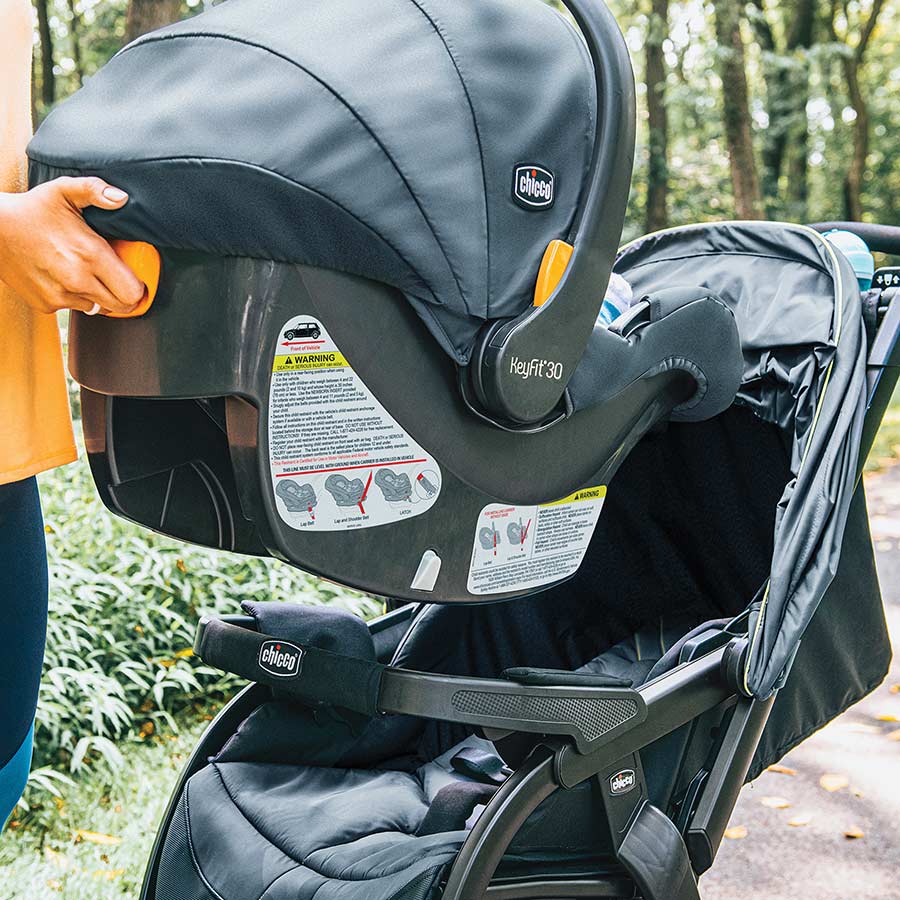
Reclined Stroller Age Guidelines
Newborns
Newborns should use a reclined stroller only when the product is specifically approved for newborns. A deep recline, bassinet, or compatible newborn insert may be required.
Never assume that a seat is safe for a newborn just because it reclines. A stroller that reclines to 45 degrees may still be too upright for a baby with weak head control.
For a newborn, look for:
• A clear newborn age or weight rating
• Full head and neck support
• A nearly flat position or approved bassinet
• A secure, adjustable harness
• Firm padding without loose cushions
• A canopy that does not block airflow
Babies Around 3 to 6 Months
Many babies in this age range are gaining better head control but are not yet ready to sit upright for long periods. A reclined stroller may work if the manual permits it and your baby remains stable.
Start with short trips. Stay close and watch your baby’s face, breathing, and body position. If your baby slumps, slides, or seems uncomfortable, use a deeper recline or wait longer.
Babies Around 6 Months and Older
At about 6 months, many babies can sit with support. This does not mean every baby is ready for every stroller seat. Your baby should also have steady head control and fit the harness correctly.
A stroller seat may be appropriate when your baby can:
• Sit with little help
• Keep the head upright during movement
• Tolerate a slightly more upright position
• Stay centered in the seat
• Fit within the manufacturer’s height and weight limits
The safest answer to “when can baby sit in reclined stroller” is not a single age. It is the point when your baby meets the stroller’s readiness requirements.
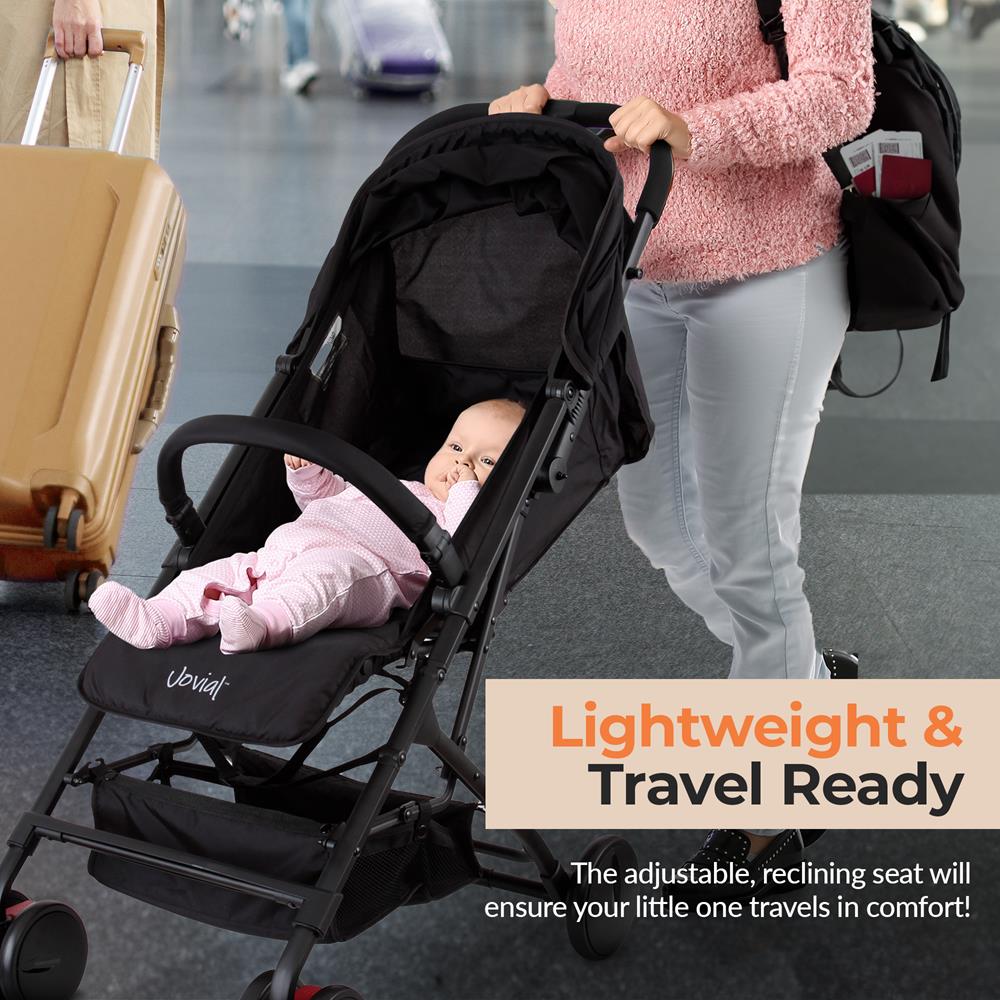
How to Know If Your Baby Is Ready
Readiness involves both the baby and the equipment. Check the product label, user manual, and manufacturer’s age guidance. If the manual says the seat is for babies who can sit independently, do not use it earlier just because the seat reclines.
Use this simple readiness check:
Place the stroller on a flat surface.
Recline the seat according to the manual.
Secure your baby with the five-point harness.
Watch the head, chin, shoulders, and hips.
Check that the baby stays centered without sliding.
Keep the first outing short.
A ready baby should look supported and relaxed. The head should remain above the chest, the back should rest against the seat, and the harness should hold the baby gently but firmly.
Do not add pillows, rolled blankets, or aftermarket head supports unless the manufacturer approves them. Extra items can change the harness fit or cover the baby’s face.

How to Use a Reclined Stroller Safely
A safe stroller setup starts before you leave the house. Inspect the brakes, harness, recline lock, wheels, and seat fabric. A damaged or loose stroller can create risks even when your baby is old enough to use it.
Follow these practical steps:
• Lock the stroller before placing your baby inside.
• Use the harness every time, including during short trips.
• Adjust the shoulder straps so they sit at the correct height.
• Keep the recline angle within the approved settings.
• Keep your baby’s face visible at all times.
• Check that the chin is not pressed toward the chest.
• Avoid thick coats under the harness.
• Keep the stroller away from stairs, roads, pools, and hot surfaces.
• Use the sun canopy for shade, but do not cover the stroller with a blanket.
A common mistake is covering the stroller with a muslin blanket on a warm day. Even a light blanket can reduce airflow and make it hard to see a baby’s breathing. Use the stroller canopy and seek shade instead.

Can a Baby Sleep in a Reclined Stroller?
A reclined stroller is not a routine sleep space. Babies may fall asleep during a walk, but safety experts recommend moving the baby to a firm, flat sleep surface as soon as practical.
Do not use a reclined stroller for unsupervised sleep at home, overnight sleep, or long naps. Sitting devices can allow a baby’s head to fall forward, which may affect breathing.
If your baby falls asleep:
• Keep the stroller in sight.
• Check the head and airway often.
• Do not cover the stroller with a blanket.
• Avoid leaving the stroller on a bed, sofa, or raised surface.
• Move the baby to a crib or bassinet when you can do so safely.
A stroller may be useful for transport, but it should not replace a crib, bassinet, or other approved infant sleep space.

Reclined Stroller Versus Bassinet Stroller
A reclined stroller seat and a bassinet attachment serve different needs. A bassinet usually provides a flatter surface and more even support for a newborn. A reclined seat often places the baby at an angle.
A bassinet may be a better choice when:
• Your baby is a newborn
• Your baby has weak head control
• Your baby sleeps during walks
• The stroller manual recommends a bassinet for early use
A reclined seat may be more useful when:
• Your baby has steady head control
• The manufacturer approves the seat for your baby’s age
• Your baby can remain centered and supported
• You are using the stroller for short, supervised trips
Never place a separate car seat insert, sleep cushion, or loose nest inside a stroller unless it is made and approved for that exact model.

Common Mistakes Parents Should Avoid
Many stroller problems come from small setup errors rather than the stroller itself. Taking a few minutes to check the fit can prevent discomfort and reduce safety risks.
Avoid these mistakes:
• Using the seat before the approved age
• Treating every recline angle as newborn-safe
• Leaving the harness loose
• Adding pillows or blankets for support
• Covering the canopy with fabric
• Letting the baby sleep without supervision
• Using a stroller with a broken recline lock
• Keeping the stroller fully upright before the baby is ready
• Ignoring repeated head flopping
• Carrying a heavy bag on the handle if the manual warns against it
One practical lesson is to test the stroller indoors first. Walk around the room, stop, turn, and recline the seat while watching your baby’s position. This simple trial often reveals sliding, loose straps, or poor head support before you are outside.
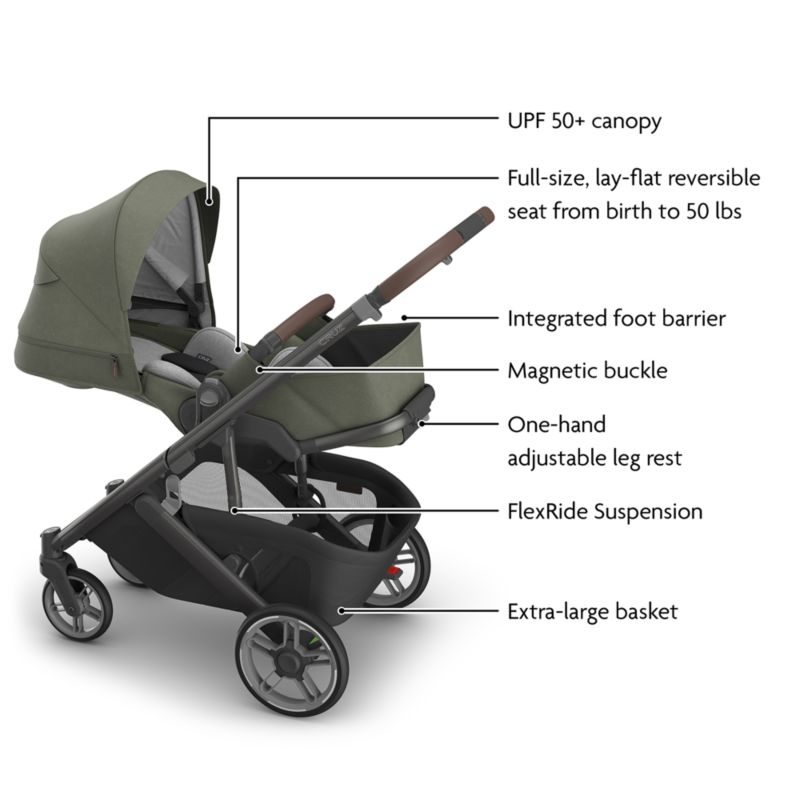
What to Do If Your Baby Slumps
Slumping is a sign that the position may not be right. First, stop the stroller and check the harness, recline angle, and seat depth. Make sure the baby’s bottom is fully back in the seat.
If your baby still slumps:
• Recline the seat farther if allowed
• Use the approved newborn insert if the manual permits it
• Shorten the outing
• Move the baby to a suitable bassinet
• Ask your pediatrician for advice if head control seems unusually weak
Do not use a rolled towel or cushion as a quick fix. It may shift during movement and can interfere with breathing or harness protection.
Seek urgent medical help if your baby has trouble breathing, turns blue or gray, becomes unusually limp, or cannot be roused normally.
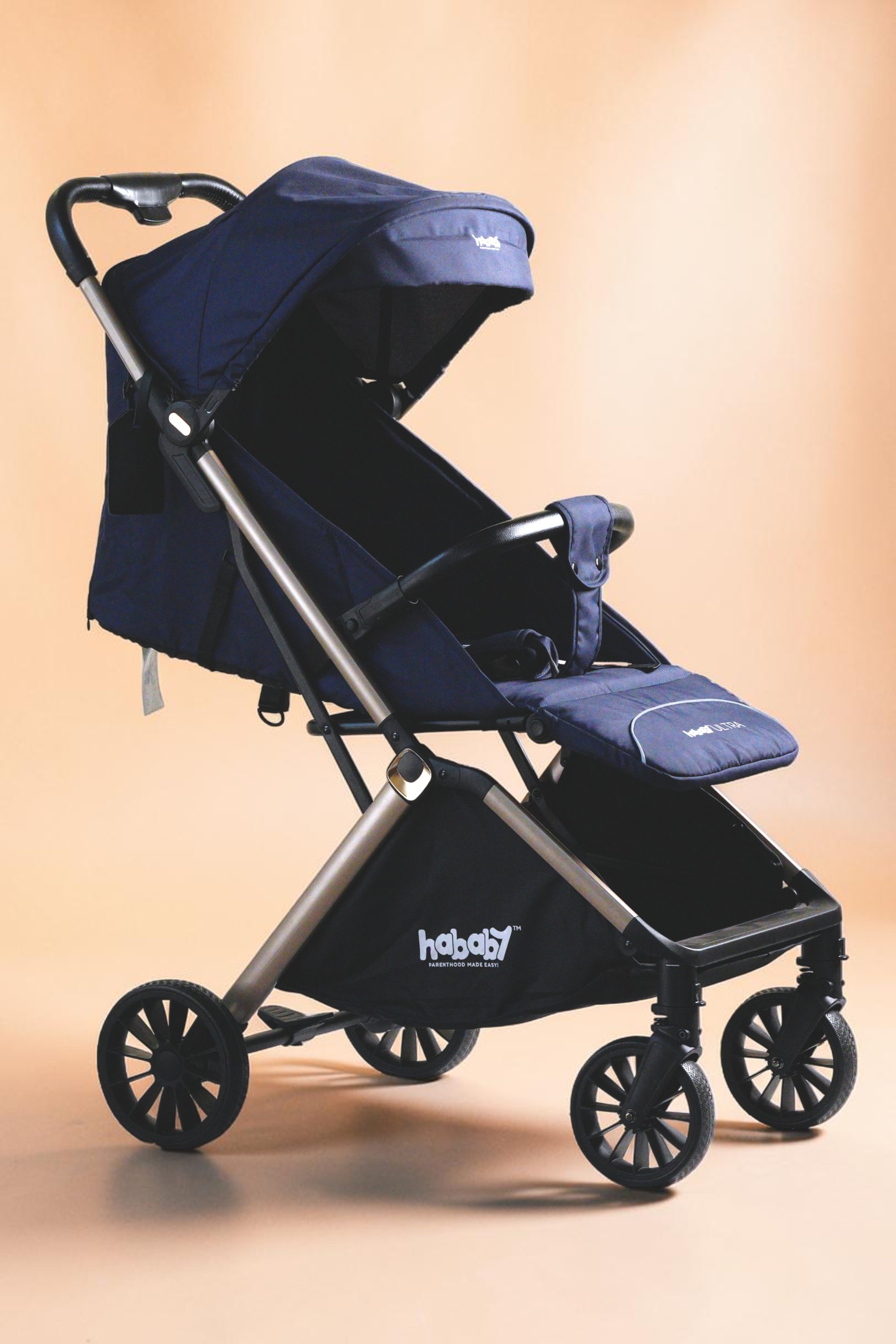
Choosing the Right Reclined Stroller
When buying a reclined stroller, focus on safety features rather than appearance alone. A stylish stroller is not useful if the seat does not match your baby’s age and development.
Look for:
• A clear newborn or infant rating
• A deep, adjustable recline
• A five-point harness
• Strong head and side support
• A secure recline lock
• Easy-to-read weight limits
• A wide, stable wheelbase
• Reliable brakes
• A canopy with good airflow
• A manual with clear instructions
Check whether the stroller is approved for overnight sleep. Most are not. Also confirm whether the stroller has been recalled by checking current safety notices before buying a used model.
A used stroller may be safe, but inspect it closely. Avoid products with missing instructions, damaged frames, frayed straps, broken brakes, or unknown crash history.
Expert Guidance and Safety Evidence
Infant positioning guidance consistently emphasizes airway protection, close supervision, and correct use of restraints. Pediatric safety advice also distinguishes transport devices from approved sleep spaces.
Manufacturers set age, height, and weight limits after testing the stroller’s structure and harness system. Those limits are not casual suggestions. They help ensure that the seat supports the baby as intended.
Development varies widely. Some babies have strong control before 6 months, while others need more time. Premature babies may also need guidance based on corrected age and individual development. When in doubt, ask your pediatrician and follow the stroller manual rather than relying on a general age chart.
Frequently Asked Questions About When Can Baby Sit in Reclined Stroller
Can a newborn use a reclined stroller?
A newborn can use a reclined stroller only when the stroller is approved for newborns and provides proper head, neck, and back support. A bassinet or nearly flat newborn mode may be required.
When can baby sit in reclined stroller without head support?
Most babies need steady head and neck control before using a regular reclined stroller seat without extra newborn support. This often develops between 4 and 6 months, but the stroller manual and your baby’s skills matter more than age alone.
Is a 45-degree stroller recline safe for a newborn?
A 45-degree recline is not automatically safe for a newborn. Use that angle only if the manufacturer specifically approves it for newborn use and the baby remains well supported with a clear airway.
Can a baby sleep in a reclined stroller?
A baby should not use a reclined stroller as a regular or unsupervised sleep space. Move the baby to a firm, flat, approved sleep surface as soon as practical.
How long can a baby stay in a reclined stroller?
There is no universal time limit for every stroller or baby. Keep trips reasonable, monitor the baby closely, offer breaks, and follow the product instructions.
What should I do if my baby’s head falls forward?
Stop the stroller and reposition your baby right away. If the head continues to fall forward, use a deeper approved recline or wait until your baby has stronger head control.
Conclusion
The safest answer to when can baby sit in reclined stroller is based on product approval, head control, body stability, and correct harness use. Newborns need a stroller made for newborn positioning, while older babies may use a regular reclined seat once they can stay supported and keep the airway clear.
Always check the manual, start with short supervised trips, and never treat a stroller as a routine sleep space. Take a few minutes to inspect the fit before every outing, and consult your pediatrician if your baby has poor head control or keeps slumping. Share this guide with another parent and check your stroller’s current safety instructions before your next walk.