
Use a calm, consistent bedtime routine and gentle, step‑by‑step sleep training to get baby to sleep in crib.
I’ve worked with many families and helped countless babies learn crib sleep. This guide on how to get baby to sleep in crib combines real-world experience, pediatric sleep guidance, and practical tips you can try tonight. Read on for step‑by‑step routines, safe crib setup, troubleshooting, and sleep‑training options so you can move your baby into the crib with confidence.
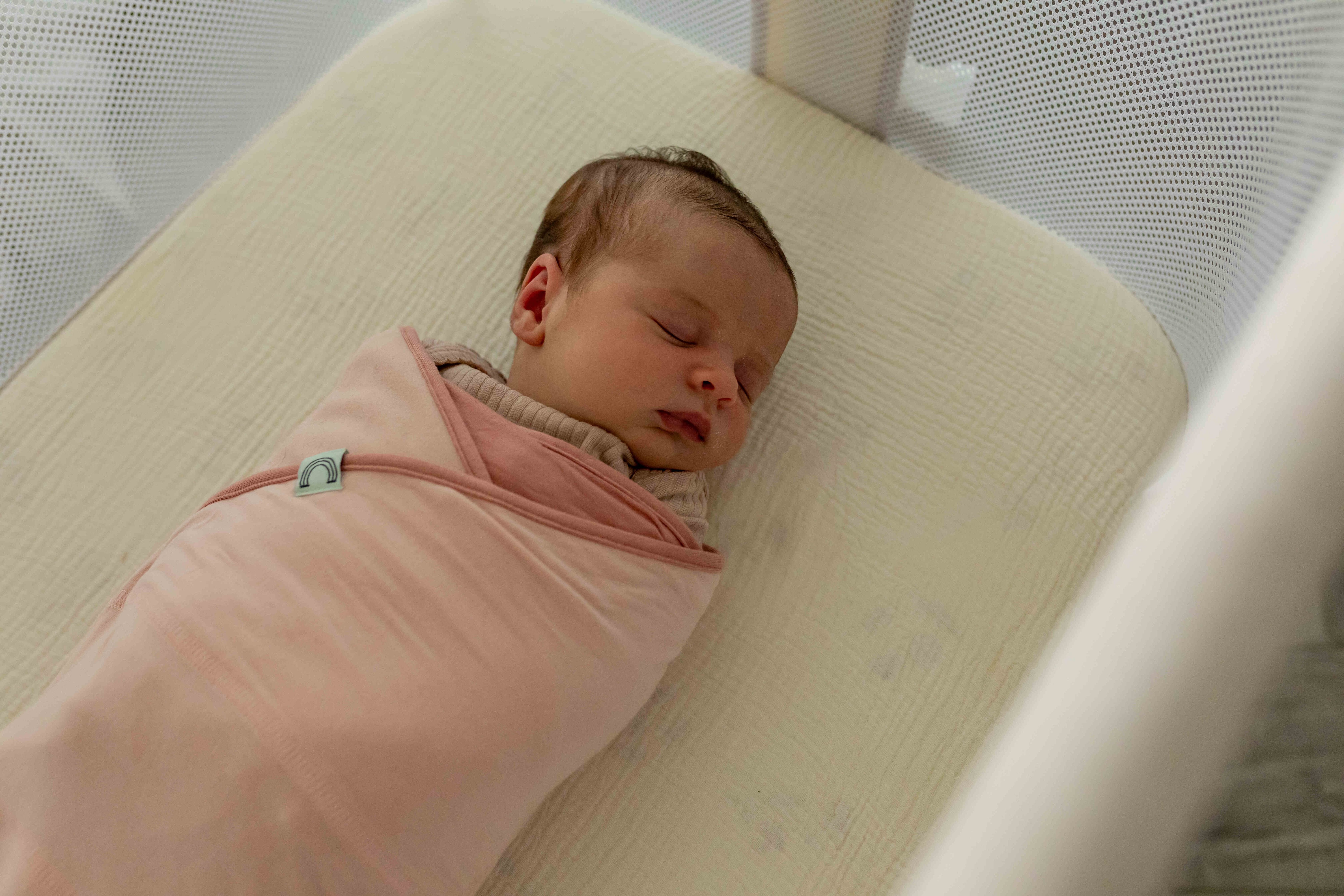
Why some babies resist the crib
Babies resist the crib for simple reasons. They like closeness, familiar smells, and the rhythm of being held. Change feels scary for them, so new sleep places can trigger fussing and wakefulness.
Common causes include:
- Hunger or overtiredness that makes self‑soothing hard.
- Inconsistent routines that confuse the baby.
- Medical issues like reflux, ear pain, or teething.
- Room temperature, lighting, and noise differences between parent bed and crib.
Understanding these reasons helps you address them rather than just reacting to crying. When you know why, you can fix the root cause and teach crib sleep calmly. This is the heart of how to get baby to sleep in crib.
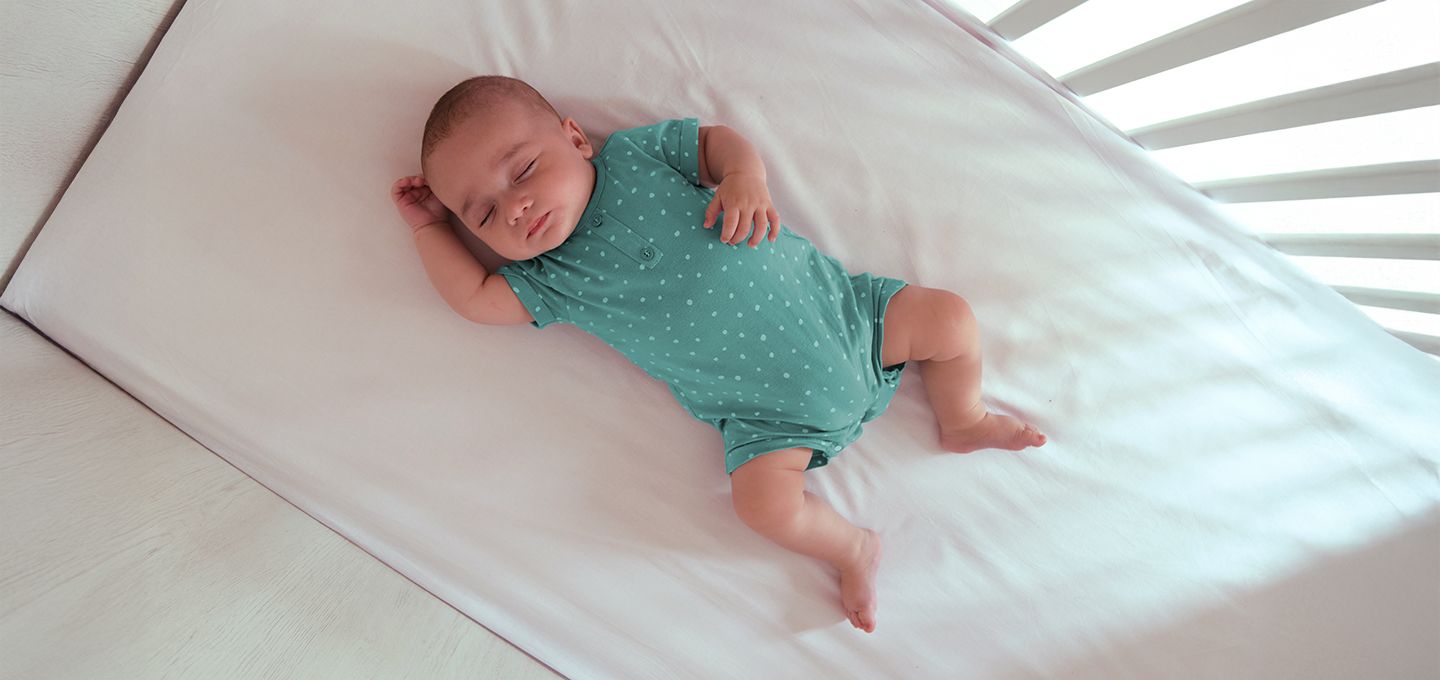
When to start moving baby to the crib
Most parents begin the transition between 3 and 6 months. By then many babies can sleep longer stretches and begin self‑soothing. However, readiness varies. Look for signs like longer naps, falling asleep with less holding, and predictable sleep windows.
Consider health and feeding needs. If your baby feeds often at night or has health issues, wait until a doctor approves. The timeline matters less than consistency and safety when you move baby to the crib.
:max_bytes(150000):strip_icc()/Parents-GettyImages-1465950984-fd2596f7032a46c08dbaa351c79227aa.jpg)
Preparing the crib and room for success
Set up a safe, cozy sleep space. Safety is crucial when learning how to get baby to sleep in crib.
Follow these essentials:
- Firm mattress that fits snugly in the crib.
- Tight‑fitting sheet with no loose blankets or pillows.
- Room temperature between 68–72°F to prevent overheating.
- Dim lighting or a soft night light for consistent darkness cues.
- White noise machine at low volume to mimic womb sounds.
Small touches help comfort the baby. Use a sleep sack in place of loose bedding. Put a worn, unwashed shirt near the crib for parent scent during the first nights. Check safety guidelines and crib recalls before use.

Build a calm, consistent bedtime routine
A repeatable routine is the biggest tool for teaching crib sleep. Babies learn by repetition. A short, predictable routine signals sleep time and lowers resistance.
Sample 20–30 minute routine:
- Feed or nurse so baby is comfortably full.
- Bath or gentle wipe down if part of your usual pattern.
- Quiet cuddle, book, or lullaby for 5–10 minutes.
- Put baby into the crib drowsy but awake while you say a calm cue phrase.
Consistency matters. Use the same order and cues every night. A steady routine helps your baby link the crib with sleep and makes the question of how to get baby to sleep in crib much easier to answer.
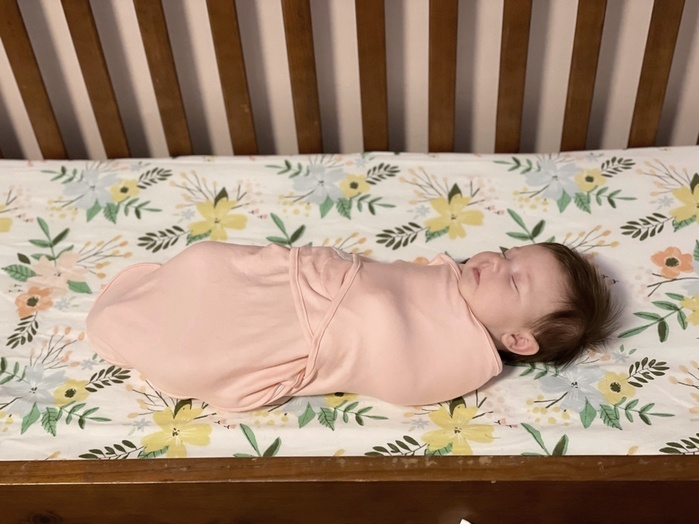
Gentle sleep‑training options to try
You have options when you move from soothing in arms to crib sleep. Pick one that fits your comfort level. All methods work best with consistency and a calm voice.
Popular, gentle choices:
- Pick‑up, put‑down: Comfort baby briefly, then place back awake. Repeat until they settle.
- Fading: Gradually reduce your presence at bedtime over days or weeks.
- Chair method: Sit near the crib and move the chair farther each night until you’re out of the room.
- Scheduled checks: Wait a set time before offering reassurance and keep interactions brief.
Expect some crying. Short, progressive steps often limit tears and build baby’s self‑soothing skill. If you try a method, use it for at least 5–7 nights before switching. That gives the baby time to learn how to get baby to sleep in crib.
Handling common issues and troubleshooting
Setbacks happen. Growth spurts, illness, and travel can disrupt sleep. Here's how to respond without losing ground.
Quick fixes:
- Night waking for feeds: Keep night feeds calm and dim, then return to crib drowsy but awake.
- Early rising: Check room light and morning routines; push for a later wake window with white noise.
- Reflux or pain: Talk to your pediatrician; once treated, crib sleep is easier.
- Separation anxiety: Offer daytime closeness, then use gradual distance at night.
Track sleep in a simple log. Note naps, feeds, and wake times. Patterns reveal what to change. When you know common triggers, you can gently guide baby back to crib sleep.

Safety and SIDS considerations
Safety always comes first when learning how to get baby to sleep in crib. Follow clear rules to lower risks.
Key safety points:
- Place baby on their back for all sleep times.
- Avoid loose bedding, bumper pads, and soft toys in the crib.
- Use a firm, flat sleep surface approved for infant sleep.
- Keep the crib free of cords and hanging items within reach.
If you smoke, use nicotine products, or drink heavily, seek help before attempting sleep training. These increase the risk of SIDS. Consult your pediatrician about any concerns.

Personal experience and lessons learned
I have helped many families through this transition. My own child took three weeks of steady routine to sleep in the crib. I made mistakes. Early on I moved too fast and changed methods too often, which confused my baby.
What worked for us:
- Slow progression over two weeks.
- Keeping the same soothing cue phrase.
- Using a sleep sack and white noise.
- One consistent caregiver handling bedtime for a week.
Be patient with yourself. Consistency beats perfection. Expect small steps forward and occasional backslides. That is normal and fixable.

Frequently Asked Questions of how to get baby to sleep in crib
How old should my baby be before I try crib sleep?
Most babies transition between 3 and 6 months. Readiness depends on feeding needs, sleep length, and pediatric advice.
What if my baby cries a lot when put in the crib?
Brief crying is common. Use a gentle method, stay consistent, and offer calm reassurance. If crying is intense or prolonged, check for illness or discomfort.
Can I move the crib into my room first?
Yes. Room‑sharing for the first 6 months reduces risk and eases the move. Later, you can slowly move the crib to the nursery over a week.
Is it safe to lay baby in crib drowsy but awake?
Yes. Placing baby drowsy but awake helps them learn to fall asleep on their own and is a key step in how to get baby to sleep in crib.
What if my baby only sleeps when held?
Build a slow routine to reduce holding. Try rocking to drowsy, then switch to crib with pick‑up, put‑down. Stay consistent and give it time.
How long will it take for my baby to adjust?
Most babies show steady progress in 1–3 weeks. Individual timelines vary. Consistent routines speed the process.
Can I use a pacifier to help crib sleep?
A pacifier can help soothe and may reduce SIDS risk. Offer it at sleep times but avoid forcing it if the baby dislikes it.
Conclusion
Teaching your baby how to get baby to sleep in crib takes patience, safety, and a steady plan. Start with a safe sleep environment, a short and calming bedtime routine, and a gentle method you can use consistently. Track small wins and stay flexible through setbacks.
Take action tonight: pick a simple routine, set up a safe crib space, and commit to a gentle plan for a full week. If you found this guide helpful, subscribe for more tips or share your story in the comments.