
Support the head, neck, and back; keep the baby close, secure, and chest-to-chest.
I’ve held and taught new parents how to hold a newborn baby for years. I know the small moves that keep babies safe and calm. This article explains clear, step-by-step methods, simple positions, safety cues, and real-life tips so you can hold your newborn baby with confidence and ease. Read on for practical guidance you can use right now.
Why proper holding matters
How you hold a newborn baby affects safety, breathing, and bonding. Good holds protect the neck and spine. They also help feeding and reduce fussing.
Learning the right way to hold a newborn baby lowers the risk of head flop and helps you feel secure. That calm helps both you and the baby relax. Research and clinical practice show early skin-to-skin contact supports temperature and heart-rate control.

Basic positions for holding a newborn
These positions are simple and safe. Practice them slowly and use the one that fits the situation.
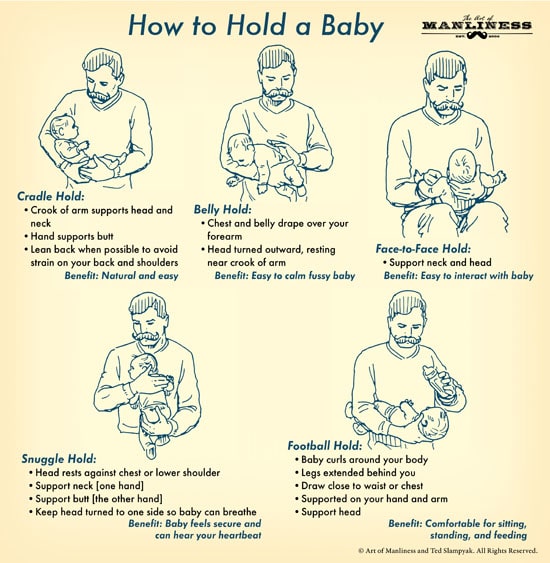
- Cradle hold: Support the head in one arm and the body along your forearm. This common way to hold a newborn baby is great for feeding and soothing.
- Upright or colic hold: Place the baby against your chest, head near your shoulder, with one hand under the head. This position helps with burping and breathing and is another way to hold a newborn baby when they need more upright support.
- Football hold: Tuck the baby under your arm at your side, legs pointing backward. It keeps baby close and is a practical option for how to hold a newborn baby after a C-section or during feeding.
- Lap hold: Sit and rest the baby on your lap, facing up, while you support the head. This is a relaxed way to hold a newborn baby for diaper changes and short cuddles.
- Shoulder burp hold: Rest the baby’s chest on your shoulder and use one hand to support the head. This gentle hold is helpful when learning how to hold a newborn baby for burping and soothing.
Practice each hold slowly. Watch how the baby reacts. Adjust as needed.

Step-by-step: how to hold a newborn baby safely
Follow these clear steps whenever you pick up a newborn.
- Wash your hands or sanitize them before touching the baby.
- Move slowly. Speak in a calm voice so you do not startle the baby.
- Place one hand under the baby’s head and neck. Place the other hand under the baby’s bottom.
- Lift the baby close to your chest. Keep the head cradled and aligned with the spine.
- Tuck the baby’s body against you so they feel secure. Use your forearm or elbow to support the back.
- Check the baby’s airway. Make sure the chin is not pressed into the chest.
Practice how to hold a newborn baby with a doll or pillow first if you feel unsure. Always support the head and neck until the baby can hold the head up on their own.
Common mistakes and how to avoid them
Avoid these early mistakes. They are common and easy to fix.
- Letting the head flop backward or forward. Always support the head and neck when you hold a newborn baby.
- Holding too loosely. Keep the baby snug against your chest to prevent slipping.
- Lifting too fast. Move slowly and secure your grip before you change positions.
- Forgetting to check the airway. Ensure the face is visible and the chin is not tucked into the chest.
- Using unsafe surfaces. Never leave a newborn alone on a couch or bed when you hold a newborn baby there.
If you notice poor color, limpness, or trouble breathing, place the baby down on a safe surface and seek help immediately.

Safety cues and when to get help
Watch the baby’s cues. They tell you if a hold is working.
- Calm or smiling: The hold is comfortable.
- Squirming or arching: Try a different position or check clothing.
- Rapid breathing, blue lips, or limpness: These signs need urgent help.
If you are unsure about how to hold a newborn baby after several tries, ask a nurse, pediatrician, or an experienced caregiver to show you. It’s okay to ask for help. Professional support is a smart step.

Practical tips and real-life examples
Here are tips I use and teach often. They come from hands-on work with parents and newborns.
- Tuck one hand under the head and one under the bottom. This simple trick steadies the baby.
- Use a sweater or shawl for extra grip. It can help when your arms are tired.
- Combine holds. If the baby is fussy, switch from a cradle hold to an upright hold to burp them.
- When passing the baby, keep one hand under the head until the other person has a secure hold.
- Practice daily. Short, calm holds build muscle memory and confidence.
I once coached a dad who was terrified of dropping his newborn. We practiced lifts with a doll and then with the baby while I supported him. Within minutes, his hands steadied and he smiled. That real change is why small, steady practice works.

Related concerns: sleep, feeding, and public holding
How you hold a newborn baby links to feeding and sleep safety. Follow safe sleep rules. Avoid loose bedding and always place the baby on their back to sleep. During feedings, keep the baby semi-upright to reduce spit-up and nasal congestion.
If you must hold the baby in public, choose a calm spot and keep them close. When outside, protect the baby’s head from sun and wind. These small steps help keep your newborn safe and comfortable.
Frequently Asked Questions of how to hold a newborn baby
How do I support a newborn's head properly?
Place one hand under the base of the skull and neck. Keep the head aligned with the spine and never let it flop forward or backward.
Can I hold my newborn on my side while lying down?
You can, but stay alert. Support the head and keep the baby’s face clear of bedding. If you feel sleepy, move the baby to a safe sleep surface.
When can I let others hold my newborn?
Family and trusted friends can hold the baby once you feel comfortable. Make sure they wash their hands and know how to support the head and neck.
Is skin-to-skin necessary every day?
Skin-to-skin is highly beneficial for bonding, temperature control, and calming. Aim for short sessions daily when possible, but it’s not the only way to bond.
What should I do if the baby squirms while I hold them?
Change the hold to an upright or lap position. Check the diaper, feeding, and temperature. Squirms often mean discomfort or hunger.
Conclusion
Holding a newborn baby is simple when you know the moves. Support the head, keep the baby close, and move slowly. Try the basic holds, practice often, and ask for help when you need it. Use these steps today and you’ll build comfort and confidence fast. If this guide helped, try a short practice session now, subscribe for more newborn tips, or leave a comment about your experience.