
Some Black babies are born with lighter skin, but their natural skin tone often deepens over the first weeks or months.
The question “are black babies born white” usually comes from noticing how different a newborn’s skin can look at birth. Skin color changes after delivery are normal and involve genetics, melanin, blood flow, lighting, and newborn skin conditions. This guide explains what parents can expect, what is normal, and when a baby needs medical care.

Why Some Black Babies Look Lighter at Birth
Are Black babies born white? Not usually in a literal sense, but some Black babies are born with skin that looks much lighter than their later complexion. Their skin may appear pink, red, tan, gray, or light brown during the first hours and days of life.
A newborn’s skin color is not yet a perfect preview of their long-term complexion. Melanin production can increase after birth. Melanin is the natural pigment that gives skin, hair, and eyes their color.
Several normal factors can make a Black baby look lighter at birth:
• Newborn skin may have low visible melanin at first.
• Blood flow can make the skin look red or pink.
• A white, creamy coating called vernix caseosa may cover the skin.
• Fluid and swelling can change the way light reflects from the skin.
• Hospital lights and camera flashes can affect how the skin appears.
• A baby’s skin may darken gradually during the first weeks or months.
This is why parents may ask, “Are Black babies born white?” The more accurate answer is that some babies are born lighter than expected, but this does not mean they lack African ancestry or that their skin will stay that light.
What is vernix caseosa?
Vernix caseosa is a soft, white coating that protects a baby’s skin before birth. It contains water, skin cells, and natural oils.
Vernix can make a baby appear pale or white right after delivery. It usually comes away on its own during the first bath or through normal skin shedding.

How Melanin Affects a Baby’s Skin Color
Melanin is made by special skin cells called melanocytes. Everyone has melanocytes, but people differ in how much melanin their cells produce and how that melanin is arranged.
Genes from both parents influence a baby’s skin tone. A child may inherit a wide mix of traits, so siblings can have different complexions. This is especially common in families with varied ancestry.
A baby’s early skin color can change because the skin is still adjusting to life outside the womb. The baby’s circulation, oxygen level, temperature, and pigment production all affect appearance.
Think of newborn skin like a photo that is still developing. The first image gives clues, but it may not show the final result.
When does a Black baby’s skin get darker?
There is no single schedule for every child. Some babies show a noticeable change within days. Others develop more visible pigmentation over several weeks or months.
The hands, feet, ears, and areas around the mouth may look different from the rest of the body. This can be normal. Skin tone may also change with temperature, crying, illness, and blood flow.
Parents should avoid comparing one baby with another. Even children from the same family can develop their natural skin tone at different speeds.

Are Black Babies Born White or Just Lighter?
The phrase “born white” can be confusing. A Black baby may be born with lighter skin, but that does not usually mean the baby is medically or genetically “white.”
Skin color exists on a broad spectrum. Human populations have no sharp biological borders based only on skin tone. A newborn’s appearance can also be affected by family ancestry, prematurity, lighting, and circulation.
Some Black babies have medium-brown or dark skin at birth. Others have light brown, reddish, or tan skin. Some mixed-race babies may also have skin that changes noticeably after birth.
The best answer to “Are Black babies born white?” is this: some Black babies may look very light at first, but newborn appearance varies widely, and early skin color does not define a child’s identity.
Why newborns may look red or purple
Many newborns look red or purple soon after delivery. This can happen because their blood circulation is changing as they begin breathing air.
A baby’s hands and feet may look bluish for a short time. This is often called acrocyanosis and can be normal soon after birth. However, blue lips, blue skin across the body, breathing trouble, or unusual sleepiness require urgent medical attention.

Normal Skin Changes During the First Weeks
Newborn skin often changes in texture and color. These changes are usually harmless, but they can surprise new parents.
Common changes include:
• Peeling skin, especially on the hands and feet
• Temporary redness after crying
• Small white bumps called milia
• A blotchy rash called erythema toxicum
• Darkening around the nipples or genitals
• Temporary yellowing from jaundice
• Dry skin after the protective vernix fades
These changes do not mean that a baby is becoming a different race or losing a racial identity. They are normal parts of newborn development.
A common mistake is to judge skin color under one type of light. Warm indoor bulbs, hospital lights, and phone cameras can all change how skin looks. Natural daylight often gives a more accurate view.
How to care for newborn skin
Newborn skin is delicate. Simple care is usually best.
Use warm water and a gentle, fragrance-free cleanser.
Avoid scrubbing, bleaching products, and strong perfumes.
Do not use skin-lightening creams on a baby.
Keep the diaper area clean and dry.
Ask a pediatrician before using oils, powders, or medicated creams.
Protect the baby from direct sunlight and follow medical advice about sun protection.
A baby does not need products designed to change skin color. Healthy skin comes first.

When Light Skin Color May Signal a Medical Problem
Most color changes are normal, but some need medical attention. The key is to watch the whole baby, not just the shade of the skin.
Call a health care professional promptly if a newborn has:
• Blue lips or a blue tongue
• Gray or very pale skin that does not improve
• Yellow skin that spreads or becomes more intense
• Trouble breathing
• Poor feeding
• Extreme sleepiness or difficulty waking
• A fever or unusually low temperature
• New swelling, sores, or a spreading rash
A baby who looks pale may have poor circulation, anemia, low blood sugar, or another medical issue. A baby who looks yellow may have jaundice. Mild jaundice is common, but severe or worsening jaundice needs assessment.
Parents should never rely on online photos to diagnose a newborn. Skin color can look different on various devices, and darker skin can make some signs harder to see. Look at the whites of the eyes, the gums, the palms, and the baby’s behavior, while still seeking professional advice.
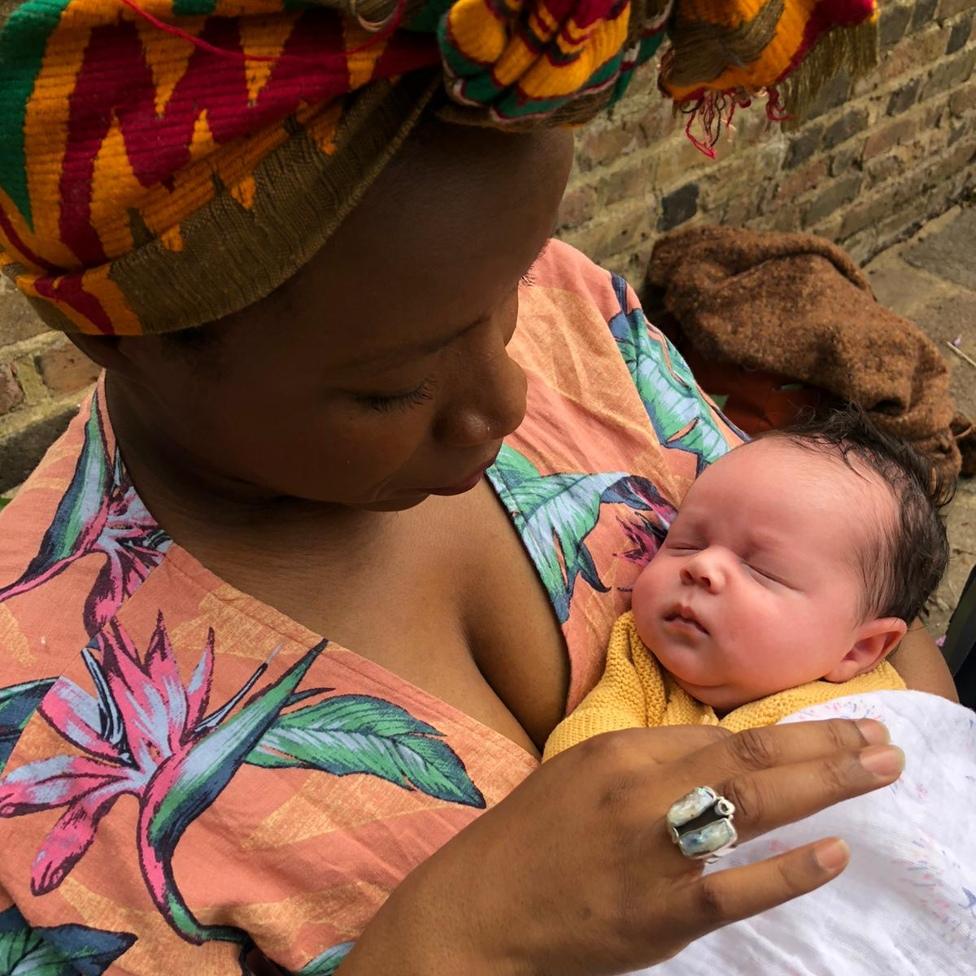
Does Skin Color at Birth Predict Adult Skin Tone?
It can offer a general clue, but it does not give a precise prediction. Genetics involve many genes, and a baby inherits a unique combination from both parents.
A baby may become darker over time, especially in the face, arms, and legs. The final adult complexion may still vary because of age, hormones, sun exposure, health, and normal genetic development.
It is also important to avoid treating skin tone as a measure of worth, health, or racial authenticity. Colorism can affect how families view children, especially when relatives make comments about a baby being “too light” or “too dark.”
A child’s skin color deserves care and respect. Parents can support healthy identity by using positive, neutral language and avoiding comparisons between siblings or relatives.
Does sunlight make a baby’s skin darker?
Sun exposure can increase melanin in older children and adults, but newborns should not be placed in direct sunlight to change their skin color. Babies have sensitive skin and can burn or overheat quickly.
Use shade, protective clothing, and medical guidance. Do not use tanning products or expose a baby to tanning beds.

Cultural Myths About Black Babies and Skin Color
Questions about whether Black babies are born white often connect to old myths about race and heredity. Some people believe a baby’s birth color can prove or disprove family ancestry. That is not medically accurate.
A newborn’s appearance cannot confirm paternity, race, or ancestry. Skin color alone is not a reliable genetic test. If a family has concerns about ancestry or parentage, only appropriate genetic testing can provide relevant information.
Another myth is that a baby’s skin will change because of certain foods, drinks, or home remedies. There is no safe food or cream that can set a baby’s natural complexion.
Avoid advice that recommends:
• Lemon juice
• Harsh soaps
• Bleaching agents
• Steroid creams without medical advice
• Unregulated herbal mixtures
• Tanning or intentional sun exposure
These products can cause burns, poisoning, infections, or permanent skin damage. A pediatrician or qualified dermatologist is the right person to ask about unusual skin changes.
Practical Advice for Parents and Caregivers
If you are wondering, “Are Black babies born white?” begin with calm observation. Newborns change quickly, and many early color differences are temporary.
Helpful steps include:
• Take note of the baby’s color under natural light.
• Watch feeding, breathing, alertness, and wet diapers.
• Keep all newborn checkups.
• Ask the hospital team about jaundice before going home.
• Take a photo only for personal comparison, not diagnosis.
• Tell the pediatrician when the color change began.
• Mention family history of anemia, jaundice, or inherited conditions.
One lesson that comes up often when families discuss newborn skin is the danger of comparing babies too soon. A cousin may become darker in a few days, while another child may take months. Both patterns can be normal.
The safest approach is simple: protect the skin, avoid unproven products, and ask a clinician when the change seems sudden, severe, or linked with other symptoms.
Frequently Asked Questions About Are Black Babies Born White
Are Black babies born white?
Some Black babies are born with skin that looks very light, pink, or reddish. Their skin may become darker as melanin production and circulation adjust after birth.
When do Black babies get their natural skin color?
There is no fixed timeline. Some babies show changes within days, while others develop a clearer long-term complexion over several weeks or months.
Why does my Black newborn look lighter than expected?
Vernix, blood flow, swelling, lighting, prematurity, and normal genetic variation can all affect a newborn’s appearance. A lighter appearance does not automatically indicate a health problem.
Can a newborn’s skin color show their race?
No. Skin color alone cannot prove race, ancestry, or paternity. Human skin tone varies widely, and a newborn’s color may change after birth.
Should I use a cream to make my baby’s skin darker?
No. Do not use tanning products, bleaching products, or unapproved creams on a baby. These products can damage sensitive skin and may cause serious illness.
When should I call a doctor about my baby’s color?
Seek urgent help for blue lips, breathing problems, gray or very pale skin, severe yellowing, poor feeding, or unusual sleepiness. When in doubt, contact the baby’s pediatrician.
Conclusion
Are Black babies born white? Some Black babies are born with skin that appears much lighter than their later complexion, but this is usually a normal result of newborn skin, melanin development, circulation, vernix, and genetics.
Skin color can change during the first days and months. Avoid comparisons and unsafe products. Focus on your baby’s breathing, feeding, behavior, and overall health, and contact a pediatrician about concerning changes.
Share this guide with another new parent, and explore trusted newborn health resources for more evidence-based advice.