Check labels, damage, fit, and airline rules before safely checking a stroller and car seat.
Traveling with baby gear can feel like solving a small puzzle at the airport. A stroller and car seat are costly, useful, and easy to damage when handled as checked baggage. This guide explains how to check a stroller and car seat, when to gate-check them, how to protect them, and what to do if something goes wrong.
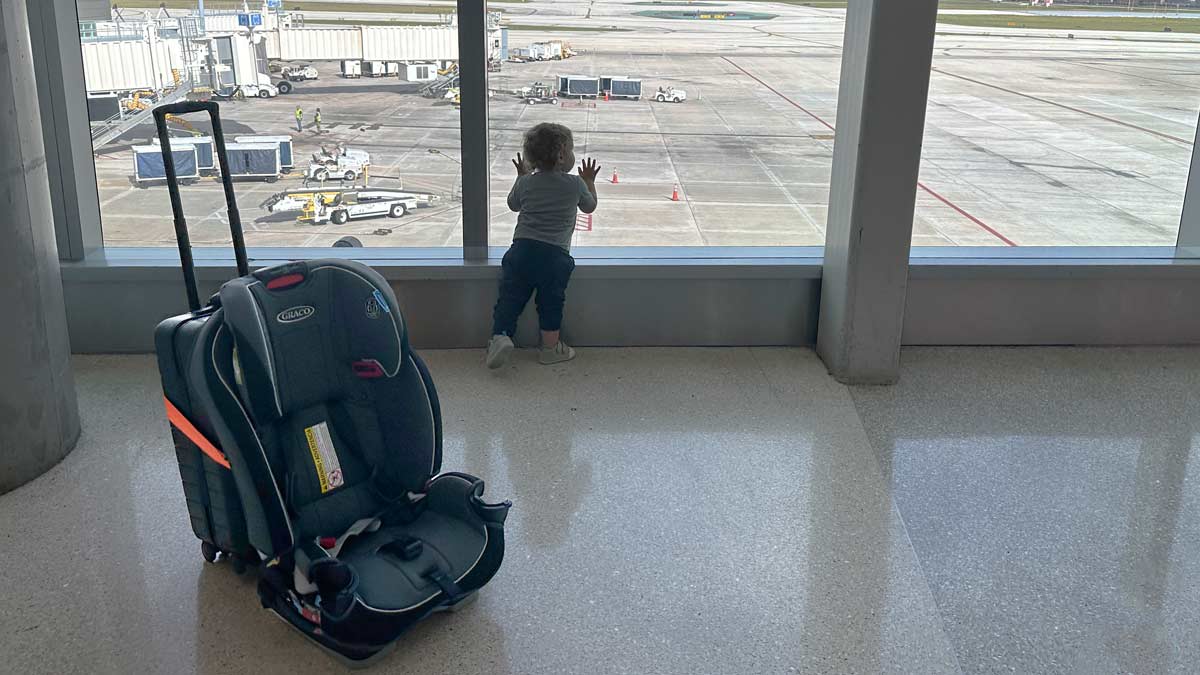
Decide Whether to Gate-Check or Check at the Counter
The first step in learning how to check a stroller and car seat is choosing the safest point to hand them over. Most airlines let families check baby gear at the ticket counter or gate. Policies differ, so check your airline’s current rules before leaving home.
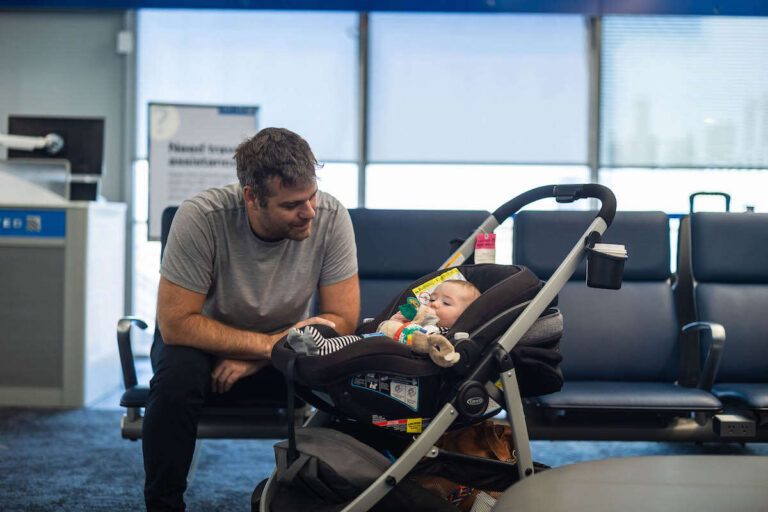
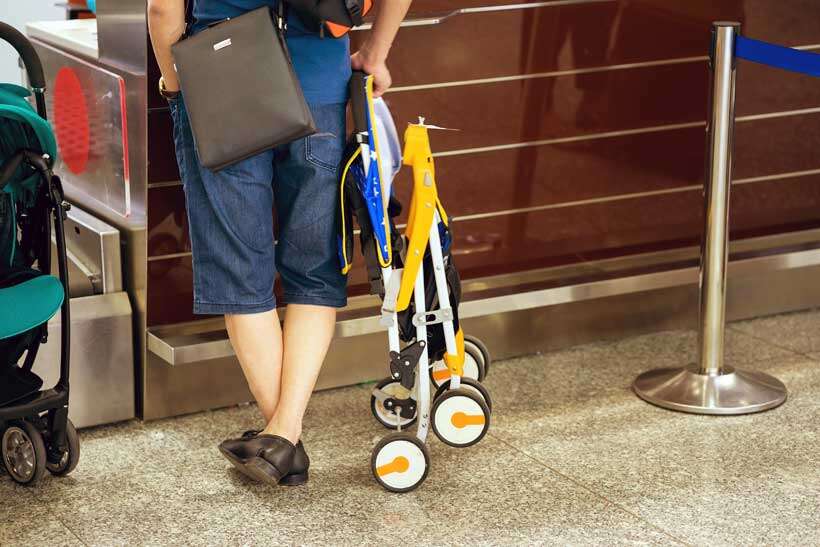
Gate-checking usually keeps the items with you until boarding. Staff place them in the cargo hold at the aircraft door, then often return them near the plane door after landing. This can reduce the time your gear spends on baggage belts.
Counter-checking is useful when the stroller is large, heavy, or not needed inside the airport. However, it may travel through the main baggage system. That means more handling and a greater chance of scratches, dents, stains, or missing parts.
Consider gate-checking when:
• You need the stroller to move through a large airport.
• Your child may need a nap before boarding.
• The stroller folds into a compact shape.
• You want to keep the gear with you until the last part of the trip.
Consider counter-checking when:
• The stroller is too large for the gate area.
• You have a travel system with many loose parts.
• Your airline has special rules for oversized baby equipment.
• You do not need the stroller after reaching the gate.
A car seat may also be allowed in the cabin if you buy a seat for your child and the seat meets airline rules. The Federal Aviation Administration strongly encourages using an approved child restraint system on the aircraft. Always ask the airline whether your specific car seat is allowed.

Check the Stroller Before You Leave Home
A careful home inspection is one of the most useful parts of how to check a stroller and car seat. It gives you time to fix small problems before the trip. Do not wait until you are standing at the airport counter.
Start with the stroller frame. Open it fully and look for cracks, bends, loose screws, or sharp edges. Fold it and unfold it several times. The locking parts should engage with a clear click or firm stop.
Inspect these stroller parts:
• Wheels should spin freely and remain attached.
• Brakes should hold the stroller on a slight slope.
• The handle should feel secure and should not wobble.
• The seat should lock into the frame.
• The canopy should open and stay in place.
• The harness should buckle and adjust smoothly.
• The basket should not drag on the ground.
• The folding latch should work without force.
Remove everything that is not firmly attached. This includes cup holders, toys, snack trays, parent organizers, blankets, and loose adapters. Small parts can fall off during handling.
Take photos of the stroller from every side. Include the wheels, frame, seat, and any special accessories. These photos create a record of its condition before travel and may help with an airline claim.
Write your name, phone number, and email on a strong luggage tag. Put the same information inside the stroller, too. An inside label can help staff identify it if the outside tag is torn away.
Check the Car Seat for Safety and Condition
When learning how to check a stroller and car seat, remember that a car seat is safety equipment, not ordinary luggage. A small crack or missing part can affect how it protects your child in a crash.
Look for the date of manufacture on the label. Car seats have expiration dates set by the manufacturer. Do not use a seat that is expired, recalled, or involved in a moderate or serious crash.
Inspect the following areas:
• The plastic shell should have no cracks, deep cuts, or crushed areas.
• The harness straps should be flat and free from frays.
• The buckle should click securely and release when pressed.
• The chest clip should slide and lock correctly.
• The base should attach and detach as the manual describes.
• The recline foot should lock in each position.
• The carrier handle should move and lock properly.
• The label should show the model name, model number, and manufacture date.
Look up the car seat model on the manufacturer’s recall page. You can also check recall information through the National Highway Traffic Safety Administration. A recalled seat may require a repair kit, replacement part, or full replacement.
Read the manual before travel. Some covers can go in a washing machine, but the harness may need hand cleaning. Do not use harsh chemicals, bleach, or unapproved padding. Never add aftermarket inserts unless the manufacturer approves them.
A practical lesson is simple: do not check a car seat that you may need immediately after landing unless it is protected and you have another safe plan. If the seat is your only way to transport your child from the airport, keep it in the cabin when possible or use a durable protective bag.

Prepare a Stroller for Airline Handling
The next part of how to check a stroller and car seat is packing the stroller so it can survive normal baggage handling. Airline staff are trained to move items quickly. A stroller bag helps, but it does not make the stroller indestructible.
Before folding the stroller:
-
Remove all loose accessories.
-
Empty the storage basket.
-
Wipe away food, sand, and dirt.
-
Lock the wheels if the design allows it.
-
Fold the stroller according to the manual.
-
Secure the folded frame with its latch or strap.
-
Place small approved parts in a sealed pouch.
-
Add your contact information inside the bag.
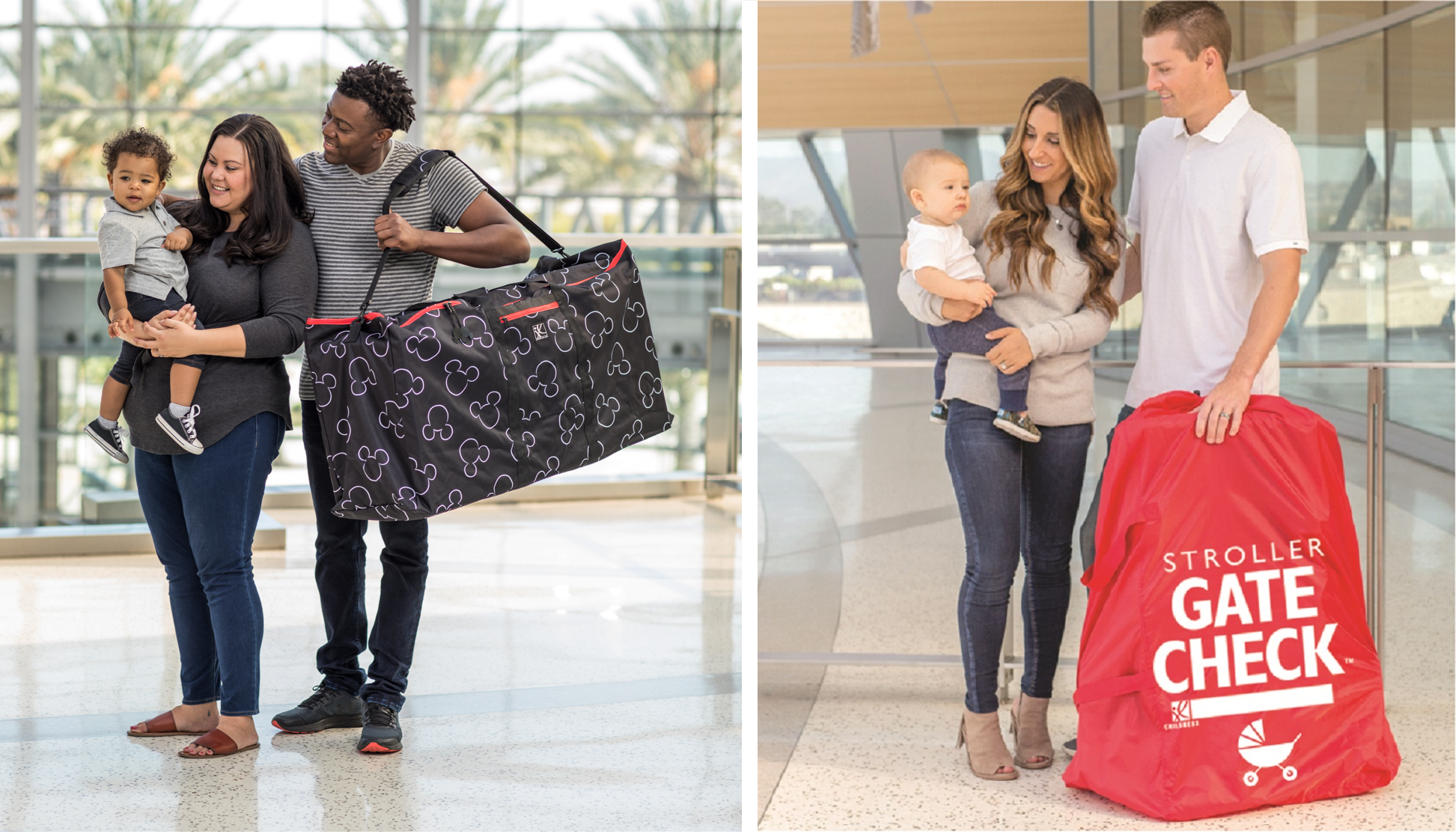
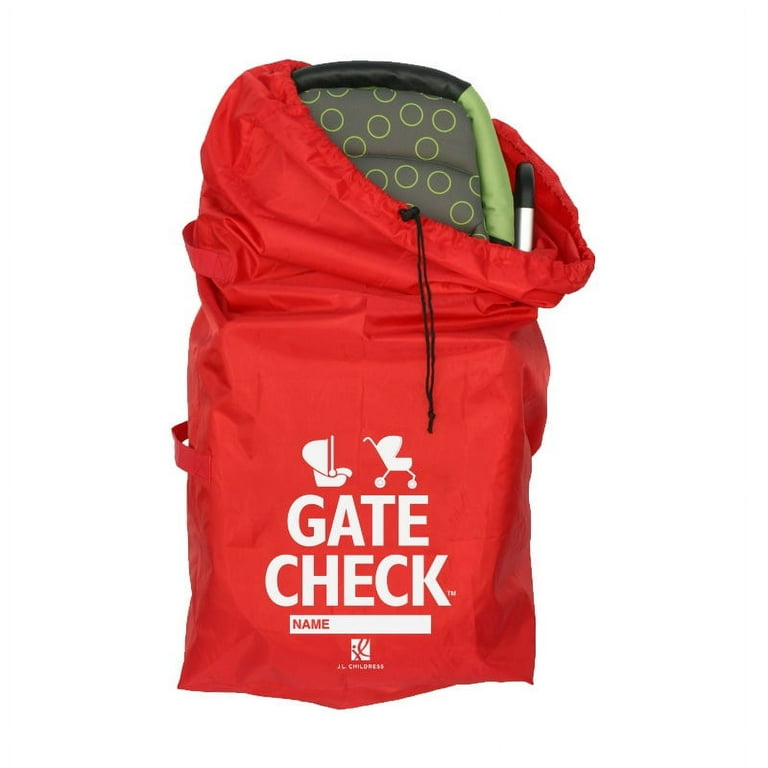
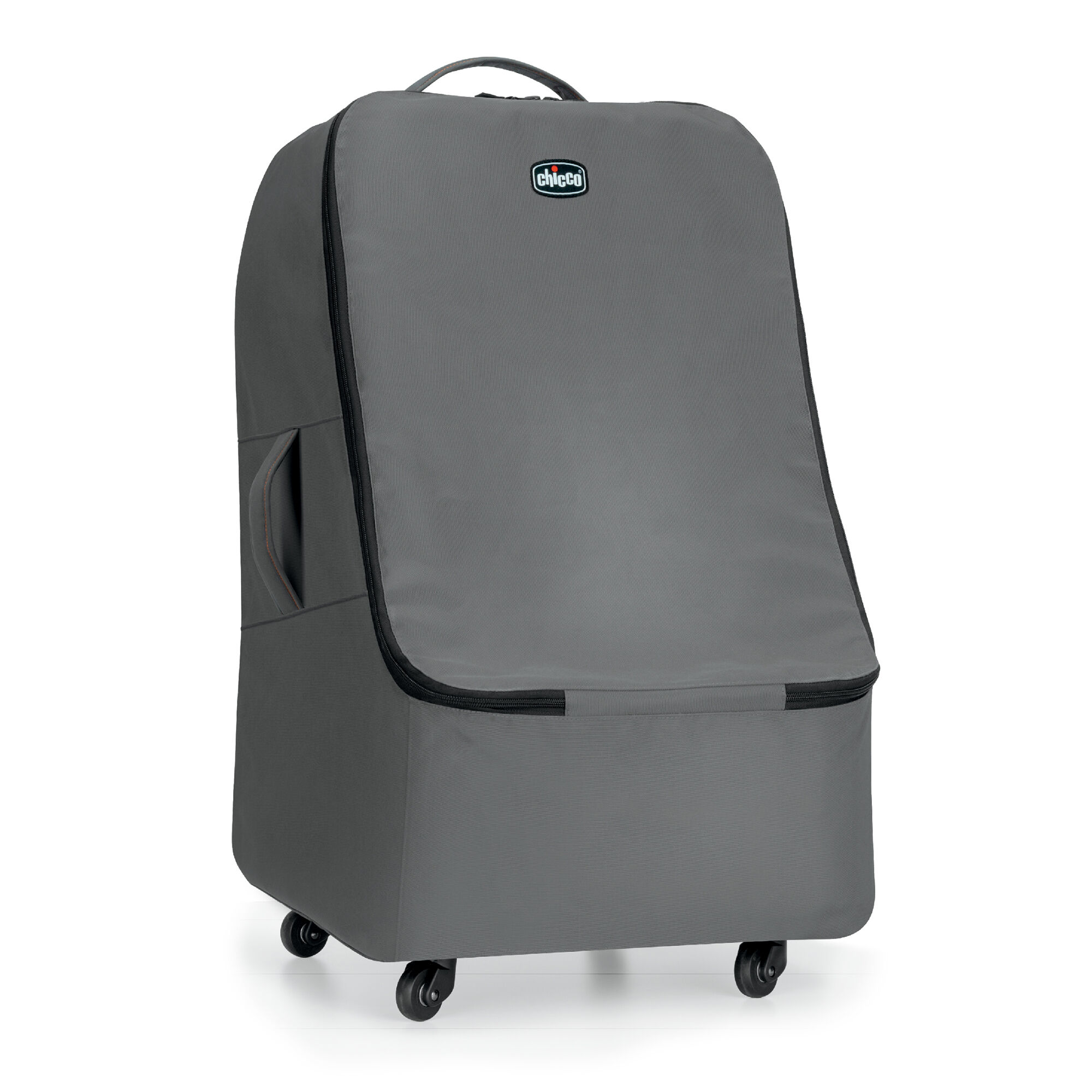
Use a padded travel bag made for the stroller. A basic nylon bag can prevent dirt and scratches, but it may not protect against crushing. For a high-value stroller, consider a padded or reinforced bag.
Do not overfill the stroller bag. Excess pressure can bend the frame or strain the zipper. If you add diapers or clothing, keep them light and secure. Do not pack sharp objects, liquids, or heavy items with the stroller.
If you use a car seat stroller combo, ask the airline whether each piece receives its own tag. Some airlines treat the stroller and car seat as separate items. Other airlines allow them together in one bag, but weight limits may apply.

Prepare a Car Seat for Checking
A car seat travel bag is the best way to protect a seat from dirt, rain, and rough handling. Choose a bag that fits the seat without forcing the zipper. A padded backpack-style bag can make the seat easier to carry through the airport.
Before placing the car seat in the bag:
• Remove the detachable base if the manufacturer permits it.
• Remove the infant insert only if it is designed to come out.
• Secure the harness inside the shell.
• Fasten the buckle so it does not drag.
• Close the chest clip.
• Remove cup holders and small accessories.
• Put the manual and approved parts in a labeled pouch.
• Add your name and phone number inside the bag.
Avoid using towels or clothing to fill large empty spaces around the seat. Soft padding may help with minor rubbing, but it will not stop a heavy object from crushing the shell. Do not place hard items inside the seat.
If you must check the seat without a protective bag, ask the airline for a plastic covering. This may protect against dirt, but it does not replace a proper travel bag. Inspect the seat carefully when you receive it.
A useful habit is to photograph the car seat before putting it in the bag. Take close images of the shell, harness, buckle, labels, and base. Save the photos in your phone until the trip is over.

Learn How to Check a Stroller and Car Seat at the Airport
At the airport, tell the airline agent exactly what you are checking. Say whether the item is a stroller, car seat, or travel system. Ask if it will go to the final destination or require collection during a connection.
When checking a stroller and car seat, follow these steps:
-
Confirm the airline’s baby-equipment allowance.
-
Ask whether the item can be gate-checked.
-
Request a gate-check tag if you plan to use it until boarding.
-
Attach the tag to the handle or approved strap.
-
Keep the claim portion of the tag.
-
Ask where to leave the item at the gate.
-
Confirm where to collect it after landing.
At security, you may need to fold the stroller and place parts on the conveyor belt. Large strollers may receive additional screening. Follow the instructions from the Transportation Security Administration officer.
Do not leave your child in the stroller while going through security unless an officer gives clear instructions. Keep your child close and allow extra time. Airport rules can vary by location and equipment type.
At the gate, arrive early. Gate-checking often ends before general boarding begins. If the stroller is needed for a child with mobility needs, tell the airline staff. The airline may provide special handling instructions.
Keep the car seat with you if your child has a paid seat and the restraint is approved for aircraft use. Look for the label that states the seat is certified for use in motor vehicles and aircraft. If you cannot find the label, ask the manufacturer before flying.
Inspect Everything After Landing
Knowing how to check a stroller and car seat includes checking them again at the destination. Do not rush away from baggage claim or the aircraft door without looking at the gear.
Inspect the stroller before leaving the collection area. Check the frame, wheels, handle, brakes, seat, canopy, and folding lock. Open and close it once. Make sure no part feels loose or bent.
Inspect the car seat in bright light. Look closely at the shell and base. Check the harness, buckle, chest clip, labels, and attachment points. If you see a crack, deep dent, broken part, or unknown damage, do not use the seat.
Report damage before leaving the airport. Ask for a written report and keep the baggage tag. Take clear photos of the damage, the protective bag, and the item’s identification label.
If a car seat may have been exposed to crushing or heavy impact, contact the manufacturer before using it. The manufacturer can explain whether the damage requires replacement. When in doubt, replace the seat rather than guessing.
Airline liability rules can vary, especially for older equipment, poorly packed items, or gate-checked goods. This is why photos, receipts, model details, and prompt reporting matter.
Common Mistakes to Avoid
Many travel problems happen because families treat baby gear like regular luggage. A few simple changes can prevent most issues.
Avoid these mistakes:
• Checking a car seat without looking for recalls or expiration.
• Leaving toys, bottles, or valuables in the stroller.
• Forgetting to photograph the gear before travel.
• Using a bag that is too small or too thin.
• Losing the gate-check tag.
• Assuming every airline has the same policy.
• Using a damaged car seat after landing.
• Packing loose parts without labels.
• Waiting until the last minute to ask about cabin use.
• Placing heavy objects inside a car seat bag.
One mistake I often warn parents about is leaving the stroller basket full. It seems harmless, but loose items can fall out, and staff may remove them during handling. Emptying the stroller takes less than a minute and makes the process much safer.
Another common error is assuming a travel bag proves the seat is safe. A bag can hide damage. Always inspect the car seat after travel, even when the outside bag looks fine.
A Simple Travel Checklist
Use this checklist the night before your trip. It can help you remember small details when everyone is tired and the house is busy.
Stroller checklist
• Inspect the frame, wheels, brakes, harness, and folding lock.
• Remove all loose items.
• Photograph the stroller.
• Add contact details inside and outside.
• Pack it in a suitable travel bag.
• Keep the gate-check tag after boarding.
Car seat checklist
• Check the expiration date.
• Search for recalls.
• Inspect the shell, harness, buckle, and base.
• Read the airline and manufacturer instructions.
• Photograph the seat and model label.
• Use a protective travel bag.
• Keep the manual and approved parts together.
Airport checklist
• Ask about counter-checking and gate-checking.
• Confirm the collection point after landing.
• Keep receipts and tag numbers.
• Allow extra time for security.
• Inspect the gear before leaving the airport.
This list also makes it easier for another adult to help. A grandparent, partner, or travel companion can follow the same steps without guessing.
How to Check a Stroller and Car Seat When Traveling by Car
Air travel is not the only time you need to know how to check a stroller and car seat. Before a road trip, inspect both items and confirm that the car seat fits your vehicle.
Place the car seat in the seating position you plan to use. Follow the car seat manual and vehicle manual. The seat should move no more than one inch from side to side or front to back when tested at the belt path.
Keep the harness at the correct height for your child. The harness should lie flat and pass through the slots recommended by the manufacturer. After tightening, you should not be able to pinch extra webbing at the child’s shoulder.
Never place a rear-facing car seat in front of an active air bag. Children should ride in the back seat whenever possible. The American Academy of Pediatrics recommends rear-facing travel for as long as the child remains within the seat’s height and weight limits.
For added help, use a certified child passenger safety technician. Many communities offer inspections through hospitals, fire departments, police departments, or local safety programs. An in-person check can find installation problems that are hard to spot in a quick home review.
Frequently Asked Questions About How to Check a Stroller and Car Seat
Can I gate-check both a stroller and a car seat?
Most airlines allow passengers to gate-check both items, but the rules vary by carrier. Ask the airline whether each item needs its own tag and where you should collect it after landing.
Is it safe to check a car seat as luggage?
A car seat can be checked, but rough handling may cause hidden damage. Use a protective bag, photograph the seat before travel, and inspect it carefully before using it again.
Should I check a stroller at the ticket counter or gate?
Gate-checking lets you use the stroller longer and may reduce time on a baggage belt. Counter-checking can be easier for large strollers, but always follow the airline’s current policy.
Can I use a car seat on an airplane?
You can usually use a car seat in the cabin when your child has a separate seat and the restraint is approved for aircraft use. Check for the aircraft-use label and confirm any airline restrictions before departure.
What should I do if my car seat is damaged after a flight?
Do not use a car seat with a cracked shell, broken harness, damaged buckle, or suspected impact damage. Report the problem to the airline, take photos, and contact the manufacturer for replacement advice.
Do airlines provide car seat bags?
Some airlines sell or provide protective plastic covers, but this is not guaranteed. Bring your own properly sized travel bag if you want reliable protection.
Can I put diapers and clothes in a stroller travel bag?
Airline rules may allow soft items, but extra weight can increase damage risk or trigger a baggage limit. Keep the bag light, secure, and free from hard or sharp objects.
Conclusion
Learning how to check a stroller and car seat starts with planning, inspection, and knowledge of airline rules. Check for damage, recalls, expiration dates, loose parts, and correct labels before leaving home. Use protective bags, keep proof of condition, and inspect every item again after landing.
When safety gear is involved, caution is not overthinking. It is good preparation. Review your airline’s policy, practice folding the stroller, and make a simple checklist before your next trip. For more guidance, consult your car seat manual, airline instructions, and a certified child passenger safety technician, then share your own travel tips in the comments.