
Yes, a travel stroller is worth it for many families who travel often or need easy daily mobility.
After reviewing stroller features, airline rules, safety needs, and real travel challenges, I know the answer depends on your child’s age, trip style, and budget. This guide explains when a travel stroller earns its place, when it does not, and how to choose one without wasting money.
What Is a Travel Stroller?
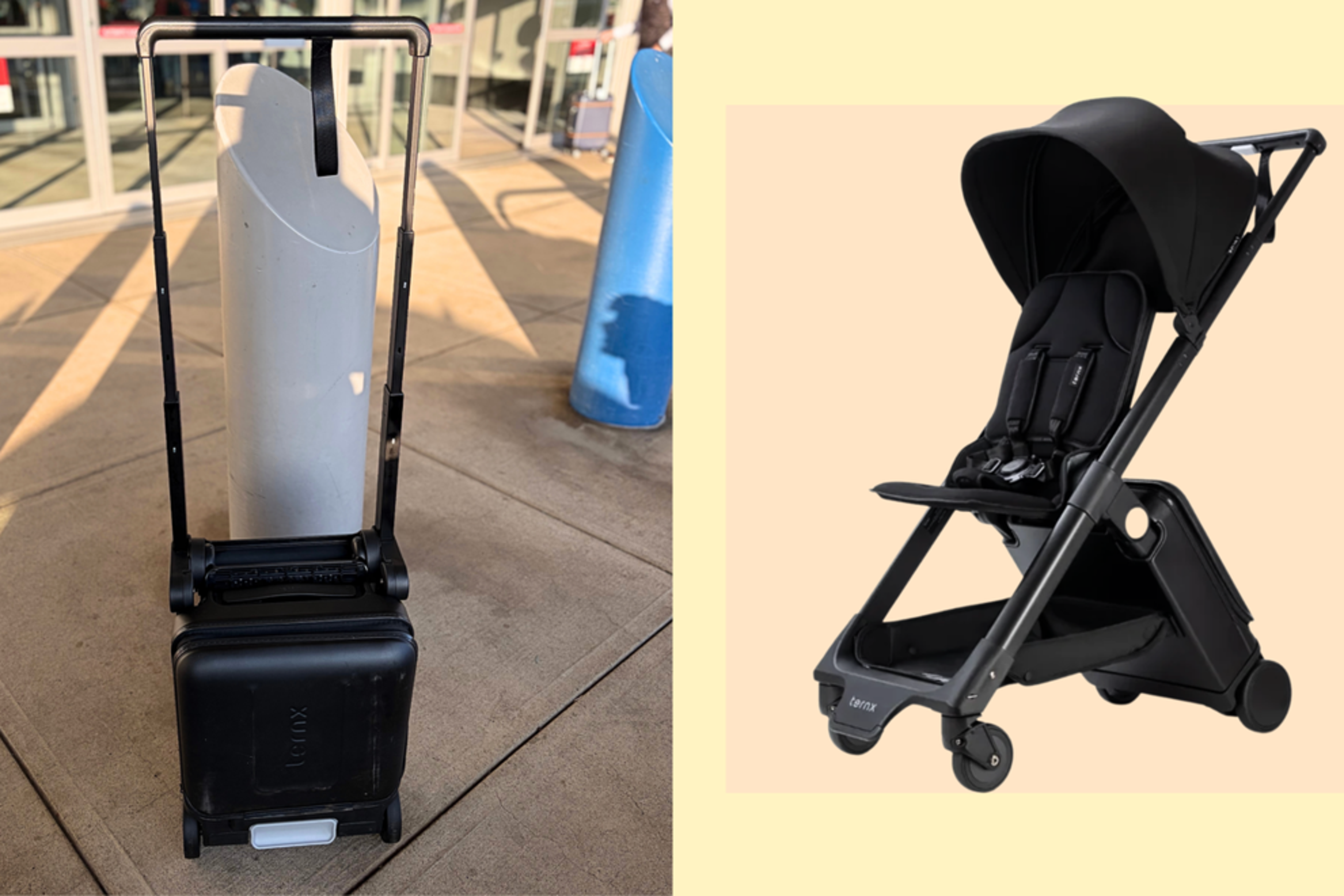
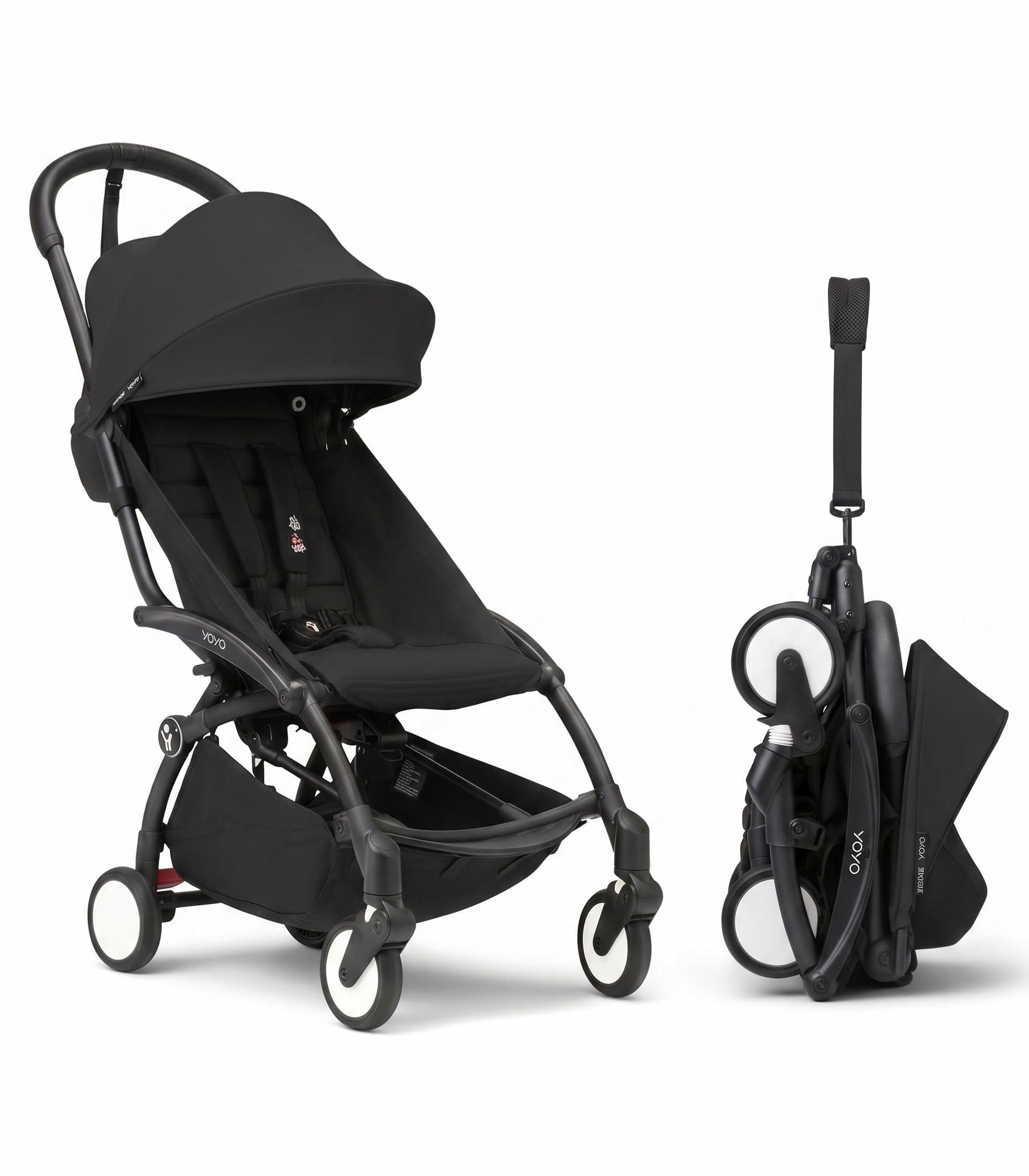
A travel stroller is a compact, lightweight stroller made for trips, errands, and tight spaces. It usually folds smaller than a full-size stroller and weighs less. Many models fit in an airplane overhead bin, though airline rules differ.
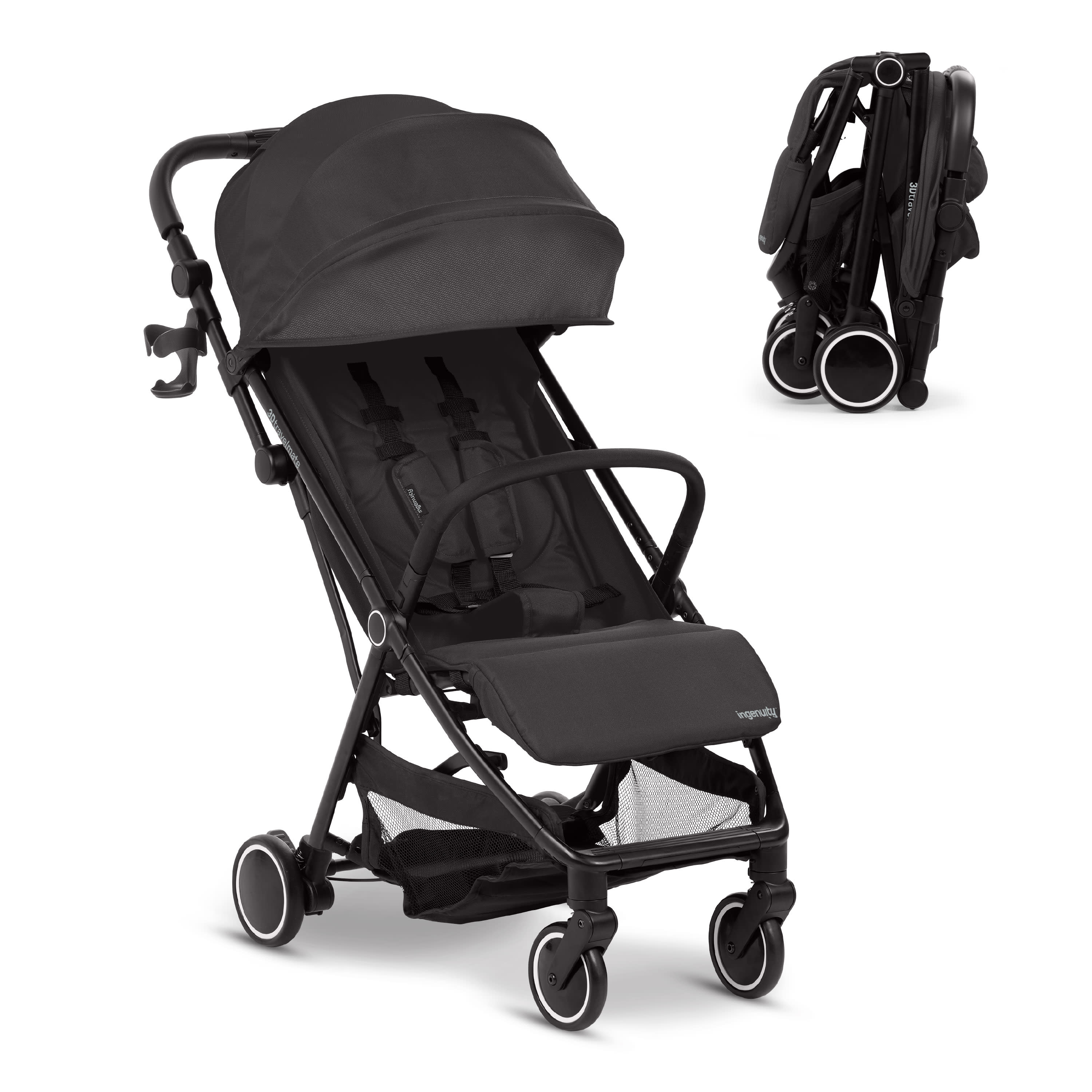
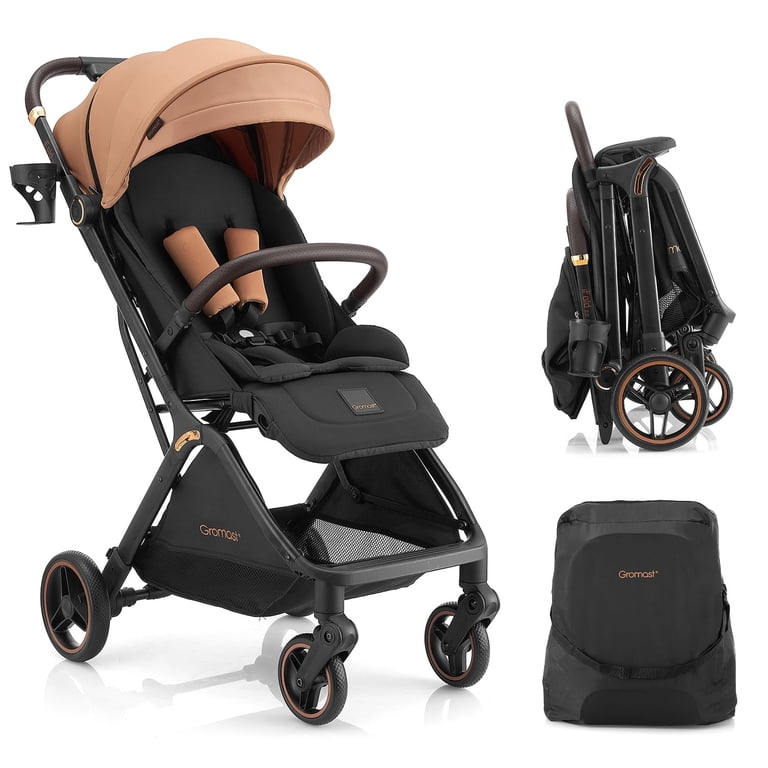
Some travel strollers fold like an umbrella. Others fold into a small square with one hand. Many have a sun canopy, a small storage basket, a reclining seat, and a carry strap or travel bag.
The best travel stroller is not always the smallest one. It must also be safe, easy to push, comfortable for your child, and strong enough for the places you plan to visit.
Is a Travel Stroller Worth It for Most Families?
For many parents, is a travel stroller worth it comes down to convenience. A compact stroller can make airports, museums, city streets, theme parks, and hotel halls much easier to manage.
A full-size stroller often feels like carrying a large suitcase with wheels. It may offer better storage and comfort, but it can be hard to lift, fold, or fit into a small car. A travel stroller works more like a small day bag: it gives you less space, but it is easier to carry.
A travel stroller may be worth buying if you:
• Fly or take road trips several times a year
• Use public transport often
• Live in a small home or apartment
• Need a stroller for restaurants, stores, or crowded places
• Have a child who still gets tired while walking
• Want a backup stroller for grandparents or caregivers
A travel stroller may not be worth it if your family rarely travels, your child is almost done using a stroller, or your current stroller already folds easily and travels well.
Main Benefits of a Travel Stroller
A compact stroller can solve several common travel problems. It does not replace every full-size stroller, but it can make travel less tiring for both parent and child.
Easier airport travel
Airports involve long walks, security lines, tight aisles, and sudden schedule changes. A stroller gives your child a place to rest while you handle luggage and documents.
Some compact models fit in the overhead compartment. Others must be gate-checked. Always confirm the stroller’s folded size with your airline because aircraft storage space can vary.
Less weight to carry
Many travel strollers weigh between about 10 and 18 pounds. The exact weight depends on the frame, wheels, seat, and safety features.
A lighter stroller is easier to lift into a car trunk or carry up hotel stairs. However, very light models may have smaller wheels and less padding. The lightest option is not always the most useful option.
Better for crowded places
Travel strollers often have a narrow frame. This helps when moving through narrow shops, busy sidewalks, trains, and restaurant aisles.
A smaller frame also takes less space in a rental car. This matters when you are already carrying luggage, a car seat, snacks, and toys.
More independence for parents
A stroller can reduce the need to carry a tired child. It also gives parents a place to store small items such as diapers, water bottles, and light jackets.
Still, do not overload the basket or hang heavy bags from the handles. Extra weight can make the stroller unstable.
Possible Drawbacks to Consider
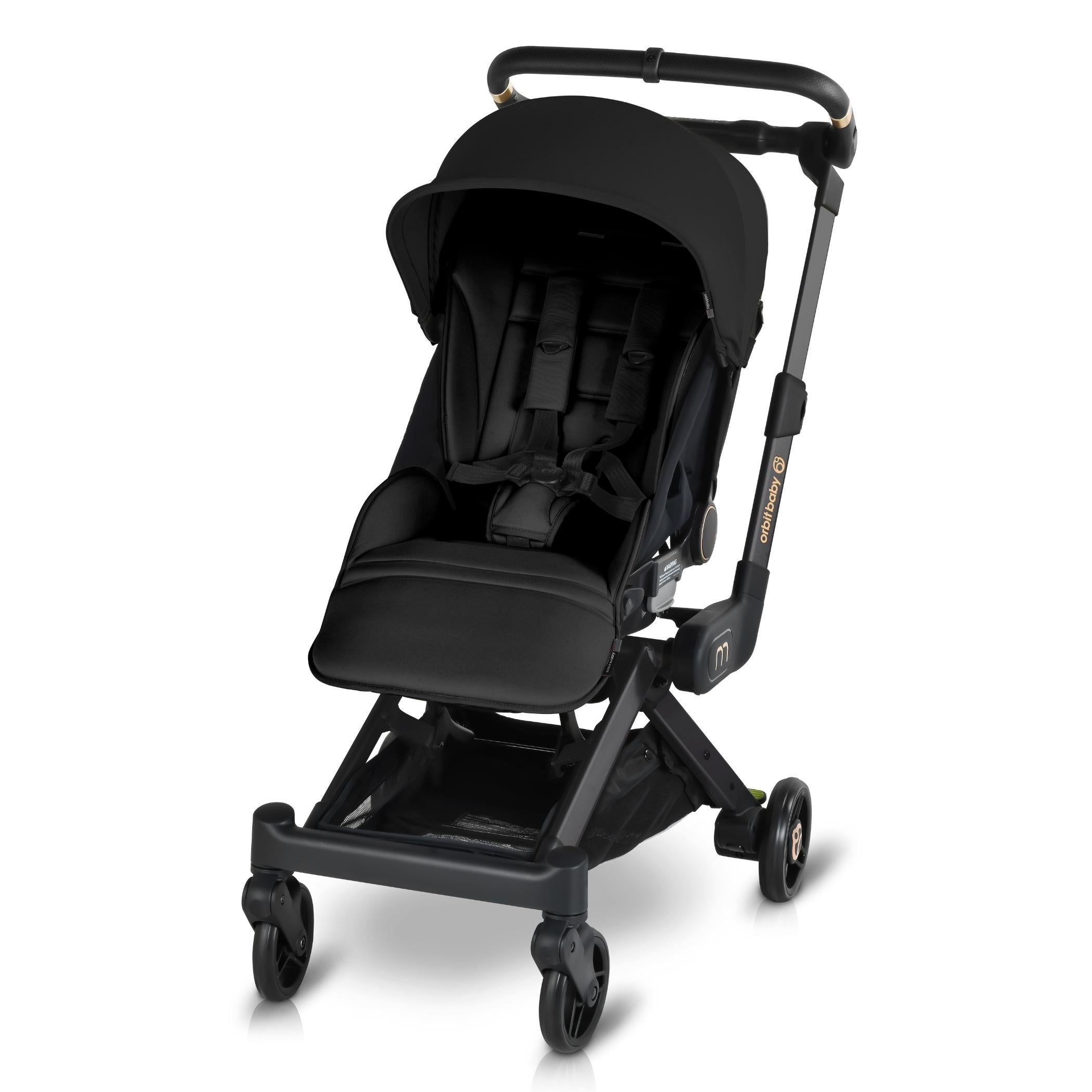
A travel stroller has limits. Understanding them helps you avoid buying a product that looks good online but fails during a real trip.
Smaller wheels
Compact strollers often have small wheels. They work well on smooth floors, sidewalks, malls, and paved paths. They may struggle on sand, gravel, cobblestones, snow, and rough grass.
If your trip includes old city streets or outdoor trails, look for larger wheels and good suspension. A stroller that rolls well in a store may not perform well on uneven ground.
Less storage
A small stroller usually has a small basket. You may not fit a full diaper bag, shopping bags, and a jacket underneath.
Pack only what you need. A small backpack can carry items that do not fit in the stroller.
Limited recline
Some travel strollers have a deep recline for naps. Others only lean back slightly. Check the recline angle if your child sleeps during walks.
Newborns need special care. Many compact strollers are not safe for newborn use unless they include an approved bassinet or work with a compatible infant car seat. Follow the product instructions and age limits.
Less cushioning
A lightweight frame may mean less padding. For short walks, this may not matter. For long sightseeing days, a well-padded seat, adjustable footrest, and ventilated back can make a major difference.
Smaller sun canopy
A short canopy may not protect your child well from bright sun. Look for a canopy with an extendable panel, peekaboo window, and strong coverage.
Who Should Buy a Travel Stroller?
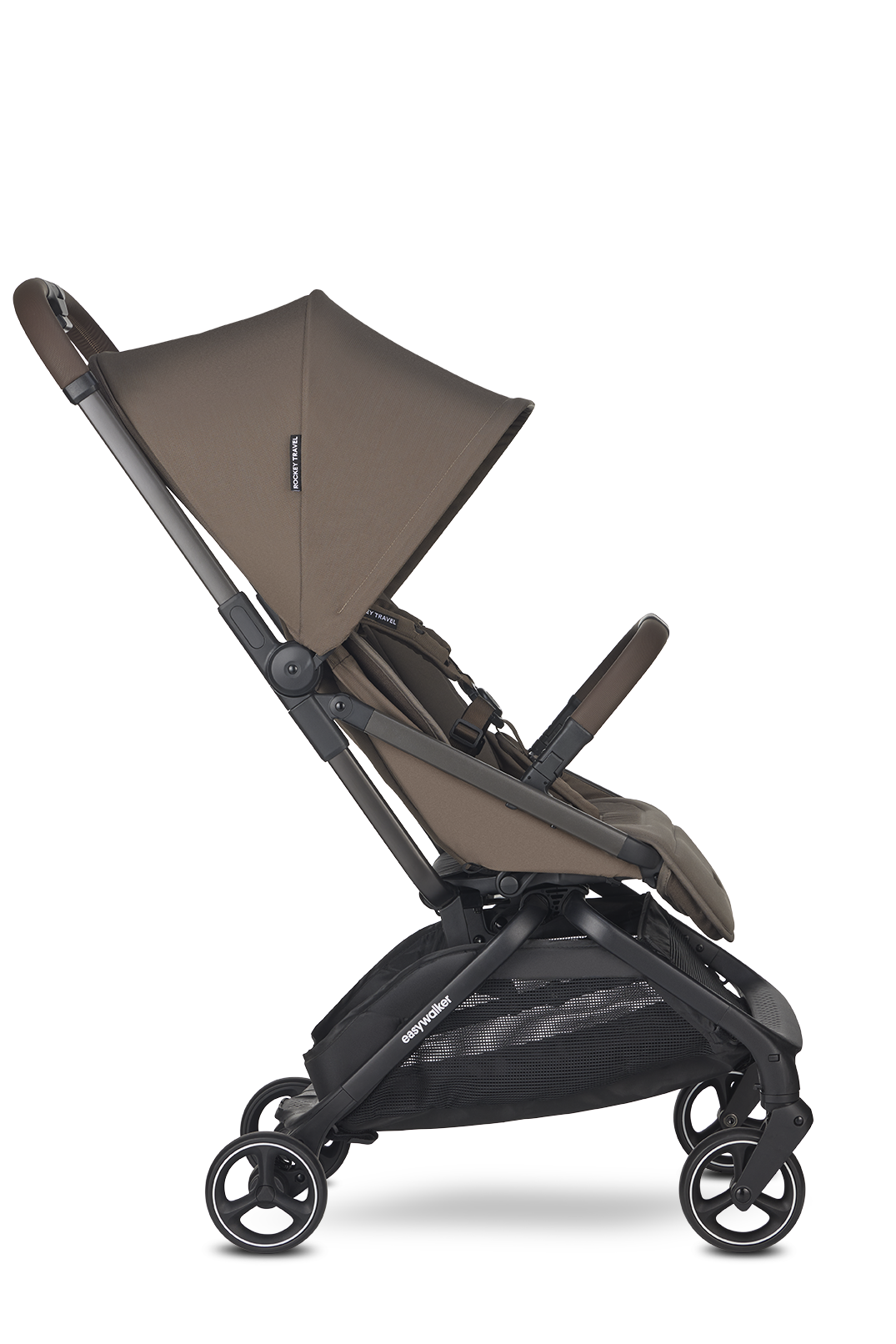
The answer to is a travel stroller worth it is often yes for families with frequent movement. It can be especially useful for parents who travel by plane, train, bus, or rideshare.
A travel stroller can help in these situations:
• You take two or more trips each year
• You visit large cities with lots of walking
• You use a stroller at home but dislike moving a large model
• You have twins or multiple young children and need a compact backup
• You visit amusement parks, zoos, or museums
• You need a stroller for a child who tires quickly
• You often move between car, sidewalk, and indoor spaces
It may not be the best choice for families who spend most of their time on rough trails or unpaved roads. A rugged full-size stroller may offer better performance and comfort in that setting.
Your child’s age also matters. A toddler who walks most of the day may need a stroller only for rest periods. In that case, a compact model can be more practical than a large everyday stroller.

Features That Matter Most
Choosing the right features is more important than choosing the lowest weight. A useful travel stroller should make your trip easier, not create new problems.
Safe harness
Look for a secure five-point harness. It should fit snugly and adjust as your child grows. The buckle should be easy for an adult to open but difficult for a young child.
Check that the stroller meets current safety standards in your market. In the United States, the Consumer Product Safety Commission regulates stroller safety rules, including requirements related to restraints and stability.
One-hand fold
A one-hand fold can help when you are holding your child or a bag. Test the fold before your trip. Some strollers claim to fold with one hand but require two hands in real use.
Also check whether the stroller stays folded. A self-standing design can keep the frame off dirty floors.
Folded size
Measure the folded stroller, including wheels and handles. Compare those measurements with your airline’s cabin baggage rules if you hope to take it onboard.
Do not assume that a stroller marketed as “cabin size” will fit every plane. Smaller regional aircraft may have less overhead space.
Reclining seat
A multi-position recline is useful for naps. Make sure the adjustment is smooth and does not pinch your child’s fingers.
Adjustable handlebar
An adjustable handlebar can improve comfort for taller parents. Fixed handles may work well, but they can cause awkward posture during long walks.
Brake and wheel quality
Test the brake on a slope and flat ground. The stroller should stop firmly and stay still. Swivel front wheels help with turns, while lockable wheels can improve control on rough paths.
Travel bag
A travel bag protects the stroller from dirt and scratches. It can also make gate checking easier. Choose a bag with strong fabric, a clear label area, and comfortable straps.
How Much Should You Spend?
Travel stroller prices range from low-cost basic models to premium options with better wheels, padding, and folding systems. A higher price does not guarantee a better match for your family.
A budget model may work well for short trips and occasional use. A mid-range stroller often offers a useful balance of weight, comfort, and durability. Premium models may be worth the cost if you travel often and need smoother handling.
Before buying, compare:
• Weight
• Folded dimensions
• Child weight limit
• Recline positions
• Canopy coverage
• Basket size
• Wheel performance
• Warranty terms
• Replacement parts
• Airline and gate-check needs
Consider the cost per use. If you buy a $200 stroller and use it for 40 travel days, that equals $5 per travel day before considering future use. Frequent use can make a durable model more valuable than a cheaper stroller that breaks or becomes uncomfortable.

Travel Stroller vs. Full-Size Stroller
A full-size stroller usually offers a larger seat, better suspension, more storage, and stronger wheels. It may also support a bassinet or infant car seat. These features are useful for everyday walks and long outings.
A travel stroller is usually lighter and easier to fold. It fits better in small spaces and reduces the effort of moving through airports or busy streets.
Many families use both. The full-size stroller stays at home for daily use, while the travel stroller handles trips and quick errands. This two-stroller setup can be practical if you have the budget and storage space.
If you want only one stroller, choose based on your main use. A compact stroller may work as an everyday option in a city. A full-size model may be better for suburban walks, uneven paths, and newborn use.
Tips for Using a Travel Stroller Safely
A travel stroller is useful, but safe use still matters. Read the manual before your first trip and practice folding the stroller at home.
Follow these steps:
- Check the harness before every outing.
- Lock the wheels before placing your child in the seat.
- Keep the child within the recommended weight and height limits.
- Do not hang heavy bags from the handles.
- Use the parking brake on slopes, trains, and busy areas.
- Keep fingers away from folding joints.
- Inspect wheels, brakes, and fasteners after flights.
- Keep the stroller away from escalators.
- Use elevators or approved ramps when possible.
- Never leave your child unattended.
Strollers are not always suitable for sleep. If your child falls asleep during a walk, monitor the position and move the child to a safe sleep space when practical. The American Academy of Pediatrics recommends a firm, flat sleep surface for routine infant sleep.
Mistakes Parents Often Make
One common mistake is buying the smallest stroller without checking comfort. A tiny fold is useful, but a poor seat and weak wheels can make a long day miserable.
Another mistake is waiting until the airport to learn how the stroller folds. Practice with one hand, with the canopy closed, and with the storage basket empty.
Parents also forget to measure their car trunk. A stroller may fit in an overhead compartment but still take up too much room beside luggage. Measure before buying.
Finally, do not rely only on online ratings. Read reviews from families with children of a similar age and look for comments about wheels, recline, folding, and long-term wear.
A Practical Decision Guide
If you are still asking is a travel stroller worth it, use this simple guide.
Buy one if:
• You travel often
• Your child still naps or tires during outings
• You use public transportation
• You need a small stroller for a small car
• Your current stroller is heavy or difficult to fold
• You visit crowded places often
Skip it for now if:
• You rarely travel
• Your child walks comfortably for long periods
• Your current stroller already meets your travel needs
• You mainly use rough trails
• Your child is close to outgrowing strollers
• Buying one would strain your budget
You can also rent a stroller at your destination. This may be useful for a one-time trip, but rental quality, cleanliness, availability, and safety checks can vary. Confirm the model and condition before relying on this option.
Frequently Asked Questions About Is a Travel Stroller Worth It
Is a travel stroller worth it for one vacation?
It can be worth it if the trip includes long walks, airports, or crowded attractions. For a short trip with little walking, renting or using your current stroller may cost less.
Can a travel stroller go on an airplane?
Some compact strollers can fit in an overhead bin, but approval depends on the stroller size, aircraft, and airline. Many strollers are gate-checked instead, so confirm the rules before flying.
What age is best for a travel stroller?
The right age depends on the stroller’s instructions and your child’s needs. Many models suit toddlers, while newborns need a stroller approved for infant use or a compatible bassinet or car seat.
Are travel strollers safe for everyday use?
Many are safe for daily use when used within their weight limits and according to the manual. However, some have smaller wheels, less padding, and less storage than full-size strollers.
Do travel strollers recline for naps?
Some models offer a deep recline, while others provide only a small tilt. Check the recline position, harness, canopy, and manufacturer’s sleep guidance before choosing one for nap-heavy trips.
Are expensive travel strollers better?
Not always. Higher-priced models often offer better materials, wheels, warranties, and comfort, but the best stroller is the one that matches your child, travel plans, and budget.
Can a travel stroller replace a regular stroller?
It can replace a regular stroller for some city families and older toddlers. Families who need large storage, strong suspension, newborn support, or all-terrain wheels may still prefer a full-size model.
Conclusion
So, is a travel stroller worth it? For families who travel, walk through busy places, or need a light stroller for small spaces, it can be one of the most useful baby gear purchases. Its main benefits are easy folding, lower weight, and simple transport.
The trade-offs include smaller wheels, limited storage, less padding, and fewer features. Before buying, check the folded size, weight limit, recline, safety harness, wheels, canopy, and warranty.
Think about your real trips rather than the marketing photos. Test the fold, measure your car, and choose comfort and safety over the smallest possible size. Explore trusted stroller reviews and airline rules, then pick the model that makes your next journey calmer and easier.