
Babies get hiccups in the womb because swallowing amniotic fluid stimulates their developing diaphragm and breathing muscles.
Feeling small, steady taps can be surprising, especially during a first pregnancy. If you have wondered why do babies get hiccups in the womb, the answer usually involves normal fetal development rather than a problem. This guide explains what fetal hiccups feel like, why they happen, when they are normal, and which signs deserve a call to your health care provider.

What Are Hiccups in the Womb?
Fetal hiccups are small, repeated movements caused by contractions of a baby’s diaphragm. The diaphragm is the thin muscle below the lungs that helps the body breathe after birth.
Before birth, a baby does not breathe air. Instead, the placenta supplies oxygen through the umbilical cord. Still, the baby practices breathing movements by moving fluid in and out of the developing lungs. These practice movements help prepare the respiratory system for life outside the womb.
When the diaphragm contracts suddenly, it can create a rhythmic jerk. You may feel this as a gentle tap in one area of your belly. Unlike a kick or roll, fetal hiccups often come at regular intervals and continue for several minutes.
The answer to why do babies get hiccups in the womb is linked to normal reflexes. A baby may swallow amniotic fluid, move the chest, or practice breathing, and these actions can trigger the diaphragm.

Why Do Babies Get Hiccups in the Womb?
There is no single proven cause for every episode. Researchers and maternal health experts believe fetal hiccups result from a mix of swallowing, breathing practice, and nervous system development.
Swallowing amniotic fluid
Babies regularly swallow amniotic fluid. This helps the digestive system grow and function. Sometimes, the swallowing action irritates or activates the diaphragm, leading to a short bout of hiccups.
This process is similar to what happens after birth when a baby swallows milk or air. The fetal version is simply taking place in a fluid-filled environment.
Practicing breathing movements
A developing baby makes breathing-like motions long before taking the first breath. These movements help the chest, diaphragm, lungs, and brain work together.
The lungs remain filled with fluid during pregnancy. That fluid supports lung growth and allows the baby to rehearse the muscle patterns needed for breathing after delivery.
Developing reflexes
Hiccups involve a reflex pathway between the brain, nerves, and diaphragm. As the fetal nervous system matures, these pathways become more active.
This is one reason fetal hiccups may become easier to notice during the second half of pregnancy. The movements are not necessarily stronger because something is wrong. They may simply be easier for you to detect.
Normal fetal activity
Fetal hiccups can occur after a baby changes position or becomes more active. They may also happen when the baby swallows more fluid.
Although people often ask why do babies get hiccups in the womb as if the event has one clear trigger, the exact cause can vary. Current evidence supports a normal developmental explanation, but it does not prove that every episode has the same cause.

When Do Babies Get Hiccups in the Womb?
Some babies may begin making hiccup-like movements near the end of the first trimester or during the early second trimester. However, most parents do not feel them until about the middle of pregnancy or later.
Timing varies based on several factors:
• The baby’s position
• The location of the placenta
• The amount of amniotic fluid
• The mother’s body shape
• Whether this is a first or later pregnancy
• How sensitive the parent is to small movements
A placenta at the front of the uterus can cushion movement. In that case, you may feel fetal hiccups later or less clearly.
Many parents notice hiccups in the evening when they are resting. This does not always mean the baby is more active at night. When your body is still, small movements are easier to recognize.
A useful example is a steady tapping sensation on one side of the abdomen. If it repeats at the same pace for a few minutes, it may be fetal hiccups rather than random kicks.

What Do Fetal Hiccups Feel Like?
Fetal hiccups often feel like a soft, repeated pulse. The movement may occur every few seconds and stay in one location.
Parents commonly describe them as:
• Tiny rhythmic taps
• A gentle twitch
• A regular pulsing feeling
• A repeated bump under the ribs or lower abdomen
Fetal hiccups may last for a few minutes. Some episodes are shorter, while others may continue for 10 minutes or more. A baby can also have several episodes in one day.
Kicks and rolls usually change location or strength. Hiccups tend to stay regular and focused in one spot. However, it is not always possible to tell the difference with certainty, especially early in pregnancy.
If you are unsure what you feel, mention it at a prenatal visit. A clinician can explain what is typical for your stage of pregnancy and review your baby’s movement pattern.
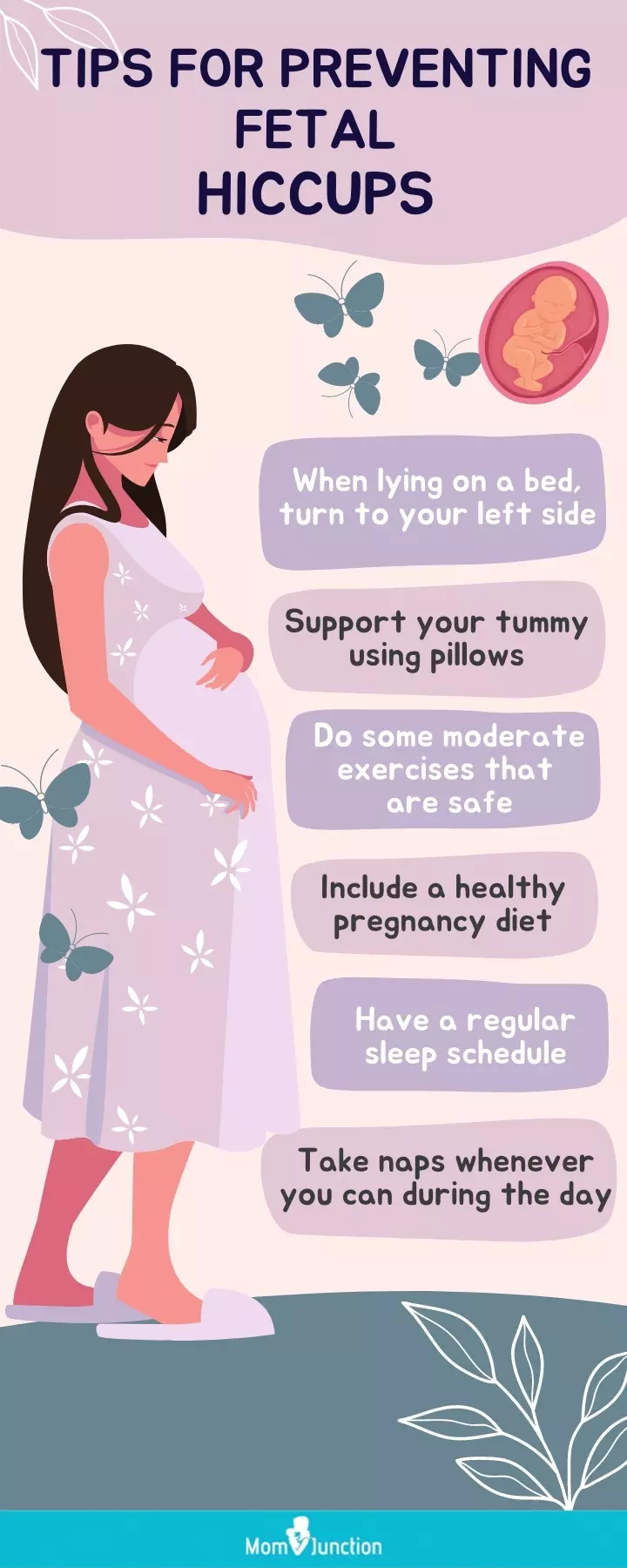
Are Hiccups in the Womb Normal?
In most cases, fetal hiccups are normal. They are often viewed as a sign that the diaphragm, nervous system, and swallowing reflexes are developing.
Medical professionals do not use hiccups alone to measure fetal health. A baby can be healthy with frequent hiccups, occasional hiccups, or no noticeable hiccups at all.
This point is important because online discussions can make parents worry that frequent fetal hiccups always signal a cord problem. Research has not established that ordinary hiccups prove umbilical cord compression or another complication.
The safest approach is to look at the entire pattern of fetal movement, not one type of movement. Your prenatal appointments, ultrasound scans, and movement checks provide more useful information about well-being.
What experts look for
During prenatal care, clinicians may assess:
• Fetal growth
• Heart rate
• Amniotic fluid levels
• Placental health
• Blood flow when needed
• Overall movement
If a scan or examination raises concern, your provider may order additional monitoring. Fetal hiccups by themselves usually do not require treatment.

Can Fetal Hiccups Mean Something Is Wrong?
Usually, no. The common explanation for why do babies get hiccups in the womb is normal diaphragm activity during development.
Still, no symptom should be viewed in isolation. Call your health care provider if you notice a clear decrease in your baby’s usual movement, a major change in the pattern, vaginal bleeding, fluid leakage, painful contractions, or severe abdominal pain.
Do not wait for hiccups to replace a movement check. Hiccups are involuntary and do not count as a complete measure of normal fetal activity.
Your provider may recommend a specific method for tracking movement, often called kick counting. Follow the method given by your obstetrician, midwife, or maternity unit because advice can vary by pregnancy and gestational age.
A practical safety rule
If your baby usually moves at certain times and suddenly becomes much less active, contact your maternity care team. Drink, eat, rest, or change position only if your provider has already suggested those steps. These actions should not delay urgent advice when movement is clearly reduced.

Fetal Hiccups and Umbilical Cord Concerns
Many parents worry that hiccups are caused by an umbilical cord wrapped around the baby’s neck. This concern is understandable, but hiccups do not reliably show whether the cord is wrapped, compressed, or completely free.
Umbilical cord loops are common. In many cases, they cause no harm because the cord contains a protective, jelly-like tissue that helps cushion its blood vessels.
The important limitation is that fetal hiccups cannot diagnose a cord complication. Only appropriate prenatal assessment can evaluate concerns about blood flow, heart rate, growth, or cord position.
If you search why do babies get hiccups in the womb, you may find alarming claims online. Treat unsupported claims with caution. A regular series of taps is not, by itself, proof of distress.

Do Fetal Hiccups Have Benefits?
Hiccups are not a treatment or a health benefit in the usual sense. They are more accurately viewed as a byproduct of normal development.
They may reflect activity in systems that the baby will need after birth:
• The diaphragm is practicing contraction.
• The nervous system is coordinating a reflex.
• The swallowing system is handling amniotic fluid.
• The lungs are rehearsing breathing movements.
However, experts cannot use hiccups to confirm that these systems are developing perfectly. A baby can develop normally without noticeable hiccups, and frequent hiccups do not guarantee advanced development.
Think of fetal hiccups like a rehearsal, not a report card. They show movement, but they cannot grade the whole pregnancy.
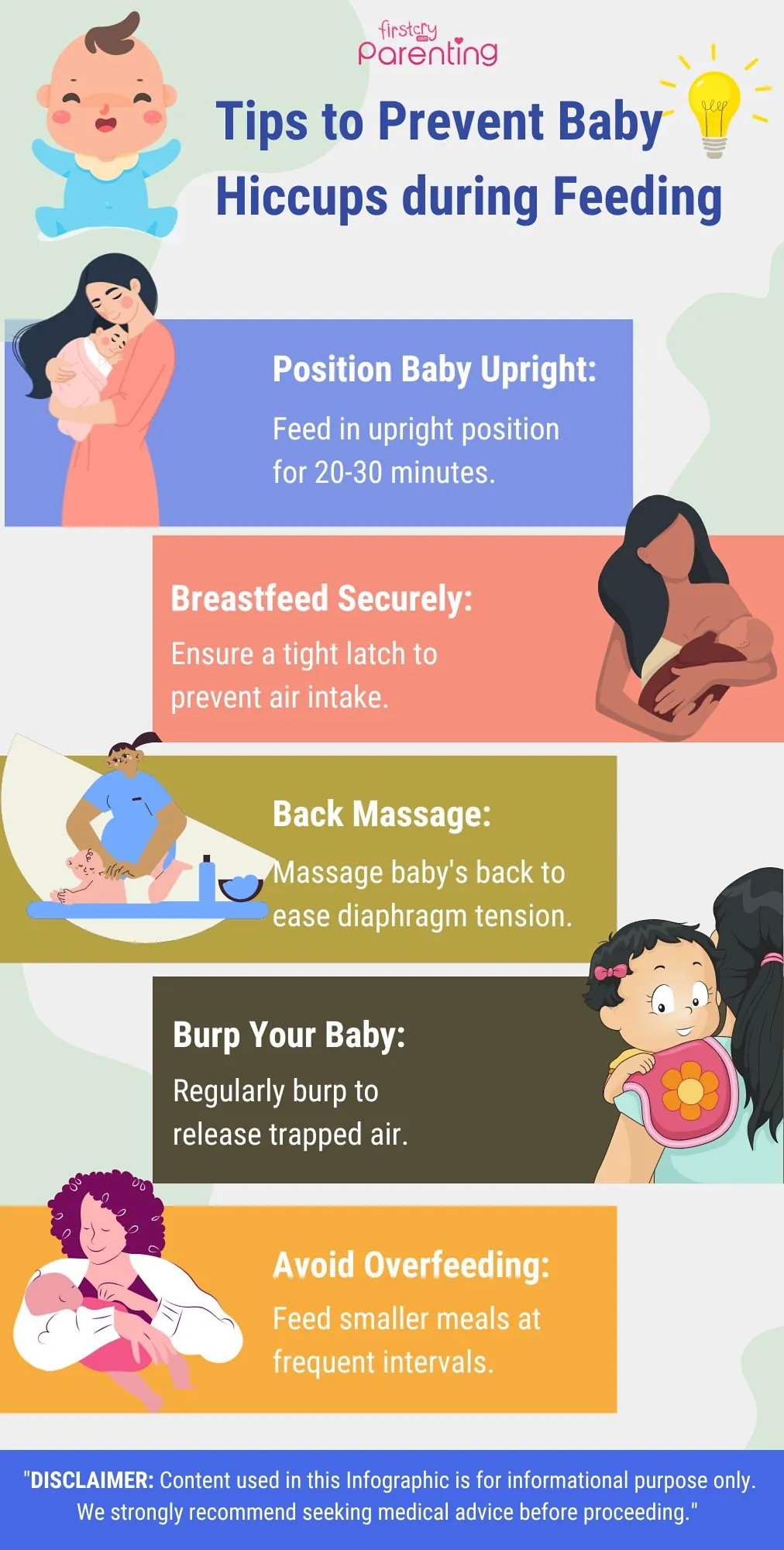
How to Track Fetal Movement Safely
Fetal movement usually becomes more consistent between 28 and 32 weeks, although each pregnancy differs. Before that time, movement may be irregular.
Use these steps if your clinician recommends movement tracking:
Choose a time when your baby is often active.
Sit quietly or lie on your side.
Notice movements such as kicks, rolls, swishes, and stretches.
Record the time and number of movements if your provider gives you a counting method.
Contact your health care team if movement is clearly lower than usual.
Do not count only hiccups. Hiccups are repetitive, but they are different from voluntary movements such as kicks and rolls.
A common mistake is to compare your pregnancy with a friend’s pregnancy. Babies have different patterns, and the placenta can change how much movement you feel. Your baby’s usual pattern is the most useful guide.
What I Tell Parents About Fetal Hiccups
A practical lesson from prenatal education is that parents often notice one new sensation and immediately search for the worst possible explanation. That reaction is human, especially when every movement feels important.
A steady tapping pattern is usually a normal part of pregnancy. The better question is not only why do babies get hiccups in the womb, but also whether your baby’s overall movement pattern has changed.
Another lesson is to avoid using internet stories as a diagnosis. A story about a serious complication may sound similar to your experience but still have a completely different medical cause.
When in doubt, contact your prenatal care team. Asking a question is not overreacting. It is a safe and sensible part of pregnancy care.
When to Contact Your Health Care Provider
Contact your provider or maternity unit promptly if you have:
• A noticeable decrease in fetal movement
• No movement when your baby is usually active
• Vaginal bleeding
• Fluid leaking from the vagina
• Regular painful contractions before your due date
• Severe or lasting abdominal pain
• Severe headache, vision changes, or sudden swelling
• Any strong concern that something feels wrong
Fetal hiccups alone are rarely an emergency. A change in normal movement or other warning signs deserves medical advice.
If you are less than 20 weeks pregnant, movement may not yet follow a clear pattern. Even then, you can still contact your provider if you have concerns.
Frequently Asked Questions About Why Do Babies Get Hiccups in the Womb
Why do babies get hiccups in the womb?
Babies usually get hiccups because their developing diaphragm contracts during swallowing or breathing practice. Their nervous system is also learning to control the reflex involved in hiccups.
Are fetal hiccups a sign of a healthy baby?
Fetal hiccups are usually normal, but they cannot confirm overall fetal health. Health care providers assess growth, heart rate, movement, fluid, and other findings rather than relying on hiccups alone.
How long do hiccups in the womb last?
An episode may last a few minutes, though timing varies. Some babies have brief episodes, while others may hiccup for 10 minutes or longer.
Can fetal hiccups mean the umbilical cord is wrapped around the baby?
Hiccups do not reliably show that the umbilical cord is wrapped around the baby’s neck. Only prenatal monitoring and imaging, when needed, can assess concerns related to the cord and fetal well-being.
Should I count fetal hiccups as kicks?
No. Hiccups are involuntary and rhythmic, while movement counting usually focuses on kicks, rolls, swishes, and stretches. Follow the movement-counting instructions provided by your prenatal care team.
Should I call my doctor about frequent fetal hiccups?
Frequent hiccups alone are usually not a reason for alarm. Call your provider if they occur with reduced movement, bleeding, fluid leakage, pain, contractions, or another concerning change.
Can babies get hiccups before birth?
Yes. Hiccup-like movements may begin during the first or second trimester, but many parents do not feel them until later. The timing depends on fetal position, placental location, and individual sensitivity.
Conclusion
Babies get hiccups in the womb because their developing diaphragm and nervous system are practicing reflexes linked to swallowing and breathing. These rhythmic taps are usually normal and may last for a few minutes.
Hiccups do not diagnose fetal health, cord problems, or pregnancy complications. Pay closer attention to your baby’s usual movement pattern and contact your health care provider if movement decreases or other warning signs appear.
Save this guide for later, share it with another expectant parent, and bring any pregnancy concerns to your prenatal care team.