Yes, you can use a travel stroller every day if it fits your child, routes, and daily routine.
The answer to “can you use a travel stroller for everyday” depends on more than its small size. Wheel type, seat comfort, storage, recline, safety features, and your usual roads all matter. After comparing how compact strollers perform on errands, sidewalks, public transit, and family trips, I find that the right travel stroller can be a practical daily tool. However, some models are better as backup strollers than as your child’s main ride.
Can You Use a Travel Stroller for Everyday Use?
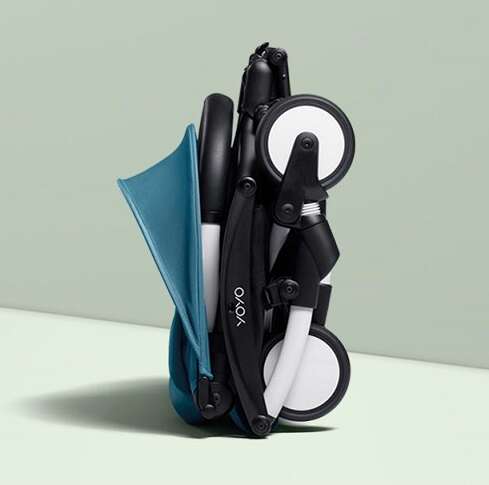
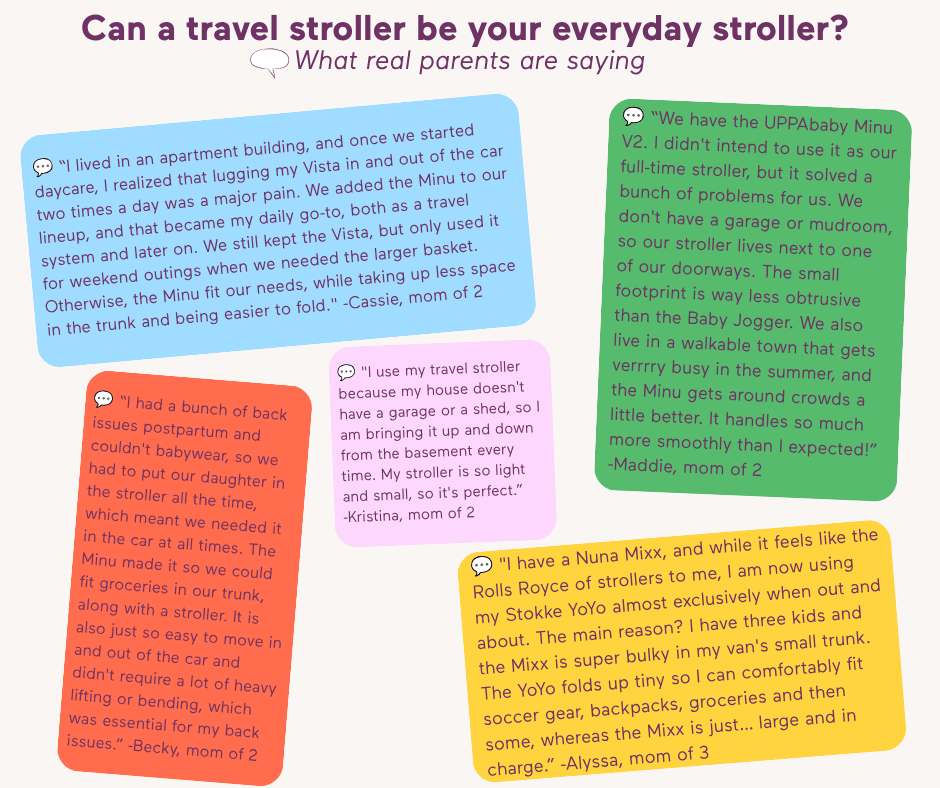
Yes, you can use a travel stroller for everyday use. A travel stroller is often light, easy to fold, and simple to carry. These features can make daily trips much easier, especially if you live in an apartment, use buses, or carry the stroller up stairs.
Still, a travel stroller is not automatically a full-time stroller. Many models have small wheels, limited storage, a shorter seat, and less padding than full-size strollers. These limits may become clear when you use the stroller for long walks or rough paths.
Think of a travel stroller like a small city car. It may be perfect for narrow streets and quick trips, but it may not feel as smooth on rough trails. The best choice depends on your child’s age, size, comfort, and your daily habits.
For everyday use, check these points:
• The stroller supports your child’s current weight and height.
• The seat offers enough back and leg support.
• The wheels roll well on the surfaces you use most.
• The stroller has a secure five-point harness.
• The fold is easy enough for your routine.
• The basket holds basic items without making the stroller unstable.
• The canopy gives useful sun protection.
When a Travel Stroller Works Well Every Day
A travel stroller can work very well as an everyday stroller in the right setting. It is especially useful for parents who need to save space or move quickly.
City living and public transportation
Small travel strollers are useful on crowded sidewalks, trains, buses, and busy store aisles. Their narrow frames can fit through tight spaces. A light stroller is also easier to lift into a car trunk or carry over subway steps.
If you walk on smooth pavement, a compact stroller may give you all the performance you need. Many city parents prefer a stroller that folds quickly rather than one with large wheels and a heavy frame.
Short errands and quick walks
A travel stroller is a strong choice for grocery runs, daycare pickup, shopping trips, and short visits. You may not need a large basket or deep recline for these activities.
It also works well as a second stroller. Some families keep a full-size stroller at home and a travel stroller in the car. Others use one compact stroller for nearly everything.
Homes with limited storage
A full-size stroller can take up a surprising amount of room. A travel stroller may fit in a closet, under a bed, or behind a door. This matters in apartments, dorm-style housing, and smaller homes.
One lesson I often hear from parents is that a stroller used often must be easy to store. A stroller that is hard to unfold may stay unused, even if it has excellent features.
Travel-heavy routines
If you fly or travel often, an everyday travel stroller can reduce the need to switch between models. You already know how it folds, how the harness works, and where the basket sits.
Using one familiar stroller can also help your child feel comfortable. Familiar gear can make airport days, hotel stays, and new places less stressful.

When a Travel Stroller May Not Be Enough
The question “can you use a travel stroller for everyday” becomes more complex when your routine includes rough ground, long walks, or a growing child. A compact design often requires a few trade-offs.
Rough sidewalks and uneven paths
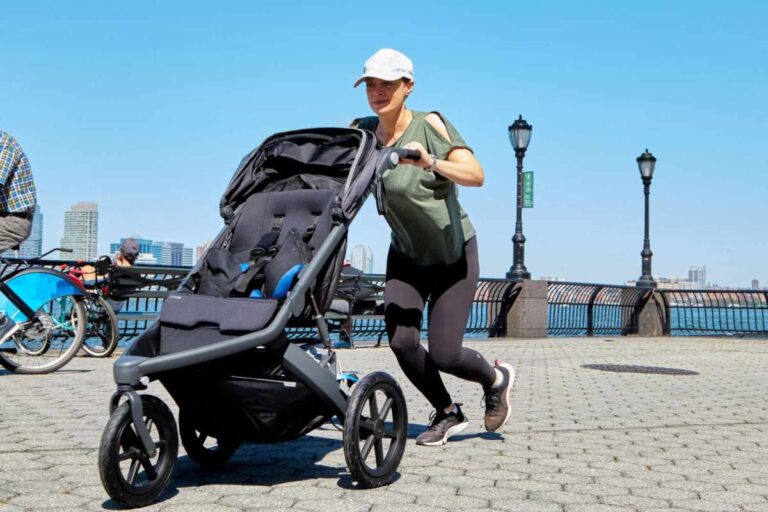
Small wheels can struggle on grass, gravel, cracked pavement, sand, and snow. The stroller may shake more, feel harder to steer, or tip backward if you hang a heavy bag from the handle.
If your neighborhood has poor sidewalks, look for larger wheels, strong suspension, and a sturdy frame. A slightly heavier compact stroller may be more comfortable than an ultra-light model.
Long walks
Travel strollers often have less padding and shorter seats. Your child may be comfortable for a 20-minute errand but unhappy after two hours outside.
For long walks, look for:
• A deep and well-padded seat
• A near-flat or full recline
• An adjustable leg rest
• A large, breathable canopy
• Good suspension
• An adjustable handlebar, if possible
Newborn use
Many travel strollers are not safe for newborns unless they clearly state that they support newborn use. Some require a compatible bassinet or infant car seat. Others are designed only for babies who can sit upright without help.
Never place a newborn in a stroller seat that lacks proper support. Follow the manufacturer’s age, weight, height, and recline rules. The American Academy of Pediatrics also advises using a properly fitted harness and avoiding loose items in the sleep space.
Larger or older toddlers
A small seat may become uncomfortable as your child grows. Check the maximum weight and height limits, but do not stop there. Look at the actual seat width, back height, footrest, and shoulder strap position.
A child can reach the weight limit while still fitting well. Another child may outgrow the seat height first. Test the fit before making a travel stroller your only everyday stroller.
Benefits of Using a Travel Stroller Daily
The biggest benefit is convenience. A stroller that is light and simple can remove small daily frustrations.
Easy folding and carrying
Many parents value a quick fold more than extra accessories. If you can fold the stroller while holding a diaper bag or guiding a toddler, it may save time every day.
A light stroller is also easier to place in a vehicle. This can matter when you make several stops or have a small trunk.
Better portability
Travel strollers are made for movement. Some fit in airplane overhead bins, although rules vary by airline and aircraft. Always check the airline’s current policy instead of assuming a stroller will be accepted in the cabin.
Less bulk
A compact stroller leaves more room for groceries, luggage, sports gear, or another passenger. It also takes up less space in restaurants and stores.
Simple daily care
Many travel strollers have fewer parts than larger models. A simple design can be easier to wipe clean and inspect. This is useful when snacks, mud, and spilled drinks become part of normal family life.
Useful for caregivers
Grandparents, babysitters, and older children may find a light stroller easier to handle. A stroller that is simple to open and close is more likely to be used correctly.
Drawbacks to Consider Before Daily Use
A travel stroller can be practical, but it is not perfect for every family. Knowing the drawbacks helps you make a better choice.
Limited storage
The basket may hold only a small diaper bag or a few groceries. Avoid hanging heavy bags from the handle. Extra weight can affect balance and increase the risk of tipping.
Use the basket for heavier items when the manufacturer allows it. Keep the total load within the stated limit.
Less suspension
A lightweight frame may transfer more bumps to your child. This is not always a safety problem, but it can affect comfort and naps.
If your child sleeps in the stroller, pay close attention to the recline and support. A smooth ride may matter more than saving a few extra pounds.
Smaller canopy
Some compact strollers have a short canopy. Your child may need more sun protection during summer walks. Look for a canopy with a large extension and a peekaboo window.
The canopy does not replace sunscreen, shade, a hat, or safe clothing. Babies under six months need special care with sun exposure, so ask a pediatrician for age-appropriate advice.
Less room to grow
A travel stroller may not last as long as a larger model. This is especially true when the seat is narrow or the handlebar is low for taller caregivers.
Before buying, have the adult push the stroller. Check whether your feet hit the frame and whether your back stays comfortable.

Safety Tips for Everyday Travel Stroller Use
Safety matters more than weight or style. A compact stroller still needs careful use and regular checks.
Follow these everyday safety habits:
• Use the five-point harness every time, even for short trips.
• Lock the brakes before placing your child in the seat.
• Keep fingers away from folding joints.
• Do not leave your child alone in the stroller.
• Keep the stroller away from stairs, pools, and traffic.
• Do not let a child stand on the seat or footrest.
• Use only approved accessories.
• Check that the stroller locks fully before use.
• Inspect wheels, brakes, straps, and frame parts often.
• Keep the basket load within the manufacturer’s limit.
The U.S. Consumer Product Safety Commission recommends checking strollers for recalls and following the product instructions. Stroller standards also address issues such as brakes, restraint systems, stability, and structural strength.
Do not use a stroller as a routine sleep space. If your child falls asleep during a walk, watch the child and move them to a safe sleep surface when practical. Keep blankets, pillows, and toys away from the face.
A common mistake is attaching a universal cup holder, board, or organizer without checking compatibility. An accessory may change the stroller’s balance or block the folding system. Use items made for your model whenever possible.
How to Choose a Travel Stroller for Everyday Use
If you want to use a travel stroller every day, compare it with your real routine. Do not choose only by folded size or product photos.
1. Measure your child
Check current weight and height. Then consider how quickly your child may grow. A seat with extra room can extend the stroller’s useful life.
2. Study the wheels
Small wheels are fine for smooth floors and paved sidewalks. Larger wheels and suspension are better for cracked pavement and mixed surfaces.
Spin the wheels and test the turning radius if you can. The stroller should move in a straight line without constant correction.
3. Test the recline
A recline is useful for naps and younger babies who meet the manufacturer’s requirements. Make sure the recline adjusts smoothly and supports your child’s head and back.
4. Check the handle height
A low handle can cause shoulder and back strain. If two adults will use the stroller, an adjustable handlebar may be worth the extra weight.
5. Inspect the harness
The harness should adjust without a struggle. The buckle should stay secure but be easy for an adult to release. It should not sit against your child’s neck.
6. Look at the fold
Practice folding it before buying. Try it with one hand if that is important to you. Check whether the folded stroller stands on its own and fits your storage space.
7. Review the warranty and recall history
Buy from a trusted retailer and keep the receipt. Register the stroller if the brand offers registration. This makes safety notices easier to receive.

How to Make a Travel Stroller More Comfortable Every Day
A few habits can improve the daily experience without overloading the stroller.
Use a small organizer instead of a large bag. Place heavy items low in the basket. Keep a compact rain cover, sunshade, and snack container ready if they are approved for your model.
Clean crumbs from the seat and wheels often. Check the brakes after walks in rain or sand. Follow the care instructions before using lubricant, as some products can attract dirt or damage parts.
Dress your child for the weather rather than adding thick padding. Aftermarket cushions may interfere with the harness or change how your child sits. If the original seat seems uncomfortable, contact the manufacturer before adding a new insert.
For rough paths, slow down and hold the handle with both hands. Do not pull the stroller backward over curbs unless the instructions allow it. Lift the front wheels carefully when needed, and avoid steep slopes.
My practical rule is simple: use the travel stroller for the routes it was built to handle. If your daily life includes trails, snow, or long outdoor walks, keep a more rugged stroller for those days.
Travel Stroller vs. Full-Size Stroller
A travel stroller is usually lighter, narrower, and easier to fold. A full-size stroller often offers larger wheels, stronger suspension, more storage, and a roomier seat.
Choose a travel stroller as your main stroller when:
• You mostly walk on smooth surfaces.
• You value portability and easy storage.
• Your child fits the seat comfortably.
• You take short or moderate trips.
• You do not need to carry many items.
Choose a full-size stroller when:
• You walk for long periods each day.
• Your area has rough sidewalks or uneven ground.
• You need a large basket.
• Your child naps in the stroller often.
• You want more room for growth.
• You need a bassinet or infant car seat system.
Some families need both. A full-size stroller can handle long walks, while a travel stroller can stay in the car or serve as a quick errand option. The best setup is the one that matches your actual life, not the one with the longest feature list.
Common Mistakes Parents Make
The most common mistake is buying the lightest stroller without testing the ride. A very light model may be easy to carry but difficult to push over your local sidewalks.
Another mistake is ignoring the seat size. Product weight limits do not show whether your child will have enough shoulder, hip, and leg room.
Parents also sometimes overfill the stroller. A full basket, a heavy handle bag, and a standing child can reduce stability. Keep the load low and follow the instructions.
Do not assume an overhead-bin stroller will fit every airplane bin. Aircraft space, airline rules, and crew decisions can vary. Gate-checking may still be required.
Finally, do not skip maintenance. A loose screw, worn brake, flat tire, or damaged strap can turn a convenient stroller into an unsafe one. A 30-second check before each outing is a smart habit.
Frequently Asked Questions About Can You Use a Travel Stroller for Everyday
Can you use a travel stroller for everyday walks?
Yes, you can use a travel stroller for everyday walks if the seat fits your child and the wheels suit your roads. It may be less comfortable on rough ground or very long walks than a full-size stroller.
Can a travel stroller be used from birth?
Only some travel strollers are approved for newborns. Check the manufacturer’s instructions for newborn use, minimum recline, bassinet compatibility, or infant car seat support.
Is a travel stroller safe for a toddler?
A travel stroller can be safe for a toddler when the child meets the stroller’s height and weight limits. Use the five-point harness, apply the brakes when stopped, and avoid overloading the frame.
Can you use a travel stroller on rough sidewalks?
You can, but performance depends on the wheel size and suspension. Choose larger wheels and a stronger frame if your daily route includes cracks, gravel, grass, or uneven pavement.
Are travel strollers comfortable for long walks?
Some are comfortable for long walks, but many have less padding, storage, and suspension than full-size models. Test the recline, seat depth, canopy, and wheel response before relying on one for long outings.
Can a travel stroller replace a full-size stroller?
It can replace a full-size stroller for families with short trips, smooth sidewalks, and limited storage needs. Families who walk far, carry many items, or use rough paths may prefer a full-size stroller or both types.
How long can a child use a travel stroller?
The usable period depends on the stroller’s weight, height, and seat limits. Check the manual and watch for signs that your child’s head, shoulders, or legs no longer fit comfortably.
Conclusion
So, can you use a travel stroller for everyday? Yes, if it matches your child and your routine. It can be an excellent daily choice for city trips, public transit, quick errands, smooth sidewalks, and homes with limited storage.
The main trade-offs are smaller wheels, less storage, reduced suspension, and less room to grow. Check the fit, harness, recline, wheels, handle height, fold, and safety instructions before you buy.
Test the stroller on the surfaces you use most, keep the load balanced, and inspect it often. If you have found a travel stroller that works well for daily life, share your experience or explore more stroller guides to make your next family trip easier.