
There is no fixed deadline, but newborn circumcision is usually easiest during the first few weeks of life.
Many parents ask when is it too late to get a baby circumcised, especially if the procedure was delayed because of illness, scheduling problems, or a change in family plans. The answer depends on the child’s age, health, anatomy, and the provider’s policy. This guide explains the safest timing, what changes as a child gets older, and how to plan the next step with a qualified medical professional.

When is it too late to get a baby circumcised?
It is not automatically too late to circumcise a baby after the newborn period. However, the procedure often becomes more complex with age. Many clinicians perform newborn circumcision in the first days of life, while some offer it during the first few weeks.
There is no single age that applies to every child. A pediatrician, pediatric urologist, or trained circumcision provider must assess the child before giving a clear answer.
For many families, the practical timeline looks like this:
• First few days: Circumcision may be done in the hospital if the baby is stable and the penis looks typical.
• First few weeks: Some providers still perform the procedure in an office setting, often with local anesthesia.
• After about 4 to 6 weeks: Many providers stop offering office circumcision for infants because older babies may move more and may need stronger anesthesia.
• Several months and beyond: Circumcision may still be possible, but it is often done by a pediatric urologist in an operating room.
So, when is it too late to get a baby circumcised? In most cases, there is no universal “too late” point. Instead, the procedure may require a different setting, a different type of anesthesia, and more careful planning.

Why timing matters
Newborn circumcision is usually simpler because a newborn is small, tends to move less, and may not need general anesthesia. A local anesthetic can often control pain during the procedure. The exact method depends on the baby’s age, health, and the provider’s training.
As a baby grows, the penis also grows and the child becomes stronger and more active. This can make it harder to keep the child still and safe during the procedure. Older infants may also need sedation or general anesthesia, which brings additional preparation and monitoring.
Timing also matters because newborn circumcision is often completed before families leave the hospital. If it is postponed, parents may need a separate referral, consultation, insurance approval, and surgical appointment.
When is it too late to get a baby circumcised? It is usually too late for a simple newborn procedure when the child is past the provider’s age limit. That does not always mean circumcision is no longer an option. It often means the child should be evaluated by a pediatric urologist.
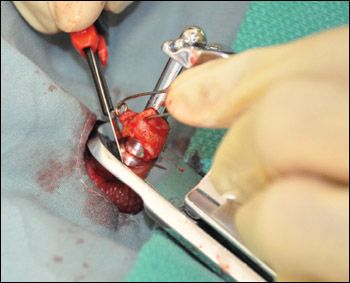
Typical age ranges for circumcision
Age guidelines vary by hospital, clinic, and medical professional. These ranges are general and should not replace an examination.
Newborn period
The newborn period is often considered the first 28 days after birth. Circumcision during this time may be done with a local anesthetic and a device designed for newborns.
The baby should be healthy, feeding well, and free from conditions that make the procedure unsafe. A clinician should also check that the penis has normal anatomy.
One to six weeks
Some doctors perform circumcision during the first month or so. Others have a much shorter age limit. The baby may need a preprocedure visit, and the provider may ask about feeding, bleeding problems, allergies, and recent illness.
Parents should call as soon as possible rather than assume the window has closed. A short delay can affect where and how the procedure is performed.
Older infants
After the early newborn period, many babies need a pediatric urology evaluation. The procedure may take place in a hospital or ambulatory surgery center.
Older infants may need fasting before anesthesia. Parents should follow those instructions closely because feeding too close to anesthesia can increase the risk of serious complications.
Toddlers, children, and teenagers
Circumcision can be performed at later ages when medically appropriate. The child may need general anesthesia, and recovery may take more planning.
Older children may also have strong feelings about the procedure. Honest, age-appropriate explanations and emotional support can make the experience less frightening.
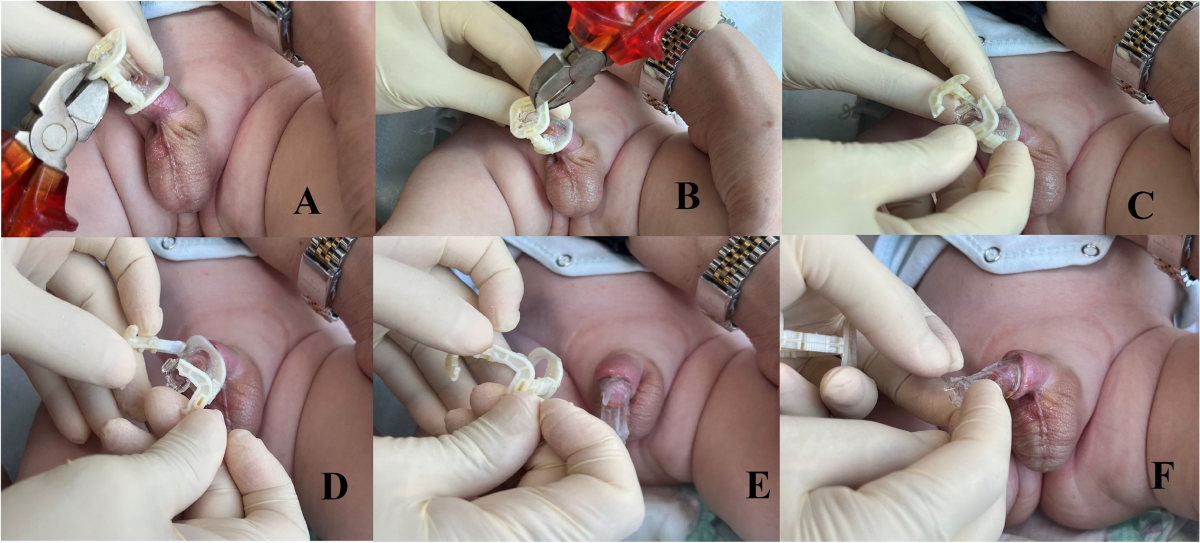
What can make circumcision unsafe or require a delay?
A routine newborn circumcision is not right for every baby. A careful physical exam is important because some penile conditions need a different surgical approach.
A provider may delay or avoid routine circumcision if the baby has:
• Hypospadias, in which the urine opening is not at the tip of the penis
• Chordee, which causes the penis to curve
• A buried or concealed penis
• A webbed penis
• A very small penis that needs specialist review
• Abnormal penile skin or suspected genital differences
• A bleeding disorder or a family history of unusual bleeding
• Severe jaundice, infection, dehydration, or another acute illness
• A condition that affects healing or anesthesia safety
The foreskin may be needed for reconstructive surgery in some cases. For example, tissue from the foreskin can sometimes help repair hypospadias. This is one reason parents should not arrange circumcision before a qualified clinician examines the baby.
When is it too late to get a baby circumcised if the baby is sick? The safest answer is that timing should wait until the child is medically stable. The medical team can explain whether a short delay is safe or whether specialist care is needed.

How circumcision changes as a baby gets older
The main difference between newborn and later circumcision is not simply the child’s age. It is the setting, anesthesia, surgical technique, and recovery plan.
Newborn circumcision often uses a local numbing medicine. The baby may be held securely, and the procedure may take only a short time. Older children may need sedation or general anesthesia because they can move suddenly or become distressed.
Later circumcision may involve:
• A preoperative visit with a pediatric urologist
• Blood tests in selected cases
• Fasting before anesthesia
• An operating room or surgical center
• A longer recovery period
• More pain control after the procedure
• Additional planning for school, child care, or sports
This does not mean later circumcision is unsafe. Pediatric urologists perform circumcision on older children and teens when appropriate. It does mean the benefits and risks should be reviewed carefully.
Parents sometimes feel guilty when they miss the newborn window. That guilt is rarely helpful. A delayed decision can still be handled safely with the right medical team.
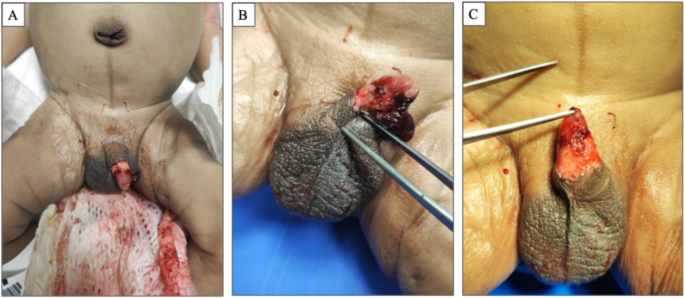
Benefits and limits of circumcision
Circumcision removes the foreskin, the fold of skin covering the head of the penis. Families choose it for religious, cultural, personal, or medical reasons.
Research has found that circumcision may lower the risk of some conditions, including:
• Urinary tract infections during infancy
• Certain foreskin problems
• Some sexually transmitted infections later in life
• Penile cancer, although this disease is very rare
The size of these benefits varies by condition and by a person’s health choices. Circumcision does not replace hygiene, safe sex, vaccination, or medical care.
The American Academy of Pediatrics has stated that the health benefits of newborn male circumcision outweigh the risks, but the benefits are not large enough to recommend circumcision for every newborn. Parents should make the decision with accurate information and respect for their values.
Possible complications include bleeding, infection, too much or too little foreskin removal, adhesions, and problems with healing. Serious complications are uncommon when a trained professional performs the procedure in a proper medical setting.
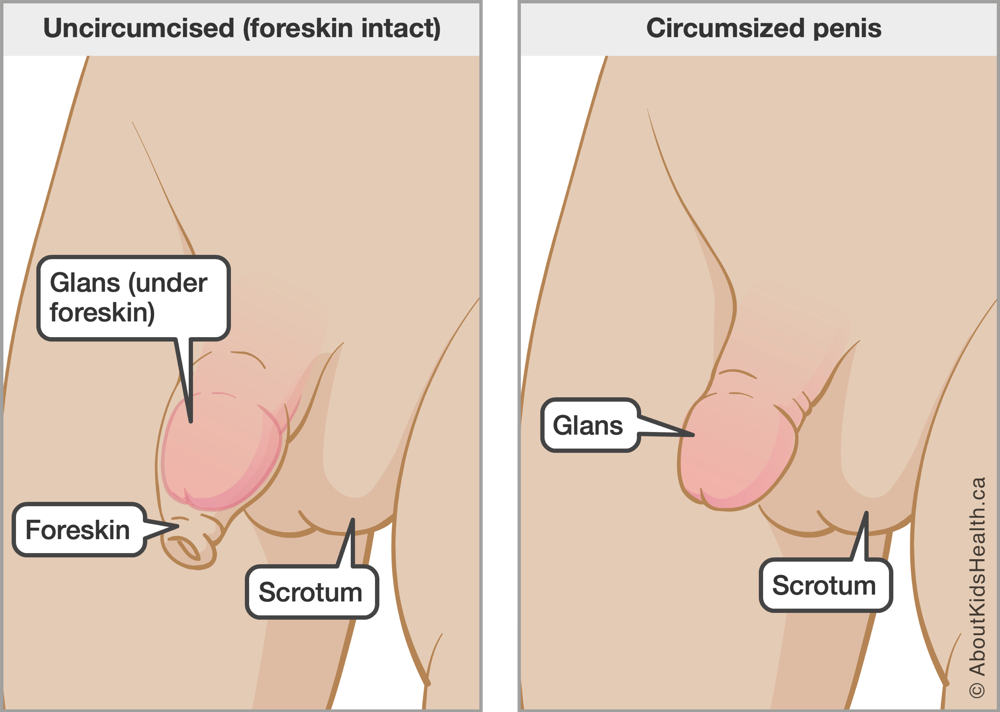
What happens during and after the procedure?
The exact process depends on age and anesthesia. For a newborn, the provider usually cleans the area, gives a numbing medicine, and uses a sterile circumcision device or surgical method.
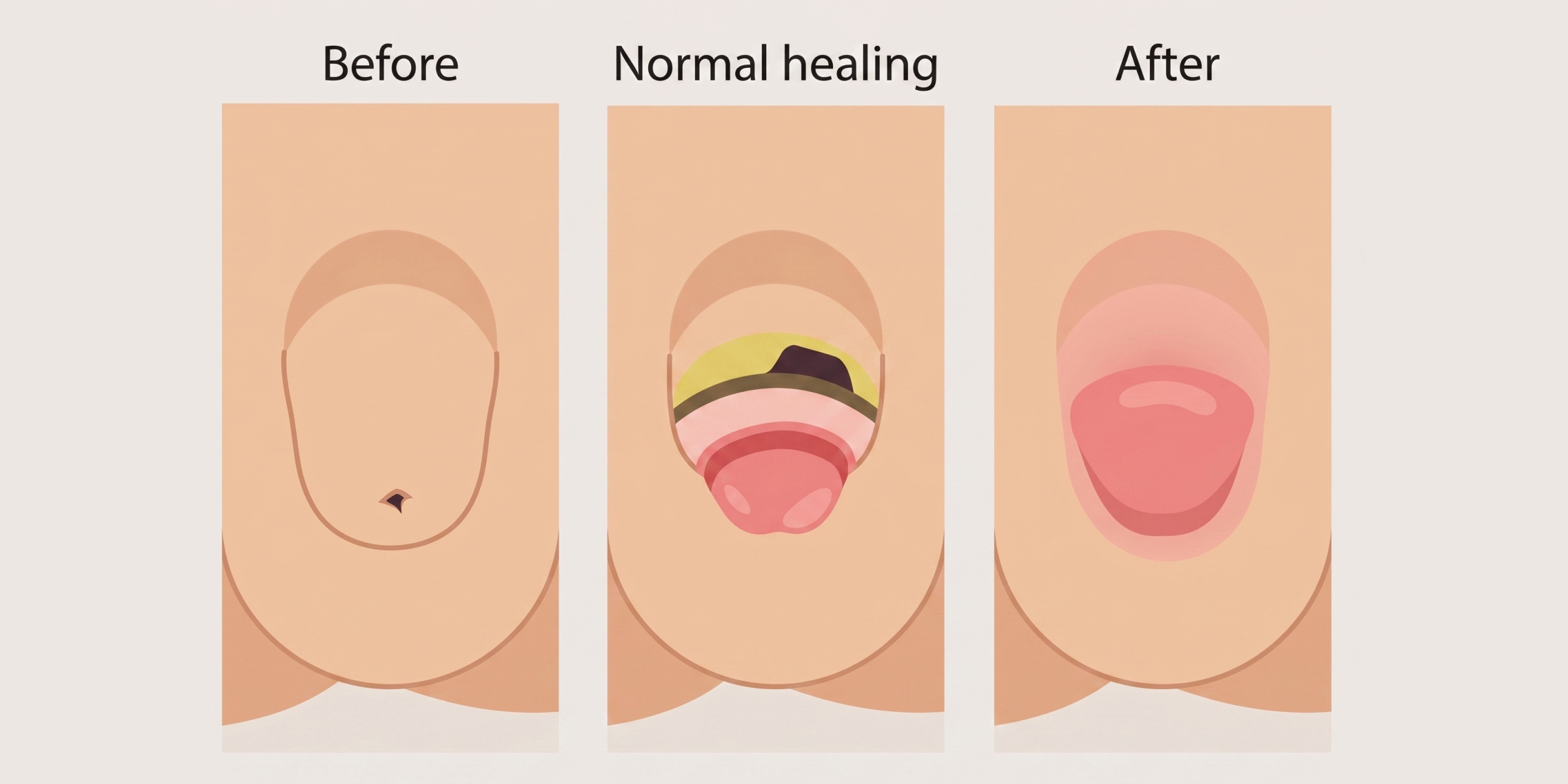
Afterward, the penis may look red or swollen. A small amount of spotting can be normal. The provider may recommend petroleum jelly and give instructions for diaper changes and bathing.
Parents should seek prompt medical help for:
• Bleeding that does not stop with gentle pressure
• No urination within the time given by the clinician
• Fever in a young infant
• Increasing redness or swelling
• Pus, foul drainage, or a worsening odor
• A penis that looks blue, dark, or unusually cold
• Severe pain, poor feeding, or unusual sleepiness
Healing often takes about 7 to 10 days in a newborn, but the time can vary. Older children may need more time and stronger pain medicine. Always use only the medicine and dose recommended by the child’s clinician.

How to prepare for a circumcision consultation
A consultation can answer the question, “When is it too late to get a baby circumcised?” more accurately than an online age chart. Bring the baby’s health history and ask what setting the provider recommends.
Useful questions include:
-
How old is the child for your procedure?
-
Can you perform the procedure with local anesthesia?
-
Will the child need an operating room or general anesthesia?
-
Does the baby have any anatomy that requires a pediatric urologist?
-
What are the expected benefits and possible complications?
-
How should we prepare for feeding or fasting?
-
What pain relief will be used?
-
What signs of infection or bleeding should we watch for?
-
What is the total cost, including anesthesia and facility fees?
-
Does insurance cover the procedure at this age?
Parents should also ask about the provider’s training and experience. A safe medical setting matters more than finding the earliest possible appointment.
One practical lesson is to call early, even if the decision is not final. Clinics often have age limits, and an early call gives the family time to compare options without pressure.
Cost, insurance, and access
The cost of circumcision can change sharply with age. Newborn circumcision may be less expensive because it can occur during the hospital stay with local anesthesia. Later circumcision may include surgeon fees, anesthesia charges, facility fees, and follow-up visits.
Insurance coverage varies. Some plans cover circumcision for medical reasons but not for personal or cultural reasons. Other plans may have different rules for newborn and older-child procedures.
Before scheduling, ask for a written estimate that includes:
• The consultation
• The surgeon’s fee
• Anesthesia
• The facility
• Pathology, if applicable
• Follow-up care
• Treatment of possible complications
Families who face access barriers can ask a pediatrician, hospital social worker, or community health program about referrals. Do not choose an unlicensed or untrained provider to reduce cost. A lower price is not worth preventable harm.
Common mistakes parents should avoid
Parents often search for when is it too late to get a baby circumcised after hearing different advice from relatives, friends, and online forums. Conflicting information is common because age limits differ by provider.
Avoid these mistakes:
• Waiting several weeks without calling a medical office
• Assuming every provider uses the same age cutoff
• Circumcising before a doctor checks for hypospadias or other conditions
• Giving aspirin or extra medicine without medical advice
• Ignoring feeding and fasting instructions
• Using home remedies or nonmedical circumcision services
• Treating heavy bleeding or poor urination as normal
• Comparing a child’s healing with photos or stories from the internet
A calm, early consultation is usually the best next step. If one provider does not offer the procedure at the child’s age, ask for a referral rather than giving up or taking unnecessary risks.
Frequently Asked Questions About When Is It Too Late to Get a Baby Circumcised
Is 2 months too late to circumcise a baby?
Two months is not automatically too late, but many providers no longer perform a simple office circumcision at that age. A pediatric urologist may recommend a hospital procedure or another form of anesthesia.
Can a baby be circumcised after 6 weeks?
Some providers may circumcise a baby after 6 weeks, while others set an earlier limit. The decision depends on the baby’s health, anatomy, movement, and the provider’s equipment and training.
Can circumcision be done after one year?
Yes, circumcision can often be performed after one year when medically appropriate. It usually requires evaluation by a pediatric urologist and may involve general anesthesia.
Is circumcision more painful for an older baby?
Older babies may need more anesthesia and pain control because they move more and respond more strongly to the procedure. A qualified medical team will create a pain plan based on the child’s age and health.
What if the baby has hypospadias?
Routine circumcision should usually be postponed until a pediatric urologist examines the baby. The foreskin may be useful for a future repair, so parents should not proceed without specialist advice.
Can circumcision be done for medical reasons later in childhood?
Yes. Repeated foreskin infections, scarring, painful retraction, or other problems may lead a doctor to recommend circumcision. The child should receive a full evaluation before surgery.
Does circumcision have to be done in the newborn period?
No. The newborn period is often the simplest time, but it is not the only time. Later procedures are possible, although they may require different anesthesia, a surgical center, and more recovery planning.
Conclusion
When is it too late to get a baby circumcised? There is no universal deadline, but the procedure often changes after the first few weeks. Newborn circumcision may use local anesthesia, while older babies and children may need a pediatric urologist, an operating room, or general anesthesia.
The safest choice is to arrange a medical evaluation before making plans. Ask about age limits, anatomy, anesthesia, costs, benefits, risks, and aftercare. If your baby is beyond the newborn window, contact a pediatrician for a referral and use trusted medical guidance to make an informed decision.