
A baby is medically a newborn from birth through 28 days, although families may use the term longer.
When is a baby no longer a newborn? The clearest answer is after the first 28 days of life. Still, the change is not a sudden switch. Your baby remains an infant, and many newborn habits, needs, and concerns continue for several weeks. This guide explains the medical definition, common milestones, feeding changes, sleep patterns, and signs that deserve medical care.
When Is a Baby No Longer a Newborn?
When is a baby no longer a newborn according to medical guidance? A baby is generally no longer considered a newborn after completing 28 days of life. From day 29 onward, health professionals usually describe the child as a young infant.
The word “newborn” may also describe the first six to eight weeks in everyday speech. This broader use is common because babies still look and act very young during this time. However, the formal medical newborn period lasts about four weeks.
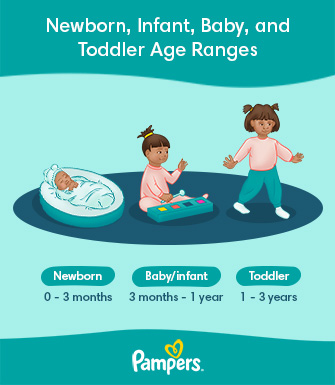
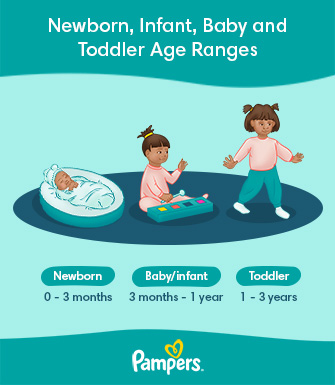
Age terms can vary slightly by setting:
• Newborn: Birth through 28 days
• Young infant: About 1 to 3 months
• Infant: Birth through 12 months
• Older infant: About 6 to 12 months
A premature baby may have extra medical terms. Doctors may discuss the baby’s corrected age, which accounts for how early the baby was born. This helps them track growth and development more fairly.
Why the 28-Day Mark Matters
The first 28 days are a special health period. A newborn is learning to breathe, feed, stay warm, and fight germs outside the womb. The body is making many fast changes in a short time.
This is also the period when some serious problems can appear. Newborns have small bodies and limited reserves. They may become ill faster than older infants, so parents should take warning signs seriously.
The 28-day point does not mean your baby becomes fully independent. It is more like crossing a small bridge. Your baby is still fragile, but the body is gaining strength and adapting to life outside the womb.
Doctors often pay close attention to:
• Weight gain and feeding
• Wet and dirty diapers
• Body temperature
• Jaundice, or yellow skin and eyes
• Breathing
• Alertness and movement
• Healing of the umbilical cord
A routine newborn checkup often happens within the first few days after birth. Another visit may occur around one month, depending on the baby’s health and the pediatrician’s plan.

When Is a Baby No Longer a Newborn in Everyday Life?
When is a baby no longer a newborn in daily family life? Many parents feel the transition around six to eight weeks, even though the formal period ends at 28 days.
At this stage, babies may spend more time awake. They may look at faces, make more sounds, and show stronger movements. Some babies also begin to smile in response to people around six to eight weeks.
Every baby develops at a different pace. A baby does not need to reach every milestone on a set day. Milestone guides show common patterns, not strict deadlines.
You may notice changes such as:
• Longer periods of calm alertness
• More eye contact
• Better head control
• Louder or more varied sounds
• Stronger sucking
• More predictable feeding times
• More interest in lights, faces, and sounds
These changes can feel exciting, but they can also feel confusing. Your baby may sleep well for two nights and then wake often again. Development rarely follows a straight line.

Newborn Versus Infant: What Is the Difference?
When is a baby no longer a newborn, and what makes an infant different? The main difference is age, not a single behavior or milestone.
A newborn is in the earliest stage of infancy. The baby still relies almost fully on caregivers for warmth, food, comfort, hygiene, and safety. A young infant begins to show more control and awareness but still needs constant care.
Here is a simple comparison:
| Feature | Newborn | Young infant |
|---|---|---|
| Age | Birth to 28 days | About 1 to 3 months |
| Movement | Mostly reflexes | More purposeful movement |
| Head control | Very limited | Gradually improving |
| Communication | Crying and small sounds | More coos and vocal sounds |
| Sleep | Often short and irregular | Still irregular, with some longer stretches |
| Feeding | Frequent feeds | May become more organized |
| Social response | Brief eye contact | More smiles and face tracking |
These age labels help medical teams communicate. They do not define your baby’s personality or predict exactly what will happen next.
What Changes After the Newborn Period?
When is a baby no longer a newborn in terms of care? After the first month, care still centers on feeding, sleep, safety, and comfort. The difference is that your baby may begin to respond more clearly to the world.
Feeding
Breastfed babies often continue feeding eight to twelve times in 24 hours during the early weeks. Formula-fed babies may feed less often, but needs vary by size, health, and advice from a pediatrician.
Hunger cues can include:
• Moving the hands toward the mouth
• Opening the mouth
• Turning toward a breast or bottle
• Making sucking motions
Crying is often a late hunger cue. Feed your baby based on hunger and fullness signals unless your health care professional gives a specific schedule.
Do not add cereal to a bottle or offer water to a young infant unless a clinician tells you to do so. Babies usually need breast milk or iron-fortified formula during the first months.
Sleep
Newborn sleep is often scattered across day and night. Babies may sleep for two to four hours at a time because their stomachs are small.
The safest sleep plan is simple:
• Place your baby on the back for every sleep
• Use a firm, flat sleep surface
• Keep the sleep space free of pillows, blankets, toys, and bumper pads
• Share a room, but not a bed
• Avoid smoke and vaping near the baby
The American Academy of Pediatrics recommends a separate sleep surface for the baby. Swaddling may calm some babies, but stop swaddling when the baby shows signs of rolling.
Movement and play
Short periods of supervised tummy time help build neck and shoulder strength. Begin with a few minutes while your baby is awake, then slowly add more time.
A useful real-life tip is to place your baby on your chest while you are awake. This can make tummy time feel like a warm conversation rather than an exercise lesson. Never leave a baby alone on a bed, couch, or adult chest.

Newborn Health Signs Parents Should Watch
When is a baby no longer a newborn does not change the need to watch for illness. Young infants can still become sick quickly, and some symptoms need prompt care.
Contact a health professional promptly if your baby:
• Has a rectal temperature of 100.4°F (38°C) or higher and is younger than 3 months
• Has trouble breathing
• Has blue, gray, or very pale skin
• Is difficult to wake
• Refuses several feeds
• Has much fewer wet diapers than usual
• Vomits green fluid or repeatedly vomits forcefully
• Has worsening yellow skin or eyes
• Has a seizure or unusual repeated movements
A rectal temperature is usually the most accurate method for a young baby, but ask your pediatrician how to measure it safely. Do not give fever medicine to a young infant without medical advice.
Parents often worry about normal spit-up, hiccups, noisy breathing, or frequent crying. These can be normal, but a change from your baby’s usual pattern matters. Trust your concern and call your pediatrician when something feels wrong.

How to Track the Transition Safely
When is a baby no longer a newborn is only one part of the bigger picture. Tracking feeding, diapers, sleep, and behavior can help you notice changes and give useful details to your baby’s doctor.
Try keeping a simple note on your phone or paper:
Record feeding times and approximate amounts.
Count wet diapers each day.
Note bowel movements and unusual color changes.
Write down temperatures and symptoms.
List questions before each health visit.
Many parents make the mistake of comparing their baby with another baby of the same age. One baby may sleep longer, while another may smile sooner. Comparison can create stress without giving useful medical information.
A better approach is to watch your baby’s trend. Is feeding becoming easier? Is your baby gaining weight? Are periods of alertness increasing? Your pediatrician can help interpret the full pattern.

Common Myths About the Newborn Period
When is a baby no longer a newborn is often misunderstood because social terms and medical terms overlap. Clear facts can make this stage less stressful.
Myth: A baby becomes a newborn only after the umbilical cord falls off
The cord stump may fall off during the first few weeks, but it does not define the newborn period. A baby is still a newborn until 28 days have passed, whether the stump has fallen off or not.
Myth: A baby should sleep through the night after one month
Young babies often wake to feed. Night waking is normal and helps many babies meet their nutrition needs.
Myth: All babies should follow the same schedule
Babies have different temperaments, feeding needs, and sleep patterns. A flexible routine can help, but strict comparison is not useful.
Myth: Holding a baby too much creates bad habits
Newborns and young infants need comfort and close contact. Responsive care supports bonding and does not spoil a baby.
Myth: Development stops if a baby misses one milestone date
Milestones develop within ranges. If you have concerns, discuss them with a health professional rather than waiting or assuming the worst.

Practical Tips for Parents After 28 Days
When is a baby no longer a newborn can feel like a question about whether you should change your whole routine. You do not need to make a sudden change. Keep the safe habits that work and adjust slowly as your baby grows.
Helpful steps include:
• Continue back sleeping and safe sleep practices
• Keep regular pediatric visits
• Offer tummy time while your baby is awake
• Talk, sing, and read to your baby
• Respond to hunger and tiredness cues
• Wash hands before touching the baby
• Keep small objects, cords, and unsafe surfaces away
• Ask for help when you feel exhausted
One lesson many new parents learn is that “normal” can have a wide range. A baby may feed often one day and sleep more the next. The goal is not perfect control. The goal is safe care, steady growth, and support when you need it.
If you feel overwhelmed, tell someone you trust. Postpartum anxiety and depression can affect any parent. A doctor, nurse, therapist, or support line can help.
Frequently Asked Questions About When Is a Baby No Longer a Newborn
When is a baby no longer a newborn medically?
A baby is generally no longer a newborn after 28 days of life. From day 29, health professionals usually refer to the child as a young infant.
Is a two-month-old still a newborn?
A two-month-old is usually not medically classified as a newborn. However, many people use “newborn” casually for babies who are six to eight weeks old.
What is the difference between a newborn and an infant?
A newborn is a baby from birth through about 28 days. An infant is a broader term for a child from birth through 12 months, so every newborn is also an infant.
When do babies stop acting like newborns?
Many babies begin to seem less like newborns between six and eight weeks. They may show more eye contact, smiles, sounds, and head control, but progress varies from baby to baby.
Should feeding change after the newborn stage?
Feeding may become more organized after the first month, but babies still need breast milk or infant formula as their main food. Follow hunger cues and your pediatrician’s advice rather than forcing a strict schedule.
When should I call a doctor about a young baby?
Call a health professional for a temperature of 100.4°F (38°C) or higher in a baby younger than 3 months, breathing trouble, poor feeding, unusual sleepiness, or other serious changes. If your baby looks very ill, seek emergency care.
Conclusion
When is a baby no longer a newborn? The medical answer is after 28 days, but the practical transition often feels gradual over the next several weeks. Your baby may become more alert, social, and active while still needing frequent feeds, safe sleep, close contact, and careful observation.
Focus on steady growth and your baby’s own pattern rather than an exact timetable. Keep regular checkups, trust your instincts, and contact a health professional when symptoms concern you. Share this guide with another new parent, and explore trusted pediatric resources for support through each stage.