
Yes — babies in the womb do sleep, cycling through REM-like and quiet sleep from mid-pregnancy.
I’ve studied prenatal behavior and advised new parents for years, so I can say with confidence that knowing whether do babies sleep in the womb matters for understanding fetal growth and maternal cues. This article digs into how fetal sleep works, what science and scans reveal, how moms feel it, and practical tips to notice healthy sleep patterns before birth. Read on for clear, evidence-backed answers and real-world tips you can use today.

How fetal sleep works
Fetuses show clear sleep-like patterns by about 20 to 24 weeks. Scientists track changes in heart rate, breathing motions, and brain waves to define these states. When people ask do babies sleep in the womb, the short scientific answer is yes: they enter quiet sleep and active sleep that looks like REM.
Key points about fetal sleep
- Quiet sleep is calm. The fetus moves less and shows steady heart rate.
- Active sleep is more like REM. The fetus twitches, moves, and has variable heart rate.
- Sleep cycles grow longer as pregnancy progresses. They shift from short bursts to more organized periods.
Researchers use ultrasound and fetal EEG to watch these cycles. The brain shows patterns that match sleep. These patterns help build neural networks. In short, fetal sleep is part of brain growth. And when you wonder do babies sleep in the womb, the evidence is clear: they do, and it’s vital for development.

Stages and signs of fetal sleep
Fetal sleep has stages that mirror newborn sleep in simple ways. We call them active sleep and quiet sleep. Each stage has clear signs you can learn to notice.
Active sleep features
- Quick eye movements and twitches
- Faster and more varied heart rate
- Frequent small movements seen on ultrasound
Quiet sleep features
- Little kicking or rolling
- Stable heart rate
- Slow breathing motions or none at all
Sleep cycle length
- Early in pregnancy: cycles last a few minutes.
- Later in pregnancy: cycles lengthen to 20–40 minutes or more.
- Near term: cycles may resemble newborn patterns, mixing quiet and active sleep.
When people ask how long do babies sleep in the womb, the answer shifts with age. Early cycles are brief. By late pregnancy, cycles can be nearly an hour. These cycles are normal and healthy.

How mothers perceive fetal sleep and activity
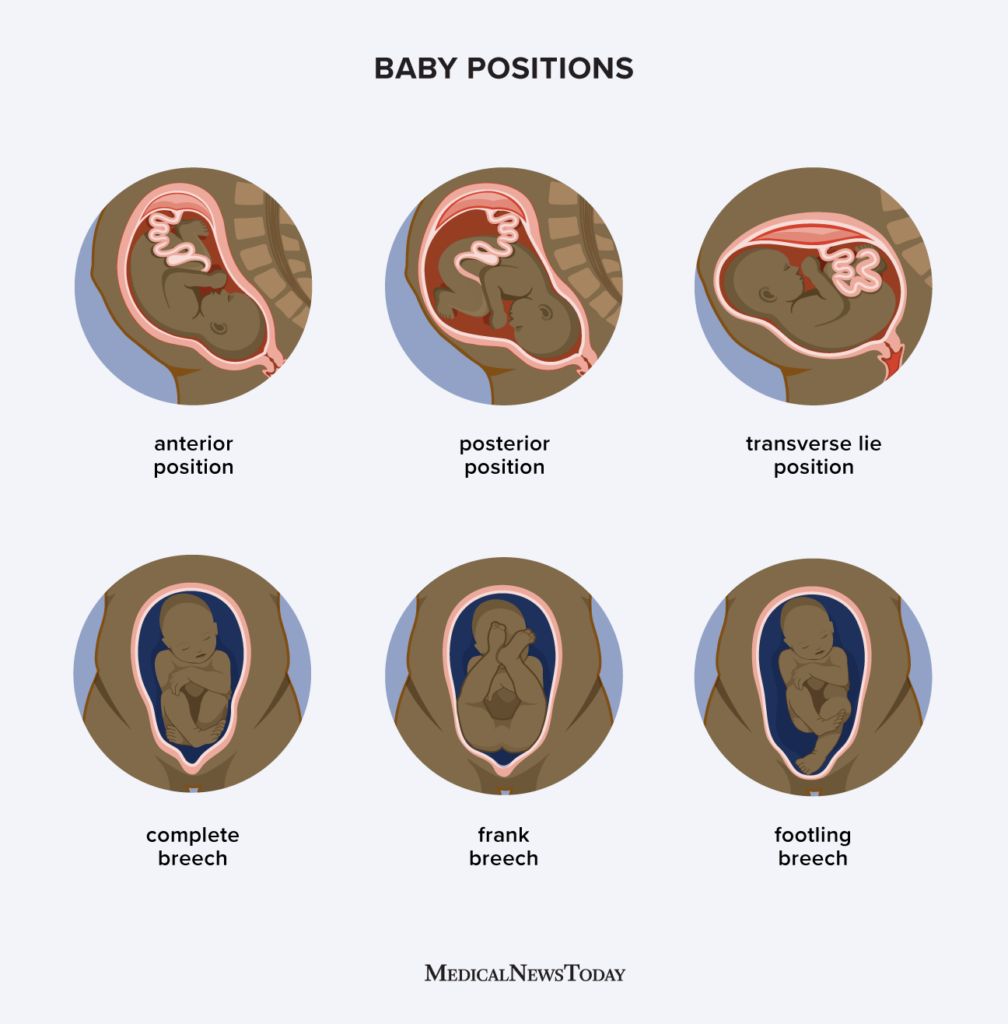
Many expectant parents ask, "If do babies sleep in the womb, why do I sometimes feel stillness for hours?" Maternal perception is shaped by many things. Placenta position, maternal activity, and the baby’s sleep stage all change how movement feels.
Why movements may vary
- Placenta in front of the baby can mute kicks.
- Babies have calm sleep periods and active ones.
- Mom’s own movement and digestion can mask fetal motion.
Tips to notice patterns
- Track movements daily for a short, consistent time.
- Note times of quiet and active periods.
- Use gentle touch and quiet time to check for responses.
If you worry about long still periods, your provider can assess fetal heart rate or movement. Clear communication with your care team is key when checking whether do babies sleep in the womb is the reason for stillness.
Why fetal sleep matters for development
Fetal sleep supports key brain and body processes. Sleep-like states seem to guide how the nervous system forms. This matters a lot for later learning and behavior.
Benefits of fetal sleep
- Supports neural wiring and synapse formation.
- Helps develop breathing and heart rate control.
- May shape early sleep patterns after birth.
Limits and uncertainties
- We can’t ask a fetus how rested it feels. We rely on scans and measures.
- More research is needed on how prenatal sleep patterns affect long-term outcomes.
- Not all differences in movement or sleep are worrisome, but they warrant attention if marked.
When you ask do babies sleep in the womb, think of sleep as part of growth. It isn’t just rest. It’s active building time for the brain.

Monitoring fetal sleep: tests and what they show
Ultrasound, fetal heart monitoring, and research-grade fetal EEG give us windows into fetal sleep. Each tool shows parts of the story.
Common monitoring tools
- Ultrasound shows movement and eye motion. It helps tell active vs. quiet sleep.
- Nonstress tests record heart rate and movement. They help check well-being.
- Research EEG shows brain waves that match sleep stages.
How clinicians use these tests
- To confirm fetal health if movements drop.
- To measure heart and breathing patterns.
- To study sleep development in research settings.
If you are tracking whether do babies sleep in the womb, remember tests are snapshots. They help rule out problems and reassure parents.

My experience and practical tips
I’ve guided many parents through questions about fetal movement and sleep. From both work and family life, I have learned small habits that help reduce worry and improve clarity.
Practical tips I share
- Pick a time each day to note fetal movement. Ten minutes after a quiet meal works well.
- Lie on your left side. This often makes movement easier to feel.
- Use calm lighting and quiet to tune into subtle shifts.
- Record times of active and quiet periods for patterns.
Mistakes to avoid
- Waiting too long to call your provider if movement drops.
- Comparing your patterns too closely with others. Each baby is unique.
- Panicking at every quiet spell. Many are normal sleep cycles.
I once advised a first-time mom who felt long quiet spells. Simple tracking showed her baby had predictable naps. The patterns eased her worry and made visits to the clinic more focused when needed.

Frequently Asked Questions of do babies sleep in the womb
Do babies sleep in the womb and dream?
Yes. Fetuses enter REM-like active sleep where brain activity suggests dreaming or internal processing. We cannot confirm subjective dreams, but brain patterns resemble REM.
How can I tell if my baby is sleeping in the womb?
Look for reduced movement, steady heart rate, and calm periods lasting 20–40 minutes. Ultrasound can confirm sleep stages if needed.
When do fetal sleep patterns begin?
Basic sleep-like cycles appear around 20 to 24 weeks. These cycles become more organized in the third trimester.
Are long quiet periods normal?
Yes, longer quiet periods can be normal, especially with a front placenta or later in pregnancy. Still, report sudden or prolonged drops in movement.
Can fetal sleep be harmful?
Sleep itself is not harmful. Worrisome signs are sudden drops in movement or unusual heart patterns. Seek care if you are concerned.
Conclusion
Babies do sleep in the womb, and these sleep-like cycles are a core part of fetal growth. Quiet sleep and active REM-like sleep help build the brain, shape heart and breathing control, and create early sleep rhythms. Track movement simply and calmly, talk with your care team if patterns change, and use monitoring when needed to reassure yourself. If you found this helpful, leave a comment, subscribe for more prenatal insights, or share your own experience below.