
Baby teeth do have roots, but those roots shrink and dissolve as permanent teeth develop.
As a pediatric dental professional with years working with children and families, I’ll walk you through exactly how and why baby teeth have roots, what root resorption means, and why this matters for your child’s oral health. This article explains do baby teeth have roots in plain language, covers development, common problems, and practical tips parents can use today to protect their child’s smile.
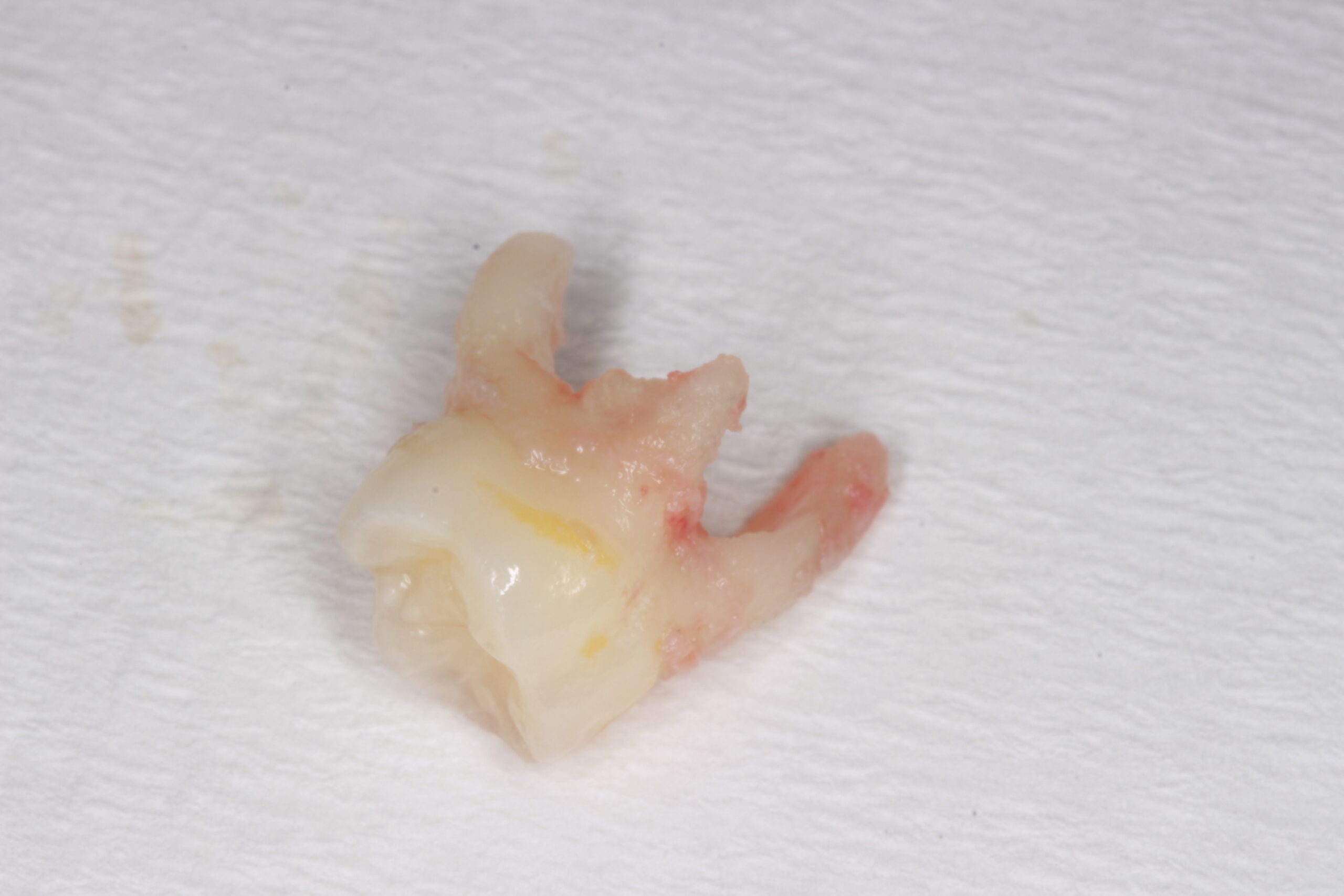
What are baby teeth and why they matter
Baby teeth are the first set of teeth children get. They are also called primary teeth, deciduous teeth, or milk teeth. These teeth help a child chew, speak, and hold space for adult teeth. Healthy baby teeth support growth and guide permanent teeth into the right positions.
Children usually get 20 baby teeth. They appear from about 6 months to 3 years. Losing them too early or too late can cause problems. Understanding whether do baby teeth have roots helps parents know what to expect when teeth fall out or need care.
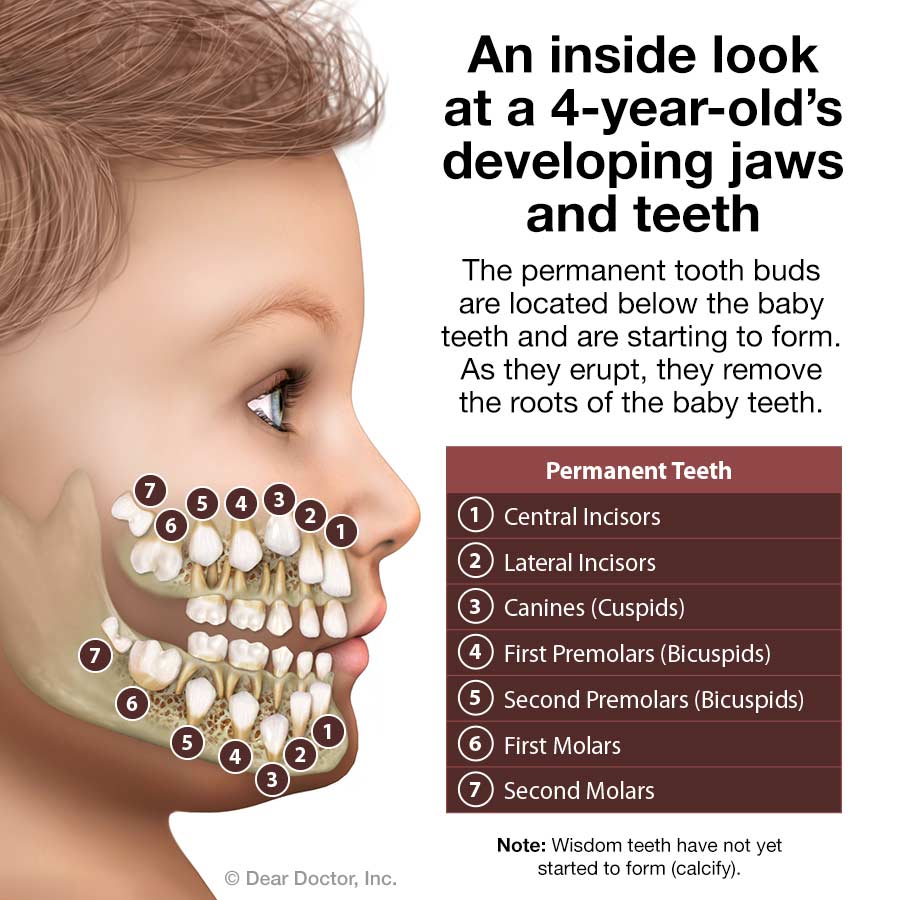
Do baby teeth have roots? The simple science
Yes — baby teeth do have roots. The roots attach each baby tooth to the jaw bone. Those roots are similar in basic structure to adult tooth roots, but they behave differently over time.
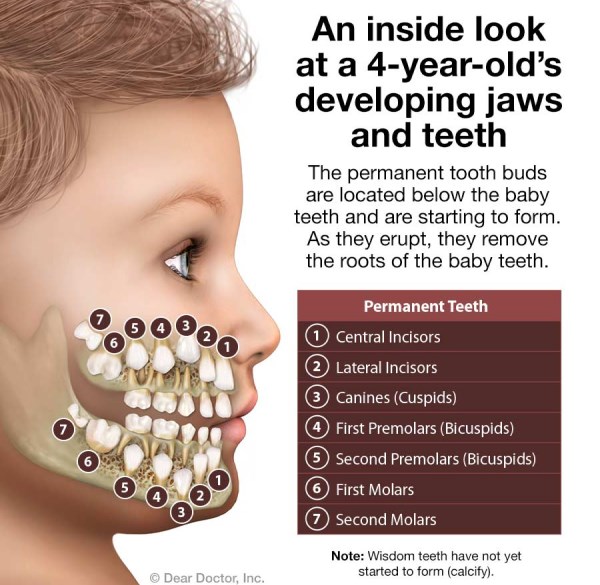
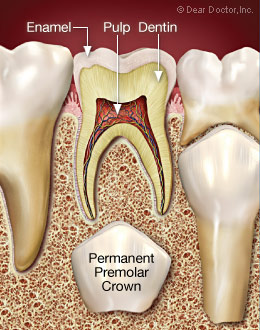
As permanent teeth develop under the gums, they push against the roots of nearby baby teeth. This pressure starts a process called root resorption. Over months or years, the roots dissolve. Once the root is gone or very small, the baby tooth becomes loose and falls out, making room for the adult tooth. So when people ask do baby teeth have roots, the answer is yes — until natural resorption removes most of the root.
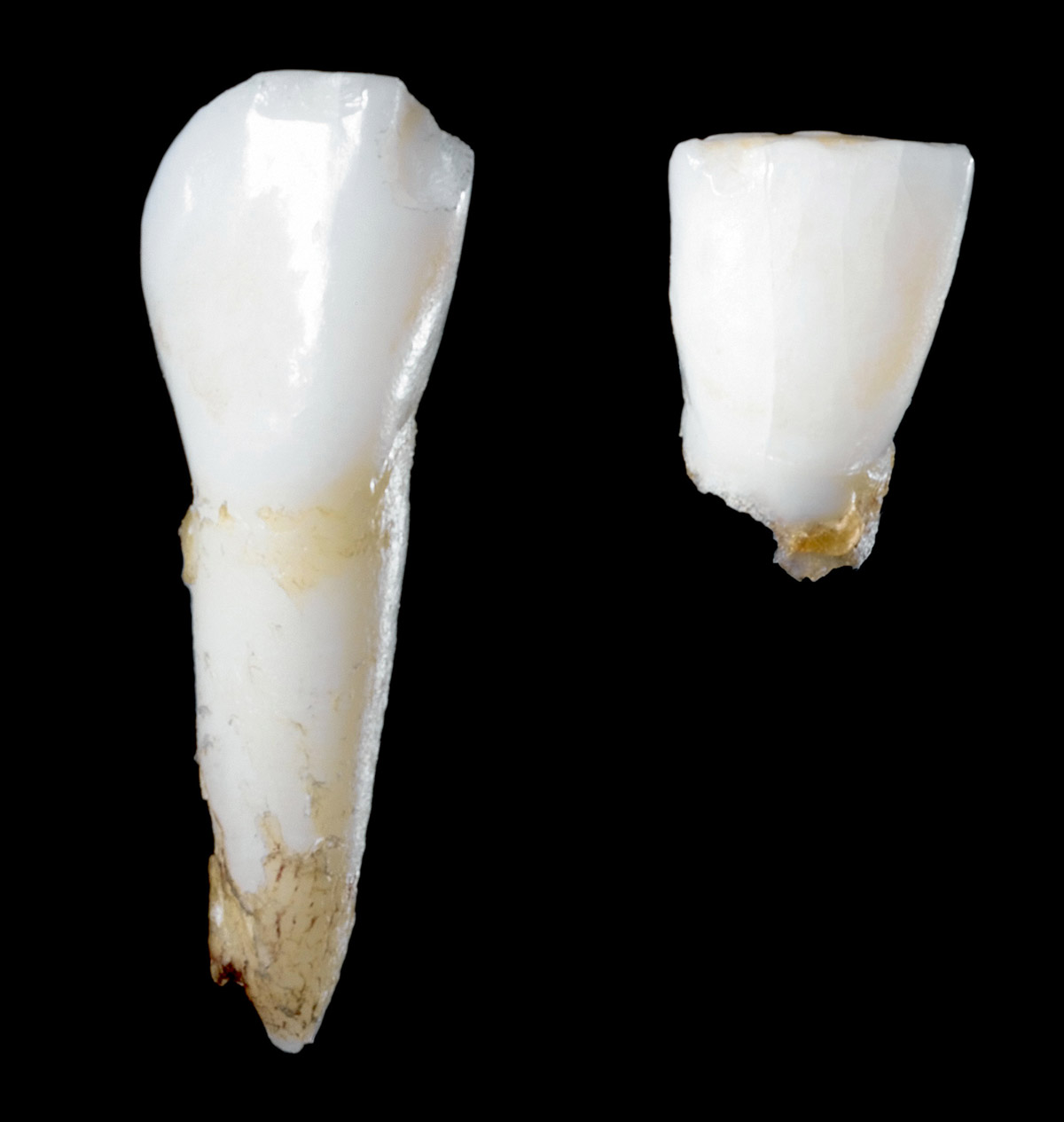
How roots of baby teeth form and then resorb
Formation
- Teeth begin as tooth buds before birth. Roots form as the crown develops.
- Dentists call the tissue that builds roots cementum and dentin. This creates a stable anchor.
Resorption process
- Permanent teeth grow underneath. They press on the baby tooth root.
- Specialized cells called odontoclasts break down root tissue.
- Resorption is slow. It ensures the baby tooth stays useful until the adult tooth is ready.
Timing
- Front baby teeth usually fall out between ages 6 and 8. Back teeth fall out later.
- Root resorption timing is different for each tooth and child. That is why do baby teeth have roots is not static — roots change over time.

Why roots of baby teeth matter for dental health
Roots are important for several reasons:
- Support and function: Roots keep baby teeth stable for chewing and speech.
- Space maintenance: Roots help hold the space for permanent teeth. Losing a tooth too early can let other teeth shift.
- Infection risk: If a baby tooth root is infected but the root is still present, the infection can damage the underlying permanent tooth bud.
- Orthodontic planning: Dentists look at which baby tooth roots remain when planning braces or space maintainers.
Understanding do baby teeth have roots helps parents see why some baby teeth are worth saving and why others may need removal by a dentist.
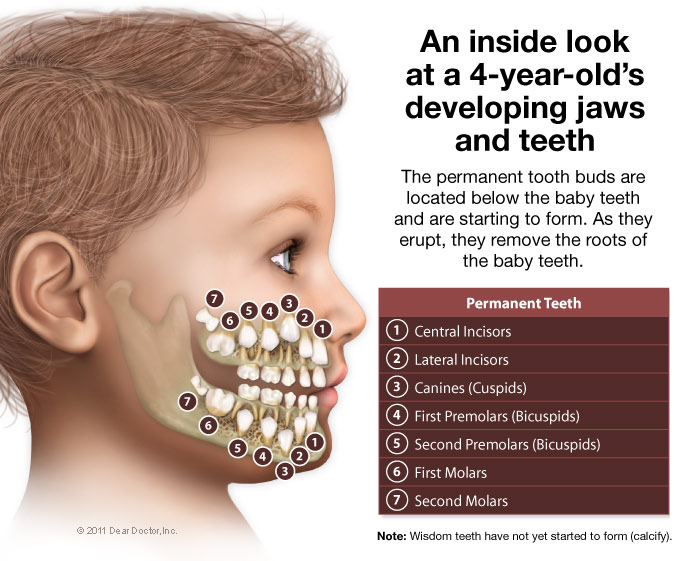
Common problems related to baby tooth roots
Retained roots
- Sometimes a baby tooth breaks or is jammed and part of the root stays in the jaw. This is a retained root fragment and can cause infection or block the adult tooth.
Early loss
- If a baby tooth with roots is lost early — due to decay or trauma — nearby teeth can drift. That can cause crowding or misalignment for permanent teeth.
Infections
- Root infections (abscesses) can harm the underlying adult tooth. Timely dental care prevents complications.
Impaction
- Rarely, a permanent tooth does not push in properly and the baby tooth root may not resorb as expected. A dentist can evaluate and treat this.

Treatment and dental interventions involving baby tooth roots
When baby tooth roots cause issues, dentists use specific treatments:
- Monitoring: Many root resorption cases are normal. Dentists watch progress with X-rays.
- Pulp therapy: For infection in a baby tooth, a pediatric dentist may perform a pulpotomy or pulpectomy to remove infected tissue while preserving the root until resorption.
- Extraction: If a tooth is damaged or infected and the root won’t resorb, extraction may be needed.
- Space maintainers: If a rooted baby tooth is lost early, a dentist may place a space maintainer to keep room for the adult tooth.
Knowing do baby teeth have roots helps caregivers understand why a dentist might choose one treatment over another.
Practical tips for parents: caring for baby tooth roots
Daily care keeps roots healthy until they naturally resorb.
- Brush twice daily with a child-sized toothbrush and appropriate toothpaste.
- Limit sugary snacks and drinks to reduce decay risk.
- Keep regular dental visits starting by the child’s first birthday or when the first tooth appears.
- Protect teeth during play with mouthguards for contact sports.
- If a child loses a baby tooth early, talk to your dentist about space maintainers.
If you see swelling, persistent pain, or a tooth that’s very loose long before the expected age, call your dentist. These signs can mean root problems or infection.
Personal experience: lessons from practice
In my years seeing children, I often meet worried parents asking do baby teeth have roots and whether a loose tooth is normal. One memorable case was a seven-year-old who had a front tooth loose for months. X-rays showed partial root resorption and the adult tooth was delayed. We monitored and avoided extraction. Six months later, the permanent tooth erupted naturally.
Lesson learned
- Avoid rushing to remove a baby tooth unless infection or damage calls for it.
- Good oral hygiene and early dental visits prevent many root-related problems.
These practical experiences taught me to always balance patience with timely intervention.
Frequently Asked Questions of do baby teeth have roots
Do baby teeth have roots that are the same as adult teeth?
Baby teeth do have roots, but they are shorter and designed to dissolve. Adult tooth roots are longer and meant to last for life.
Why do baby tooth roots dissolve?
Roots dissolve because the developing adult tooth pushes on the root. Cells called odontoclasts break down root tissue so the baby tooth can fall out.
Can a baby tooth root cause pain?
Yes. If a root is infected or a retained root fragment irritates gum tissue, it can cause pain and swelling and needs dental care.
What happens to the root when a baby tooth falls out?
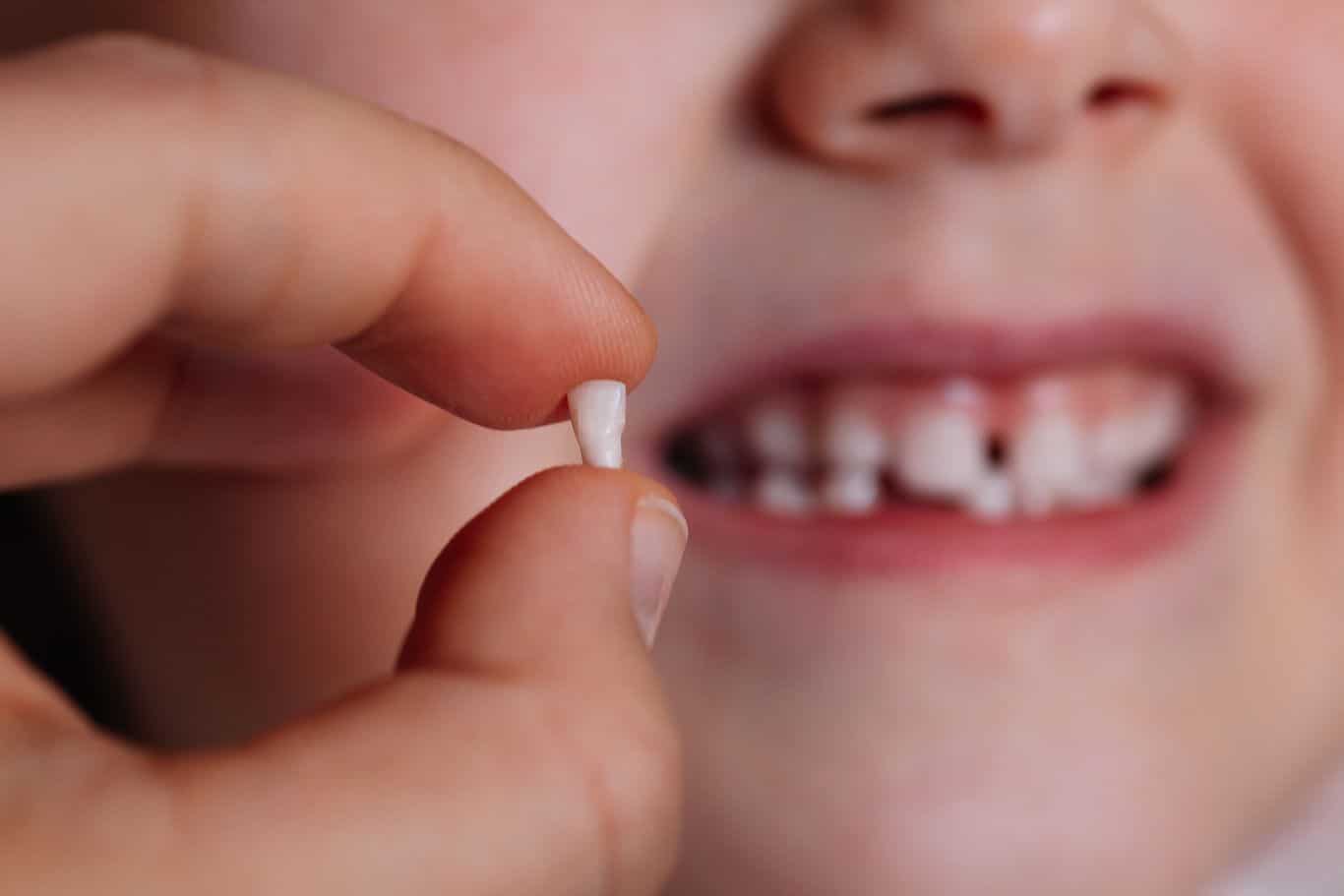
Most of the root has already dissolved by the time the tooth falls out. Any small root remnants are usually harmless and are naturally absorbed.
When should I see a dentist about a baby tooth root problem?
See a dentist if the tooth causes pain, shows swelling, has a persistent bad taste, or if a tooth is lost much earlier than expected. X-rays can check root health and the adult tooth beneath.
Conclusion
Baby teeth do have roots, and those roots play a key role in chewing, speech, and guiding adult teeth. Roots naturally resorb as permanent teeth develop, but problems like infection, retained fragments, or early loss can affect future tooth alignment and health. Keep up with daily oral care, schedule regular dental checkups, and consult a pediatric dentist if you see pain, swelling, or unexpected timing in tooth loss.
Take action today: brush your child’s teeth twice daily, book a dental visit if you haven’t already, and ask your dentist about space maintainers if a baby tooth is lost early. Share your questions or stories in the comments — I’ll help where I can.