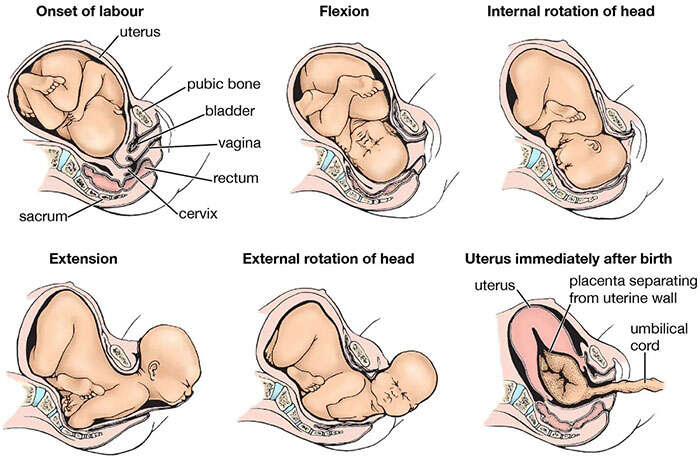
Most babies are born within 6 to 24 hours after Pitocin starts, but timing is highly individual.
I’ve studied clinical guidance, read dozens of birth narratives, and talked with nurses and doulas about induction. This article explains, in clear practical terms, how long after Pitocin does baby come, what affects that timing, what to expect in the hospital, and smart questions to ask your care team. Read on for evidence-based insights, real-world tips, and step-by-step expectations.
What is Pitocin and how it works
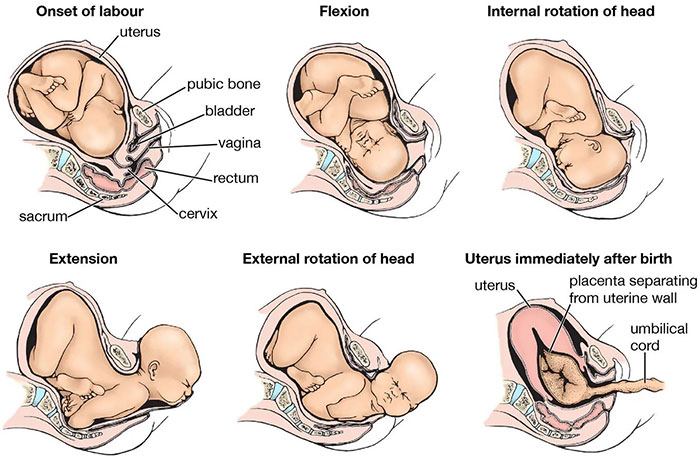
Pitocin is the synthetic form of oxytocin. Hospitals use it to start labor (induction) or strengthen weak contractions (augmentation). It acts on uterine muscle receptors to trigger contractions. Doctors give Pitocin through an IV pump in controlled, increasing doses. The goal is regular, effective contractions that dilate the cervix and move labor forward.

Typical timelines: how long after Pitocin does baby come
When families ask how long after Pitocin does baby come, the honest answer is: it depends. Typical patterns include:
- Within 6 hours: Many first contractions are effective quickly in people with a ripe cervix.
- 6 to 12 hours: Common range for labor to progress to active phase for women who are multiparous or have favorable cervices.
- 12 to 24 hours: Frequent for first-time mothers or when the cervix is less favorable; Pitocin can be a slow process.
- More than 24 hours: Possible when the cervix is unfavorable, when providers increase Pitocin slowly, or when labor stalls and additional interventions are needed.
Clinical practice varies. Hospitals often allow 12–24 hours for induction before considering other options, such as cesarean delivery or alternative induction methods. Remember that how long after Pitocin does baby come is shaped by many factors explained below.

Factors that influence how long after Pitocin does baby come
Several things change the timeline. Key factors include:
- Cervical readiness (Bishop score)
A low Bishop score usually means longer induction. A soft, dilated, and effaced cervix shortens time. - Parity (first birth versus subsequent births)
People who have given birth before often respond faster to Pitocin. - Membrane status
If membranes are already ruptured, labor often progresses faster. If not, providers may artificially rupture membranes to speed things up. - Pitocin dosing strategy
Low-and-slow protocols take longer than aggressive up-titration. - Use of epidural and pain medication
Epidurals can slow the second stage slightly but usually do not prevent delivery. They can affect pushing and may lengthen active labor. - Maternal health and fetal position
Conditions such as obesity, gestational diabetes, or a baby in posterior position can lengthen labor. - Uterine responsiveness
Some people’s uteruses simply respond more slowly to oxytocin receptors, which affects how long after Pitocin does baby come.
Each factor interacts. For example, a first-time mother with an unripe cervix and intact membranes may expect a longer induction than a multiparous patient with a favorable cervix.

Typical induction protocol and monitoring
Knowing the stepwise approach helps set expectations about how long after Pitocin does baby come.
- Baseline assessment
Providers check the cervix, fetal position, and fetal heart tracing before starting Pitocin. - Starting low, increasing gradually
Pitocin usually starts at a low rate and increases every 20–40 minutes until contractions are adequate. - Target contraction pattern
The goal is about 3–5 strong contractions every 10 minutes resulting in progressive cervical dilation. - Continuous or frequent fetal monitoring
Continuous fetal heart monitoring is common during Pitocin use to watch fetal response and avoid tachysystole. - Managing tachysystole or fetal distress
If contractions are too frequent, Pitocin is reduced or stopped and oxygen, fluids, or medications may be given to slow contractions. - Artificial rupture of membranes and cervical ripening
Providers may use a Foley balloon, prostaglandins, or membrane rupture to speed labor when appropriate.
This protocol explains why timing varies: providers may wait hours between dose increases and monitor carefully for safety.

Risks, benefits, and alternatives
When considering how long after Pitocin does baby come, weigh pros and cons.
Benefits
- Efficient induction when labor needs to start for medical reasons.
- Controlled, titratable method allowing precise adjustments.
Risks
- Uterine tachysystole (too many contractions), which can stress the baby.
- Potential increased chance of cesarean if induction fails or labor does not progress.
- Rare side effects like water retention with very high doses.
Alternatives and adjuncts
- Mechanical ripening (Foley catheter)
- Prostaglandin gels or pessaries to soften the cervix
- Expectant management when induction is not urgent
Discuss these options with your provider so you have realistic expectations about how long after Pitocin does baby come and what other steps might shorten or prolong the process.

Personal insights and practical tips from real birth stories
From reviewing many birth stories and speaking with maternity nurses, here are practical takeaways:
- Expect variability
One person’s induction was 4 hours; another’s was 30 hours. Both were normal outcomes. - Ask about the Bishop score up front
Knowing your cervical score helps predict how long after Pitocin does baby come. - Stay hydrated and mobile if allowed
Walking, changing positions, and light movement can help contractions work more efficiently. - Understand the timeline your team uses
Some hospitals have set windows for attempts at induction before considering alternatives. Ask for that plan. - Advocate kindly but firmly
Ask what the next steps will be at specific time points. This reduces uncertainty and helps you and your partner stay informed.
From those stories, patience plus clear communication with clinical staff made the process less stressful, regardless of how long after Pitocin does baby come.

Common signs that Pitocin is working
You’ll notice clear signs when Pitocin starts to take effect:
- Contractions become more regular and stronger.
- Cervical dilation progresses during checks.
- The pattern shifts from irregular tightening to active, labor-level contractions.
If you don’t see these signs within several hours, your team will discuss adjusting doses, using other methods, or changing the plan.

How to prepare mentally and physically
Preparation helps you cope with uncertainty about how long after Pitocin does baby come:
- Pack for a potentially long stay and bring comfort items.
- Learn pain-coping strategies and discuss epidural timing.
- Make a plan with your partner for breaks and rounds of support.
- Clarify with your provider when they will reassess progress and what the threshold is for moving to cesarean.
Good preparation makes any timeline feel more manageable.
Frequently Asked Questions of how long after pitocin does baby come
How quickly does Pitocin usually produce contractions?
Pitocin commonly produces contractions within 15 to 30 minutes, though effective progress toward active labor may take hours. The full labor process after Pitocin varies by cervical readiness and individual response.
Can Pitocin make labor go too fast?
If Pitocin causes contractions that are too frequent, medical staff will reduce or stop the infusion and treat the situation to protect the baby and uterus. This condition is called uterine tachysystole and is reversible.
Does Pitocin always lead to a vaginal birth?
No. Pitocin increases the chance of active labor but does not guarantee vaginal birth. If labor fails to progress or there are signs of fetal distress, a cesarean may be recommended.
Will Pitocin cause pain to increase dramatically?
Pitocin typically intensifies contractions, making them stronger and typically more painful; many people choose an epidural for pain relief. Pain levels differ widely between individuals.
Can labor start on its own after stopping Pitocin?
Yes. Sometimes after Pitocin is stopped for hyperstimulation, labor resumes on a natural rhythm and progresses without further augmentation. Ongoing monitoring will guide next steps.
Conclusion
Understanding how long after Pitocin does baby come helps you set realistic expectations. Timelines range from a few hours to more than a day and depend on cervical readiness, parity, dosing strategy, and individual biology. Prepare by asking about your Bishop score, the hospital’s induction protocol, and clear reassessment time points. Stay hydrated, use comfort measures, and keep open communication with your care team.
If you’re facing induction, use this guide to ask focused questions and make informed choices. Share your story or questions below, subscribe for more evidence-based birth information, or talk with your provider to make a personalized plan.