
No: fetuses cannot cry audibly in the womb, though they show crying-like movements and reflexes.
I’ve studied prenatal development and spoken with clinicians and sonographers, and I’ll walk you through the science and real-life observations about do babies cry in the womb. This article explains fetal behavior, what ultrasound and fetal monitoring reveal, why crying-like actions happen before birth, and what that means for parents and caregivers. Read on for clear, evidence-based answers, practical tips, and honest limits to what we know about how babies behave before they take their first breath.

How fetal behavior develops and why the question matters
Understanding whether do babies cry in the womb starts with basic fetal development. From about 8–12 weeks, the fetus makes simple movements. By the second and third trimesters, the nervous system, muscles, and reflexes become more refined.
Parents ask about fetal crying because crying is tied to emotion, pain, and survival after birth. Knowing what a fetus can and cannot do helps set expectations and supports better prenatal care. I’ll keep this clear and simple so you can use the information right away.
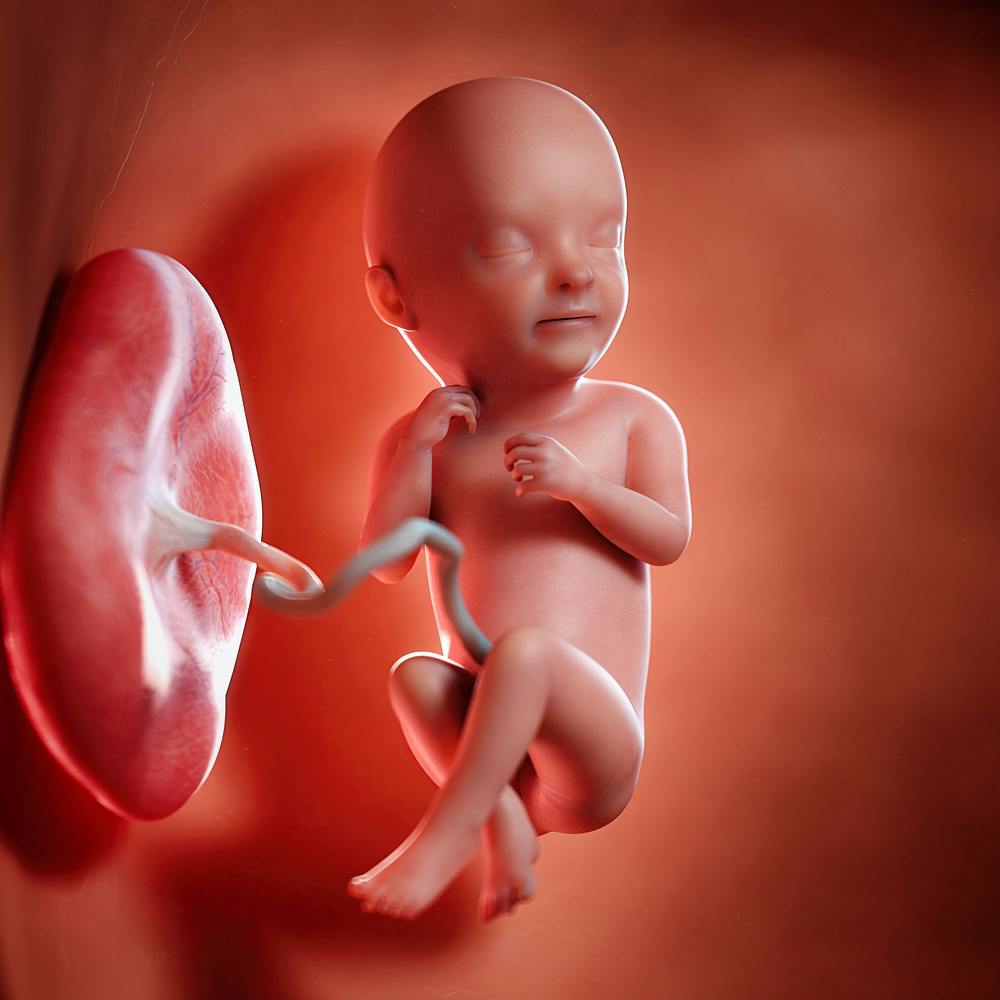
What science and imaging show about fetal “crying”
Ultrasound and fetal MRI give us a window into fetal behavior. Researchers and sonographers observe mouth opening, specific facial expressions, hiccups, and rhythmic breathing-like movements. These look similar to crying but occur without air entering the lungs, so no sound is produced.
Key findings:
- Fetuses practice breathing motions by moving the diaphragm and chest wall. These are called fetal breathing movements.
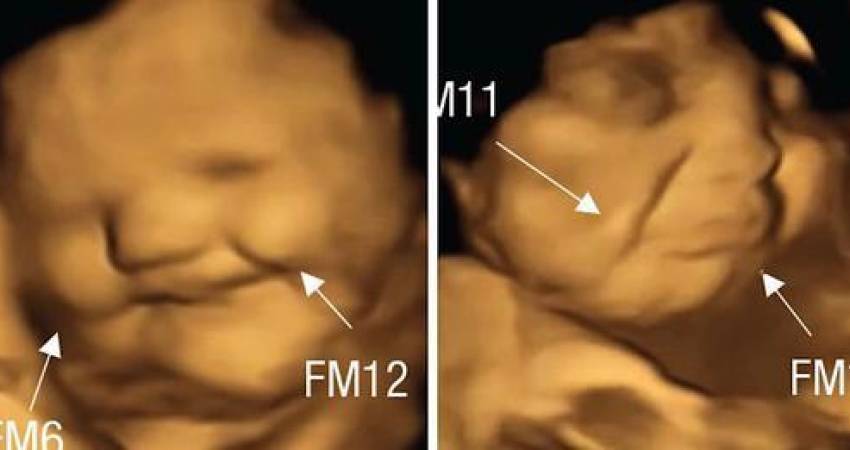
- Facial movements mimic crying expressions: mouth opening, grimacing, and tongue and lip motion.
- The fetal brain forms the circuits that control reflexes and facial muscles but lacks the coordinated lung-air flow needed for audible cries.
In short, the physical signs resemble crying, yet do babies cry in the womb in the way we experience crying after birth? No—audible crying needs air, which the womb doesn’t provide.
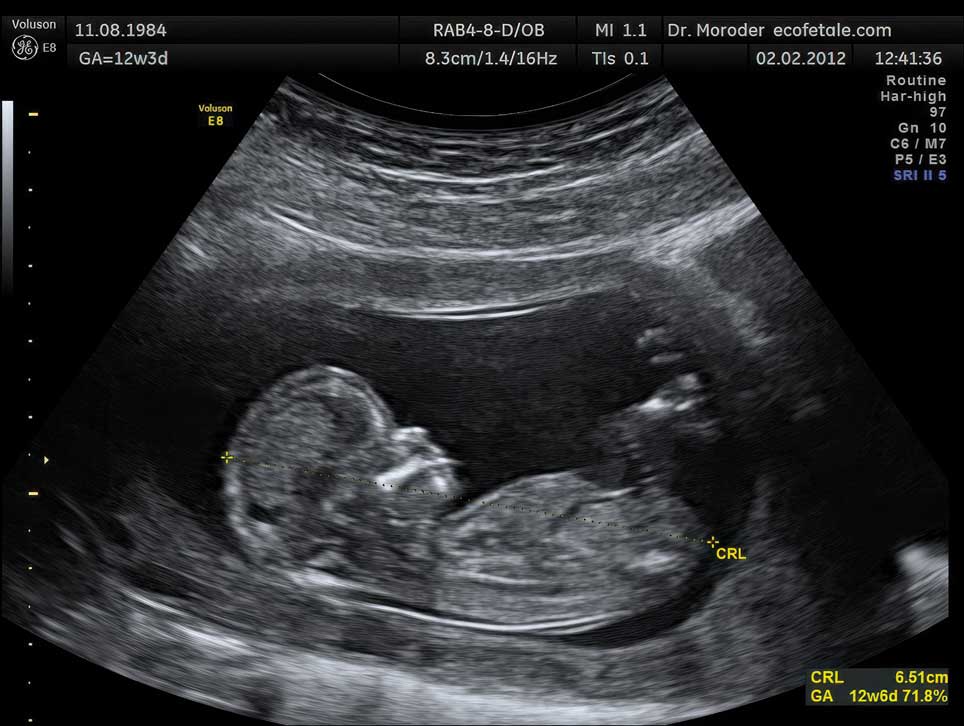
How fetuses “practice” crying: reflexes and preparation for life outside
Fetal behavior functions like rehearsal for life after birth. These rehearsals include:
- Breathing practice: Repeated inhalation-like movements help develop muscles and lung readiness.
- Swallowing and hiccups: These stabilize the digestive tract and coordinate breathing and swallowing.
- Facial expressions: Muscle training and neural wiring for facial motion take place well before birth.
These actions support survival once the baby breathes air. They also explain why ultrasound shows behaviors that look like crying. The fetus is building the tools to cry, not producing the sound yet.

Can mothers hear or feel fetal cries?
Mothers often wonder if a fetus cries audibly or if they can sense distress. The short answers:
- Hearing: No. The womb muffles external sound and prevents air-driven sound production. There is no audible fetal cry in utero.
- Feeling: Mothers may feel strong movements or rhythmic patterns like hiccups or kicks. These are often mistaken for crying but are physical movements rather than vocal sounds.
Fetal distress can cause different patterns of movement and changes on fetal monitoring. If you feel unusual patterns or decreased movement, contact your care provider right away.

Clinical significance: pain, distress, and medical view
Clinicians separate reflex behaviors from conscious emotional experiences. When evaluating do babies cry in the womb, doctors ask if the fetus shows signs of distress rather than whether it feels the emotion of crying.
Clinical points:
- Fetal distress markers include abnormal heart rate, reduced movement, or changes on ultrasound that suggest poor oxygenation.
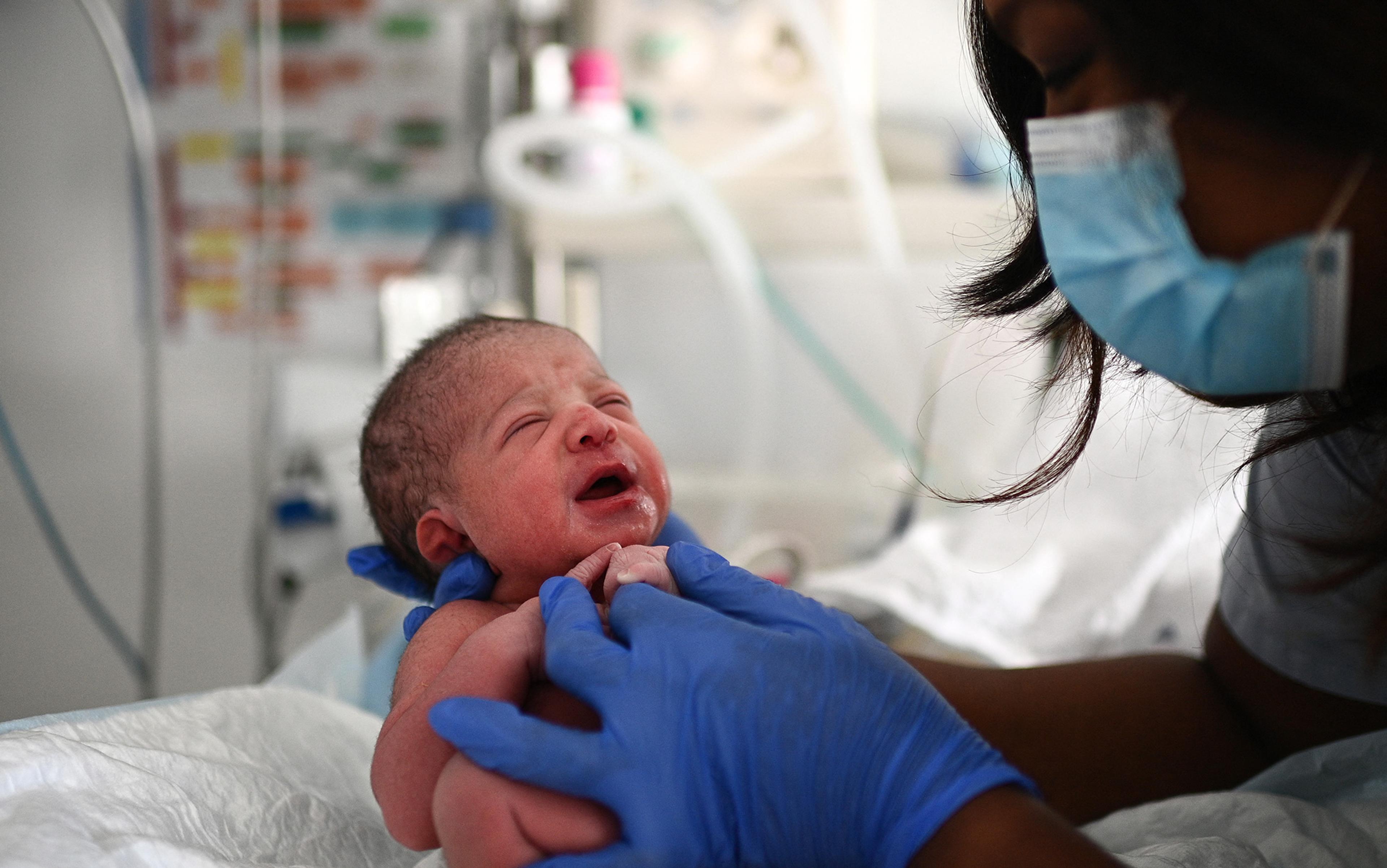
- Audible crying after birth is a sign of good lung function and an intact nervous system. This is why the APGAR and immediate newborn checks pay close attention to crying at birth.
- Interventions in utero focus on safety and physiology, not on preventing fetal “crying” as an emotional act.
I remember observing a delivery where immediate crying signaled robust lung transition. That cry was clinical reassurance, not something that could have happened earlier inside the womb.

Personal experience and practical tips for parents
From interviewing sonographers and supporting parents, here are practical tips about do babies cry in the womb:
- Expect practice behaviors. Seeing mouth movements on ultrasound is normal and common.
- Track movements. Regular fetal movement is reassuring. Use a kick count method if recommended by your provider.
- Know the difference between sound and sign. Movements that look like crying are rehearsals, not audible cries.
- Ask your care team. If an ultrasound raises concern, your provider will explain and recommend tests.
A personal note: when I watched a 3D ultrasound of a friend’s baby practicing sucking and mouth motions, it felt emotional. But the sonographer clearly explained these were development milestones, not signs of pain or active crying.
Common misunderstandings and limits of our knowledge
Clear, honest limits help trust the science. Common misconceptions include:
- Belief that fetal crying means emotional upset in utero. The fetal brain and context differ from postnatal emotions.
- Thinking ultrasound sounds are fetal cries. Ultrasound is silent; any noises you hear are machine artifacts or external sounds.
- Assuming all fetal facial movement signals distress. Many are normal developmental milestones.
Researchers continue to study fetal behavior and how prenatal signals relate to postnatal outcomes. Some links exist between prenatal stress environments and later behavior, but these are complex and not equivalent to fetal crying.
Frequently Asked Questions of do babies cry in the womb
Do babies make crying sounds before birth?
No. Crying sounds require air moving through the vocal cords. In the womb, the baby’s lungs are fluid-filled, so audible crying does not occur.
Why does my ultrasound show my baby opening its mouth?
Mouth opening is a normal reflexive action. It helps practice feeding, breathing motions, and facial muscle use before birth.
Can fetal crying indicate pain or distress?
Facial movements alone do not prove pain. Clinicians look for other signs like abnormal heart rate, reduced movement, or test results to assess fetal distress.
When should I contact my doctor about decreased movement?
Contact your provider if you notice fewer than usual movements or a clear change in the pattern you typically feel. Trust your instincts and get checked.
Does fetal “crying” affect bonding after birth?
No. Prenatal movements may make parents feel connected, and hearing the baby cry after birth often strengthens bonding, but in-womb movements are developmental rather than emotional cries.
Conclusion
We don’t hear babies cry in the womb, but we do see and measure the practice behaviors that prepare them to cry after birth. Understanding do babies cry in the womb helps set realistic expectations and reduces worry when you see mouth movements or breathing-like motions on ultrasound. If you notice a change in movement or have concerns, reach out to your care team for calm, timely advice. If this article helped, subscribe for more clear, friendly guides on pregnancy and newborn development, or leave a comment with your experiences.