No, teething does not usually cause a 103°F fever; that temperature needs medical attention.
Parents often wonder, “Can a baby get 103 fever from teething?” The short answer is no. Teething may cause sore gums, drooling, and a small rise in temperature, but a fever of 103°F (39.4°C) is more likely linked to an infection or another illness. Knowing the difference can help you act quickly without panic.
Can a baby get 103 fever from teething?
A baby should not get a 103°F fever from teething alone. Research and pediatric guidance show that teething may cause a slight temperature increase, but it does not usually cause a true high fever.
A body temperature of 103°F is considered a high fever. In babies, it may result from:
• A viral infection, such as a cold, flu, or respiratory virus
• An ear infection
• A urinary tract infection
• Pneumonia or another chest infection
• A stomach virus
• Less common but serious bacterial infections
Teething can happen at the same time as an illness. Babies often begin teething during the same months when they are exposed to more viruses through family members, child care, and playgroups. This timing can make it seem as if teething caused the fever.
A fever is not an illness by itself. It is the body’s response to a problem, much like a smoke alarm signals trouble in a home. The fever may be harmless, but the cause still matters.
What temperature is considered a fever in a baby?
A rectal temperature of 100.4°F (38°C) or higher is a fever in an infant. Rectal readings are generally the most accurate for young babies.
Temperature ranges can be understood this way:
• 98.6°F to 99.9°F: Usually within a normal range
• 100.4°F or higher: Fever
• 102°F or higher: High fever in many infants
• 103°F: High fever that should not be blamed on teething
The method used to check the temperature matters. A forehead thermometer can be useful, but readings may vary with room temperature, sweat, or how the device is placed. Ear thermometers may not be reliable in very young babies if they are not used correctly.
For the clearest reading:
- Use a digital thermometer.
- Follow the device instructions.
- Record the method and the temperature.
- Avoid checking right after a bath, heavy clothing, or vigorous crying.
- Do not use a glass mercury thermometer.
If a baby younger than 3 months has a rectal temperature of 100.4°F or higher, contact a health professional immediately. Do not wait to see if the temperature falls on its own.

Why teething does not cause a 103°F fever
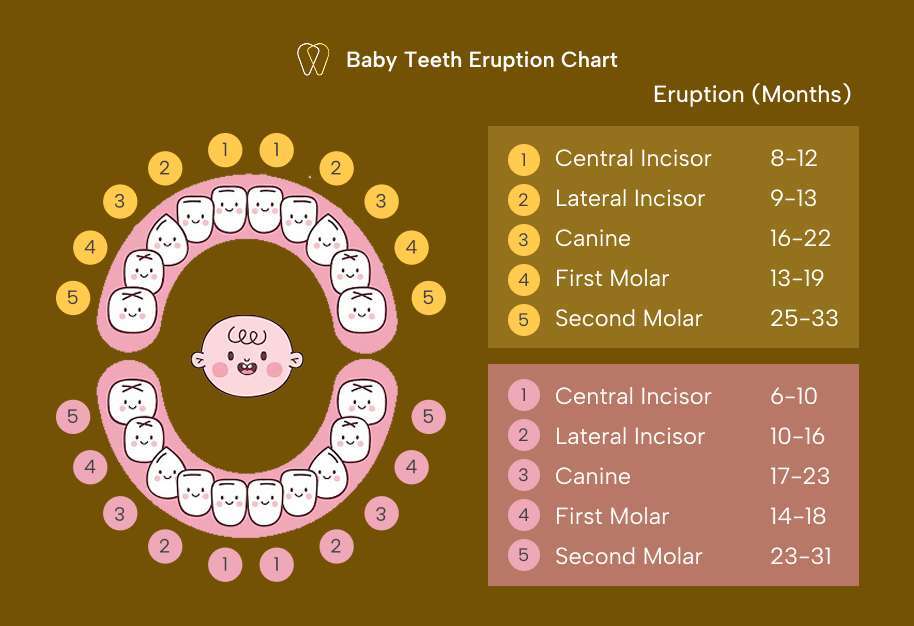
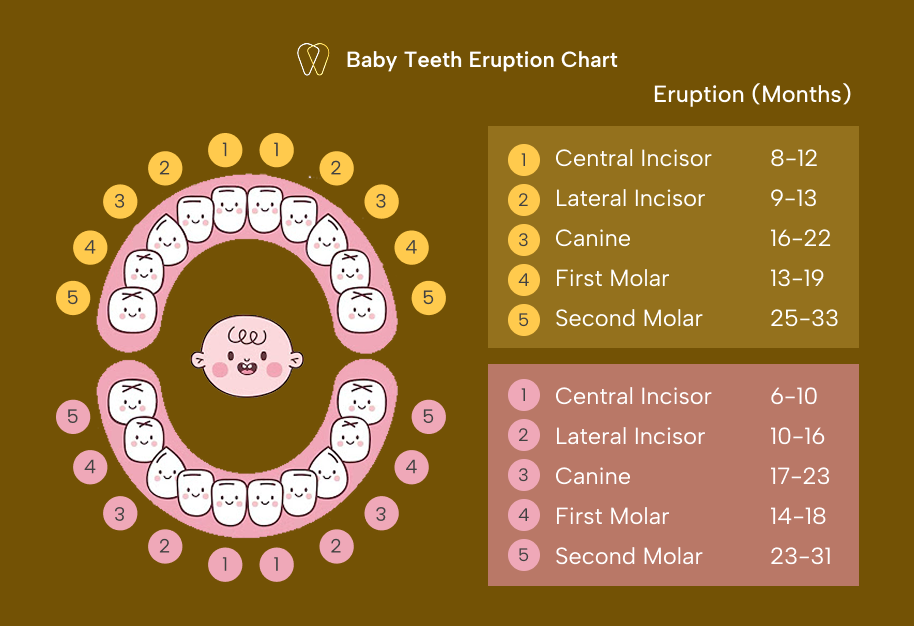
Teething occurs when a baby’s tooth moves through the gum. This can cause local irritation, but it does not normally activate the body’s full fever response.
Common teething symptoms include:
• Swollen or tender gums
• More drooling
• Chewing on toys, fingers, or clothing
• Fussiness
• Mild trouble sleeping
• A temporary change in appetite
• A slightly raised temperature
A small temperature increase may happen during teething. However, a true fever, especially 103°F, points to another cause. Teething does not weaken a baby’s immune system, but teething babies may put more objects in their mouths. This can increase exposure to germs.
A useful rule is simple: sore gums may be teething, but a high fever needs a separate explanation. If you are asking, “Can a baby get 103 fever from teething?” treat the fever as a possible illness rather than a normal teething symptom.
What to do when a baby has a 103°F fever
Stay calm, but take the fever seriously. Your first goal is to check the baby’s condition, not only the number on the thermometer.
Contact the baby’s pediatrician or an urgent medical service for guidance. A clinician may ask about the baby’s age, temperature method, symptoms, feeding, wet diapers, and behavior.
While waiting for advice:
• Offer breast milk or formula often.
• Continue normal feeds unless a clinician advises otherwise.
• Dress the baby in light, comfortable clothing.
• Keep the room at a comfortable temperature.
• Check for wet diapers and signs of dehydration.
• Let the baby rest.
• Write down the temperature and time.
• Use fever medicine only when appropriate for the baby’s age and weight.
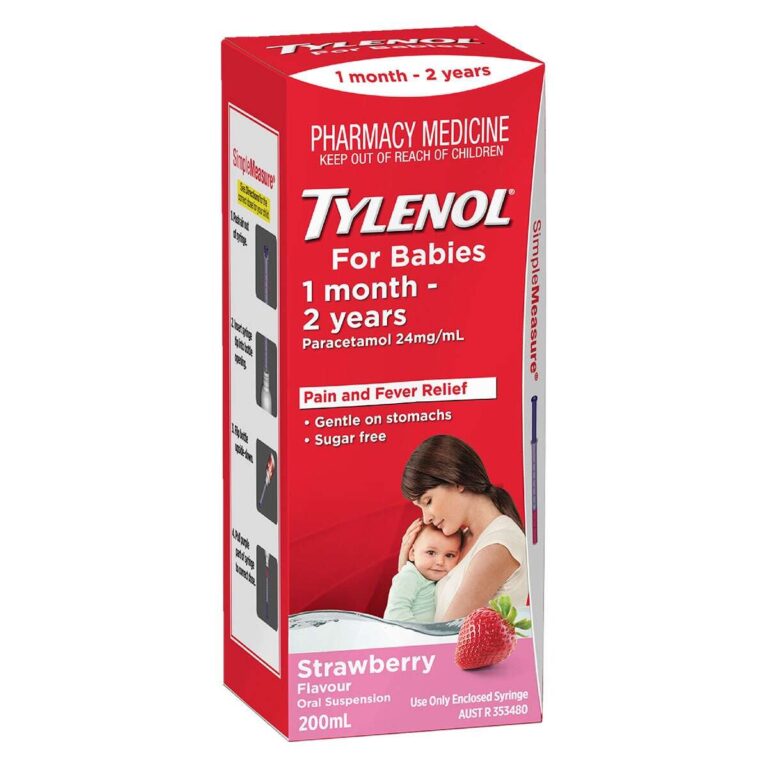
Acetaminophen may be used in babies older than 2 months when a health professional recommends the correct dose. Ibuprofen is generally not used in babies younger than 6 months unless a clinician specifically says to use it. Never give aspirin to a child because of the risk of a rare but serious illness.
Do not use ice baths, rubbing alcohol, or very cold water. Do not give adult medicine or guess the dose from an old prescription. More medicine does not mean faster recovery and can cause harm.
When a 103°F fever is an emergency
A 103°F fever needs prompt medical advice, but some symptoms require emergency care right away. Call emergency services or go to the nearest emergency department if the baby:
• Has trouble breathing
• Has blue, gray, or very pale skin
• Is difficult to wake or unusually unresponsive
• Has a seizure
• Has a stiff neck
• Has a purple or red rash that does not fade when pressed
• Has repeated vomiting
• Cannot keep fluids down
• Has signs of severe dehydration
• Has a weak or high-pitched cry
• Has a swollen soft spot on the head
• Looks severely ill or is getting worse quickly
Age is also important. A fever in a baby younger than 3 months is urgent, even when the baby looks fairly well. Babies between 3 and 6 months also deserve prompt medical advice, especially with a temperature near 103°F or changes in behavior.
Do not wait for a rash, cough, or runny nose to appear. Some infections, including urinary infections, may cause fever without obvious symptoms.

How to tell teething apart from illness
Teething usually causes local mouth symptoms. Illness often affects the baby’s whole body.
Teething is more likely when the baby has:
• Gum swelling in one area
• Drooling
• A strong urge to chew
• Mild fussiness
• Normal breathing
• Normal alertness between fussy periods
• No true fever
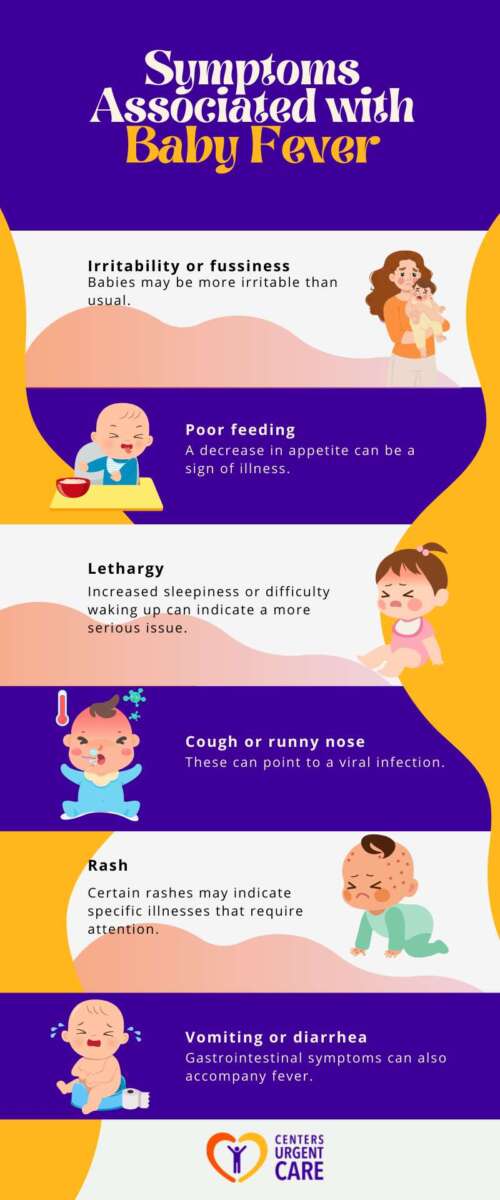
An infection is more likely when the baby has:
• A temperature of 100.4°F or higher
• A 103°F fever
• Cough, fast breathing, or chest pulling
• Diarrhea or repeated vomiting
• Poor feeding
• Fewer wet diapers
• Extreme sleepiness
• A new rash
• Ear pulling with marked distress
• Crying that is difficult to soothe
Ear pulling alone does not prove an ear infection. Babies may touch their ears while teething. Still, ear pulling combined with fever, poor sleep, or severe pain deserves a medical check.
The key lesson is that teething symptoms and infection symptoms can overlap. When in doubt, trust the fever reading and the baby’s overall condition rather than assuming every symptom is from teething.

How to check a baby’s temperature correctly
A correct temperature helps prevent both false alarm and false reassurance. Use a digital thermometer and select the method that fits the baby’s age and your clinician’s advice.
For young babies, a rectal temperature is often the most accurate. Use care and follow the thermometer instructions. Never force a thermometer, and stop if the baby resists strongly.
A forehead reading can be useful for screening. If it shows a high result, confirm it with a reliable method if possible and contact a medical professional.
Keep a simple record that includes:
• The temperature
• The time of each reading
• The thermometer method
• Medicine given, if any
• Feeding amounts
• Wet diaper counts
• New symptoms
• Changes in alertness or breathing
This information helps a clinician judge the situation more accurately. It also prevents accidental repeat doses of medicine.

Common causes of a 103°F fever in babies
A high fever may come from a range of illnesses. Viral infections are common, but a baby can also develop a bacterial infection that needs treatment.
Possible causes include:
Viral respiratory infections
Viruses can cause fever, cough, congestion, poor sleep, and reduced feeding. Some babies have a high fever before other symptoms become clear.
Ear infections
An ear infection may cause fever, fussiness, night waking, or feeding trouble. Sucking and swallowing can increase ear pain in some babies.
Urinary tract infections
A urinary tract infection may cause fever without a cough or runny nose. Babies may feed poorly, vomit, seem irritable, or have fewer wet diapers.
Stomach infections
Vomiting and diarrhea can lead to dehydration. Infants can lose fluids quickly, so watch wet diapers and alertness closely.
Serious bacterial infections
Less commonly, fever may be linked to pneumonia, meningitis, or bloodstream infection. These conditions require urgent assessment.
This list is not a diagnosis. A health professional may need to examine the baby, listen to the lungs, inspect the ears, or test urine.
Mistakes to avoid when a baby has a high fever
Parents often feel pressure to bring the number down at once. The safer goal is to keep the baby comfortable and find the cause.
Avoid these common mistakes:
• Assuming a 103°F fever is normal because the baby is teething
• Delaying care because the baby still smiles at times
• Giving medicine based on age alone instead of weight
• Using a kitchen spoon to measure liquid medicine
• Alternating medicines without professional instructions
• Bundling the baby in blankets to “sweat out” the fever
• Using cold baths or alcohol rubs
• Giving antibiotics left over from a prior illness
• Ignoring feeding, breathing, or diaper changes
A fever medicine may lower the temperature, but it does not treat every cause of fever. A baby can still need medical care even if the temperature falls after medicine.
One practical lesson many parents learn is to watch the whole baby, not just the thermometer. A slightly lower temperature does not always mean the illness is mild, while a baby with a moderate fever may still need urgent attention if breathing or hydration is affected.
How to comfort a teething baby safely
If a clinician rules out infection and the symptoms fit teething, simple comfort measures may help.
Try:
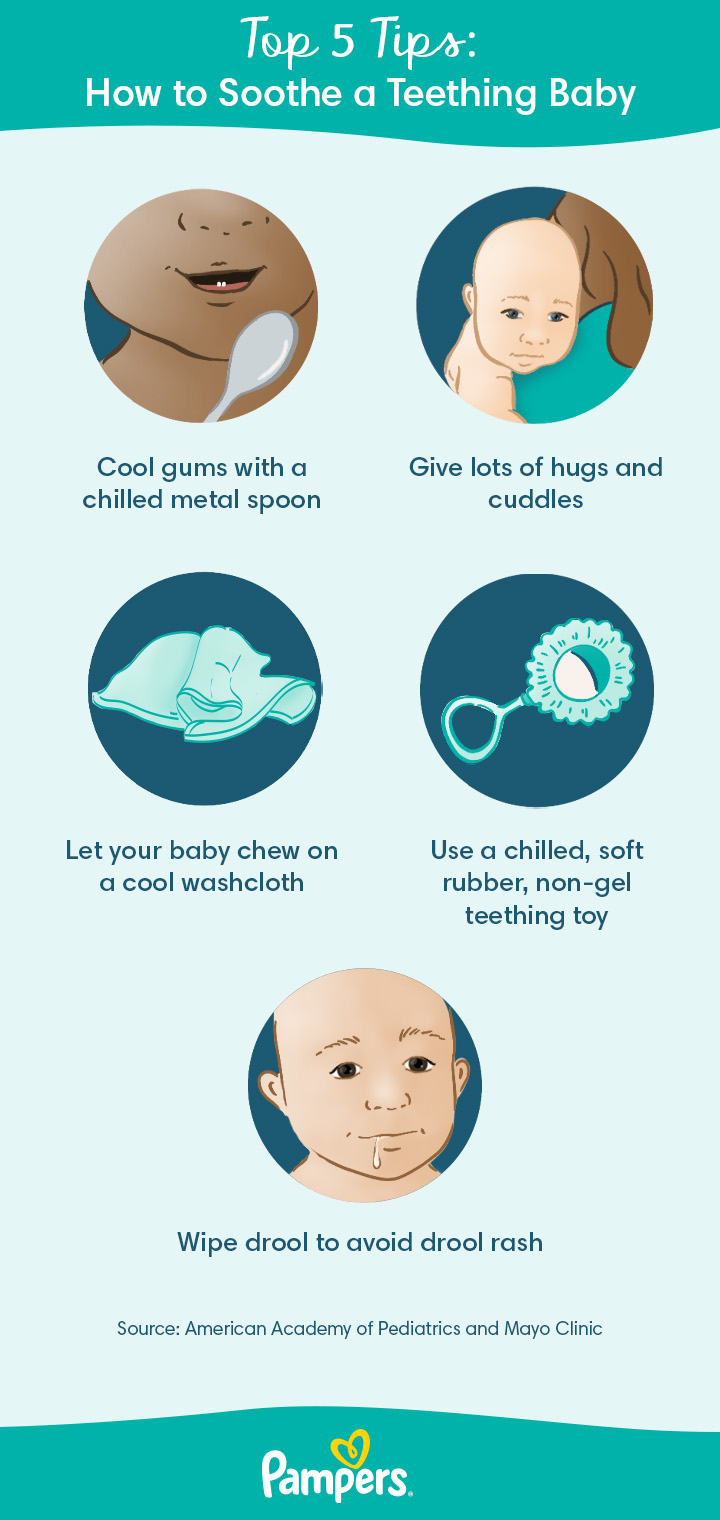
• A clean, cool washcloth for the baby to chew
• A firm rubber teething ring
• Gentle gum massage with a clean finger
• Extra cuddling and calm routines
• Soft foods if the baby already eats solids safely
Avoid frozen teething rings. Very cold items can injure the gums. Avoid amber necklaces, teething jewelry, and products that can break or cause choking or strangulation.
Do not use numbing gels containing benzocaine for infants unless a qualified clinician specifically directs you. Some teething products can cause serious side effects or provide little benefit.
Teething can be uncomfortable, but it should not explain a 103°F fever. If the fever returns, lasts, or comes with other symptoms, arrange another medical review.
Frequently Asked Questions
Can a baby get 103 fever from teething?
No. Teething may cause sore gums and a mild temperature rise, but it does not usually cause a 103°F fever. A high fever should be evaluated for infection or another medical cause.
What should I do if my teething baby has a 103°F fever?
Contact the baby’s pediatrician or an urgent medical service for advice. Seek emergency care if the baby has trouble breathing, is hard to wake, has a seizure, shows severe dehydration, or looks seriously ill.
Is 103°F a dangerous fever for a baby?
A 103°F fever is high and needs prompt medical guidance, especially in infants. The danger depends on the baby’s age, symptoms, hydration, breathing, and overall appearance.
When is a baby’s fever an emergency?
A rectal temperature of 100.4°F or higher is urgent in babies younger than 3 months. At any age, emergency signs include breathing trouble, blue skin, extreme sleepiness, seizures, a nonblanching rash, or severe dehydration.
Can teething cause diarrhea or vomiting?
Teething may change drooling and feeding patterns, but it does not usually cause significant diarrhea or repeated vomiting. Those symptoms may indicate an infection and should be discussed with a pediatrician.
Can I give fever medicine to a teething baby?
Use fever medicine only when it is suitable for the baby’s age and weight and follow professional dosing advice. Never give aspirin, and do not use ibuprofen in a baby younger than 6 months unless a clinician specifically recommends it.
Conclusion
The answer to “Can a baby get 103 fever from teething?” is no. Teething may cause gum pain, drooling, chewing, and mild fussiness, but a 103°F fever is more likely to come from an infection or another illness.
Check the temperature with a reliable digital thermometer, watch breathing and hydration, and contact a health professional promptly. For babies younger than 3 months, any fever of 100.4°F or higher needs immediate medical attention. When a baby has a high fever, trust your concerns and seek advice rather than assuming teething is the cause. Explore trusted pediatric health resources, save your clinician’s number, and share this guide with another parent who may need it.