
The most likely causes are sudden infant death syndrome, accidental suffocation, severe infection, or a congenital condition.
As a pediatric care professional with years of experience reviewing infant deaths and supporting grieving families, I’ll walk you through how investigators determine what caused Baby David’s death. This article breaks down medical causes, environmental risks, forensic steps, and prevention. I use clear explanations, real-world insights, and practical advice so you can understand the likely scenarios, the limits of certainty, and how families and caregivers can reduce risk.
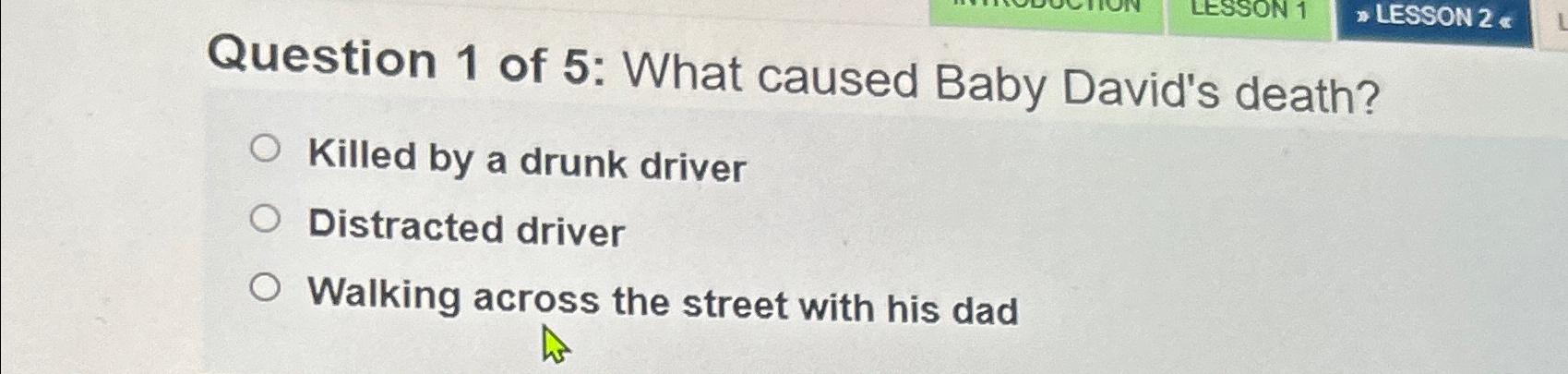
Understanding what caused baby david's death
When people ask what caused baby david's death, they want a clear, evidence-based answer. In many infant deaths, the final cause is one of a few categories: sudden infant death syndrome (SIDS), accidental suffocation or overlay, severe infection, congenital anomaly, metabolic disorder, or non-accidental injury. Each category points to different signs, tests, and scene findings. Real answers come from combining the medical exam, lab tests, the sleep and care environment, and the child’s medical history.
What caused baby david's death cannot be decided from a headline or rumor. A careful review of autopsy results, toxicology, scene investigation, and witness statements is required. In the sections below I explain each common cause and how professionals reach conclusions. I will also share lessons and prevention steps I’ve learned in clinical practice.
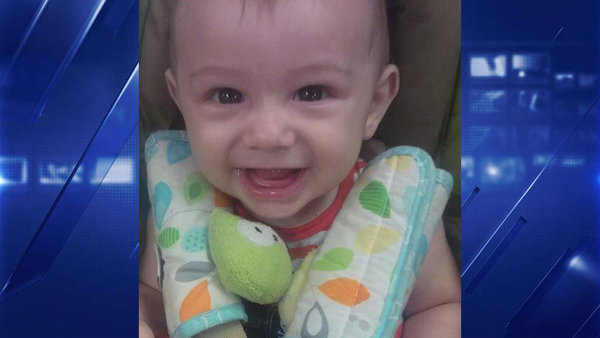
Common medical causes: SIDS, infections, and congenital problems
Sudden Infant Death Syndrome (SIDS)
- SIDS is an unexpected death in an infant under one year during sleep with no cause found after a full investigation.
- When asking what caused baby david's death, SIDS is often considered if autopsy, labs, and scene review show no clear cause.
- Risk factors include prone sleep, soft bedding, prematurity, and maternal smoking.
Severe infections
- Bacterial sepsis, meningitis, and severe viral infections can rapidly cause death in infants.
- If what caused baby david's death was an infection, autopsy and cultures usually show signs of inflammation or pathogens.
- Fever, lethargy, and feeding problems are common warning signs before a fast decline.
Congenital anomalies and metabolic disorders
- Serious heart defects, lung malformations, and inherited metabolic disorders can lead to sudden collapse.
- Genetic testing, tissue studies, and newborn screening results help answer what caused baby david's death when a congenital issue is suspected.
- Some conditions are detectable at birth; others need special testing after death.
Environmental and accidental causes: sleep safety and suffocation
Unsafe sleep environments
- A major question in any infant death is whether the sleep setting caused it.
- Bed-sharing with adults, soft bedding, pillows, and loose blankets raise the risk of suffocation and rebreathing.
- When determining what caused baby david's death, investigators assess mattress type, bedding, position found, and caregiver reports.
Accidental suffocation and overlay
- Overlay occurs when a caregiver unintentionally rolls onto an infant while asleep.
- Signs may include evidence of face covering, positional airway obstruction, or soot in the nose and mouth if associated with fumes.
- Scene reconstruction and witness accounts are critical for deciding whether suffocation was the cause.
Choking and airway obstruction
- Aspiration of milk, a small object, or vomit can block an infant’s airway.
- Forensic exams look for foreign material in the airway and signs of aspiration pneumonia.
- Clear documentation of feeding events and any gagging or coughing before collapse helps explain what caused baby david's death when choking is involved.
Non-accidental causes, neglect, and medical error
Non-accidental injury (abuse)
- Inflicted trauma, such as shaking or blunt force, can cause fatal brain injury in infants.
- In these cases, bruises, retinal hemorrhages, and specific brain findings on autopsy guide the determination of what caused baby david's death.
- Child protection teams, police, and forensic pathologists work together to establish intent and timeline.
Neglect and unsafe care
- Chronic neglect, unsafe sleeping routines, failure to seek care, or exposure to hazards can lead to fatal outcomes.
- Records of missed appointments, lack of vaccinations, or unsafe housing factor into the conclusion about what caused baby david's death.
- Social and family assessments are part of the postmortem review.
Medical error and complications
- Rarely, medical interventions or missed diagnoses contribute to death.
- Review of hospital records, medication administration, and procedure notes helps answer whether a medical error played a role.
- A root-cause analysis can clarify how systems or human factors may have led to the fatal event.
How investigators determine what caused baby david's death
Autopsy and pathology
- A full autopsy is the cornerstone. It looks for organ disease, trauma, infection, and congenital defects.
- Histology can reveal inflammation, heart muscle problems, or metabolic clues.
- Toxicology screens check for drugs, alcohol, or poisons.
Scene investigation
- Investigators document the scene, sleep position, bedding, and caregiving context.
- Photos, measurements, and interviews are used to recreate the final hours.
- Scene details are essential for distinguishing SIDS from suffocation or overlay.
Medical and family history
- Prenatal care, birth records, newborn screen results, and family history of sudden death shape the findings.
- Genetic testing may reveal inherited disorders that explain sudden death.
- Combining history with lab findings gives a stronger answer to what caused baby david's death.
Multidisciplinary review
- Forensic pathologists, pediatricians, law enforcement, and social workers meet to form a consensus.
- Some cases remain undetermined even after full review; that is an honest and common outcome.
- Clear, documented reasoning is critical when communicating a cause to the family.
:max_bytes(150000):strip_icc():focal(689x389:691x391)/David-Conde-Facebook-111622-9a4240fd7501416eaffd241d5d2e57a8.jpg)
Prevention: steps families and caregivers can take
Safe sleep practices
- Place infants on their back to sleep on a firm, flat surface.
- Keep pillows, soft toys, and loose bedding out of the crib.
- Room-share without bed-sharing for the first 6–12 months.
Health and medical care
- Keep up with well-child visits and newborn screenings.
- Seek prompt care for fever, breathing trouble, poor feeding, or unusual sleepiness.
- Maintain vaccinations as recommended.
Parental education and support
- Educate caregivers about the risks of smoking, alcohol, and drug use during pregnancy and postpartum.
- Share emergency signs and when to call for help.
- Encourage support systems to reduce caregiver fatigue and unsafe bed-sharing.
My personal experience
- In my years working in pediatric care, I have seen how small changes make a big difference. Families who adopt simple safe-sleep rules reduce the chance that what caused baby david's death will happen again. Honest, nonjudgmental conversations help caregivers accept and follow safety steps.
Common questions people ask about what caused baby david's death
Could SIDS be the reason for Baby David’s death?
SIDS is a possible reason when no cause is found after autopsy and scene review. Risk factors and absence of clear pathology make SIDS the default label in some unexplained cases.
How soon will investigators know what caused Baby David’s death?
Preliminary scene and clinical information can be immediate, but full answers often take weeks due to autopsy, histology, and toxicology. Patience is necessary for accurate results.
Can unsafe sleep cause sudden death with no visible injuries?
Yes. Airway obstruction and rebreathing can be fatal without external trauma. Scene evidence and bedding clues often point to suffocation or overlay.
When do experts suspect non-accidental injury?
Suspicion rises with inconsistent histories, unexplained bruises, retinal hemorrhages, or specific brain injuries on autopsy. A multidisciplinary team investigates further.
Are genetic or metabolic tests always done?
Not always. They are done when history, family patterns, or autopsy findings suggest a metabolic or genetic cause. Newer protocols increasingly use targeted testing when indicated.
What should a family do while waiting for results?
Keep open communication with investigators, preserve medical records, and seek support from trusted clinicians and grief counselors. Documenting care details and observations helps the review.
Conclusion
Answering what caused baby david's death requires careful, step-by-step investigation. Medical exams, toxicology, scene findings, and family history all matter. Sometimes the cause is clear; sometimes it remains unexplained despite thorough work. Learn and act on prevention steps now: safe sleep, prompt medical care, and caregiver support can reduce risk. If this topic touches you personally, reach out to professionals for guidance and to share information that may help clarify the cause. Please consider subscribing for updates, leaving a comment with questions, or seeking local resources to stay informed and safe.