
Tylenol, the U.S. brand name for acetaminophen, does not usually make babies sleepy. If your baby sleeps after taking it, the more likely cause is the fever, pain, infection, or poor sleep that led you to give the medicine.
A baby who is hard to wake, unusually weak, limp, or breathing abnormally needs urgent medical care. Sleepiness after a dose can also signal an acetaminophen overdose, especially if the dose or product was not clear.
Does Tylenol make babies sleepy?
Tylenol is not a sleep medicine and does not normally cause drowsiness in babies. Acetaminophen works mainly by reducing pain and fever. It does not contain a sedative.
A sick baby may sleep more because the illness is tiring. Fever, ear pain, teething discomfort, a cold, or a mild viral infection can all change a baby’s sleep. Once pain or fever improves, the baby may also relax and fall asleep.


This can make it seem as if Tylenol caused the sleep. In most cases, the medicine may have helped the baby feel better, while the illness caused the tiredness.
The American Academy of Pediatrics advises parents to use acetaminophen for pain or fever only when needed and to follow an age- and weight-based dose. The U.S. Food and Drug Administration also warns parents to check labels carefully because some children’s products may contain acetaminophen.
Normal tiredness versus concerning sleepiness
A tired baby may:
- Wake with gentle touch or a normal feeding routine
- Make eye contact
- Feed close to their usual amount
- Cry, move, or respond normally when awake
- Have normal skin color and breathing
Concerning sleepiness may look like:
- Trouble waking the baby
- A weak cry or little response
- Limpness or unusual weakness
- Poor feeding or refusing several feeds
- Repeated vomiting
- Slow, fast, or difficult breathing
- Pale, blue, gray, or very unusual skin color
The key question is not simply, “Did my baby fall asleep?” Ask instead: Can my baby wake, respond, breathe normally, and feed?
Why might a baby sleep after taking Tylenol?
A baby may sleep after Tylenol because the underlying pain or fever is improving. The timing can be misleading, much like opening an umbrella just before rain stops does not mean the umbrella changed the weather.
Common reasons include:
The illness is making the baby tired
Fever and infection can increase sleep. Babies may also sleep more when their bodies are fighting a virus or when they have had several poor feeds.
Pain relief allows rest
Pain can keep a baby awake. If acetaminophen eases discomfort, the baby may finally settle. This is an indirect effect of feeling better, not a sedative effect.
The baby was already ready for sleep
Babies often take medicine near nap time or bedtime. A dose given after a feeding, bath, or period of crying may simply happen to come before sleep.


The baby may be dehydrated or getting sicker
Excessive sleepiness is not always harmless. A baby who is taking fewer fluids, has fewer wet diapers, vomits, or becomes difficult to wake may need medical assessment.
For infants, behavior and feeding can be more useful warning signs than the number on a thermometer alone. If your baby seems much less alert than usual, call a health professional.
When is sleepiness after Tylenol an emergency?
Call 911 in the U.S. if your baby is difficult to wake, has trouble breathing, turns blue or gray, has a seizure, or appears limp or unresponsive.
Call your child’s doctor promptly if your baby:
- Is much sleepier than usual
- Will not feed or cannot stay awake to feed
- Has repeated vomiting
- Has far fewer wet diapers
- Has a fever and is younger than 3 months
- May have received too much acetaminophen
- Received more than one product that contains acetaminophen
For possible poisoning, contact Poison Control in the United States at 1-800-222-1222. The service is free and available 24 hours a day. Do not wait for symptoms if you think your baby received an incorrect dose.
An overdose may not cause immediate signs. Early symptoms can include nausea, vomiting, sweating, pale skin, or unusual tiredness. Serious liver injury can develop later. Because of this delay, suspected overdose needs prompt advice even if the baby seems fine.
Do not make your baby vomit. Keep the medicine bottle, package, syringe, and the time and amount given nearby when you call.
How to give Tylenol safely to a baby
Use these steps to reduce dosing errors.
1. Ask before giving it to a young infant
For a baby younger than 3 months, contact a doctor before giving acetaminophen for a fever. A fever in this age group can require prompt evaluation.
For babies under age 2, the U.S. product label says to ask a health professional for dosing advice. Do not rely on an internet chart or a guess.
2. Use the baby’s current weight
Acetaminophen dosing is based mainly on weight. If you do not know your baby’s current weight, ask a health professional or pharmacist for help.
Do not use an old dose from a previous illness. Babies gain weight quickly, and the correct amount may change.
3. Check the concentration
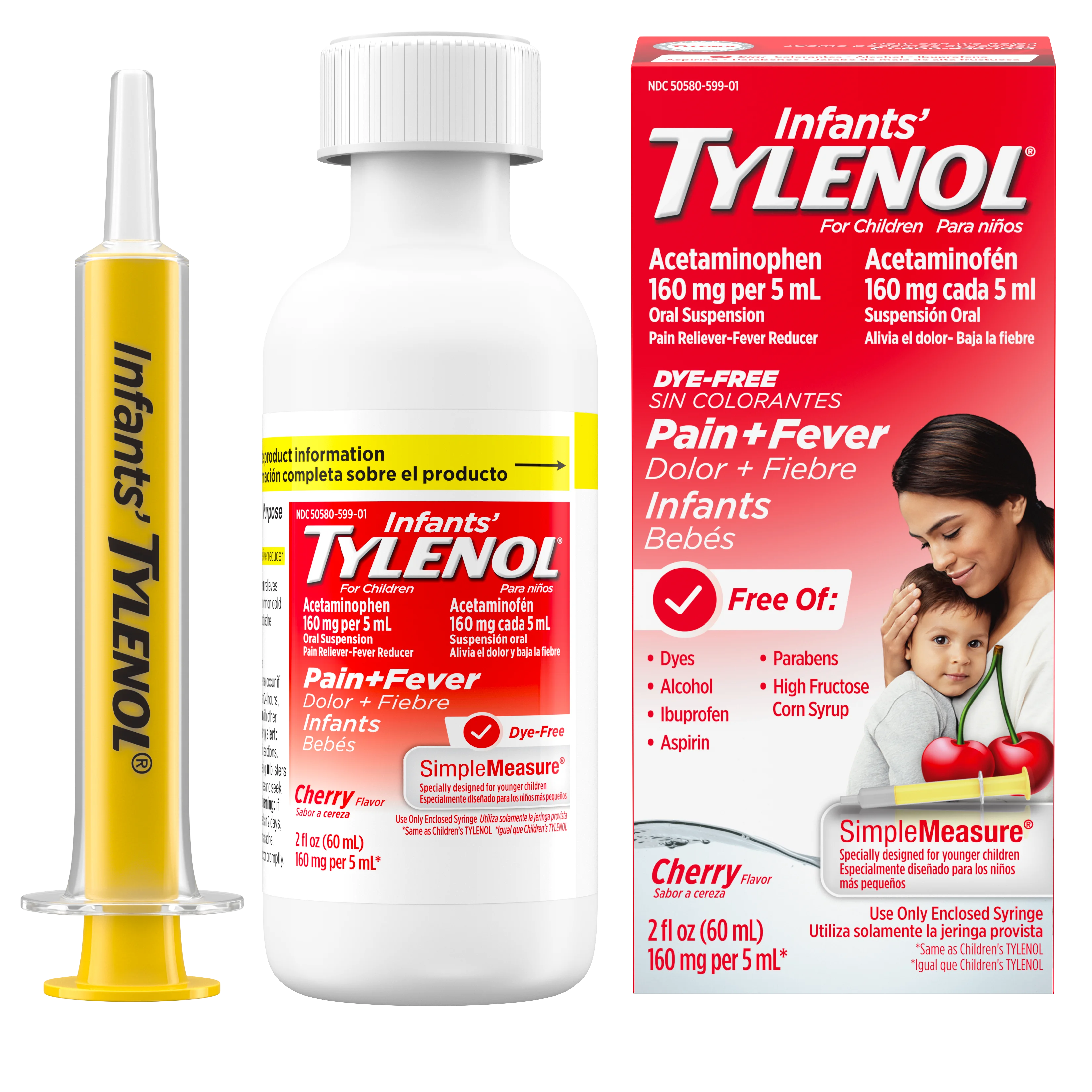
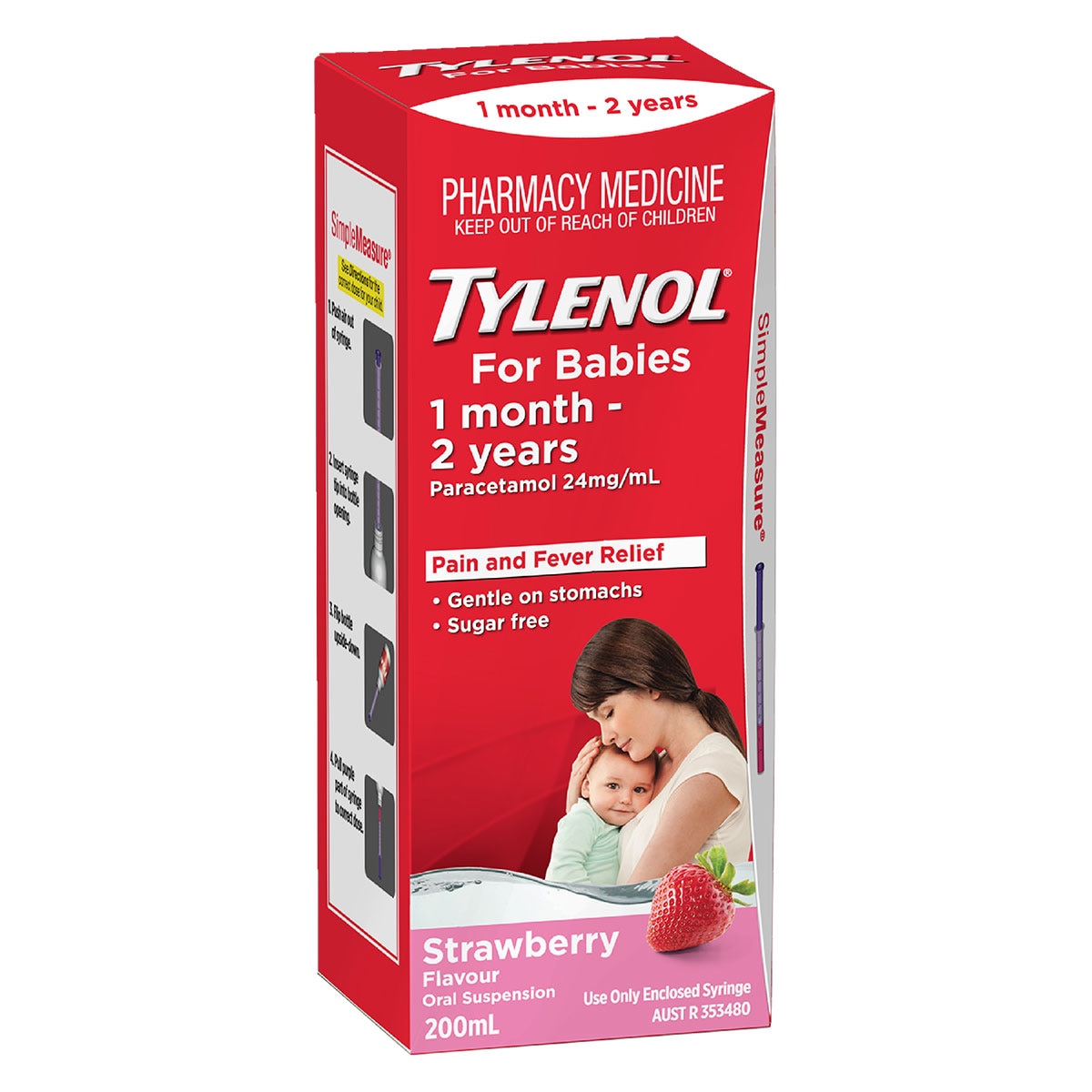
In the United States, liquid acetaminophen products may have different concentrations or instructions. Read the Drug Facts label each time.
Never assume that “infant” and “children’s” products use the same concentration. Compare:


- The active ingredient
- The amount of acetaminophen per milliliter
- The recommended dose
- The measuring device included with the product
4. Measure with an oral syringe
Use the syringe that comes with the medicine or one supplied by a pharmacist. An oral syringe is more accurate than a kitchen teaspoon.
Check that the syringe uses the same unit as the label, such as milliliters. Do not use a syringe from another medicine unless its markings match the prescribed amount.
5. Record each dose
Write down:
- The time of the dose
- The amount given
- The product concentration
- Who gave it
This simple record can prevent a second caregiver from giving another dose too soon.
6. Avoid duplicate acetaminophen
Do not combine Tylenol with another medicine that lists acetaminophen as an active ingredient. Some prescription and over-the-counter products use the abbreviation APAP.
Many cough and cold products are not recommended for young children. They may also contain ingredients that are unsafe or unnecessary for babies. Ask a pediatrician or pharmacist before giving any multi-ingredient product.
How often can a baby take Tylenol?
The correct amount and timing depend on the baby’s weight, age, health, and the product label. Do not estimate the dose or frequency from memory.
A pediatrician or pharmacist can tell you:
- The correct dose in milliliters
- The minimum time between doses
- The maximum amount in 24 hours
- Whether acetaminophen is appropriate for your baby
Avoid switching between acetaminophen and ibuprofen without medical guidance. Ibuprofen is generally not used in babies younger than 6 months unless a clinician specifically advises it. Alternating medicines can also create a record-keeping error.
Never give aspirin to a child or baby unless a doctor specifically prescribes it. Aspirin has important safety risks in children.
What should you do if your baby falls asleep after Tylenol?
If your baby falls asleep but is breathing normally, has normal color, and wakes or responds with gentle touch, check on them regularly and follow the care plan given by your child’s doctor.
You can:
- Watch the baby’s breathing and skin color.
- Check whether the baby responds to gentle touch.
- Offer a feed when the baby wakes, if appropriate.
- Track wet diapers.
- Write down the medicine, dose, and time.
- Call the pediatrician if the baby remains unusually sleepy or is feeding poorly.
Do not give another dose just because the baby is still tired. Tylenol treats pain and fever; it does not treat the cause of unusual sleepiness.


If you are unsure whether the baby received the right amount, call Poison Control at 1-800-222-1222 or contact the child’s doctor. Bring the bottle or a photo of its label if you seek care.
Frequently asked questions
Can Tylenol help a baby sleep?
Tylenol may help a baby sleep if pain or fever was keeping the baby awake. It should not be used as a sleep aid. Giving acetaminophen when a baby does not have pain or fever exposes the baby to medicine without a clear benefit.
Can teething make a baby sleepy?
Teething may make a baby irritable and disrupt sleep. A baby may then sleep more after the discomfort settles. However, marked lethargy, poor feeding, fever in a young infant, or difficulty waking is not something to assume is caused by teething.
Should I wake my baby after giving Tylenol?
Not solely because Tylenol was given. If your baby is sleeping comfortably, breathing normally, and responds normally when checked, follow your clinician’s instructions. Wake or seek advice if the baby needs fluids, has a medical condition requiring scheduled feeds, or is unusually hard to wake.
Can a Tylenol overdose make a baby sleepy?
It can. Unusual tiredness may occur after too much acetaminophen, but symptoms can be mild or delayed. Call Poison Control right away if you suspect an overdose, even if your baby seems normal.
Is infant Tylenol safer than children’s Tylenol?
The name on the front does not by itself determine safety. The active ingredient and concentration matter. Use only the product and dose recommended for your baby, and check the label before every dose.
The bottom line
Tylenol does not normally make babies sleepy. Sleep after a dose is more often linked to illness, fever, pain relief, or normal nap timing.
Watch how your baby responds, feeds, breathes, and wakes. For a baby younger than 3 months with a fever, unusual sleepiness, poor feeding, or a possible dosing error, contact a U.S. health professional promptly. For suspected overdose, call Poison Control at 1-800-222-1222.
