Introduction
You usually cannot measure how much milk a baby drinks at the breast. The best way to estimate breastfeeding amount is to track feeding patterns, wet diapers, stool changes, and weight gain. For a baby who takes expressed breast milk, you can measure the amount in a bottle.
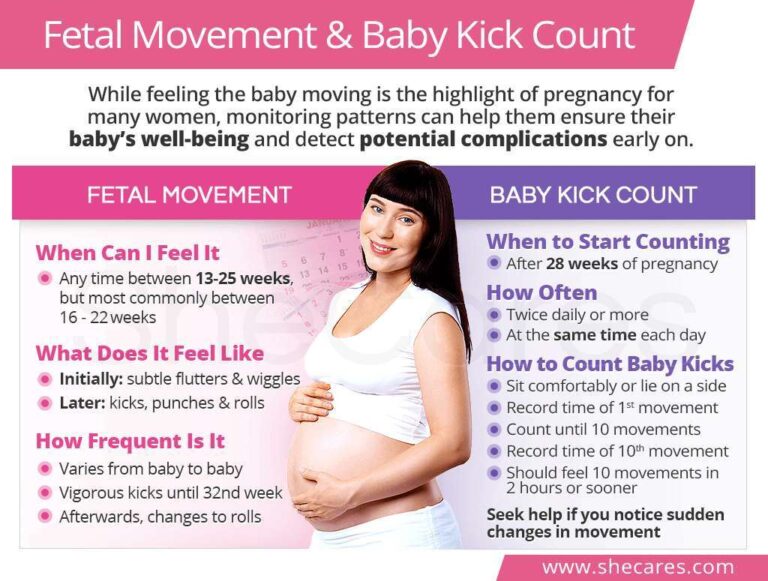
In the United States, most healthy newborns breastfeed 8 to 12 times in 24 hours. As babies grow, they may take fewer feeds but drink more at each feed. The right amount can vary by age, body size, growth rate, and health.
This guide explains how to estimate breast milk intake, use a simple calculation for expressed milk, check whether your baby is getting enough, and know when to call a pediatrician or lactation consultant.

Can You Measure How Much a Baby Drinks While Breastfeeding?
You cannot measure milk transfer at the breast with a regular bottle or breast pump. A baby may remove more or less milk than a pump, and the amount you pump does not show your total milk supply.
The most accurate way to measure one breastfeeding session is a weighted feed. This means weighing the baby before and after feeding on a precise infant scale.
How a weighted feed works
- Weigh the baby before feeding.
- Breastfeed as usual.
- Weigh the baby again without changing clothes or diaper.
- Compare the two weights.
A weight increase of 1 gram is about equal to 1 milliliter of milk. For example, if a baby weighs 120 grams more after feeding, the baby likely took about 120 milliliters, or about 4 ounces.
A lactation consultant or health care professional should perform or guide a weighted feed. Home bathroom scales are not accurate enough for this purpose.
A weighted feed measures one session only. It does not predict every feed, since milk transfer can change during the day.

How to Calculate Breastfeeding Amount for Expressed Milk
For expressed breast milk, the simplest method is:
Daily milk amount ÷ number of feeds = approximate amount per feed
This estimate works best for babies who are past the early newborn stage and are growing normally.
A rough daily estimate
A commonly used starting estimate for a full-term infant is:
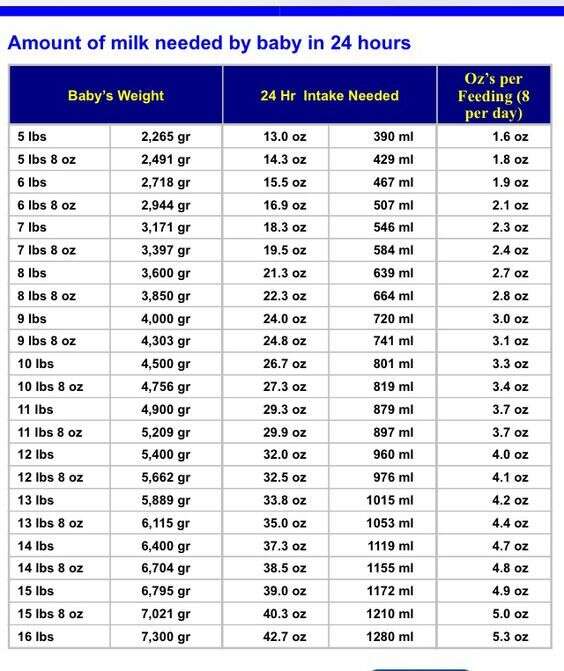
2.5 ounces of breast milk per pound of body weight per day
This is only a planning estimate. It is not a strict target or a medical rule.
Example calculation
Suppose your baby weighs 12 pounds and feeds about 8 times each day:
- 12 pounds × 2.5 ounces = 30 ounces per day
- 30 ounces ÷ 8 feeds = about 3.75 ounces per feed
You might offer about 3 to 4 ounces per bottle, then watch your baby’s hunger and fullness cues.
Do not pressure a baby to finish the bottle. Some feeds may be smaller, while others may be larger.
Metric calculation
You can also use body weight in kilograms:
Weight in kilograms × about 150 milliliters = rough daily amount
For example:
- 5.4 kilograms × 150 milliliters = 810 milliliters per day
- 810 milliliters ÷ 8 feeds = about 100 milliliters per feed
That equals about 3.4 fluid ounces per feed.
These formulas are not designed for premature babies, babies with poor weight gain, or babies with a medical condition. Those babies need an individualized plan.

Breastfeeding Amount by Baby’s Age
Breast milk intake changes during the first weeks. Feeding frequency and diaper output are often more useful than trying to match a fixed number.
| Baby’s age | What is common |
|---|---|
| First 24 hours | Small amounts of colostrum at frequent feeds |
| Days 2–3 | More frequent feeds as milk volume begins to rise |
| Days 4–7 | Milk volume often increases; diaper output should also rise |
| About 2–6 weeks | Many babies feed 8–12 times in 24 hours |
| About 1–6 months | Daily intake often becomes more stable, but feeds still vary |
| After 6 months | Breast milk remains important while solid foods are added when developmentally ready |
Newborns often take very small amounts of colostrum. Colostrum is thick and concentrated, so early feeds may not look like later bottle feeds.
A baby may also have periods of cluster feeding, when they want to nurse many times close together. Cluster feeding does not always mean that milk supply is low.
The American Academy of Pediatrics recommends exclusive breastfeeding for about the first six months when possible, followed by continued breastfeeding with complementary foods. Families may need a different plan based on health, work, medication, or personal needs.

How to Tell Whether Your Baby Is Getting Enough Milk
The best overall check is a combination of feeding behavior, diaper output, and weight gain.
1. Watch feeding patterns
Most newborns feed 8 to 12 times per day. A baby may nurse on one or both breasts at a feed. Some feeds are short, and some are long.
Signs of active milk transfer can include:
- A deep latch
- Slow, deep sucks
- Regular swallowing
- Softer breasts after feeding
- A relaxed baby after many feeds
A baby does not need to seem sleepy after every feed. Some healthy babies remain alert.
2. Count wet diapers
Wet diapers should increase during the first days of life. A common pattern is:
- Day 1: at least 1 wet diaper
- Day 2: at least 2 wet diapers
- Day 3: at least 3 wet diapers
- Day 4 and later: about 6 or more wet diapers per day
Diaper counts can be hard to judge with very absorbent disposable diapers. Follow your pediatrician’s instructions if they give you a different plan.
3. Look at weight gain
Weight is the strongest routine measure of milk intake over time. Many newborns lose some weight after birth. Most regain their birth weight by about 10 to 14 days, though the timing can differ.
Your child’s clinician should review:
- Birth weight
- Lowest weight
- Current weight
- Rate of gain
- Feeding history
- Prematurity or health concerns
Do not compare your baby’s weight with another baby. Growth charts work best when a clinician looks at the pattern over time.

Breastfeeding Amount Calculator
Use this simple calculator for a rough estimate of expressed milk.
Step 1: Find your baby’s weight
Use pounds or kilograms.
Step 2: Estimate daily milk
For pounds:
Baby’s weight in pounds × 2.5 = rough ounces per day
For kilograms:
Baby’s weight in kilograms × 150 = rough milliliters per day
Step 3: Divide by daily feeds
Daily amount ÷ number of feeds = rough amount per feed
Example table
| Baby’s weight | Rough daily amount | If feeding 8 times daily | Approximate amount per feed |
|---|---|---|---|
| 8 lb | 20 oz | 20 ÷ 8 | 2.5 oz |
| 10 lb | 25 oz | 25 ÷ 8 | 3.1 oz |
| 12 lb | 30 oz | 30 ÷ 8 | 3.75 oz |
| 14 lb | 35 oz | 35 ÷ 8 | 4.4 oz |
These are examples, not required amounts.
How much milk should you put in a bottle?
Start with the amount your baby usually takes. If you do not know, offer a smaller amount first, such as 2 to 3 ounces, and add more if the baby still shows clear hunger cues.
This can reduce waste and help prevent overfeeding.
Use paced bottle-feeding:
- Hold the bottle nearly level.
- Let the baby pause.
- Watch for turning away, relaxed hands, or slower sucking.
- Stop when the baby shows fullness.
A bottle can flow faster than the breast. A baby may keep sucking even after becoming full, so the caregiver should not encourage the baby to finish every bottle.

Pumping Amount Does Not Equal Breastfeeding Amount
The amount you pump is not a reliable measure of how much milk your baby can get at the breast.
Pumping output may change because of:
- The time of day
- The pump type
- Flange fit
- How long it has been since the last feed
- Stress or discomfort
- Recent feeding
- Milk storage or collection methods
- The baby’s age
A parent may pump only a small amount after nursing and still have an adequate milk supply. Another parent may pump a large amount because the breasts were very full or because a feed was replaced.
Instead of judging supply by one pumping session, look at the full picture: weight gain, wet diapers, feeding behavior, and professional assessment when needed.

What to Do If Your Baby Does Not Seem Satisfied
First, check whether the concern is about one feed or a repeated pattern. Babies can be fussy for many reasons, including tiredness, gas, illness, temperature, or the need to suck for comfort.
If the pattern continues, check these points:
Check the latch
Pain, clicking sounds, slipping off the breast, or shallow sucking may point to a latch problem. A lactation consultant can observe a feed and suggest changes.
Offer frequent feeds
Newborns often need frequent access to the breast. Do not wait for intense crying when possible. Early hunger cues include:
- Stirring
- Hand-to-mouth movements
- Rooting
- Lip movements
Crying is a late hunger cue.
Use breast compression
Gentle breast compression during active sucking may help milk flow. Stop if it causes pain.
Consider a weighted feed
A weighted feed can show whether the baby is transferring milk. It is more useful than guessing from how full the breasts feel.
Review bottle technique
If the baby receives expressed milk, use paced feeding and a suitable nipple flow. A very fast flow can cause coughing, gulping, or rapid feeding.
Do not begin supplements, herbs, prescription drugs, or a strict pumping schedule without discussing the plan with a pediatrician or lactation professional.

When to Call a Pediatrician or Lactation Consultant
Contact your baby’s health care professional promptly if your baby:
- Has fewer wet diapers than expected
- Is very sleepy and hard to wake for feeds
- Has trouble latching or swallowing
- Repeatedly vomits
- Has a dry mouth or other signs of dehydration
- Continues to lose weight
- Has not regained birth weight as expected
- Appears yellow and is feeding poorly
- Feeds fewer than about 8 times per day as a newborn
- Does not seem to transfer milk
Seek urgent medical care if your baby is difficult to wake, has breathing trouble, shows severe dehydration, or seems seriously ill.
For breastfeeding support in the United States, you can ask your pediatrician, hospital, or health department about an International Board Certified Lactation Consultant, often called an IBCLC.
The Centers for Disease Control and Prevention provides breastfeeding guidance, and the American Academy of Pediatrics offers parent information on feeding and infant growth. These resources can support, but not replace, care from your child’s clinician.

Common Mistakes When Calculating Breast Milk Intake
Treating the calculator as a required target
The formula gives a rough starting point. Babies do not drink the same amount at every feed.
Using pump output as proof of low supply
Pump output can be low even when direct breastfeeding is going well.
Measuring with an ordinary scale
Small changes in milk intake require a precise infant scale. A household scale may give a misleading result.
Ignoring weight trends
Diapers and feeding behavior help, but weight gain gives the clearest long-term picture.
Making a bottle too large
Large bottles can increase waste and may lead some babies to take more than they need. Start with a reasonable amount and follow the baby’s cues.
Comparing breast milk with formula amounts
Formula-fed babies may follow different feeding patterns. Do not assume that a breastfed baby must take the same amount as a formula-fed baby.

Key Takeaways
- You cannot directly measure milk intake at the breast with a normal bottle or pump.
- A weighted feed can estimate milk transfer for one nursing session.
- For expressed milk, a rough estimate is 2.5 ounces per pound of body weight per day.
- Divide the daily estimate by the number of feeds to estimate the amount per bottle.
- Wet diapers, active feeding, and weight gain matter more than one pump session.
- Newborns often breastfeed 8 to 12 times in 24 hours.
- Ask a pediatrician or lactation consultant about poor diaper output, poor weight gain, weak feeding, or possible dehydration.
FAQs
How many ounces should a breastfed baby drink per feeding?
There is no single correct number. Many older infants take about 2 to 5 ounces per feed, but the amount depends on age, weight, feeding frequency, and whether the milk is offered at the breast or in a bottle.
How much breast milk should I leave for a caregiver?
Estimate the baby’s usual feed size and leave several smaller bottles rather than one very large bottle. A rough starting point is 2.5 ounces per pound per day, divided across the baby’s daily feeds. Adjust based on the baby’s normal intake.
Does breast milk intake increase as the baby gets older?
Daily milk intake often becomes more stable after the first month. Some babies take larger feeds, while others continue to nurse often. Breast milk composition also changes as the baby grows.
Can I tell how much milk my baby gets by how long the baby nurses?
No. Time at the breast does not show milk intake. A baby may transfer milk quickly, or may nurse longer with less active swallowing.
Should I wake my newborn to breastfeed?
Many newborns need regular feeds, including at night. Ask your pediatrician for specific guidance, especially if your baby was premature, has jaundice, has weight loss, or has difficulty feeding.
Conclusion
To calculate breastfeeding amount, use measured bottles when your baby drinks expressed milk, or use a weighted feed when you need an estimate at the breast. For a rough bottle plan, multiply weight in pounds by 2.5 ounces, then divide the result by the number of daily feeds.
Use that number as a starting point, not a rule. The most useful signs are steady weight gain, enough wet diapers, active swallowing, and a baby who feeds well. If those signs are not present, contact your pediatrician or an IBCLC rather than trying to solve the problem with a calculator alone.