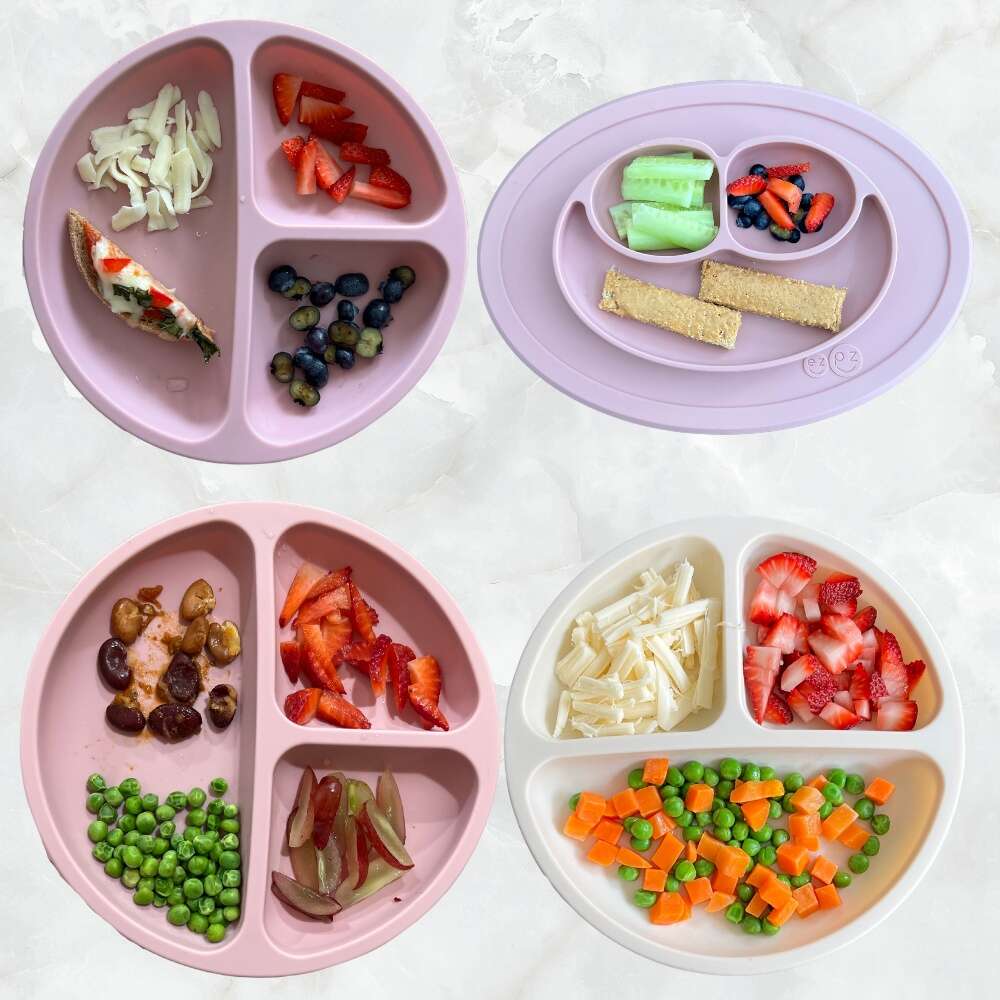
At 10 months, most babies can eat a range of soft finger foods. Cut food into soft, narrow strips or tiny pieces that your baby can pick up and mash with their gums. Always seat your baby upright, stay close, and avoid hard, round, sticky, or tough foods that can block the airway.
The safest cut depends on the food’s shape, texture, and your baby’s eating skills. A soft ripe pear and a firm raw carrot may look similar after cutting, but they do not carry the same choking risk.
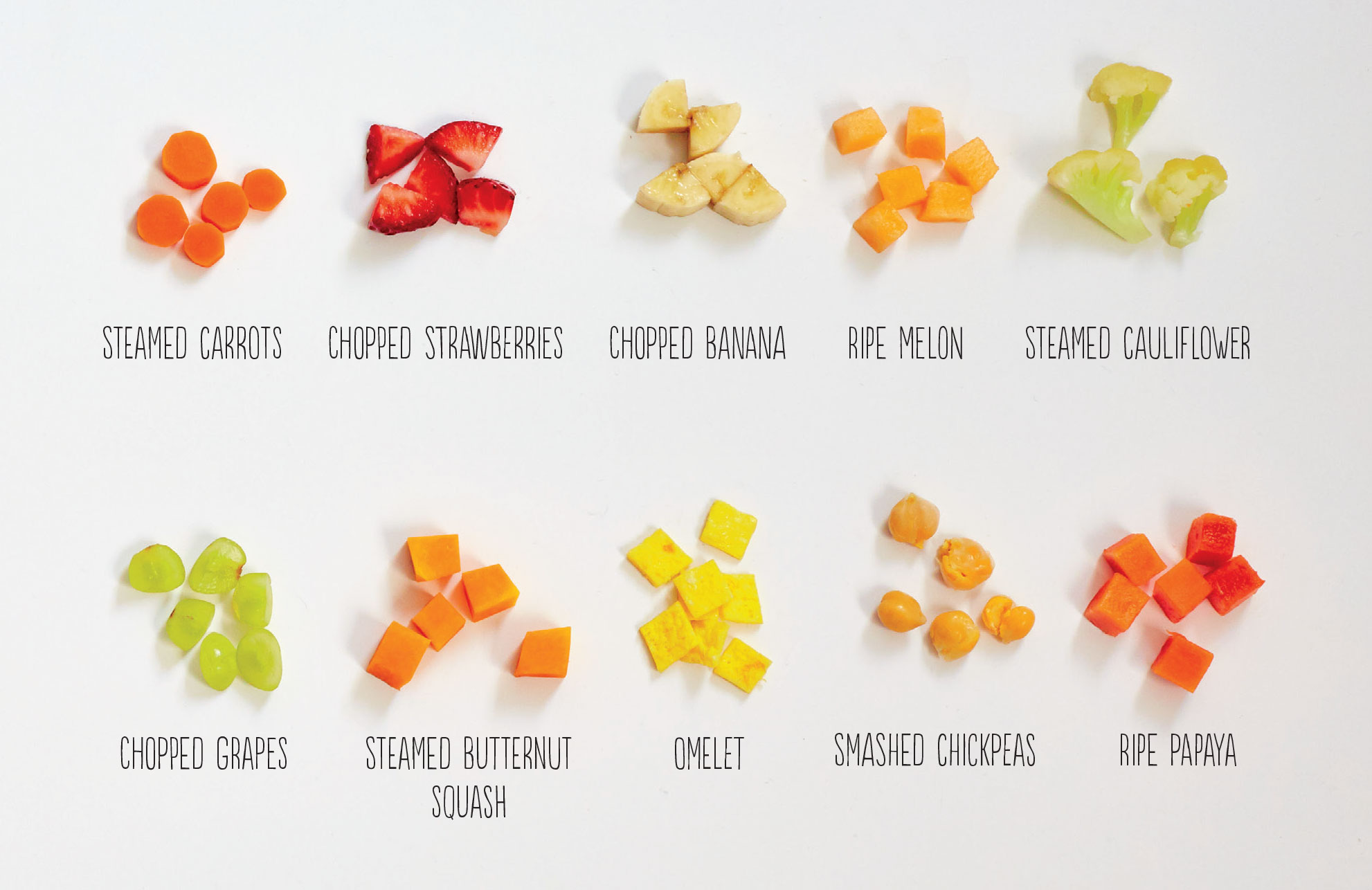
What size should food be for a 10-month-old?
Food for a 10-month-old should be soft enough to mash and shaped so the baby can handle it safely. Many babies at this age can use a raking grasp or a developing pincer grasp, so offer both larger strips and smaller pieces as skills improve.
Use these basic rules:
- Soft strips: Cut food into pieces about the length and width of two adult fingers for foods your baby can hold.
- Small soft pieces: Cut food into pea-sized pieces when your baby can pick up small items with their thumb and finger.
- Round foods: Cut into quarters lengthwise. Never serve whole grapes, berries, cherry tomatoes, or round pieces of hot dog.
- Firm foods: Cook them until soft before cutting.
- Sticky foods: Spread them thinly or mix them into another food. Do not give thick spoonfuls of nut butter.
- Tough foods: Remove skin, seeds, bones, gristle, and tough membranes.
There is no single perfect size for every 10-month-old. A baby who still uses their whole hand may do better with a soft strip. A baby with a strong pincer grasp may manage small pieces. Follow your baby’s skills, not just the calendar.
A simple texture test
Press the food between your thumb and forefinger. It should crush or flatten with light pressure. You can also press it with a fork.
If the food stays hard, springs back, or needs strong biting, cook it longer, grate it, shred it, or choose a softer option.

How to cut common foods for a 10-month-old
The safest cut changes with each food. Use the examples below as a starting point, then adjust for your baby’s chewing and grasping skills.
| Food | Safer way to prepare it |
|---|---|
| Banana | Cut into long strips or small soft pieces. Coat slippery pieces with baby cereal if needed. |
| Avocado | Offer thick slices or soft chunks. Leave some skin on one end as a handle if desired. |
| Cooked vegetables | Cut into soft strips or small pieces. Test that they mash easily. |
| Raw vegetables | Avoid hard raw pieces. Steam, roast, or grate them first. |
| Sweet potato | Serve as soft wedges, thick strips, or small cubes. Remove tough skin. |
| Apple | Cook until soft, then cut into strips or small pieces. Do not serve hard raw apple chunks. |
| Pear | Use ripe, soft pear strips. Steam firm pears before serving. |
| Berries | Mash blueberries and quarter larger berries. Remove tough stems. |
| Grapes | Cut lengthwise into quarters. Do not serve whole or only sliced in half. |
| Cherry tomatoes | Cut lengthwise into quarters. |
| Meat | Remove bones, skin, and gristle. Shred finely or cut across the grain into soft, small pieces. |
| Chicken | Shred or serve in soft, thin strips. Avoid dry, rubbery pieces. |
| Fish | Flake well and check carefully for bones. |
| Eggs | Cut cooked egg into small pieces or soft strips. |
| Cheese | Use thin slices, finely grated cheese, or small soft pieces. Avoid large firm chunks. |
| Toast | Cut into thin strips. Avoid large, doughy balls of bread. |
| Pasta | Cook until soft. Cut large shapes into smaller pieces and squash tube-shaped pasta if needed. |
| Rice | Mix with a moist food so it is easier to gather and swallow. |
| Beans | Cook until soft and flatten whole beans with a fork. |
| Tofu | Serve soft tofu in strips or small pieces. |
| Pancakes | Cut into thin strips or small soft pieces. Avoid dry, dense bites. |
Meat, chicken, and fish
Remove all bones before serving. Shred meat finely or cut it into very thin, soft strips. Dry meat can be hard for a baby to manage, so add moisture with broth, sauce, mashed vegetables, or yogurt when appropriate.
Fish should be flaked into very small pieces. Check each portion with your fingers for bones, even when the package says it is boneless.
Fruits
Soft fruits can be served as strips or small pieces. Remove pits, seeds, stems, and tough skins.
Cut grapes and cherry tomatoes into four lengthwise pieces. Their round shape and firm skin can make them dangerous when served whole or in large round pieces.
Vegetables
Cook vegetables until they are soft enough to crush between your fingers. Good choices include steamed broccoli, roasted zucchini, soft carrots, squash, peas that have been flattened, and cooked green beans.
Hard raw carrots, celery, and firm apple pieces are not safe simply because they are small. A small, hard piece can still be difficult to chew and may block the airway.
Bread and pasta
Toast can be cut into narrow strips. Very soft bread may form a sticky lump in the mouth, so lightly toasting it can make it easier to handle.
Cook pasta until soft. Cut long noodles into shorter strands and cut large pasta shapes into smaller pieces. Pair pasta with a moist sauce rather than serving a dry, dense bite.

Foods that should not be served in their usual shape
Some foods are common choking hazards because they are hard, round, sticky, rubbery, or difficult to break apart. Change the food’s shape or texture before serving.
Avoid these forms:
- Whole grapes
- Whole cherry tomatoes
- Whole berries
- Whole nuts
- Popcorn
- Hard candy
- Gummy candy
- Marshmallows
- Large chunks of meat
- Large chunks of cheese
- Chunks of hot dog or sausage
- Raw carrot coins
- Raw apple chunks
- Thick globs of peanut butter or other nut butter
- Whole beans
- Hard chips or dense crackers
- Fish with bones
- Meat with bones or gristle
How to prepare hot dogs and sausage
Hot dogs and sausage are firm, round, and easy to swallow in a dangerous shape. If you serve them, cut them lengthwise into narrow strips, then cut those strips into small pieces. Remove any tough casing.
Because hot dogs are a known choking risk, many parents choose to serve them rarely or skip them. Cutting them into coins is not a safe solution.
How to serve peanut butter and other nut butters
Do not give a 10-month-old a thick spoonful of peanut butter. It can stick to the roof of the mouth and throat.
Instead:
- Spread a very thin layer on toast.
- Stir a small amount into oatmeal or yogurt.
- Mix it with mashed banana or applesauce.
- Thin it with water, breast milk, formula, or another suitable food.
Peanut and other common allergens can often be introduced during infancy in safe forms. If your baby has severe eczema, an existing food allergy, or another allergy concern, ask your child’s pediatrician how to introduce them.
How to serve nuts and seeds
Do not serve whole or chopped nuts to a 10-month-old. Use smooth nut butter in a thin spread or mixed into another food. Whole seeds can also be hard to manage, so use them only in a form your child’s pediatrician considers appropriate.

Step-by-step: How to cut food safely
Use this routine each time you prepare finger food.
1. Wash your hands and the food
Wash your hands, cutting board, knife, and produce. Rinse fruits and vegetables under running water. Keep raw meat, poultry, and fish separate from foods that are ready to eat.
2. Remove unsafe parts
Take out:
- Pits and seeds
- Stems
- Bones
- Tough skin
- Gristle
- Hard rind
- Stringy fibers
- Thick casing
Run your fingers through shredded meat and fish to check for hidden bones.
3. Cook firm foods
Steam, roast, bake, or simmer food until it is soft. Do not rely on cutting alone to make a hard food safe.
A carrot cut into a small cube is still hard if it has not been cooked. The texture matters as much as the size.
4. Choose strips or small pieces
Use soft strips for foods your baby needs to hold. Use small pieces for foods your baby can pick up with a thumb-and-finger grasp.
For slippery food, make the pieces larger, leave a clean peel “handle” on one end, or coat the food lightly with a dry food such as ground cereal. Do not add salt or sugar just to improve grip.
5. Check the final texture
Press the food between your fingers or with a fork. If it does not mash easily, cook it longer or prepare it another way.
6. Serve while your baby is seated
Place your baby upright in a sturdy high chair. Keep the baby facing you and remain within arm’s reach. Do not feed while your baby is lying down, walking, playing, or riding in a car seat.
7. Watch without rushing
Let your baby bring the food to their mouth and set the pace. Do not push food into the mouth or try to remove food during normal gagging unless the baby cannot breathe.
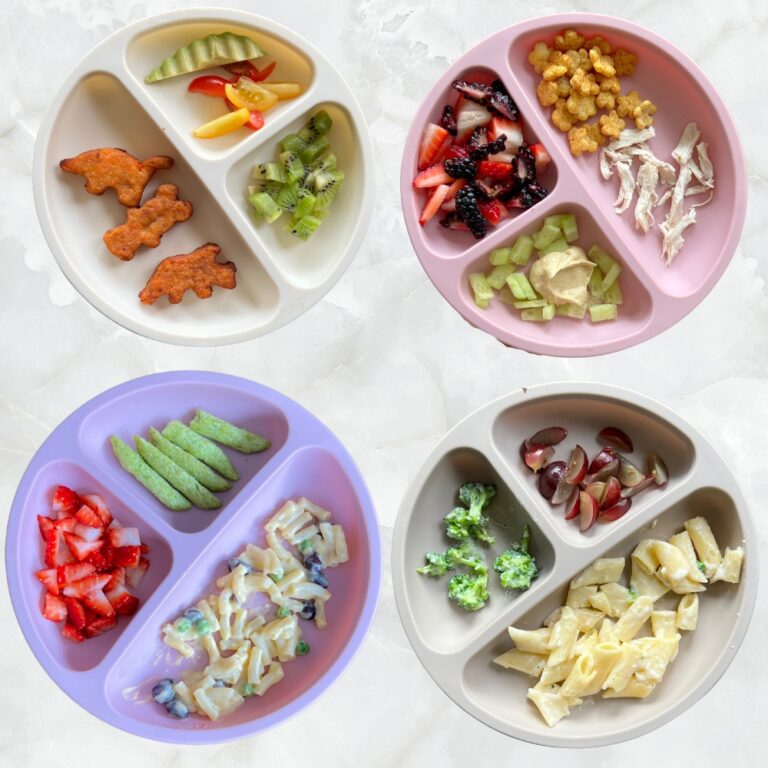
Gagging and choking: Know the difference
Gagging is common when babies learn to manage new textures. A gagging baby may cough, make noise, bring food forward with the tongue, or look distressed but still breathe.
Choking is usually quiet. A choking baby may be unable to breathe, cry, cough, or make sound. The baby may turn blue or become limp.
All parents and caregivers should learn infant choking first aid from a qualified program, such as an American Red Cross or American Heart Association course. If your baby cannot breathe or is choking, use emergency procedures and call 911.
Do not blindly sweep your finger through your baby’s mouth. You may push food farther back. Remove an object only when you can clearly see and grasp it.
Reduce distractions during meals
Keep meals calm and focused. Avoid letting your baby eat while:
- Reclined
- Lying down
- Crawling
- Walking
- Laughing with food in the mouth
- Riding in a stroller or car seat
- Holding toys or other objects
A close adult should watch the baby for the entire meal.
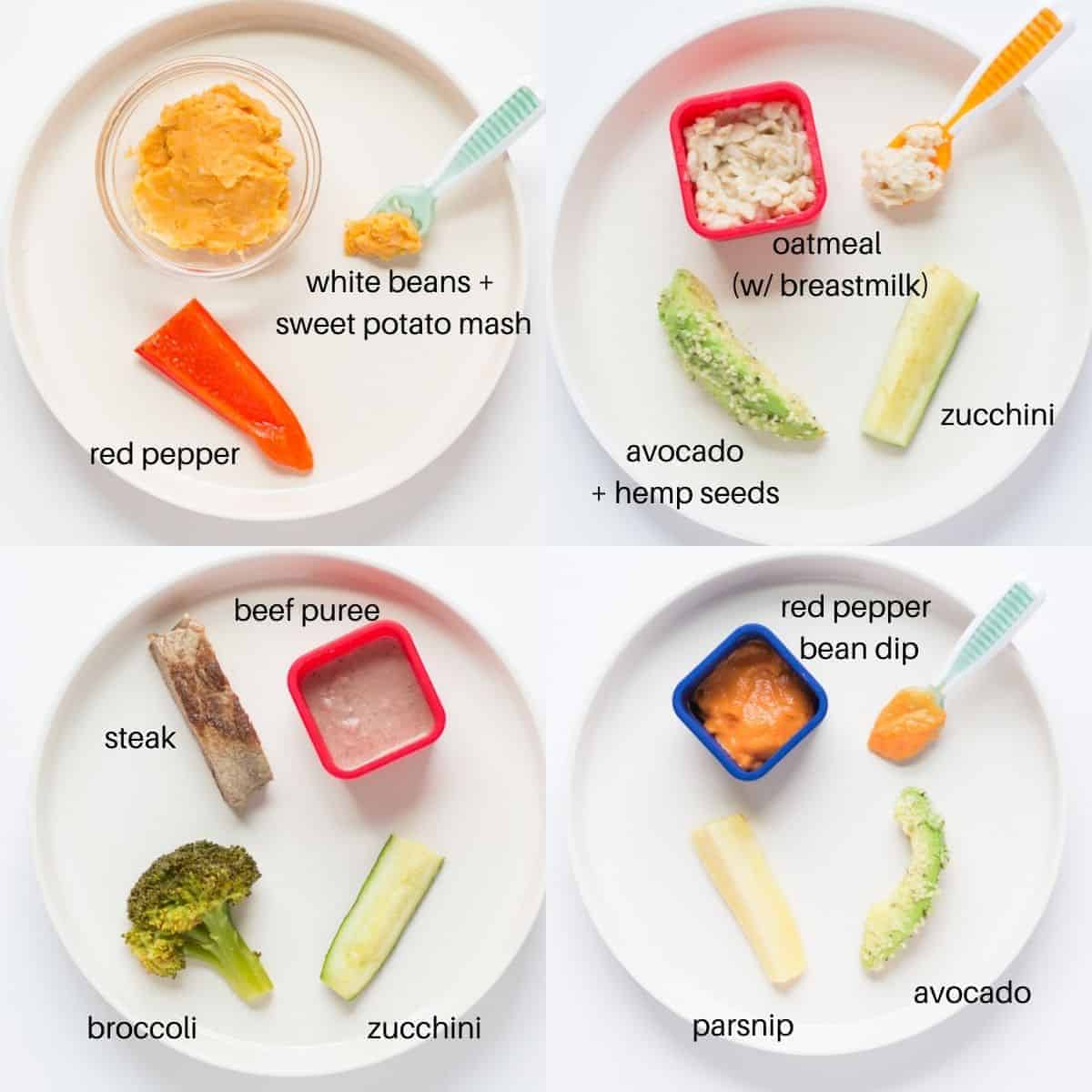
How cutting changes as your baby develops
A 10-month-old may be ready for more texture, but babies do not all develop eating skills at the same speed. Adjust the shape and size based on what your baby can control.
If your baby uses a whole-hand grasp
Offer soft sticks or strips that are easy to hold. Examples include:
- Soft sweet potato wedges
- Steamed broccoli florets with a long stem
- Toast strips
- Ripe avocado slices
- Soft banana halves
- Tender zucchini sticks
If your baby uses a pincer grasp
Offer smaller soft pieces, such as:
- Pea-sized cooked vegetables
- Soft fruit pieces
- Small pieces of egg
- Flaked fish
- Shredded chicken
- Flattened beans
- Small pieces of soft pasta
If food is too slippery
Try a thicker shape, leave a small peel handle, or lightly coat the food with ground cereal. Avoid making food harder by adding raw coatings, seeds, or large crumbs.
If food is too dry
Add moisture with a safe sauce, mashed vegetable, yogurt, or broth. Shred dry meat more finely and avoid dense bites that gather in the mouth.
If your baby stores food in the cheeks
Pause and let the baby work on the food. Offer softer pieces and smaller amounts. If your baby often stores food, coughs during meals, has a wet or raspy voice after eating, or struggles with many textures, discuss it with the pediatrician. A feeding or swallowing specialist may help.

Foods and ingredients to limit before 12 months
Cutting food safely is only one part of infant feeding. Some foods also have age-related limits.
- Honey: Do not give honey before 12 months because of the risk of infant botulism.
- Cow’s milk: Cow’s milk should not replace breast milk or iron-fortified infant formula as the main drink before 12 months. Small amounts in foods such as yogurt or cooked dishes are generally different from using it as a beverage.
- Added salt and sugar: Babies do not need added salt or sugar. Check packaged foods for high sodium and added sugar.
- Unpasteurized foods: Avoid unpasteurized milk, juice, and foods made with unpasteurized ingredients.
- High-mercury fish: Choose fish that is lower in mercury and follow current U.S. Food and Drug Administration advice for children.
- Juice: The American Academy of Pediatrics advises avoiding juice for children under 12 months unless a health professional recommends it.
Breast milk or iron-fortified formula remains an important source of nutrition during the first year. Solid foods add practice, flavor, texture, and nutrients; they do not need to replace milk feeds all at once.

Common mistakes when cutting food for a 10-month-old
Cutting round foods into coins
Round coins of hot dog, sausage, carrot, or cucumber can block the airway. Cut round foods lengthwise into narrow strips or quarters.
Making food small but leaving it hard
Small hard cubes are still a choking risk. Cook the food until soft before cutting it.
Giving thick nut butter
A sticky spoonful can be difficult to clear from the mouth. Thin it or spread it in a very thin layer.
Serving large chunks of meat
A large piece can be tough, dry, and hard to break apart. Shred meat or cut it into soft, narrow strips.
Letting the baby eat unsupervised
Even familiar foods can cause choking. Stay close and watch during the entire meal.
Removing every texture
Food does not need to be completely smooth at 10 months. Soft lumps and tender pieces help babies practice chewing and mouth control. Increase texture slowly while keeping hard, round, sticky, and tough foods out.
Assuming gagging always means danger
Gagging can be part of learning. Choking requires immediate action. Learn the difference before offering finger foods.

Quick food-preparation examples
These examples show how to change common foods into safer forms:
- Apple: Peel, steam until soft, and cut into strips or small pieces.
- Carrot: Steam until soft, then cut into strips. Do not serve raw carrot coins.
- Grape: Wash, remove the stem, and cut lengthwise into quarters.
- Chicken: Cook until tender, remove bones, and shred finely.
- Peanut butter: Mix a thin amount into oatmeal or spread it thinly on toast.
- Broccoli: Steam until soft. Offer a floret with a tender stem or chop it into small pieces.
- Blueberry: Mash or flatten it. Cut larger berries into smaller pieces.
- Pasta: Cook until soft and cut large shapes into manageable pieces.
- Bean: Cook until soft and flatten with a fork.
- Cheese: Grate it or cut soft cheese into thin strips.
If your baby cannot mash a piece easily, change the texture before serving.

Frequently asked questions
Can a 10-month-old eat finger foods?
Yes. Many 10-month-olds can eat soft finger foods while continuing breast milk or infant formula. Offer food that is soft, appropriately shaped, and prepared without choking hazards.
Should food for a 10-month-old be cut into small pieces or strips?
Both can work. Use soft strips when your baby is still learning to grasp food. Use small soft pieces when your baby can pick them up with a thumb-and-finger grasp. Avoid hard pieces regardless of size.
Can a 10-month-old eat raw fruits and vegetables?
Some soft raw produce may be suitable, such as ripe banana, avocado, or a very soft pear. Avoid hard raw foods, including raw carrots and firm apple chunks. Cook or grate firm produce first.
How soft should food be for a 10-month-old?
It should usually mash easily between your fingers or with a fork. If you need to bite hard to break it, your baby may not be able to manage it safely.
Can a 10-month-old eat rice and pasta?
Yes, when prepared soft. Cook pasta until tender and cut large shapes into smaller pieces. Mix rice with a moist food if it is difficult for your baby to gather or swallow.
When should I ask a doctor about feeding problems?
Contact your child’s pediatrician if your baby regularly coughs or chokes during meals, has trouble breathing while eating, frequently vomits, has a wet or raspy voice after eating, refuses most textures, or is not gaining weight as expected.
Conclusion
To cut food for a 10-month-old, focus on three things: soft texture, safe shape, and close supervision. Cook firm foods until they mash easily, cut round foods lengthwise, shred tough foods, and avoid whole nuts, popcorn, hard raw produce, thick nut butter, and large chunks of meat or cheese.
Start with soft strips if your baby is still learning to grasp food. Move to small soft pieces as their pincer grasp improves. For personalized advice, especially if your baby has a developmental delay, swallowing concern, severe eczema, or food allergy, speak with your child’s pediatrician.
Sources
- Centers for Disease Control and Prevention: Choking Hazards
- Centers for Disease Control and Prevention: When, What, and How to Introduce Solid Foods
- American Academy of Pediatrics: Starting Solid Foods
- U.S. Food and Drug Administration: Advice About Eating Fish for Young Children
- American Academy of Pediatrics: Infant Botulism and Honey