A crying newborn in the middle of the night can leave any parent tired and unsure. Start with a quick safety check, then work through simple needs: feeding, a diaper, temperature, burping, and comfort. Hold your baby close, use a calm voice, and try slow rocking or steady sound. Once your baby sleeps, place them on their back, alone, on a firm, flat sleep surface.
Crying is one of the main ways newborns communicate. It does not always mean something is wrong. Still, some cries need prompt medical care, especially in babies younger than 3 months.
This guide follows safe-sleep guidance from the American Academy of Pediatrics, HealthyChildren.org, and the Centers for Disease Control and Prevention.

First, check whether your newborn may be sick
Before trying to soothe your baby, look for signs of illness or injury. A sudden change in crying, a weak cry, or crying that does not ease with normal care may need medical advice.
Call 911 now if your baby:
- Has trouble breathing
- Turns blue, gray, or very pale
- Is limp, unresponsive, or hard to wake
- Has a seizure
- Has severe bleeding
- May have been seriously injured
Contact a health care professional urgently if your baby:
- Is younger than 3 months and has a rectal temperature of 100.4°F (38°C) or higher
- Refuses several feeds
- Vomits green fluid, blood, or repeated forceful vomit
- Has far fewer wet diapers than usual
- Has a swollen belly
- Has a rash with fever
- Cries when you touch or move part of the body
- Has a cry that sounds very high-pitched, weak, or unusual
- Seems unusually sleepy, floppy, or difficult to wake
For a baby under 3 months, use a thermometer rather than touch alone to check for fever. Ask your pediatrician which temperature method to use. Do not give fever medicine to a young infant unless a health care professional tells you to do so.
If none of these signs are present, move through the basic comfort steps below.

Follow this step-by-step calming routine
A set routine can help you stay calm when you are very tired. You do not need to try every method at once. Move from basic needs to gentle soothing.
1. Pause and take one slow breath
Check your own body first. Lower your shoulders and slow your breathing. Newborns can respond to a tense voice, quick movements, or rough handling.
You do not need to stop the crying in seconds. Your first goal is to keep your baby safe and look for the cause.
2. Check feeding cues
Hunger is a common reason for night crying. Look for:
- Turning the head toward touch
- Opening the mouth
- Bringing hands to the mouth
- Sucking on fingers
- Making small restless sounds
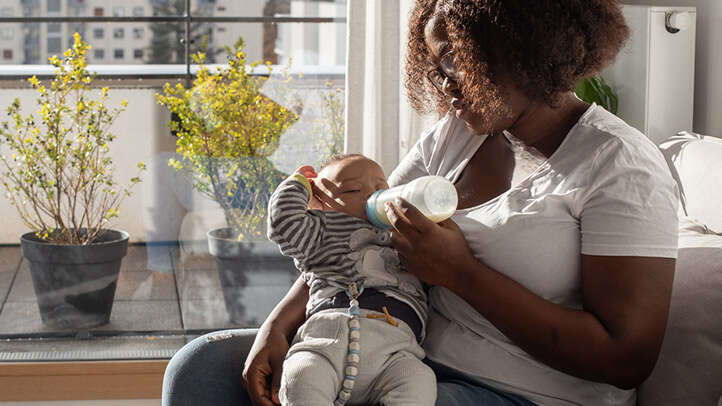
Crying is a late hunger cue. If your baby shows early cues, offer breast milk or infant formula according to your feeding plan.
If your baby has trouble feeding, coughs during feeds, tires quickly, or has fewer wet diapers, call the pediatrician or feeding professional. Do not dilute formula, add cereal to a bottle, or offer water unless a clinician directs you to do so.
3. Check the diaper and clothing
A wet or soiled diaper can wake a newborn. Check it and change it when needed.
Also check for clothing that twists, bunches, or feels tight. Look at fingers and toes for a strand of hair wrapped around them. This can cause pain and swelling and is easy to miss.
Keep the room comfortable. Your baby usually needs only one more light layer than an adult in the same room. Sweating, a hot chest, or flushed skin can mean your baby is too warm.
4. Burp and hold your baby upright
Some babies settle after a feed when held upright. Place your baby against your chest and support the head and neck. Gently pat or rub the back.
Not every baby needs to burp. Do not keep patting for a long time if your baby seems comfortable. If spit-up is frequent, painful, green, bloody, or linked with poor weight gain, ask the pediatrician for advice.
5. Use close, steady contact
Hold your baby against your chest while you remain awake. Skin-to-skin contact can help some newborns settle. Keep your baby’s nose and mouth clear, and make sure the neck is not bent forward.
You can try:
- A slow walk
- Gentle rocking
- Quiet humming
- A calm, repeated phrase
- A pacifier, if your baby uses one
Use slow movements. Fast bouncing or strong shaking is never safe.
6. Try a steady sound
A low, steady sound can cover sudden household noise. You might use a quiet “shush,” hum, or approved sound machine.
Keep the sound machine well away from the crib and use the lowest setting that helps. Do not place a phone, speaker, or sound machine inside the sleep space. Very loud sound can harm hearing.
7. Swaddle only when it is safe
A snug swaddle may calm some young babies by reducing sudden arm movements. Use a thin, breathable blanket or a properly fitted non-weighted swaddle.
Always follow these rules:
- Place the swaddled baby on the back
- Keep the head and face uncovered
- Keep the hips loose
- Do not use weighted swaddles
- Stop swaddling when your baby shows signs of trying to roll
Many babies begin trying to roll at different times. When rolling signs appear, stop swaddling the arms. A wearable blanket that leaves the arms free may be a safer option.
8. Put your baby down safely after calming
When your baby settles or falls asleep, place them in their own crib, bassinet, or portable play yard. The surface should be firm, flat, and covered only by a fitted sheet.
Keep these items out of the sleep space:
- Pillows
- Loose blankets
- Quilts
- Bumpers
- Stuffed toys
- Positioners
- Inclined sleepers
- Weighted sleep products
Room-sharing without bed-sharing is recommended. Your baby can sleep near your bed, but not in the same adult bed, couch, or recliner.

Use the “check, comfort, reset” method
If the crying starts again after you put your baby down, repeat a short cycle instead of changing methods every few seconds.
- Check: Look for hunger, a diaper, heat, cold, illness, or an unsafe position.
- Comfort: Hold your baby, use a calm voice, and try one gentle method.
- Reset: Once calm, place your baby back on their back in the safe sleep space.
Give one method a few minutes unless your baby seems more upset. Some babies become more distressed when adults switch quickly between bouncing, rocking, singing, and feeding.
A calm sequence might look like this:
| Order | What to check or try | Why it may help |
|---|---|---|
| 1 | Feeding cues | Hunger is common at night |
| 2 | Diaper and clothing | Wetness or tight clothing can cause discomfort |
| 3 | Temperature | Newborns can become too warm or cold |
| 4 | Burping and upright holding | May ease swallowed air after feeding |
| 5 | Close contact and slow rocking | Provides warmth and steady movement |
| 6 | Swaddle, if not rolling | May reduce startling |
| 7 | Safe sleep space | Protects the baby after they settle |
This is not a test you can fail. If one step does not work, go back to the safety check. A newborn may cry because they are tired, overstimulated, or seeking contact, even after all basic needs are met.

What to do when nothing seems to work
Some crying continues despite feeding, changing, holding, and rocking. This can happen during normal periods of unsettled behavior. Crying often increases during the first weeks of life and may peak around 6 weeks. Many babies cry less by 3 to 4 months, but each baby differs.
Take a safe break
If you feel angry, panicked, or too tired to think clearly, put your baby on their back in the empty crib or bassinet. Leave the room for a few minutes. Take slow breaths, drink water, or call someone you trust.
A baby may cry while you take this safe break. That is safer than holding your baby when you feel close to losing control.
Never shake, hit, jerk, throw, or forcefully bounce a baby. Shaking can cause severe brain injury or death. Crying can be intense, but it does not mean you are a bad parent.
Ask another adult to take a turn if one is available. If you are alone and fear you may hurt your baby, place the baby safely in the crib and call someone, your health care professional, or 911 if there is immediate danger.
Avoid risky quick fixes
Do not calm a newborn by:
- Sleeping with the baby on a couch or recliner
- Letting the baby sleep in a car seat outside the car
- Using an inclined sleeper
- Covering the face with a blanket
- Giving honey to a baby under 12 months
- Giving water, herbal drinks, or medicine without medical advice
- Using a weighted blanket or weighted swaddle
- Placing the baby on the stomach for sleep
A baby may fall asleep in your arms. Before you sleep, move the baby to a firm, flat, separate sleep surface.
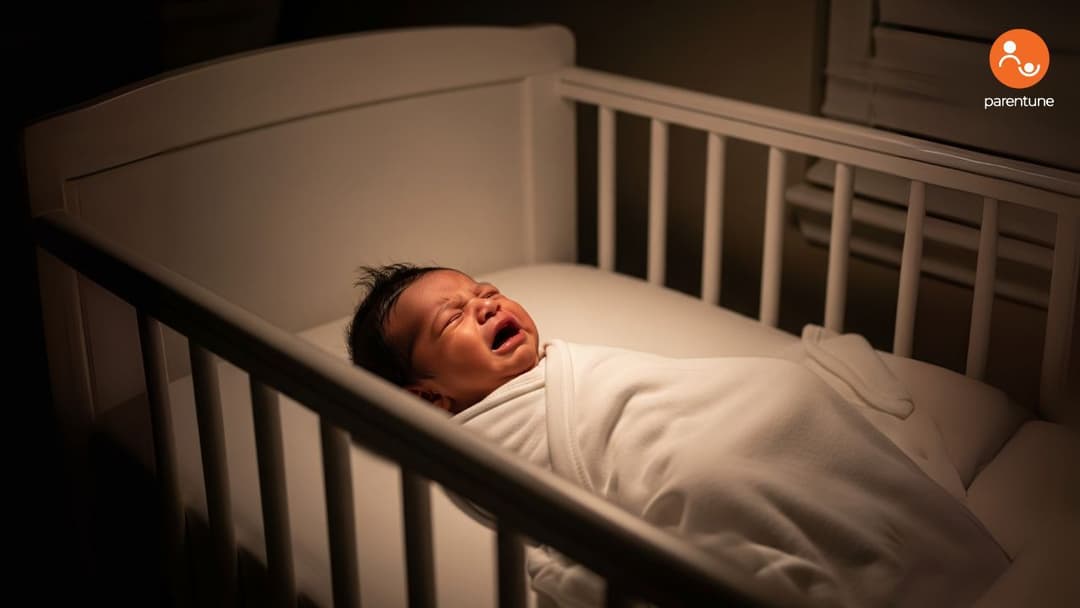
Understand common reasons newborns cry at night
Night crying can have more than one cause. The pattern matters more than one difficult night.
Hunger or growth
Newborns have small stomachs and often need to feed during the night. Cluster feeding, when a baby feeds several times close together, can occur during some periods.
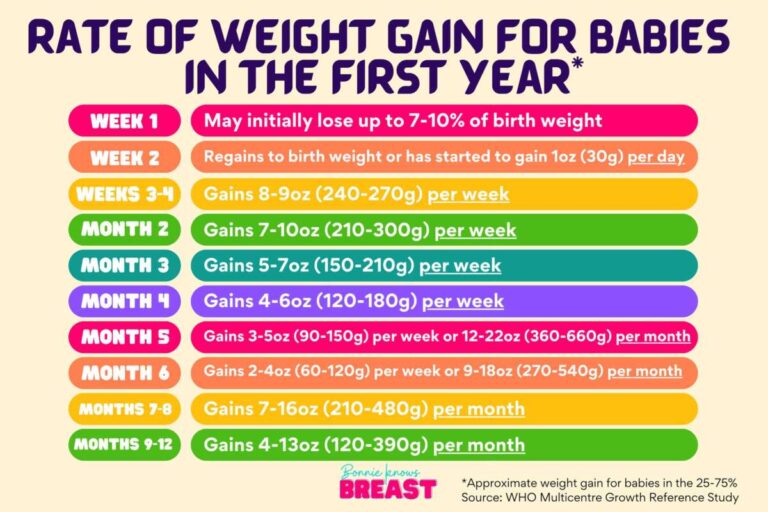
Do not try to stretch feeds by ignoring hunger cues. Follow your pediatrician’s advice about feeding frequency, weight gain, and waking your baby to feed.
A wet diaper or discomfort
A wet diaper, tight clothing, a room that feels too warm, or a cold draft may wake your baby. Check simple physical causes before trying more complex soothing methods.
Overstimulation
Bright lights, loud voices, visitors, and too much handling can make a tired newborn cry harder. Dim the room and reduce sound. Use slow movements and a low voice.
Gas or spit-up
Swallowed air can make some babies fussy. Holding a baby upright after a feed may help. However, crying does not prove that gas or reflux is the cause. Avoid changing formula, using thickener, or giving remedies without advice from a pediatrician.
Normal newborn crying
Some babies cry for long periods even when they are fed, warm, dry, and well. A clinician may use the term colic when a healthy baby has repeated, prolonged crying without a clear cause. Colic is a description of a crying pattern, not a single disease.
Keep a simple record for a day or two:
- Feeding times and amounts
- Wet and dirty diapers
- Sleep periods
- When crying starts
- What helps or makes it worse
- Temperature, if illness is a concern
This record can help your pediatrician spot a pattern.

When should you call the pediatrician?
Call your pediatrician when you are worried, even if you cannot name the reason. Newborn parents do not need to diagnose the problem before asking for help.
Contact the office if crying is new, worsening, or linked with poor feeding, fewer wet diapers, repeated vomiting, diarrhea, constipation with distress, a cough, congestion that affects feeding, or poor sleep for several nights.
Ask about a same-day evaluation when your baby seems in pain or cannot be comforted for an unusual length of time. Use the after-hours number if the office is closed. If your baby has breathing trouble, is blue, is unresponsive, or has a seizure, call 911.
Do not rely on an online checklist to rule out illness. A clinician may need to examine your baby, check hydration, and assess feeding and growth.

Common mistakes that can make night crying worse
Changing methods too fast
Rapidly switching from feeding to bouncing to loud sound can overstimulate a baby. Try one quiet method at a time.
Assuming every cry means hunger
Feeding can soothe a baby, but not every cry comes from hunger. Look for feeding cues and follow your baby’s feeding plan.
Overheating the baby
Extra blankets and thick layers can raise the risk of overheating. Check the chest or back rather than the hands and feet alone.
Falling asleep while holding the baby
A couch or recliner is especially risky if an adult falls asleep with a baby. If you feel drowsy, place your baby in the crib before you sleep.
Using unsafe sleep products
Products marketed as anti-roll, anti-colic, or sleep aids may not create a safe sleep environment. Use a firm, flat surface with no loose items.
Blaming yourself
You cannot always stop a newborn from crying. Good care means responding safely, checking for illness, and getting support when you need it.
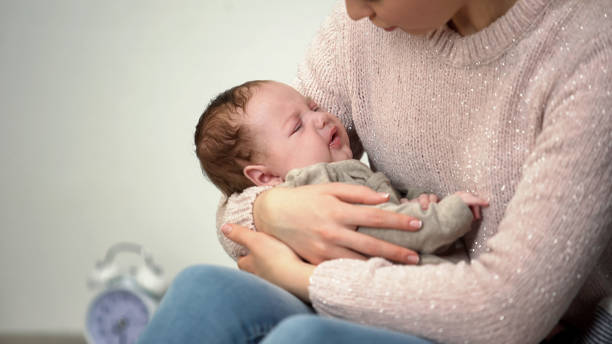
FAQs about calming a crying newborn at night
Should I pick up my newborn every time they cry?
You can respond by picking up and comforting your newborn. Holding does not spoil a newborn. Once the baby is calm or asleep, place them on their back in their own safe sleep space.
Is white noise safe for a newborn?
A quiet, steady sound may help some babies settle. Keep the device far from the crib, use the lowest useful volume, and turn it off if the sound is loud or harsh. Never place a device in the crib.
Should I let my newborn cry it out?
Newborns need prompt care and comfort. Formal sleep-training methods are usually discussed later and should match the baby’s age, health, and development. For a newborn, first check feeding, illness, discomfort, and safe sleep.
Can I give a newborn gripe water for crying?
Ask your pediatrician before giving gripe water or any supplement. Products can vary, and crying may have a medical cause that needs assessment. Do not give water or herbal products without medical guidance.
What if I am too tired to keep holding my baby?
Place your baby on their back in an empty crib or bassinet, then take a short break. Call a partner, family member, friend, or health care professional for support. Never shake a baby, even if the crying feels unbearable.

Conclusion
To calm a crying newborn at night, start with safety. Check for fever, breathing problems, poor feeding, injury, and other warning signs. If your baby seems well, check hunger, the diaper, temperature, burping, and overstimulation. Then try close contact, a calm voice, slow rocking, steady sound, or a safe swaddle if your baby is not rolling.
When your baby sleeps, use the safe-sleep basics: back, firm flat surface, separate space, and no loose items. If the crying feels unusual or you feel unable to cope, contact a pediatrician and ask for help.