
A baby may have an ear infection if they are more fussy than usual, sleep poorly, cry during feeding, tug at the ear, or have a fever. But these signs do not prove an infection. Babies cannot describe ear pain, and ear pulling can also happen from teething, tiredness, or simple curiosity.
A health care professional must look at the eardrum with an otoscope to confirm a middle ear infection. If your baby is under 3 months old and has a rectal temperature of 100.4°F (38°C) or higher, seek medical care right away. For any baby, get urgent help for trouble breathing, extreme sleepiness, a stiff neck, a seizure, dehydration, or swelling behind the ear.

Common signs of an ear infection in a baby
The most useful clues are a group of symptoms that start after a cold or come with clear signs of pain. One sign alone, such as ear pulling, is not enough to tell.
Your baby may have:
- More crying or fussiness than usual
- Trouble sleeping or waking often
- Fever
- Pulling, rubbing, or batting at the ear
- Crying during sucking, swallowing, or feeding
- Less interest in breast milk or formula
- Fluid draining from the ear
- Trouble hearing or responding to soft sounds
- Poor balance in an older baby
- A cold, stuffy nose, or cough before the ear symptoms


A baby may cry during feeding because sucking and swallowing can change pressure in the middle ear. Pain may feel worse when the baby lies down, which can make sleep hard.
Ear drainage is a stronger reason to call a clinician. The fluid may come from an infection, a small tear in the eardrum, or another problem. Do not put drops, oil, or cotton swabs into the ear unless a clinician tells you to do so.

How to tell an ear infection from other causes
Ear pulling does not always mean an ear infection. Babies often touch their ears when they are teething, tired, hungry, or learning about their bodies.
| Sign or situation | What it may suggest | What to do |
|---|---|---|
| Ear pulling with no fever and normal behavior | Teething, tiredness, or habit | Watch for new symptoms |
| Fussiness after a cold | Possible ear infection | Call the baby’s clinician for advice |
| Fever with feeding pain or poor sleep | Possible infection | Arrange a medical assessment |
| Clear fluid from the ear | Irritation or fluid behind the eardrum | Call the clinician |
| Thick yellow, green, or bloody drainage | Ear infection or eardrum injury | Seek prompt medical care |
| Swelling or redness behind the ear | A serious problem may be present | Get urgent care |
| Crying after loud noise or an object near the ear | Injury or irritation | Do not probe the ear; call a clinician |
Teething can cause sore gums, drooling, and a desire to chew. It should not explain a high fever, ear drainage, severe pain, or a baby who seems very ill.
A cold can also cause pressure or fluid behind the eardrum without a bacterial infection. This is called otitis media with effusion. It may cause muffled hearing but often does not need antibiotics. Only an ear exam can separate this from acute otitis media, which is an active middle ear infection.

How doctors diagnose an ear infection
A clinician diagnoses an ear infection by examining the eardrum. They may use a lighted otoscope and, in some cases, a tool that checks how the eardrum moves.
The exam looks for signs such as:
- A bulging eardrum
- Cloudy fluid behind the eardrum
- Reduced movement of the eardrum
- Redness along with other signs of infection
- A hole in the eardrum or drainage
A red eardrum alone does not always mean infection. Crying can make the eardrum look red. A blocked view from earwax can also make diagnosis harder.
There is no reliable home test for an ear infection. Do not use a phone camera, ear thermometer, or home light to make the diagnosis. These tools cannot show enough detail to safely replace an ear exam.


Before the visit, write down:
- When the symptoms began
- The highest measured temperature and how you measured it
- Whether your baby is feeding normally
- The number of wet diapers
- Any ear drainage
- Recent colds, travel, or exposure to smoke
- Any medicine already given
This information helps the clinician judge how sick your baby may be and what care is safest.

When to call the pediatrician
Call your baby’s pediatrician or family doctor if you suspect an ear infection. A same-day call is wise when your baby has ear drainage, strong pain, a high fever, or symptoms that are getting worse.
Seek prompt medical advice when:
- Your baby is under 6 months and may have an ear infection
- Your baby has a fever and is under 3 months
- Symptoms last more than 24 hours
- Pain seems moderate or severe
- Your baby feeds poorly
- Your baby has fewer wet diapers
- Fluid or pus drains from the ear
- Symptoms return soon after treatment
- Your baby has a weakened immune system or another major health condition
For babies under 3 months, a rectal temperature of 100.4°F (38°C) or higher needs urgent medical evaluation. Do not wait to see if the fever goes away.
For older babies, the need for care depends on age, pain, fever, symptoms, and the ear exam. The American Academy of Pediatrics notes that some children may be watched for a short time instead of receiving antibiotics right away. This choice should come from a clinician after an exam.

When an ear infection is an emergency
Most ear infections are not emergencies, but some symptoms need immediate care. Call 911 in the United States for trouble breathing, a seizure, blue or gray lips, or a baby who cannot be awakened.
Go to an emergency department or seek urgent care for:
- A stiff neck
- Severe weakness or unusual difficulty waking
- Signs of severe dehydration
- Repeated vomiting with a very ill appearance
- A seizure
- Swelling, redness, or tenderness behind the ear
- The ear pushed outward from the head
- A serious injury to the ear
- A baby who looks very sick to you
Trust your judgment. A parent may notice that a baby is “not acting right” before a clear symptom appears. If your baby’s behavior worries you, call a health professional.

What you can do while waiting for care
Comfort measures can help, but they do not cure an ear infection. Keep offering breast milk or formula. Small, frequent feeds may work better if swallowing seems painful.
You can also:
- Hold your baby upright during feeds
- Use a cool-mist humidifier if the air is dry
- Gently wipe nasal mucus
- Keep smoke and strong scents away from the baby
- Let your baby rest
- Track temperature, feeds, and wet diapers
Ask a clinician or pharmacist about pain medicine. The correct dose depends on the baby’s weight and the product strength.
- Acetaminophen may be used in some babies who are at least 3 months old, but confirm the dose first.
- Ibuprofen is generally used only for babies at least 6 months old unless a clinician gives different advice.
- Never give aspirin to a child unless a doctor specifically directs it.
- Do not use cold medicines, decongestants, or antihistamines for an infant unless a clinician prescribes or recommends them.
- Do not give leftover antibiotics.
- Do not place oil, peroxide, herbal products, or ear drops in the ear without medical advice.
Check the label before giving any medicine. Some products have different strengths, and using two products with the same ingredient can cause an overdose.


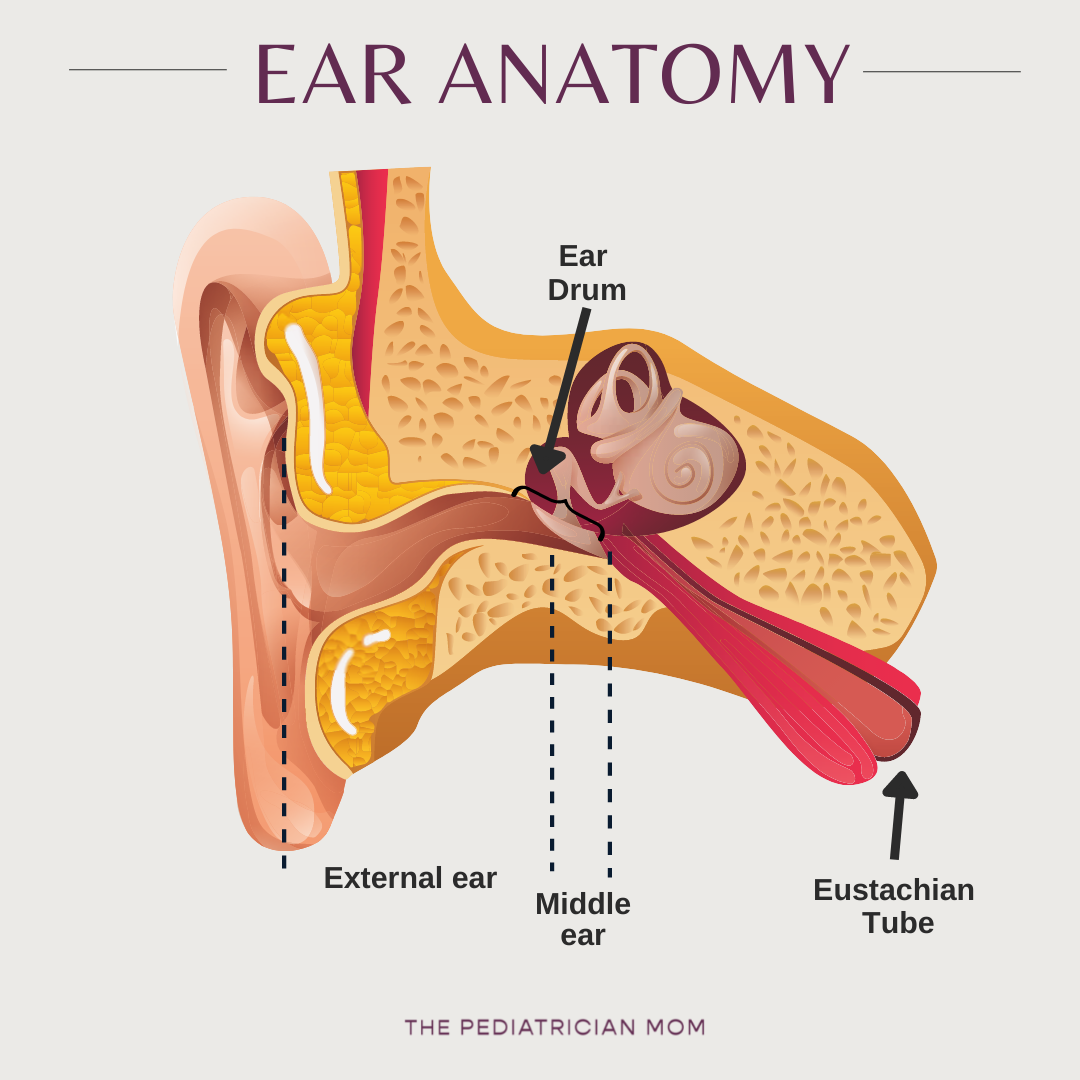
Do babies always need antibiotics?
No. Some ear infections improve without antibiotics, especially in older children with mild symptoms. Antibiotics may be more likely when the infection is severe, affects both ears, causes ear drainage, or occurs in a young infant.
The decision depends on:
- The baby’s age
- One or both ears being affected
- The severity of pain
- Fever level
- Ear drainage
- How certain the diagnosis is
- Other health conditions
- Whether symptoms improve with observation
Antibiotics do not treat viruses or fluid without an active infection. Unneeded antibiotics can cause diarrhea, rash, allergic reactions, and antibiotic resistance.
If a clinician prescribes an antibiotic, give it exactly as directed. Do not share it, save the rest for later, or stop early without asking the prescriber. Call the clinician if symptoms worsen or do not begin to improve as expected.
How to lower the risk of future ear infections
You cannot prevent every ear infection, but several steps may lower risk:
- Keep your baby up to date on recommended vaccines.
- Feed your baby breast milk when possible and practical.
- Hold a bottle-fed baby during feeds rather than leaving a bottle in the crib.
- Avoid putting a baby to sleep with a bottle.
- Keep your home and car smoke-free.
- Wash hands often to reduce colds.
- Limit close contact with people who are sick when possible.
- Ask about flu and pneumococcal vaccines during well-child visits.
Day care can increase exposure to colds, which may increase the chance of ear infections. This does not mean day care causes poor care or that every child will develop repeated infections.
Repeated infections may need a separate review. Ask the pediatrician if your baby has several infections in a short period, has ongoing hearing concerns, or does not respond to sounds. The clinician may refer your child to an ear, nose, and throat specialist or hearing professional.
Key takeaways
- Fussiness, fever, poor sleep, feeding pain, and ear pulling can point to an ear infection.
- Ear pulling by itself does not confirm an infection.
- A clinician must examine the eardrum to diagnose middle ear infection.
- A baby under 3 months with a rectal temperature of 100.4°F (38°C) or higher needs urgent medical care.
- Do not use cotton swabs, home remedies, cold medicine, or leftover antibiotics.
- Get urgent help for severe illness, dehydration, a seizure, trouble breathing, or swelling behind the ear.
Frequently asked questions
Can teething cause a baby to pull on their ears?
Yes. Teething can make a baby touch or pull the ear on the same side as a sore gum. Teething alone should not cause ear drainage, severe pain, or a high fever. If those symptoms occur, contact a clinician.
Can a baby have an ear infection without a fever?
Yes. Some babies with ear infections do not have a fever. Watch for pain, poor sleep, feeding problems, unusual fussiness, or drainage. A clinician still needs to examine the ear.
Is ear pulling always a sign of an ear infection?
No. Ear pulling can come from teething, tiredness, habit, or irritation. It becomes more concerning when it occurs with fever, crying during feeds, poor sleep, or cold symptoms.
How long can you watch a baby with possible ear infection?
The safe time depends on age and symptoms. Do not watch at home without medical advice if the baby is under 3 months, has severe pain, has ear drainage, feeds poorly, or seems very ill. A clinician may recommend observation for some older babies with mild symptoms.


Can an ear infection damage a baby’s hearing?
Temporary muffled hearing can occur when fluid remains behind the eardrum. Most cases improve. Ongoing fluid, repeated infections, or signs that a baby does not respond to sound should be discussed with a pediatrician.
Conclusion
The best way to know if a baby has an ear infection is to look at the full pattern of symptoms and arrange an ear exam. Ear pulling alone is not enough. Call the baby’s pediatrician when pain, fever, poor feeding, sleep trouble, or drainage appears, and seek urgent care for a very young baby with fever or any serious warning sign.
