
Introduction
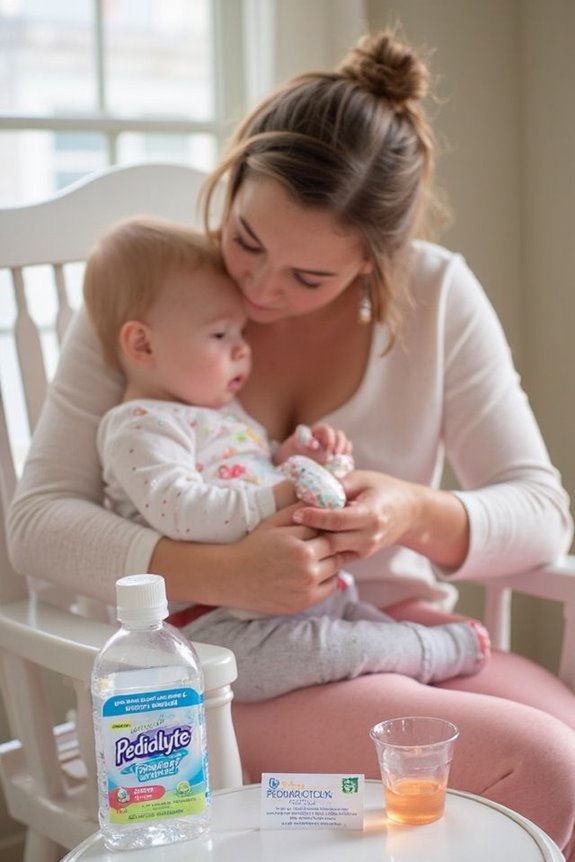
Babies can have Pedialyte in some cases, but parents should ask a pediatrician first—especially if the baby is younger than 1 year. The right treatment depends on the baby’s age, symptoms, feeding method, and risk of dehydration.
Pedialyte is an oral rehydration solution (ORS). It contains water, sugar, and electrolytes, such as sodium and potassium. These help replace fluids lost through vomiting or diarrhea. It is not a routine drink, a substitute for breast milk or formula, or a treatment for every illness.
For most young babies, continue breast milk or prepared infant formula unless a health care professional gives different instructions. If your baby has repeated vomiting, frequent diarrhea, poor feeding, fewer wet diapers, unusual sleepiness, or other signs of dehydration, call the child’s doctor promptly.


What Is Pedialyte?
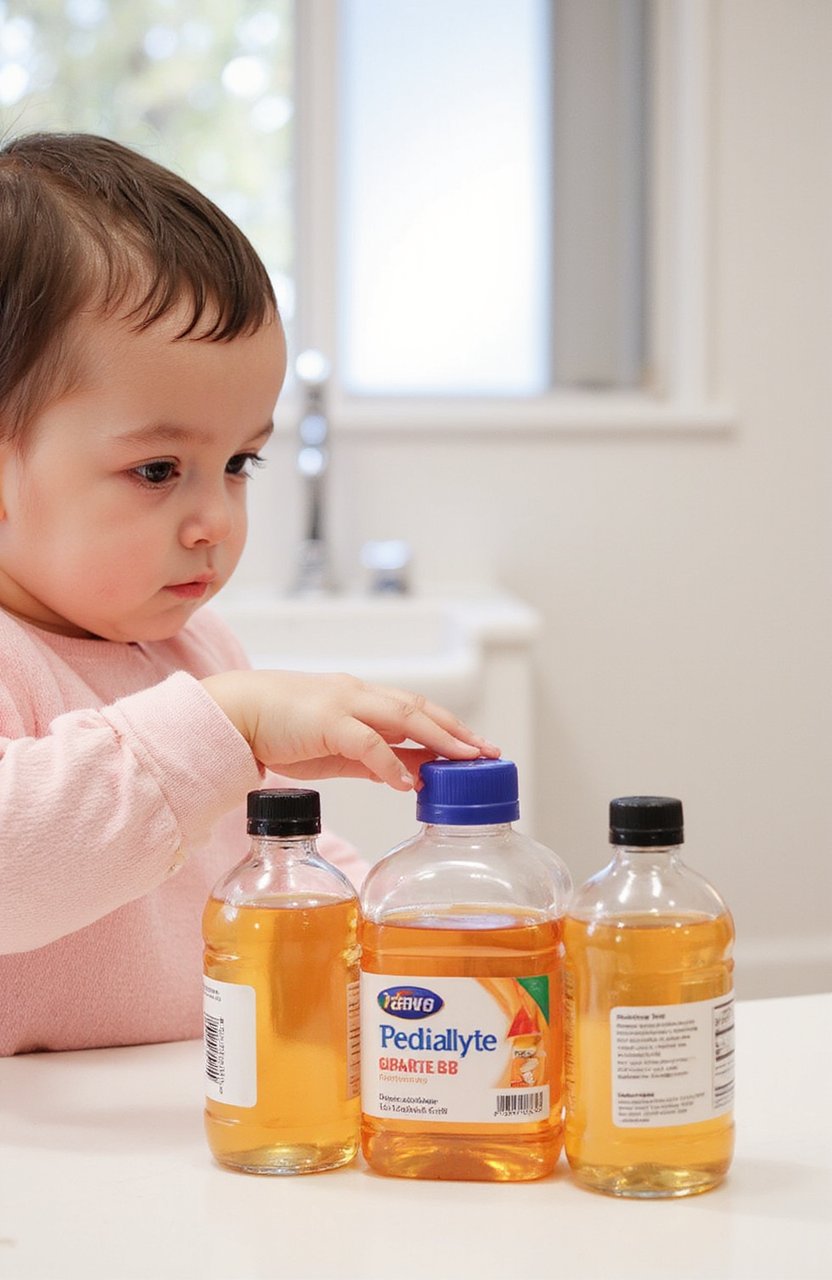
Pedialyte is a commercial oral rehydration solution made to help replace water and electrolytes lost during fluid loss. Electrolytes are minerals that help the body maintain fluid balance and support nerves and muscles.
Pedialyte is different from:
- Plain water: Water does not provide enough sodium and other electrolytes for treating significant fluid loss.
- Juice or soda: These drinks can contain too much sugar and may worsen diarrhea.
- Sports drinks: Sports drinks are made for exercise, not for infants or young children with vomiting or diarrhea.
- Infant formula: Formula provides nutrition. Pedialyte mainly provides fluid and electrolytes.
- Homemade rehydration drinks: A small measuring error can create an unsafe amount of salt or sugar.
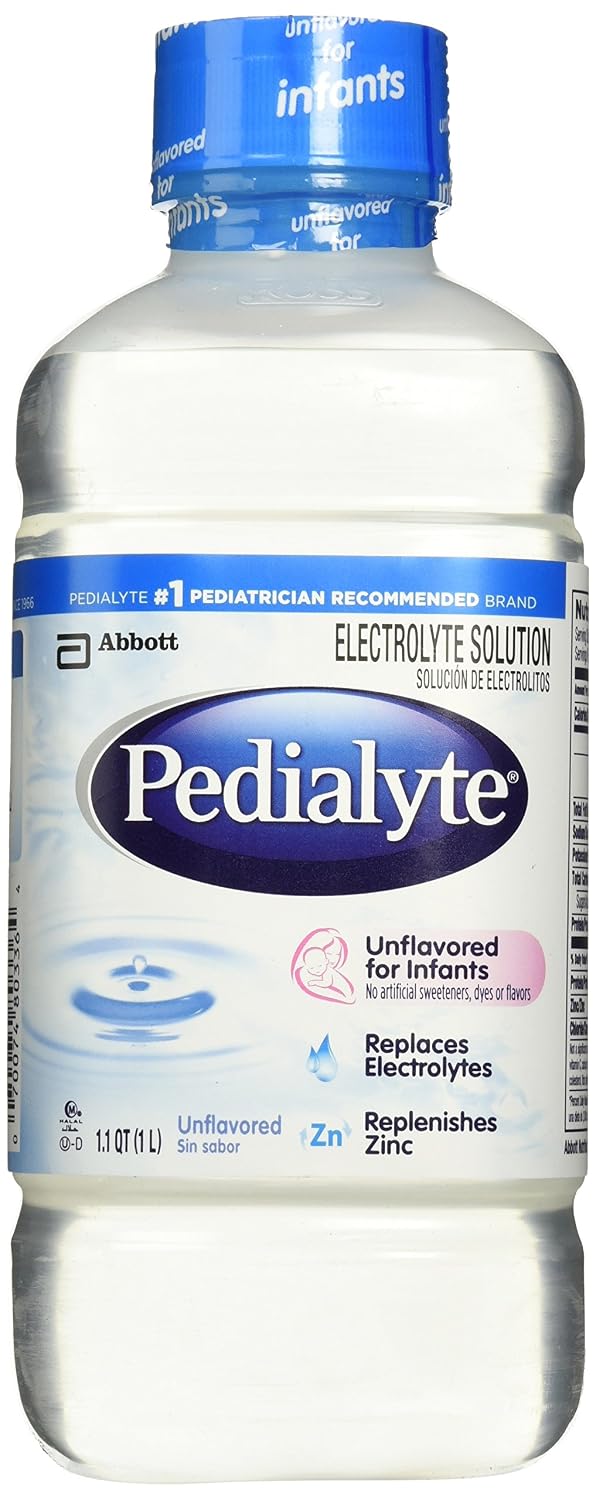
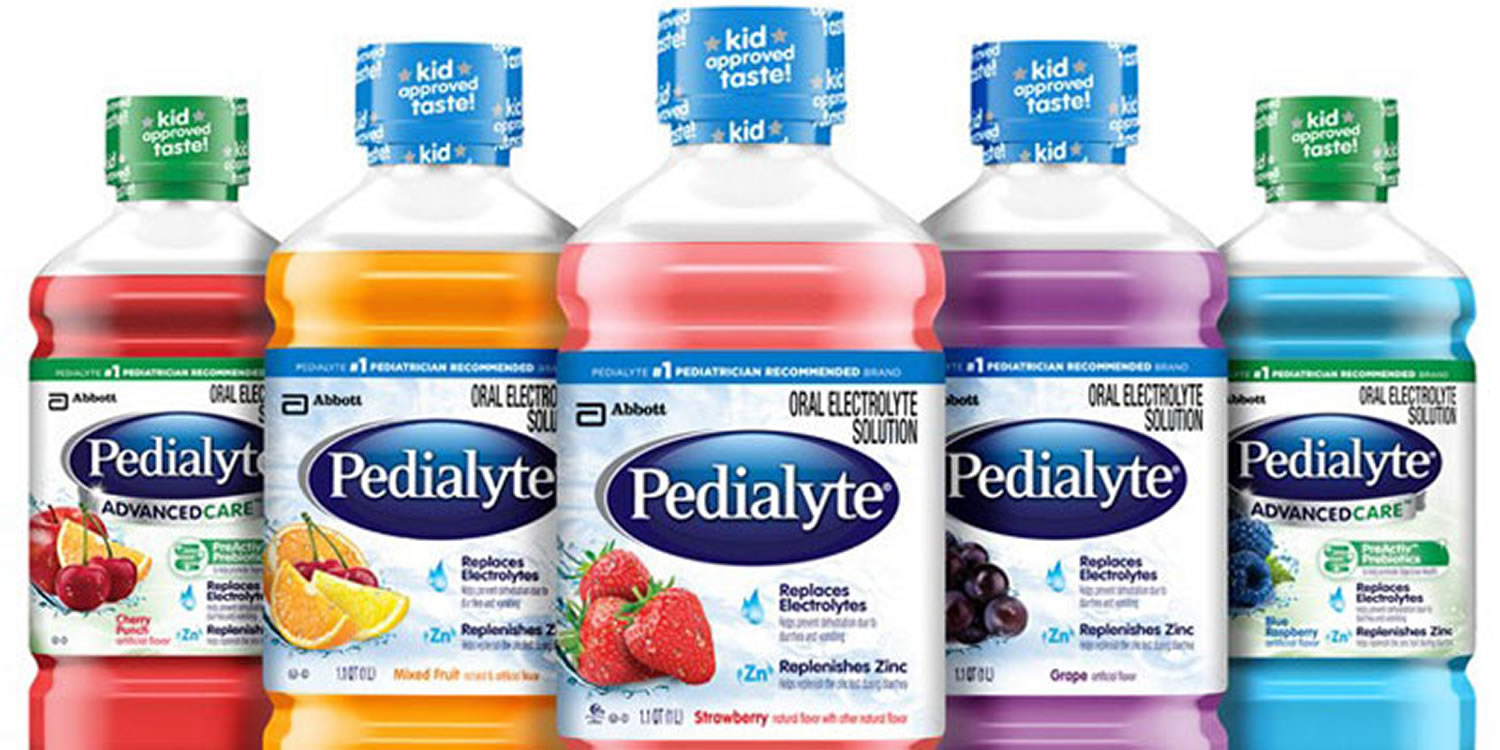
Different Pedialyte products may have different ingredients, flavors, and forms. Always read the product label. Many Pedialyte labels advise parents to ask a doctor before giving the product to children younger than 1 year.
Can Babies Under 1 Have Pedialyte?
They may, but only with guidance from a pediatrician or another qualified health professional. Babies under 1 year can become dehydrated faster than older children, so the cause and severity of fluid loss matter.
A doctor may suggest an oral rehydration solution for a baby who has:
- Mild dehydration from diarrhea
- Repeated vomiting
- Trouble keeping normal feeds down
- Fluid loss during an illness
- A need for small amounts of fluid between medical checks
The doctor may instead recommend continued breast milk or formula, urgent evaluation, or another treatment. Do not assume that Pedialyte is safe simply because it is sold without a prescription.
Babies younger than 6 months
Call your baby’s doctor before giving Pedialyte to an infant younger than 6 months. In this age group, vomiting and diarrhea can become serious quickly. Very young babies also have different feeding and fluid needs than older children.
Babies 6 to 12 months
A pediatrician may recommend an ORS in specific situations. Follow the exact advice about how much to give, how often to give it, and when to resume normal feeds.
Do not add Pedialyte to formula or breast milk unless your baby’s doctor specifically tells you to do so. Mixing products can change the balance of nutrients and electrolytes.
When Might a Pediatrician Recommend Pedialyte?
A pediatrician may recommend an ORS when a baby is losing fluids but does not yet need hospital treatment. The goal is to give small, steady amounts that the baby can absorb.


This may apply when a baby has:
- Several loose stools
- Vomiting that prevents normal feeding
- Fewer wet diapers than usual
- A dry mouth
- Less interest in feeding
- Mild signs of fluid loss
Pedialyte does not cure the infection that caused vomiting or diarrhea. It only helps replace certain fluids and minerals. A baby may still need an examination to find the cause.
Breastfed babies
Keep offering breast milk unless a clinician tells you to stop. Breast milk provides fluid and nutrition. If vomiting occurs, a clinician may suggest shorter, more frequent nursing sessions.
Formula-fed babies
Continue prepared formula unless the baby’s clinician gives different instructions. Do not dilute formula. Adding extra water can reduce its nutrition and may cause dangerous electrolyte problems.
If the baby cannot keep formula down, call the pediatrician. The doctor may suggest small amounts of ORS for a limited time.

How Much Pedialyte Can a Baby Have?
There is no single safe amount for every baby. The correct amount depends on the baby’s weight, age, symptoms, hydration level, and ability to keep fluids down.
A pediatrician may suggest giving very small amounts by spoon, syringe, or bottle. Some children’s health guidance uses small, frequent sips—such as a teaspoon at a time—for vomiting. However, parents should not use a general internet dose as a substitute for medical advice for an infant.
If your clinician gives a feeding plan:
- Use the exact product and amount recommended.
- Give small amounts at the recommended intervals.
- Stop and call the clinician if vomiting continues or symptoms worsen.
- Continue breast milk or prepared formula when the clinician says it is safe.
- Track wet diapers and the baby’s behavior.
Do not force a large bottle at once. A full stomach may trigger more vomiting.
A simple example
This is only an example of a method, not a dose recommendation: a clinician might advise giving a small measured amount every few minutes, then slowly increasing it if the baby keeps it down. If vomiting returns, the clinician may advise waiting briefly and restarting more slowly.
Because infants vary so much, the doctor should set the plan.

Signs of Dehydration in a Baby
Watch for changes in urine, tears, the mouth, feeding, and behavior. A single change may not prove dehydration, but several signs together need prompt medical advice.
Possible signs include:
- Fewer wet diapers than usual
- Dark yellow urine
- A dry or sticky mouth
- Few or no tears when crying
- Less interest in breast milk or formula
- Vomiting after most feeds
- Unusual fussiness
- Low energy or unusual sleepiness
- Sunken eyes
- A sunken soft spot on the head
- Cool or mottled skin
Wet diapers vary by age and normal pattern. A clear drop from your baby’s usual number matters. If you are unsure, write down the number of wet diapers, stools, vomit episodes, and feeds, then share the record with the pediatrician.


When Should You Seek Emergency Care?
Seek emergency help now if your baby is difficult to wake, has trouble breathing, has blue or gray skin, has a seizure, or seems severely ill.
Contact a pediatrician urgently for:
- No urine for many hours or a major drop in wet diapers
- Repeated vomiting
- Blood in vomit or stool
- Green vomit
- A swollen or very painful belly
- A fever in a baby younger than 3 months
- Refusal to breastfeed or take formula
- Severe diarrhea
- Signs of dehydration
- A fever or illness that concerns you
Do not wait for Pedialyte to work when a baby may be seriously dehydrated. Severe dehydration may require treatment in an emergency department, including fluids given through a vein.

How to Give an Oral Rehydration Solution Safely
If a clinician tells you to use Pedialyte, offer it in small amounts. A medicine syringe can help you measure fluid more accurately than a kitchen spoon.
Follow these steps:
- Check the label. Confirm that the product is an oral rehydration solution and check its age directions.
- Ask about the amount. Use the plan given by your pediatrician.
- Give small amounts. Offer the recommended amount slowly by syringe, spoon, or bottle.
- Pause after vomiting. Ask the clinician how long to wait and how to restart.
- Keep monitoring. Track wet diapers, feeds, vomiting, diarrhea, and alertness.
- Return to normal feeds as advised. Breast milk and prepared formula remain important sources of nutrition.
Use a clean container and follow the product’s storage directions. Do not use an opened product past the label’s recommended period. Do not force fluids into a sleepy or poorly responsive baby.

What Not to Give a Baby for Dehydration
Avoid using the following unless a pediatrician specifically recommends them:
- Plain water as the main treatment
- Juice
- Soda
- Sports drinks
- Tea or herbal drinks
- Broth
- Homemade electrolyte mixtures
- Diluted infant formula
- Anti-diarrhea medicine
- Leftover prescription medicine
Honey should not be given to babies younger than 12 months because of the risk of infant botulism. It is also not a safe way to treat diarrhea or dehydration.
Do not give medication for vomiting or diarrhea unless your baby’s clinician prescribes or approves it. Some products that are safe for adults can harm infants.
Pedialyte vs. Breast Milk and Formula
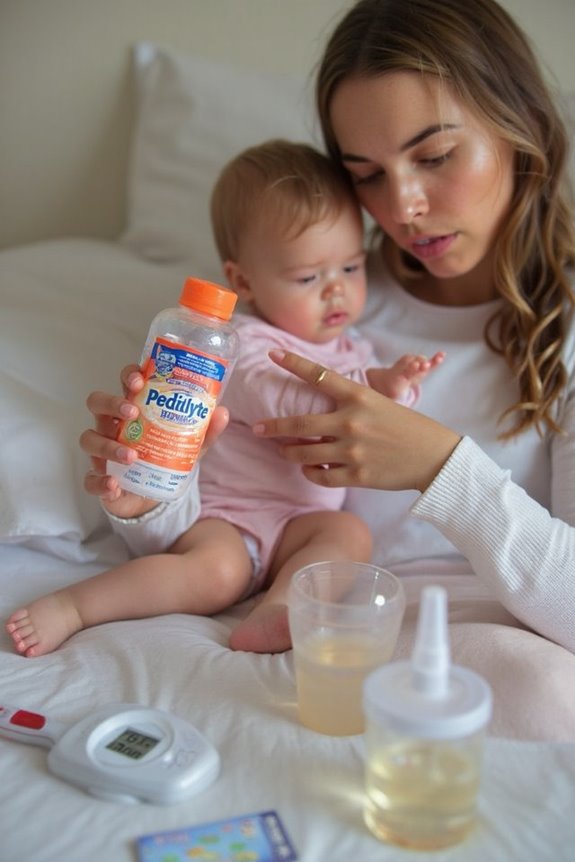
For a healthy baby, breast milk or prepared infant formula should remain the main source of nutrition. Pedialyte does not provide the full nutrition a growing baby needs.
| Situation | Usual next step |
|---|---|
| Mild illness and normal feeding | Continue breast milk or prepared formula |
| Vomiting after feeds | Call the pediatrician for a feeding plan |
| Diarrhea but baby is alert and feeding | Continue normal feeds and ask about ORS |
| Fewer wet diapers or poor feeding | Contact the pediatrician promptly |
| Severe dehydration or unusual sleepiness | Seek urgent or emergency care |
Never dilute formula to “make it easier” for a sick baby to drink. A diluted feed may not provide enough calories and can disturb the baby’s salt balance.
Common Questions Parents Ask
Can a 2-month-old have Pedialyte?
A 2-month-old should not be given Pedialyte without direct medical advice. Vomiting, diarrhea, fever, or poor feeding in a young infant deserves prompt contact with a pediatrician.


Can a baby have Pedialyte for diarrhea?
A pediatrician may recommend an ORS for diarrhea, depending on the baby’s age and hydration status. Continue breast milk or prepared formula unless the clinician says otherwise.
Can Pedialyte stop vomiting?
No. Pedialyte does not stop vomiting. It may help replace fluid and electrolytes when a baby can keep small amounts down. Continued vomiting needs medical guidance.
Can babies drink Pedialyte instead of formula?
Not as a routine replacement. Pedialyte lacks the complete nutrition found in infant formula. A doctor may recommend it for a short time during an illness, but follow-up feeding instructions matter.
Is flavored Pedialyte safe for babies?
Check the label and ask the pediatrician before giving any Pedialyte product to a baby. Flavor, sweeteners, and other ingredients can vary by product. The age warning on the exact container applies.
Can I make Pedialyte at home?
Do not make a homemade electrolyte drink for a baby unless a qualified health professional gives you a precise, trusted recipe and instructions. Commercial ORS products are measured to provide a specific balance of sugar and electrolytes.

The Bottom Line
Babies can sometimes have Pedialyte, but parents should consult a pediatrician first, especially for babies younger than 1 year. Keep offering breast milk or prepared formula when advised, do not dilute formula, and do not use Pedialyte as a routine drink.
If your baby has repeated vomiting, diarrhea, poor feeding, fewer wet diapers, unusual sleepiness, or other signs of dehydration, contact a health professional promptly. When a baby appears severely ill or is hard to wake, seek emergency care rather than trying to manage dehydration at home.
Sources
- American Academy of Pediatrics, HealthyChildren.org: Oral Rehydration Therapy
- Centers for Disease Control and Prevention: Managing Acute Gastroenteritis Among Children
- National Institute of Diabetes and Digestive and Kidney Diseases: Symptoms & Causes of Viral Gastroenteritis
- U.S. Food and Drug Administration: Food Safety for Babies and Toddlers
- Pedialyte product labeling: Check the current label for the exact product, age guidance, ingredients, and storage directions.
