One pound of baby weight equals 16 ounces, whether you are weighing a newborn or an older infant.
Understanding how many ounces in a pound baby weight helps parents read hospital records, track growth, and convert weight reports with ease. As a simple rule, multiply pounds by 16, then add any extra ounces. This guide explains the math, shows real examples, and covers when baby weight changes may need medical attention.
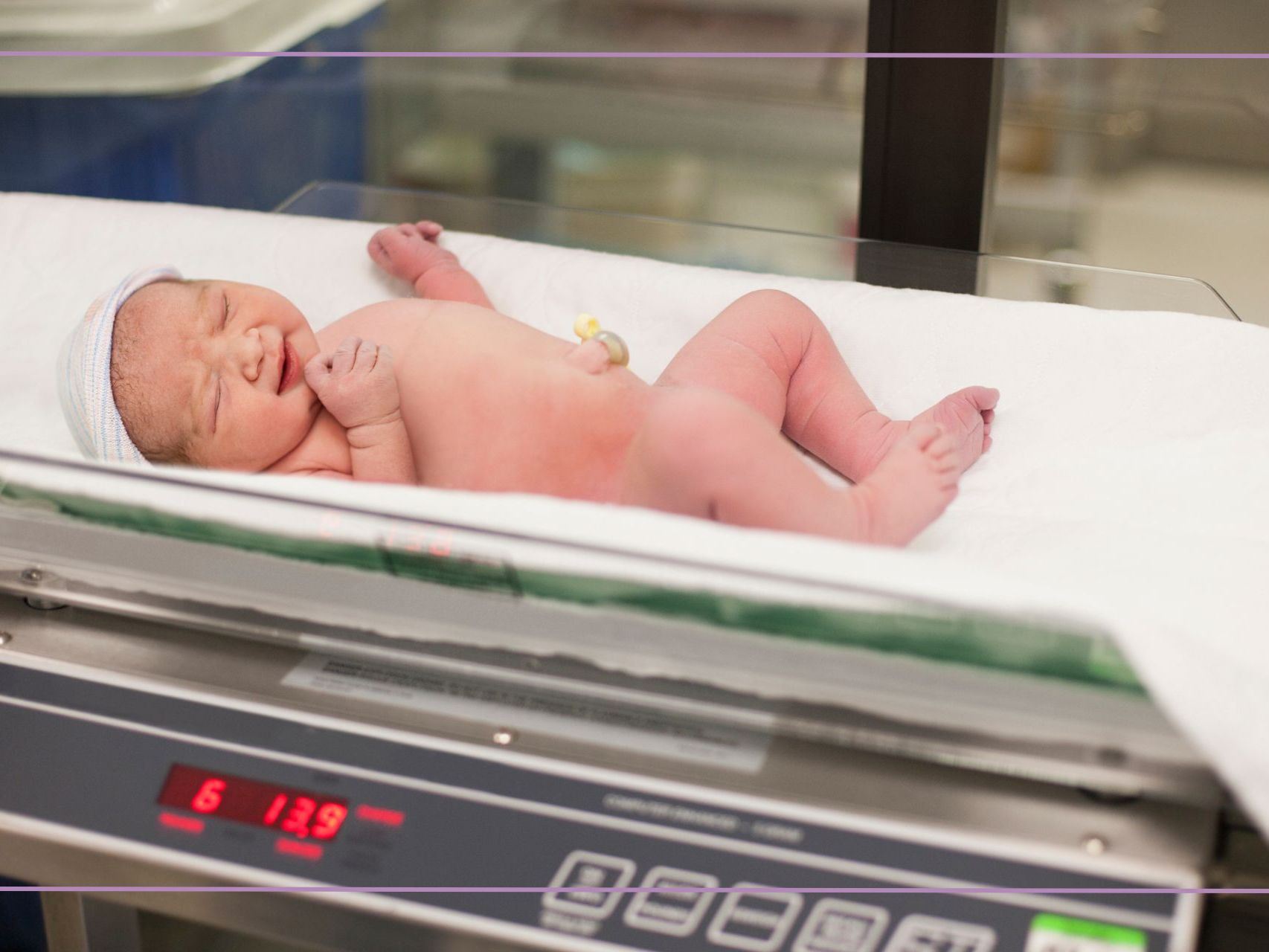
How Many Ounces Are in a Pound of Baby Weight?
There are exactly 16 ounces in 1 pound of baby weight. This is the same measurement used for adults, food, and household items.
So, if you ask how many ounces in a pound baby weight, the answer is always 16 ounces. Baby weight does not use a different pound-to-ounce system.
Here are the basic conversions:
• 1 pound = 16 ounces
• 2 pounds = 32 ounces
• 3 pounds = 48 ounces
• 4 pounds = 64 ounces
• 5 pounds = 80 ounces
• 6 pounds = 96 ounces
• 7 pounds = 112 ounces
• 8 pounds = 128 ounces
• 9 pounds = 144 ounces
• 10 pounds = 160 ounces
A baby who weighs 7 pounds 4 ounces weighs 116 ounces in total. You get this number by multiplying 7 by 16 and adding 4.

How to Convert Baby Weight From Pounds to Ounces
Converting baby weight is easy when you use one simple formula:
Pounds × 16 + extra ounces = total ounces
For example, a baby weighing 6 pounds 8 ounces would be calculated this way:
- Multiply 6 pounds by 16: 6 × 16 = 96 ounces.
- Add the extra 8 ounces: 96 + 8 = 104 ounces.
- The total baby weight is 104 ounces.
This formula answers how many ounces in a pound baby weight without guesswork. It also works for weights such as 4 pounds 11 ounces or 8 pounds 2 ounces.
Baby weight conversion examples
| Baby weight | Total ounces |
|—|—:|
| 3 pounds | 48 ounces |
| 3 pounds 8 ounces | 56 ounces |
| 4 pounds 4 ounces | 68 ounces |
| 5 pounds 6 ounces | 86 ounces |
| 6 pounds 12 ounces | 108 ounces |
| 7 pounds 8 ounces | 120 ounces |
| 8 pounds 4 ounces | 132 ounces |
| 9 pounds 10 ounces | 154 ounces |
One common mistake is treating “7 pounds 4 ounces” as 7.4 pounds. That is not correct. The 4 ounces are one-fourth of a pound, so the decimal form is about 7.25 pounds.
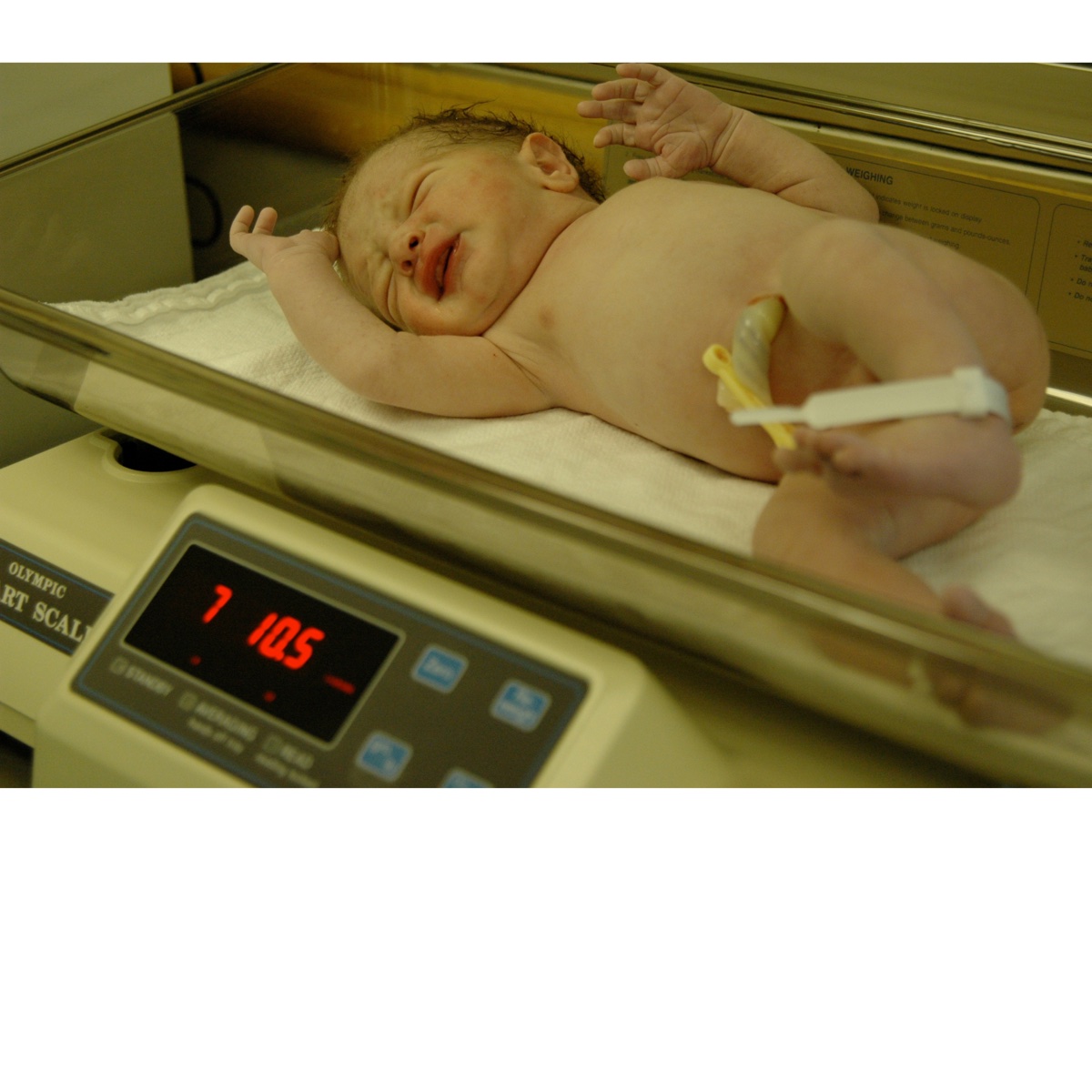
How to Convert Ounces Back to Pounds and Ounces
You can also change total ounces into pounds and remaining ounces. Divide the total ounces by 16.
For example, suppose a baby weighs 100 ounces:
• 16 goes into 100 six times.
• Six pounds equal 96 ounces.
• 100 minus 96 leaves 4 ounces.
• The baby weighs 6 pounds 4 ounces.
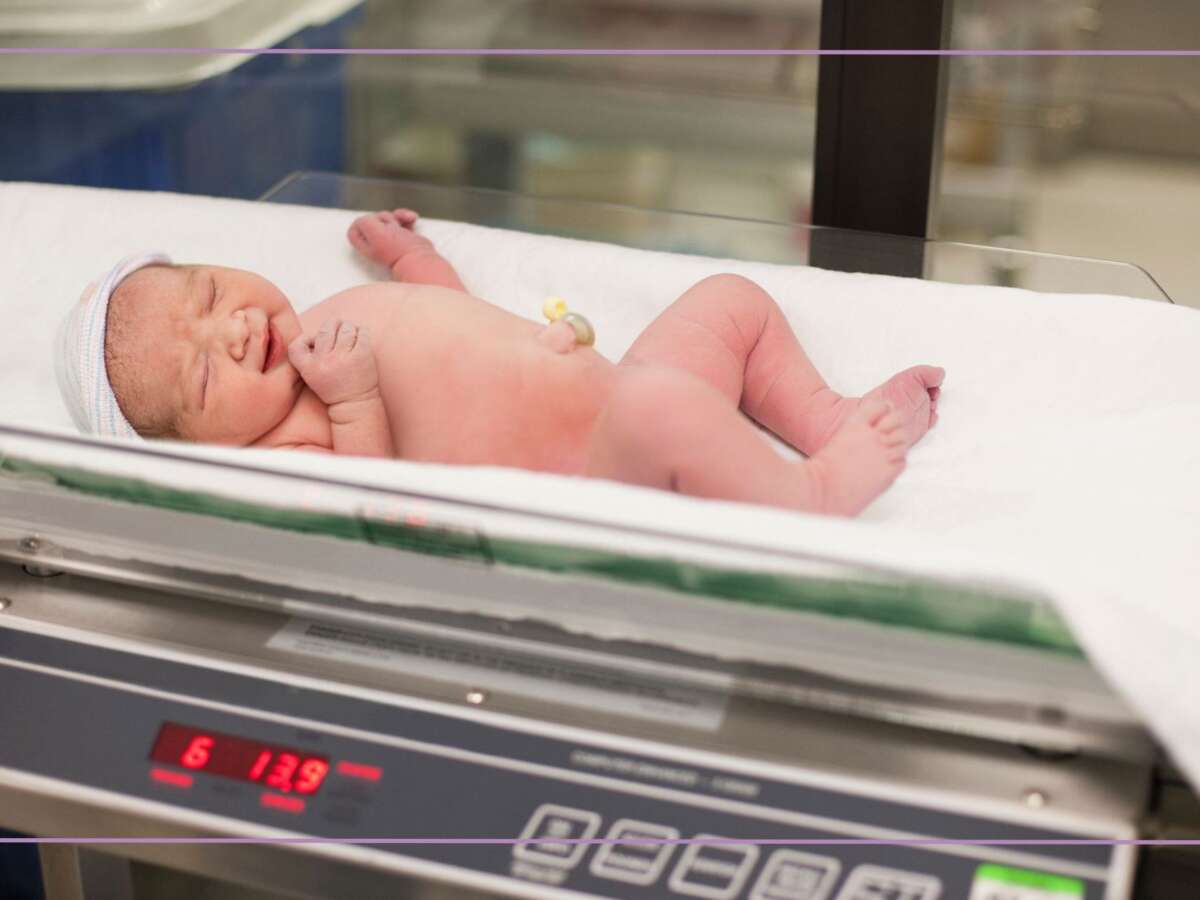
This method is useful when a digital scale shows ounces but a doctor’s office records weight in pounds and ounces.
Here are more examples:
• 48 ounces = 3 pounds
• 60 ounces = 3 pounds 12 ounces
• 72 ounces = 4 pounds 8 ounces
• 88 ounces = 5 pounds 8 ounces
• 112 ounces = 7 pounds
• 128 ounces = 8 pounds
When checking how many ounces in a pound baby weight, remember that every full group of 16 ounces equals one pound. Any amount left over is written as extra ounces.
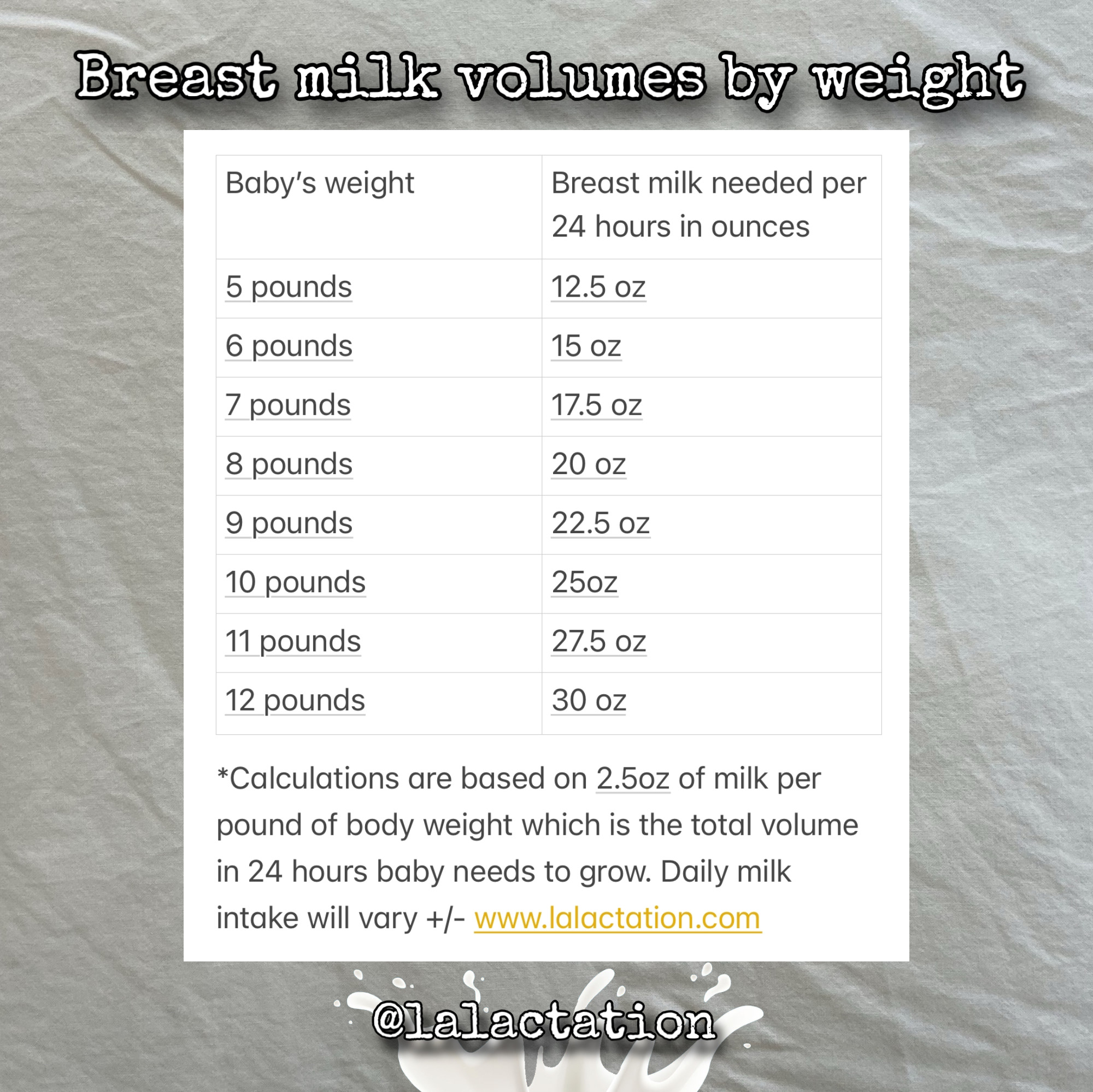
Pounds, Ounces, Grams, and Kilograms
Medical records may show baby weight in pounds and ounces, grams, or kilograms. Knowing how the units connect can make records much easier to understand.
The main conversions are:
• 1 pound = 16 ounces
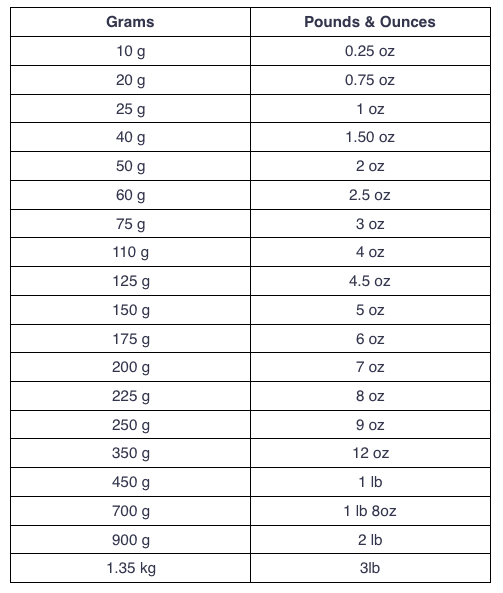
• 1 ounce = 28.35 grams
• 1 pound = 453.59 grams
• 1 kilogram = 1,000 grams
• 1 kilogram = 2.2 pounds, approximately
For example, a baby weighing 8 pounds has a weight of about 3,629 grams or 3.63 kilograms.
A baby weighing 5 pounds 8 ounces equals 88 ounces. That is about 2,495 grams, or nearly 2.5 kilograms.
A simple conversion table
| Pounds and ounces | Approximate grams | Approximate kilograms |
|---|---|---|
| 4 pounds | 1,814 grams | 1.81 kilograms |
| 5 pounds | 2,268 grams | 2.27 kilograms |
| 6 pounds | 2,722 grams | 2.72 kilograms |
| 7 pounds | 3,175 grams | 3.18 kilograms |
| 8 pounds | 3,629 grams | 3.63 kilograms |
| 9 pounds | 4,082 grams | 4.08 kilograms |
Small differences may appear because grams and ounces do not convert into perfectly even whole numbers. A doctor or nurse may round the result, while a digital scale may show more decimal places.
Why Baby Weight Is Measured So Carefully
Baby weight gives health professionals useful information about feeding, hydration, and growth. It is one part of a larger picture that also includes length, head size, alertness, wet diapers, and feeding habits.
Newborns often lose some weight during the first days after birth. This can happen as the body adjusts to feeding outside the womb. Many babies begin gaining weight again soon after, but the exact pattern depends on feeding, health, birth timing, and other factors.
Weight alone does not tell the whole story. A small baby may be healthy, and a larger baby may still need close monitoring. Pediatricians compare measurements with growth charts and look at the trend over time.
What doctors consider
Health professionals may review:
• Birth weight and gestational age
• Weight loss after birth
• Feeding amount and feeding frequency
• Number of wet and dirty diapers
• Weight gain at follow-up visits
• Length and head circumference
• The baby’s position on an age-based growth chart
The key lesson is that one number is only a snapshot. A steady growth pattern often matters more than a single measurement.
Baby Weight Examples by Age
Parents often search how many ounces in a pound baby weight because baby weight is shared in different formats. A nurse may say “10 pounds 2 ounces,” while a scale may show “162 ounces.”
Here are common examples:
Newborn example
A newborn weighs 7 pounds 6 ounces.
• 7 pounds × 16 = 112 ounces
• 112 + 6 = 118 ounces
• Total weight = 118 ounces
Two-month example
An infant weighs 10 pounds 12 ounces.
• 10 pounds × 16 = 160 ounces
• 160 + 12 = 172 ounces
• Total weight = 172 ounces
Premature baby example
A premature baby weighs 3 pounds 9 ounces.
• 3 pounds × 16 = 48 ounces
• 48 + 9 = 57 ounces
• Total weight = 57 ounces
Premature babies are often assessed by gestational age and corrected age. Their care team may use special growth charts, so parents should avoid comparing their weight with that of a full-term baby without medical guidance.
How to Weigh a Baby at Home
Home baby scales can help parents monitor changes between medical visits. However, the number is most useful when the weighing method stays the same.
For a more consistent reading:
- Place the scale on a firm, flat floor or surface.
- Use the same scale each time.
- Weigh the baby at a similar time of day.
- Remove heavy clothing, blankets, and toys.
- Make sure the baby is still before reading the number.
- Record the date, weight, and unit.
- Share concerning changes with the pediatrician.
Never leave a baby alone on a changing table, bed, or raised scale. A baby can move suddenly, even when very young.
Home scales may differ from clinic scales. A difference of a few ounces does not always mean true weight loss or gain. If the result seems unusual, repeat the measurement and ask the medical team to confirm it.
A practical tracking example
You might write:
• Monday: 9 pounds 8 ounces
• Thursday: 9 pounds 11 ounces
• Sunday: 10 pounds 0 ounces
That record shows a gradual increase of 8 ounces over the period. Still, a pediatrician should interpret the trend, especially for a newborn or a baby with feeding concerns.
Common Mistakes When Reading Baby Weight
Even though how many ounces in a pound baby weight is simple, weight records can cause confusion.
Mistake 1: Treating ounces as decimal pounds
A baby weighing 6 pounds 8 ounces does not weigh 6.8 pounds. Eight ounces equal half a pound, so the correct decimal form is 6.5 pounds.
Mistake 2: Forgetting the extra ounces
A baby weighing 7 pounds 3 ounces weighs 115 ounces, not 112 ounces. The 3 extra ounces must be added after converting the full pounds.
Mistake 3: Comparing weights from different scales
Two scales may show slightly different results. Clothing, diapers, feeding time, and scale accuracy can all affect the reading.
Mistake 4: Focusing on one measurement
One weight reading cannot show the full growth pattern. Doctors usually review several measurements over time.
Mistake 5: Using adult weight advice for babies
Infant feeding and growth needs are different from adult needs. Do not change formula amounts, add cereal, or restrict feeding based only on a home scale.
Accurate conversion is helpful, but medical interpretation belongs with a qualified pediatric professional.
When to Call a Pediatrician About Baby Weight
Contact a pediatrician if your baby is feeding poorly, has fewer wet diapers, seems unusually sleepy, vomits often, or does not seem to be gaining weight.
You should also seek advice if:
• A newborn loses more weight than the care team expects
• The baby has trouble latching or taking a bottle
• Wet diapers become less frequent
• The baby refuses several feeds
• Home measurements show a repeated drop in weight
• You are worried about dehydration or illness
Newborn weight loss can be normal within limits, but the safe range depends on the baby’s starting weight, age, feeding method, and health. Some clinical guidelines treat weight loss above 10% of birth weight as a reason for prompt assessment.
Do not wait for a conversion calculation if your baby appears seriously ill. Seek urgent medical help for breathing trouble, extreme weakness, blue or gray skin, or difficulty waking.
Why Consistent Weight Tracking Matters
Consistent tracking helps show whether a baby is following a healthy growth path. It can also help a care team identify feeding problems early.
Think of weight tracking like watching a plant grow. One look tells you little, but repeated checks show the direction. The same idea applies to how many ounces in a pound baby weight: the conversion is exact, but the trend gives the medical context.
For the clearest record, keep these details together:
• Date and time
• Baby’s weight
• Weight unit
• Clothing or diaper status
• Feeding concerns
• Number of wet diapers
• Any symptoms
A written log or approved health app can make appointments easier. Bring the record to checkups so the pediatrician can compare it with the baby’s growth chart.
Frequently Asked Questions About How Many Ounces in a Pound Baby Weight
How many ounces are in one pound of baby weight?
One pound of baby weight equals 16 ounces. This conversion is exact and applies to all babies and adults.
How many ounces are in 5 pounds of baby weight?
Five pounds equals 80 ounces. Multiply 5 by 16 to get the total.
How many ounces is a 7-pound, 8-ounce baby?
A baby weighing 7 pounds 8 ounces weighs 120 ounces. Seven pounds equals 112 ounces, and adding 8 gives 120 ounces.
Is 8 ounces half a pound for a baby?
Yes. Since 16 ounces equal 1 pound, 8 ounces equal one-half pound. For example, 6 pounds 8 ounces is the same as 6.5 pounds.
How do I convert 100 ounces into baby pounds?
Divide 100 by 16. The result is 6 full pounds with 4 ounces left over, so 100 ounces equals 6 pounds 4 ounces.
Should I worry if my baby’s weight changes by a few ounces?
A small change may result from feeding, a wet diaper, clothing, or different scales. If the change continues or your baby has feeding or health symptoms, contact the pediatrician.
Conclusion
One pound of baby weight always equals 16 ounces. To convert pounds to ounces, multiply the pounds by 16 and add the remaining ounces. To convert ounces back, divide by 16 and record the remainder as extra ounces.
This simple skill makes weight records easier to read, but growth must be judged over time and with other health signs. Track measurements consistently, avoid comparing babies without context, and contact your pediatrician when weight or feeding concerns continue. Use these conversion tips at your next checkup, and explore trusted pediatric resources for more guidance on healthy infant growth.