Introduction
A healthy 10-month-old usually needs 4–8 ounces of plain water per day—about ½ to 1 cup, or 120–240 milliliters—in small sips with meals and snacks. Breast milk or iron-fortified infant formula should still provide most of your baby’s fluids and nutrition until 12 months.
Some babies drink less water, especially if they still breastfeed often. Others may drink more on hot days or when eating salty foods. Do not force a set amount. Offer water regularly, watch your baby’s wet diapers and behavior, and ask your child’s pediatrician if illness, vomiting, diarrhea, fever, or poor feeding is involved.
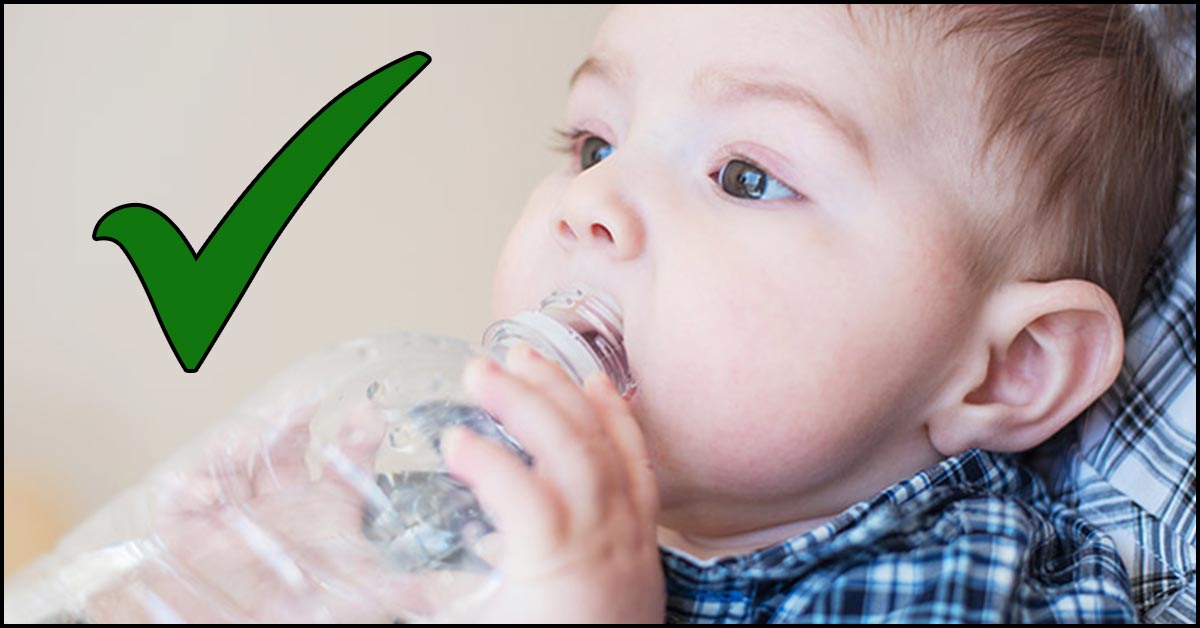
How Much Water Does a 10-Month-Old Need?
Most 10-month-olds do well with 4–8 ounces of water in a full day. This is a general range, not a strict target.
The American Academy of Pediatrics gives this range for babies ages 6–12 months. The Centers for Disease Control and Prevention also advises offering small amounts of plain water once babies begin eating solid foods.
At 10 months, water supports learning to drink from a cup. It also helps your baby swallow foods and get used to the taste of plain water. However, it does not replace breast milk or formula yet.
A simple daily guide
| Age | Main drink | Typical plain-water range |
|---|---|---|
| Birth to about 6 months | Breast milk or infant formula | Usually no extra water |
| 6–12 months | Breast milk or infant formula plus solid foods | About 4–8 oz per day |
| 12 months and older | Water and whole milk can become main drinks | Needs vary by child |
The range may be lower or higher based on your baby’s milk intake, foods, activity, climate, and health. A baby who breastfeeds often may take only a few sips of water. That can be normal.
Why Breast Milk or Formula Still Comes First
Breast milk or infant formula remains your baby’s main source of nutrition and fluid before age 1. Water contains no calories, protein, fat, iron, or other key nutrients your baby needs for growth.
Too much water can fill a small stomach. A full stomach may lead to less breast milk or formula. Over time, that can reduce calorie and nutrient intake.
For babies who drink formula, prepare it exactly as the label states. Never add extra water to make formula last longer. Diluted formula can cause an unsafe imbalance of water and salts.
For babies who breastfeed, it is not necessary to measure every ounce of milk. Instead, continue to breastfeed on your usual schedule and offer small sips of water with solid foods.
The CDC recommends breast milk or iron-fortified infant formula as the main drink from 6 to 12 months. It advises against replacing these feeds with water, juice, or other drinks.
When Should You Offer Water?
Offer water with meals and snacks, rather than giving large amounts throughout the day. This timing works well because solid foods may be dry, and your baby can practice drinking while seated and supervised.
A simple routine might look like this:
- Give breast milk or formula as usual.
- Serve age-safe solid foods.
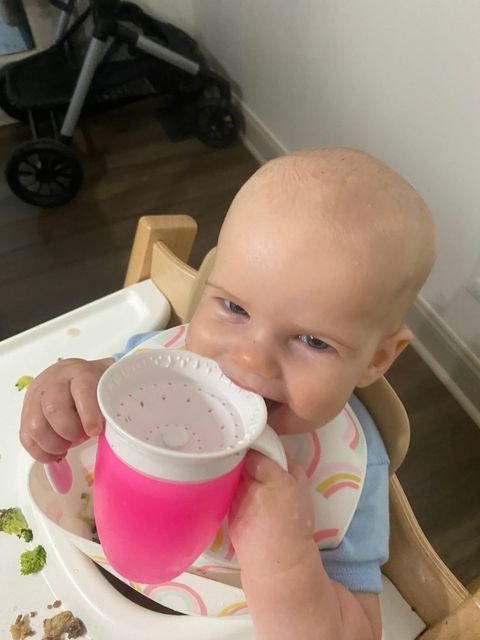
- Offer a few sips of water in an open cup or training cup.
- Stop when your baby turns away, closes their mouth, or loses interest.
- Continue normal breast milk or formula feeds.
You can start with about 1–2 ounces at a meal, then adjust based on your baby’s cues. This is a practical starting point, not a medical requirement.
Use a small open cup if possible. Babies may spill at first, but this helps them learn a useful skill. A straw cup can also work if your baby uses it safely.
Always seat your baby upright. Stay close while they drink, and do not let them walk, crawl, or lie down with a cup.
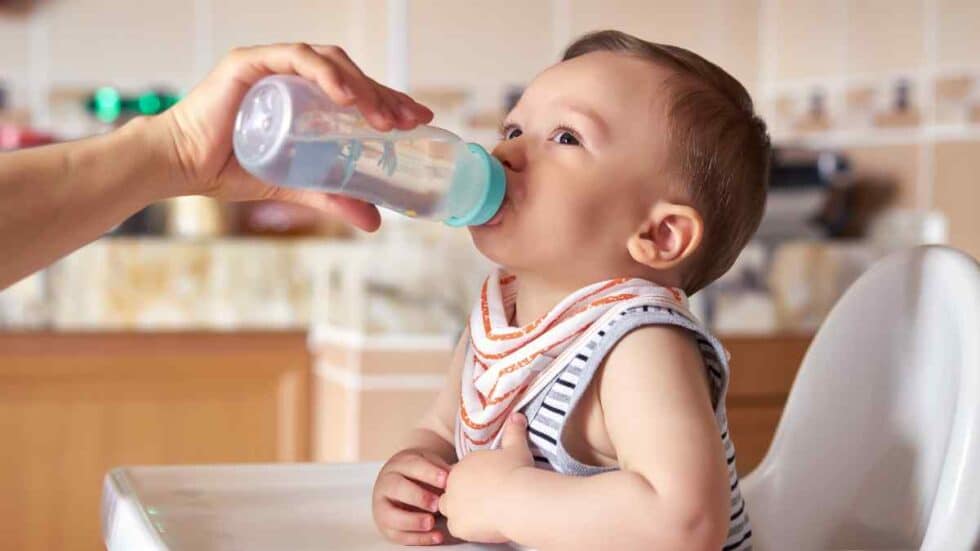
How to Tell Whether Your Baby Is Getting Enough Fluid
A baby who is getting enough fluid usually has regular wet diapers, moist lips and mouth, and normal energy. Your baby may also cry with tears and feed in their usual way.
Diaper counts are not exact, but a clear drop from your baby’s normal pattern can be a warning sign. The American Academy of Pediatrics lists fewer wet diapers, dry mouth, fewer tears, unusual sleepiness, and sunken eyes or soft spot among possible signs of dehydration.
Call your pediatrician promptly if your baby:
- Has much fewer wet diapers than usual
- Refuses breast milk or formula
- Has repeated vomiting or diarrhea
- Has a very dry mouth
- Seems unusually weak, sleepy, or hard to wake
- Has no tears when crying
- Has a sunken soft spot
- Cannot keep fluids down
Seek urgent medical help if your baby is difficult to wake, has trouble breathing, looks very ill, or shows severe dehydration. Do not try to correct serious dehydration by giving large amounts of plain water.

What Kind of Water Is Safe for a 10-Month-Old?
For most babies, offer plain, safe drinking water from your household supply. If your water comes from a private well, follow local testing advice. If local officials issue a boil-water notice, use the method they recommend.
Tap water can provide fluoride, which helps protect teeth. The CDC notes that babies older than 6 months may need fluoride from water, depending on the fluoride level in the local supply. Ask your pediatrician or dentist whether your baby needs a fluoride supplement. Do not give a supplement without professional advice.
Bottled water is not automatically safer or better. Some bottled waters contain little fluoride, while others may have added fluoride. Check the label or ask your child’s health professional if you use bottled water often.
Do not add sugar, honey, salt, or flavor packets to water. Honey should not be given before 12 months because of the risk of infant botulism. Sweet drinks can also raise the risk of tooth decay and make plain water less appealing.

Drinks to Avoid Before 12 Months
A 10-month-old should generally avoid these drinks:
- Cow’s milk as a main drink: Small amounts in foods may be fine, but cow’s milk should not replace breast milk or formula before 12 months.
- Juice: The American Academy of Pediatrics recommends no juice for children under 1 year.
- Sports drinks and electrolyte drinks: These are not routine drinks for healthy infants.
- Soda, sweet tea, and flavored drinks: They add sugar and do not provide the nutrition your baby needs.
- Plant-based milk drinks: Most are not nutritionally equal to infant formula or breast milk for babies under 12 months.
- Unpasteurized drinks: These may contain harmful germs.
- Caffeinated drinks: Babies do not need caffeine, and it can affect sleep and behavior.
If your baby is sick or losing fluids, ask a pediatrician which oral rehydration product to use. Do not use sports drinks or homemade salt-and-sugar mixtures unless a qualified clinician gives specific instructions.

Can a 10-Month-Old Drink Too Much Water?
Yes. Too much plain water can be dangerous for an infant.
A baby’s kidneys are still developing. A large amount of water can lower the sodium level in the blood, a condition called hyponatremia. Severe hyponatremia can cause vomiting, confusion, seizures, or other medical emergencies.
The greatest risk comes from replacing breast milk or formula with water, adding extra water to formula, or giving repeated large bottles of water. A few sips with meals are very different from drinking several cups.
Do not pressure your baby to finish a cup. Let thirst and hunger cues guide the amount, while you continue normal milk feeds.
Call a poison center or seek urgent medical care if your baby drinks a large amount of water at once, especially if the baby becomes very sleepy, vomits, acts confused, has twitching, or has a seizure. In the United States, Poison Control can be reached at 1-800-222-1222.

Does a 10-Month-Old Need More Water in Hot Weather?
Your baby may need more breast milk or formula during hot weather, not simply more plain water. Offer normal milk feeds more often and provide small sips of water with meals.
Keep your baby cool, dress them in light clothing, and avoid direct sun. Never use thirst alone to judge hydration in a young baby.
Ask your pediatrician for advice if your baby is sweating heavily, has a fever, has diarrhea, is vomiting, or spends time in very hot conditions. Babies can become dehydrated faster than older children.
Do not give extra water just because the weather is warm. The safe plan depends on your baby’s age, milk intake, symptoms, and local conditions.
What If Your Baby Refuses Water?
Water refusal is common at 10 months. Many babies are still getting enough fluid from breast milk or formula, so they may have little interest in water.
Try these steps:
- Offer water when your baby is calm, not very hungry or upset.
- Give a few sips with each solid-food meal.
- Try an open cup, straw cup, or small training cup.
- Let your baby watch you drink plain water.
- Keep the water plain and cool or room temperature.
- Stop when your baby refuses; try again later.
- Continue regular breast milk or formula feeds.
Do not add juice or sugar to make water more attractive. If your baby refuses all fluids or has fewer wet diapers, contact the pediatrician.

Does Food Count Toward Hydration?
Foods contain water, but they do not replace breast milk or formula. Soft foods such as peaches, pears, melon, yogurt, oatmeal, vegetables, and beans can add fluid to the diet.
Serve foods in forms that match your baby’s development. Avoid hard, round, sticky, or tough foods that can cause choking. Your baby should eat while sitting upright and watched closely.
Water-rich foods may help, but they should not be used to correct dehydration. If your baby has vomiting, diarrhea, fever, or poor feeding, call the pediatrician for a specific plan.

Common Mistakes to Avoid
The most common water mistakes involve giving too much, replacing milk, or using unsafe drinks.
Avoid these practices:
- Giving water before breast milk or formula when your baby is hungry
- Using water to stretch or dilute infant formula
- Offering a full bottle of water instead of a milk feed
- Counting juice, soda, or sweet drinks as healthy hydration
- Forcing your baby to reach exactly 8 ounces
- Giving water while your baby is lying down
- Leaving a cup in the crib or allowing constant sipping
- Assuming bottled water is always better than tap water
- Treating vomiting or diarrhea with plain water alone
The goal is not to make your baby drink a specific amount at any cost. The goal is to provide safe practice with water while protecting breast milk or formula intake.

A Practical One-Day Example
Here is a hypothetical routine for a healthy 10-month-old:
- Morning: Breast milk or formula; a few sips of water with breakfast
- Midday: Breast milk or formula; 1–2 ounces of water with lunch
- Afternoon: Breast milk or formula as usual
- Evening: Breast milk or formula; a few sips of water with dinner
This example may provide only a few ounces of water. Another baby may take closer to 8 ounces. Both patterns can be normal if the baby feeds well, has regular wet diapers, and grows as expected.
Your baby’s pediatrician may recommend a different plan for kidney disease, heart disease, feeding problems, premature birth, poor weight gain, or an illness.

Key Takeaways
- A 10-month-old usually needs about 4–8 ounces of plain water per day.
- Offer small sips with meals and snacks.
- Breast milk or iron-fortified formula should remain the main drink until 12 months.
- Never dilute infant formula with extra water.
- Avoid juice, sweet drinks, cow’s milk as a main drink, and caffeinated drinks before 12 months.
- Watch wet diapers, feeding, energy, and other signs of hydration.
- Call the pediatrician for dehydration signs, repeated vomiting, diarrhea, poor feeding, or unusual sleepiness.
FAQs
Can I give my 10-month-old water at night?
You can offer a few sips of water if your baby is awake and wants them, but do not use water to replace a breast milk or formula feed without medical advice. Avoid leaving a bottle or cup in the crib, since this can increase choking and dental risks.
How many ounces of water should a 10-month-old drink at one time?
There is no required amount per sitting. Start with a few sips or about 1–2 ounces with a meal. Your baby may drink more or less. Stop when your baby shows they are finished.
Can a 10-month-old drink cold water?
Yes. Cold, cool, or room-temperature water is generally fine. Choose the temperature your baby accepts safely.
Does water help constipation in a 10-month-old?
Small amounts of water with meals may support normal hydration, but constipation can have many causes. Ask your pediatrician before using extra water, juice, laxatives, or supplements to treat constipation.
Should I give water during vomiting or diarrhea?
Call your pediatrician for advice. Plain water alone may not replace the fluids and salts lost during illness. A clinician may recommend continued breast milk, formula, or a specific oral rehydration solution based on your baby’s symptoms.
Conclusion
For most healthy 10-month-olds in the United States, 4–8 ounces of plain water daily is a useful general guide. Offer it in small amounts with meals, while continuing regular breast milk or iron-fortified formula feeds.
Your baby does not need to finish a measured cup. Follow feeding cues, use safe drinking water, and contact the pediatrician when illness or dehydration may be present.