Introduction
You cannot perform a full newborn vision exam at home, but you can watch for early signs that your baby sees, uses both eyes together, and needs medical attention. In the United States, newborns usually receive an eye check during routine hospital care and pediatric visits. Home checks are only a supplement to those exams.
Try these observations when your baby is calm and alert:
- Looks toward your face or a nearby light
- Briefly fixes on a face or object
- Moves both eyes in roughly the same direction
- Has pupils that look similar in size
- Shows no white glow in the pupil
- Opens both eyes without major swelling or drooping
A newborn’s vision is still developing. Occasional wandering or crossing can be normal in the first weeks. However, a white pupil, a persistent eye turn, or a clear lack of visual response should be checked promptly by a U.S. pediatrician or pediatric eye doctor.
What Newborn Vision Normally Looks Like
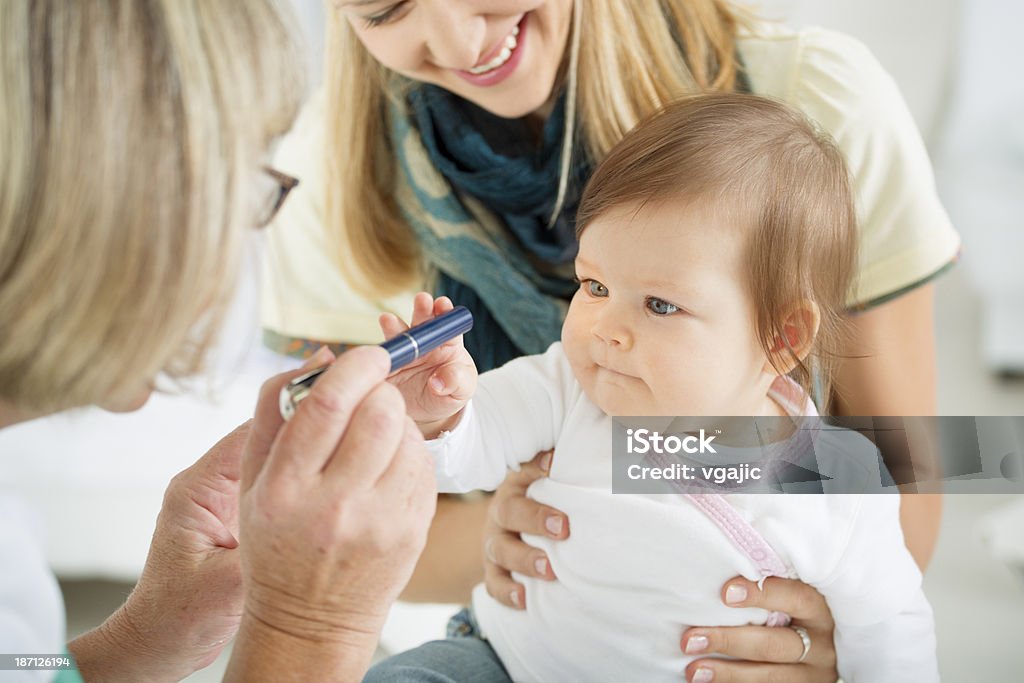
Newborn vision is blurry, but babies can see light, shapes, movement, and faces at close range. Most newborns see best at about 8 to 12 inches from their face—the distance from a baby’s eyes to a caregiver’s face during feeding.
During the first few weeks, many babies:
- Prefer high-contrast patterns
- Look briefly at faces
- Blink or turn toward a change in light
- Focus for only a few seconds
- Let their eyes drift or cross from time to time
- Have trouble following a moving object
Newborns do not need to track an object smoothly across a room. Long, steady eye contact and smooth tracking develop over the next few months.
A simple way to think about early vision is like a camera that is still coming into focus. The basic parts are working, but the image is not yet sharp or steady.
What “seeing” means at this age
A visual response may be small. Your baby might pause, widen the eyes, look toward your face, or briefly follow your face. Some babies respond more clearly to movement than to a still object.
A single missed response does not prove a vision problem. Hunger, sleepiness, crying, illness, and bright light can all affect your baby’s behavior.

How to Check Newborn Eyesight at Home
Use the following steps when your baby is awake, calm, and fed. Stop if your baby becomes upset. These checks are observations, not diagnostic tests.
1. Choose the right setting
Use soft, even room light. Avoid direct sunlight, camera flashes near the eyes, and bright flashlights. Place your baby on a safe, flat surface or hold the baby securely.
Remove visual distractions. A plain background helps you notice eye movement and pupil appearance.
2. Watch for a brief response to your face
Hold your face about 8 to 12 inches from your baby’s face. Speak softly and wait several seconds.
Look for signs such as:
- Looking toward your face
- Pausing movement
- Opening the eyes wider
- Briefly holding the gaze
- Turning the head toward you
Do not expect your baby to stare for a long time. Newborn attention often comes in short bursts.
3. Try a high-contrast object
use a black-and-white card, a dark toy, or your face against a plain background. Hold it at the same close distance.
Move the object slowly from the center toward one side. Then return it to the center before trying the other side.
Look for a brief attempt to follow. At this age, the eyes may move in short jumps rather than one smooth motion. Do not move the object quickly or expect your baby to follow it far to the side.
4. Compare the two eyes
When your baby is calm, look at both eyes together. Check whether:
- Both eyes open in a similar way
- Both pupils appear similar in size
- The eyes move in generally the same direction
- One eye does not stay turned in or out
- One eyelid does not cover much of the eye
A brief eye turn can occur in newborns. A turn that is constant, frequent, or still present beyond the early months needs professional assessment.
5. Look at the pupils without shining light into them
In normal room light, the pupils—the dark centers of the eyes—should look dark. A photo may sometimes show a red or orange reflection in both pupils. This is called a red reflex.
A white, gray, or yellow-looking pupil in person or in repeated photos is not normal and needs prompt medical review. Do not try to create a red-reflex test with a flashlight. A proper red-reflex exam requires the right equipment and training.
6. Repeat the observation on another day
One home check is not enough to judge newborn vision. Repeat it when your baby is rested and calm.
Write down what you notice, including:
- Your baby’s age
- The date and time
- Whether the baby was alert
- Which eye seemed different
- Whether the sign occurred once or repeatedly
A short video can help your pediatrician understand an eye movement. Record only when it is safe, and never delay urgent care while making a video.

What the Results May Mean
Home observations can suggest whether your baby responds to visual input, but they cannot confirm normal eyesight. A baby may have a normal response and still have a problem that only a professional exam can find.
| What you notice | What it may mean | What to do |
|---|---|---|
| Briefly looks at your face | A normal early visual response | Continue routine care |
| Eyes wander briefly | Common in early newborn development | Mention it at the next visit if it continues |
| Eyes always turn in or out | Possible eye alignment problem | Contact the pediatrician |
| One eye often closes or seems different | Possible difference in vision, discomfort, or eyelid position | Arrange a medical assessment |
| Pupils look different in size repeatedly | May need urgent assessment, especially with other symptoms | Contact a clinician promptly |
| White or gray pupil | Possible serious eye condition | Seek urgent medical evaluation |
| No response to faces, movement, or changes in light | Could reflect limited vision, illness, or poor alertness | Contact the pediatrician promptly |
| Red, swollen eye with heavy discharge | May be infection or another eye problem | Call the pediatrician the same day |
Do not diagnose your baby from a phone photo. Red-eye effects, room lighting, camera position, and image processing can change how pupils look. Still, repeated white or unusual pupil reflections should never be ignored.
A newborn who was born early, had a complicated delivery, spent time in a neonatal intensive care unit, or has a family history of childhood eye disease may need a different follow-up plan. Ask the baby’s clinician what schedule applies.

When to Call a Pediatrician or Eye Doctor
Call your baby’s pediatrician if you notice a repeated concern, even if your baby seems comfortable. The pediatrician can examine the eyes and refer your baby to a pediatric ophthalmologist when needed.
Seek prompt medical advice for:
- An eye that is consistently turned in or out
- A cloudy, white, or gray-looking pupil
- Unequal pupils that persist
- A drooping eyelid that covers part of the pupil
- A large difference between the two eyes
- Ongoing redness, swelling, or discharge
- Extreme sensitivity to light
- Frequent eye shaking or rapid, unusual eye movements
- No apparent response to faces or nearby movement
- A change from what was normal for your baby
Seek urgent care for a serious eye injury, sudden swelling, a painful-looking eye, or a baby who appears very ill. In the United States, call 911 for a life-threatening emergency. For less severe concerns, call your pediatrician’s office or the after-hours medical line.
Why early assessment matters
Some childhood eye problems are easier to treat when found early. For example, one eye may develop weaker vision if the brain receives a consistently blurry image from that eye. Doctors may call this amblyopia, or “lazy eye.” A home check cannot identify amblyopia reliably, but an eye professional can assess risk factors and eye function.
The American Academy of Pediatrics recommends eye health and vision assessment as part of routine pediatric care. The American Association for Pediatric Ophthalmology and Strabismus also advises attention to warning signs such as an abnormal red reflex or persistent eye misalignment.
What Not to Do During a Home Vision Check
Avoid tests or actions that can hurt your baby or create false reassurance.
- Do not shine a flashlight directly into the eyes.
- Do not use a laser pointer or bright phone light.
- Do not cover one eye for a long time.
- Do not force the eyes open.
- Do not press on the eyelids or eyeballs.
- Do not put eye drops in the eyes unless a clinician prescribed them.
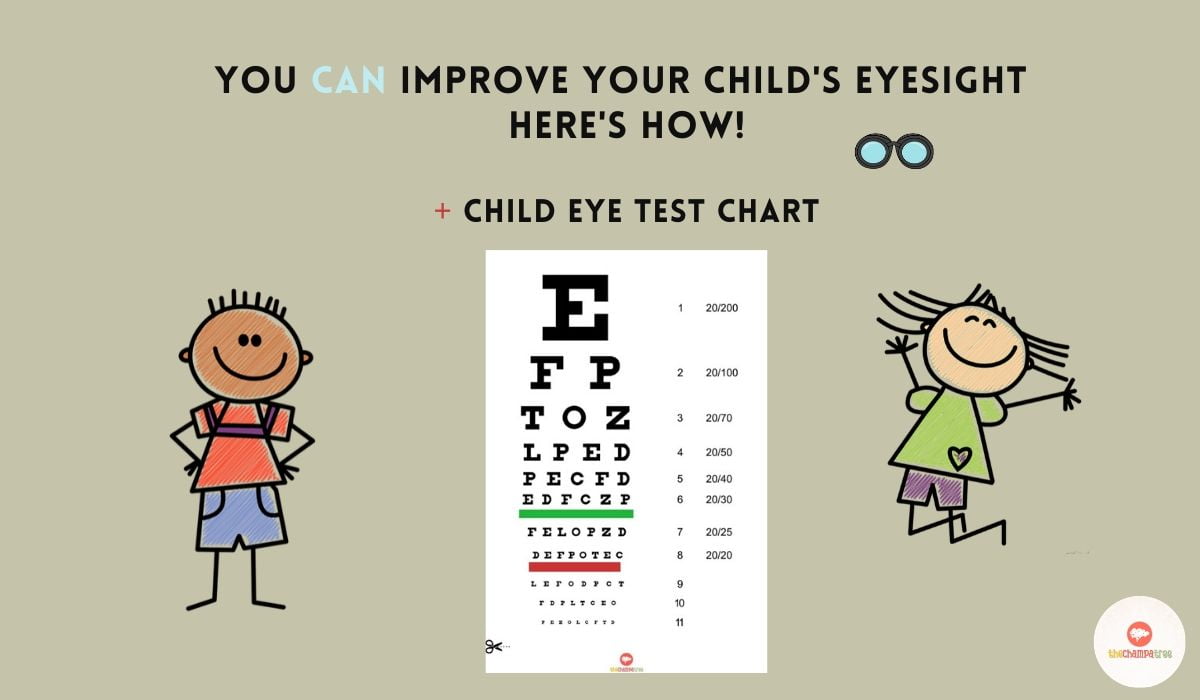
- Do not use online vision charts designed for older children.
- Do not assume a baby sees normally because the eyes look clear.
- Do not dismiss a white pupil as a camera effect without asking a clinician.
You also do not need to test your newborn every day. Frequent checking can make normal changes seem alarming. A calm observation during feeding or quiet play is usually enough.

Newborn Eyesight Milestones to Watch
Vision develops quickly, but babies do not all follow the same timetable. These are broad patterns, not pass-or-fail tests.
Around birth to 1 month
Your baby may:
- Notice light and movement
- Look briefly at faces
- Focus at close range
- Blink in response to a sudden bright light
- Have occasional eye wandering
Around 2 to 3 months
Many babies begin to:
- Hold eye contact for longer
- Follow a face or toy more smoothly
- Watch their hands
- Look from one object to another
- Use both eyes together more steadily
By about 3 to 4 months, frequent eye crossing or drifting should be discussed with a pediatrician. Earlier evaluation is appropriate if the eye turn is constant or if other warning signs appear.
If your baby does not meet a milestone
One missed behavior does not establish a vision disorder. First check the conditions: Is your baby awake? Is the object close enough? Is the room too bright? Is your baby hungry or unwell?
If the concern repeats across several calm attempts, contact the pediatrician. Do not wait for a later milestone if you see a white pupil, a constant eye turn, or a clear difference between the eyes.

How Newborn Eye Screening Fits With Home Checks
A home check does not replace the eye assessment performed by a U.S. health professional. Newborn care may include looking at the external eye, checking the pupils, and assessing the red reflex. Pediatric visits also include age-based observation and vision screening as your child grows.
Some babies need an eye exam earlier than the usual schedule. This may include babies with:
- Premature birth
- Known neurologic conditions
- Eye abnormalities
- A family history of serious childhood eye disease
- Genetic conditions linked with eye problems
- A difficult or unusual newborn course
Bring your notes or a short video to the appointment. Tell the clinician exactly what you saw and how often it happened. Clear details are more useful than a general statement such as “the eyes look strange.”

Key Takeaways
- You can observe early visual responses at home, but you cannot complete a full newborn eye exam.
- Check when your baby is calm, awake, and about 8 to 12 inches from your face.
- Look for brief attention to faces, movement of both eyes, and similar-looking pupils.
- Occasional eye wandering can be normal in the first weeks.
- A white pupil, constant eye turn, unequal pupils, or no clear visual response needs medical attention.
- Never shine a flashlight or laser into your baby’s eyes.
- Keep routine newborn and pediatric appointments even when home observations seem normal.
Frequently Asked Questions
Can a newborn see clearly?
No. Newborn vision is blurry and works best at close range. Babies can usually notice light, movement, faces, and high-contrast shapes, but sharp vision develops over time.
Is it normal for a newborn’s eyes to cross?
Brief or occasional crossing can be normal during the early weeks. A constant eye turn, a frequent turn after the first few months, or a turn linked with other symptoms should be assessed.
How do I know if my newborn is blind?
You cannot determine this safely at home. A lack of response to faces or movement can have many causes, including sleepiness or illness. If the lack of response repeats when your baby is alert, contact the pediatrician promptly.
Should I use a flashlight to test my baby’s eyes?
No. Do not shine a flashlight, phone light, or laser into your baby’s eyes. Use normal room light and observe natural responses instead.
Is a white reflection in a baby’s eye always serious?
A white or gray pupil can have more than one cause, but it may signal a serious eye problem. It should be assessed promptly rather than explained away as a camera issue.
Conclusion
The safest way to check newborn eyesight at home is to observe, not test. Watch your baby’s response to your face and nearby movement, compare the two eyes, and note repeated changes. These observations can help you explain a concern to your pediatrician, but they cannot replace newborn screening or a professional eye exam.
If you see a white pupil, a persistent eye turn, unequal pupils, major swelling, or no repeated response to visual stimuli, contact a U.S. health professional promptly. When in doubt, call the pediatrician rather than waiting for the next routine visit.
Sources for Further Reading
- American Academy of Pediatrics: Eye Examination in Infants, Children, and Young Adults
- American Association for Pediatric Ophthalmology and Strabismus: Vision Screening
- American Association for Pediatric Ophthalmology and Strabismus: Leukocoria, or White Pupil
- American Academy of Pediatrics: Bright Futures Guidelines