
For most babies in the United States, check the diaper every 2 to 3 hours during the day and change it sooner when it is wet or soiled. Change a poopy diaper as soon as you can. Newborns may need 8 to 12 diaper changes a day, while older babies often need fewer.
There is no perfect clock-based schedule. Your baby’s age, feeding pattern, urine output, skin condition, and whether the diaper contains stool all matter. The goal is to keep the skin clean and dry without waking a sleeping baby for every wet diaper.

How Often Should You Change a Newborn’s Diaper?
Newborns usually need a diaper change after each feeding or whenever the diaper feels wet or contains stool. This often works out to about every 2 to 3 hours, including some overnight changes.
In the first days of life, your baby may have only a few wet diapers. Urine output should rise as feeding becomes established. The American Academy of Pediatrics notes that babies typically have at least six wet diapers per day after the first several days.


A practical newborn routine is:
- Check the diaper before or after each feeding.
- Change any stool-covered diaper promptly.
- Change a very wet diaper before putting your baby down for sleep.
- Ask your baby’s health care professional about diaper counts if feeding or weight gain is a concern.
Some newborns need more changes than others. Breastfed babies may pass stool often in the early weeks. Formula-fed babies may have a different stool pattern. Both can be normal when your baby is feeding well and growing as expected.
Newborn diaper guide
| Baby’s stage | Typical diaper pattern | What to do |
|---|---|---|
| First 24 hours | At least 1 wet diaper may occur | Follow your newborn care team’s instructions |
| Day 2 | About 2 wet diapers may occur | Keep tracking feeds and diapers |
| Day 3 | About 3 wet diapers may occur | Call if output is much lower than expected |
| Day 4 and after | Often 6 or more wet diapers daily | Continue checking regularly |
| First weeks | Often 8 to 12 total changes daily | Change after stool and when wet |
These are general patterns, not a test that your baby must pass each day. A pediatrician may give different targets based on birth history, feeding, jaundice, illness, or weight.

How Often Should You Change a Baby’s Diaper at Night?
You usually do not need to wake a healthy, growing older baby just to change a wet diaper. Change the diaper when your baby wakes to feed, or sooner if it contains stool, leaks, or causes skin irritation.
Young newborns are different. They often wake to feed every 2 to 3 hours, and a diaper change can be part of that routine. If your newborn is difficult to wake, has poor weight gain, or has been told to follow a specific feeding plan, follow the instructions from the baby’s doctor.
A nighttime change can be brief:
- Keep the room dim.
- Use quiet movements.
- Have the clean diaper and wipes ready first.
- Clean stool from front to back.
- Apply a thin barrier layer if your baby is prone to rash.
- Avoid play or bright lights.
If the diaper is only mildly wet and your baby is sleeping comfortably, changing it at the next wake-up may be reasonable for many older babies. A very full diaper, a leaking diaper, or a baby with a rash needs earlier attention.
Should You Change a Diaper Before or After Feeding?
For many babies, the best time is both when needed and when it fits the feeding routine. A change before feeding can help a sleepy newborn wake up. A change after feeding can remove urine or stool produced during the meal.
Try this pattern:
- Before feeding: Change a soiled or very wet diaper.
- During feeding: Change the diaper if your baby falls asleep early and needs help waking.
- After feeding: Check again, especially with newborns or babies who often stool while eating.
You do not need to change a clean diaper simply because feeding has ended. Check it first. Frequent unnecessary changes can disturb your baby and use more supplies without adding a health benefit.


For babies with reflux or spit-up, keep the change gentle. Raising the legs too high or pressing on the belly right after feeding may make spit-up worse. When possible, wait a few minutes after a full feed and move slowly.

How Can You Tell If a Diaper Is Wet?
Disposable diapers often have a wetness indicator. On many brands, a line changes color when urine is present. You can also feel the diaper. A wet diaper usually feels heavier, fuller, or softer than a fresh one.
Cloth diapers need a more direct check. Look for dampness, swelling, or a cool, wet feel. Some cloth diapers have inserts that hold a large amount of liquid without looking very full, so regular checks are useful.
Do not rely only on the diaper. Your baby’s overall pattern matters too. A sudden drop in wet diapers, very dark urine, dry lips, unusual sleepiness, or poor feeding can signal a problem.
Call your baby’s health care professional promptly if you are worried about dehydration. Seek urgent medical help if your baby is hard to wake, has no tears when expected, appears very weak, or has signs of serious illness.

How to Change a Baby’s Diaper Safely
Gather supplies before placing your baby on the changing surface. You may need a clean diaper, wipes or warm water and a soft cloth, a barrier ointment, and a safe place to put dirty items.
Follow these steps:
- Keep one hand on your baby. Never leave a baby alone on a bed, couch, or changing table, even for a moment.
- Open the diaper. If there is stool, use the clean part of the diaper to wipe away as much as possible.
- Lift the legs gently. Hold the ankles together only as needed, and avoid pulling hard.
- Clean from front to back. This is especially important for babies with a vulva because it helps move stool away from the urinary opening.
- Clean skin folds. Check the groin, buttocks, and creases.
- Let the skin dry briefly. Pat rather than rub.
- Apply a barrier ointment if needed. Petrolatum or zinc oxide can help protect irritated skin.
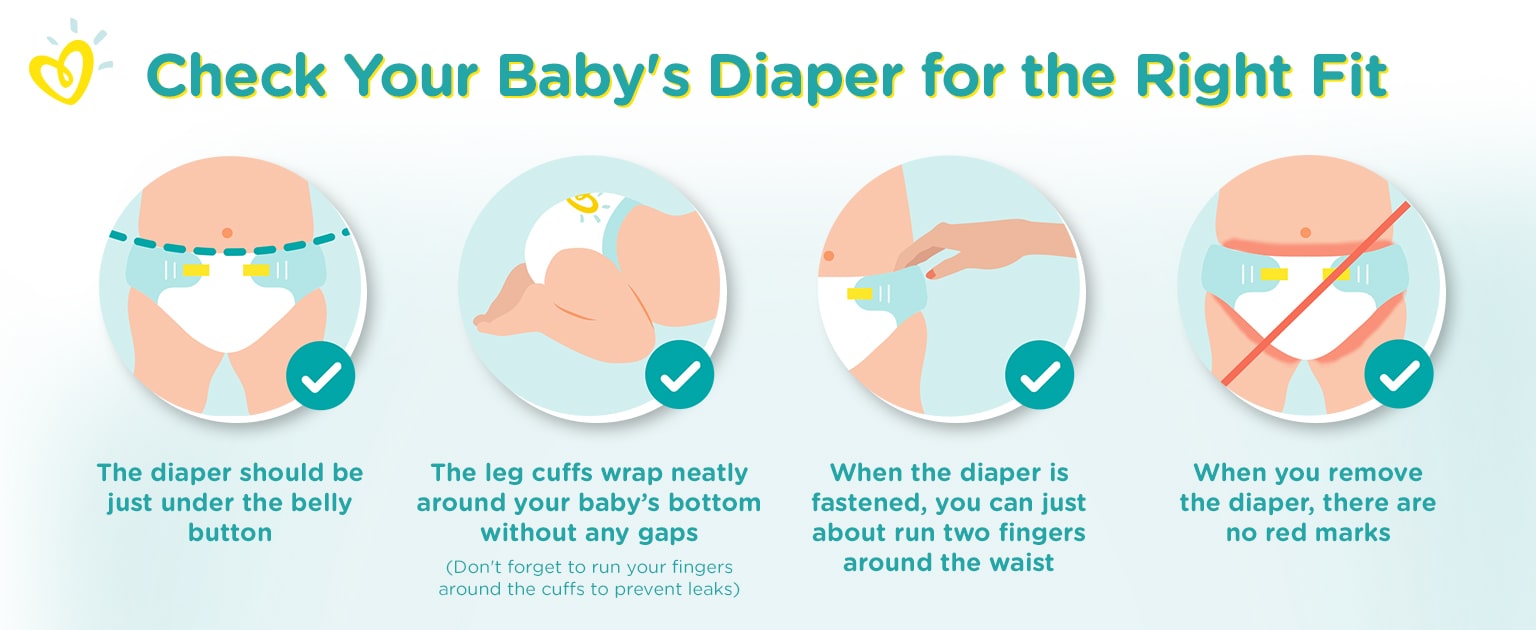
- Fasten the clean diaper. It should be snug but not tight.
- Wash your hands. Clean your hands after every change.
Keep the umbilical cord stump clean and dry. Fold the front of a newborn diaper below the stump if needed. Follow the instructions given by your hospital or pediatric practice.
Never leave a baby unattended on an elevated surface. The American Academy of Pediatrics also advises against using baby powder because the powder can enter a baby’s lungs when inhaled.

What Changes the Diaper Schedule?
The 2-to-3-hour rule is only a starting point. Several factors can mean your baby needs more frequent changes.
Stool
Stool should be changed promptly. It contains substances that can irritate the skin and lead to diaper rash. This matters even if the diaper is not very full.
Diaper rash
Change wet diapers more often during a rash. Clean gently, allow the skin to dry, and use a protective ointment. Avoid scrubbing and avoid fragranced products if they make irritation worse.
Diarrhea
Loose, frequent stools can irritate skin quickly. Change diapers after each stool, use a barrier cream, and watch for dehydration. Contact your child’s doctor if diarrhea is severe, lasts, or occurs with fever, blood, repeated vomiting, or poor feeding.
Overnight sleep
Older babies may sleep for longer stretches. A wet diaper can often wait until the next wake-up if the baby has healthy skin and the diaper is not leaking. Stool, rash, and heavy wetness change that advice.


Cloth diapers
Cloth diapers often need more frequent checks because they may not pull moisture away from the skin as well as some disposable diapers. Follow the diaper maker’s washing instructions and change the diaper when damp or soiled.
Illness or feeding problems
A baby who is vomiting, feeding poorly, or producing fewer wet diapers may need medical advice rather than simply more diaper changes. Diaper counts can help your clinician assess hydration, but they do not replace an examination.

How Many Diapers Does a Baby Need Each Day?
Many newborns use about 8 to 12 diapers per day. As babies get older, they may use about 6 to 8 diapers daily, though normal patterns vary.
For planning purposes, newborn families often keep:
- A supply for at least one day at home
- Extra diapers in the diaper bag
- Wipes or clean cloths
- Barrier ointment
- A spare change of clothes
Do not judge feeding only by diaper numbers. Your baby’s weight checks, feeding behavior, alertness, and medical history also matter. The Centers for Disease Control and Prevention provides feeding and nutrition guidance, while your child’s clinician can interpret your baby’s specific pattern.

When Is a Wet Diaper a Medical Concern?
A wet diaper is usually normal. The concern is a clear change from your baby’s usual pattern or a combination of symptoms.
Call your baby’s doctor if:
- Your newborn has fewer wet diapers than expected.
- Your baby is feeding poorly.
- Urine is consistently very dark.
- Your baby has a dry mouth or seems unusually sleepy.
- Your baby has repeated vomiting or diarrhea.
- Your baby has a fever, especially if younger than 3 months.
- A diaper rash is painful, spreading, blistered, bleeding, or not improving.
Seek urgent care for a baby who is difficult to wake, very weak, breathing poorly, or showing signs of severe dehydration. In the United States, call 911 for an immediate emergency.
A single less-wet diaper does not always mean something is wrong. Look at the full pattern and contact a health professional when you are unsure.

Common Diaper-Changing Mistakes to Avoid
The most common mistakes are waiting too long after stool, cleaning too roughly, and leaving a baby alone on a high surface.
Avoid these habits:
- Waiting for a disposable diaper to look completely full
- Scrubbing irritated skin
- Pulling a baby’s legs sharply upward
- Fastening the diaper so tightly that marks remain
- Using talcum or baby powder
- Using scented products on sensitive skin
- Leaving wipes, ointments, or plastic bags within reach
- Leaving a baby unattended on a changing table
A simple routine works best: check often, change stool promptly, keep skin dry, and make safety the first step.

Frequently Asked Questions
Do you need to change a wet diaper right away?
Not always. Change it promptly if it is very wet, leaking, or irritating the skin. For many older babies, a mildly wet diaper can wait until the next feeding or wake-up. Stool should be changed as soon as possible.


How long can a baby stay in a diaper overnight?
There is no single safe number of hours for every baby. A healthy older baby may stay in a wet diaper during a normal sleep stretch if the diaper does not leak and the skin stays clear. Change stool, heavy wetness, or a diaper linked to rash sooner.
Should you change a diaper after every feeding?
Not automatically. Check the diaper after feeding and change it if wet or soiled. Newborns often need changes after many feeds because they eat frequently and may pass stool while feeding.
How do you prevent diaper rash?
Change wet and soiled diapers regularly, clean gently, dry the skin, and use a protective ointment when needed. Give the skin brief air exposure when practical. If the rash is severe or does not improve, contact your baby’s doctor.
How many wet diapers should a newborn have?
Wet diapers usually increase during the first few days. By about day 4 or 5, many newborns have at least six wet diapers in 24 hours. Your clinician may set a different target based on feeding, weight, jaundice, or medical needs.
Conclusion
For most babies, check the diaper every 2 to 3 hours during the day. Change stool right away, and change wet diapers sooner when they are full, leaking, or irritating the skin. Newborns often need 8 to 12 changes each day, while older babies may need fewer.
Track your baby’s wet diapers, feeding, skin, and behavior together. If the pattern changes or your baby seems unwell, contact a pediatric health professional rather than relying on diaper changes alone.
