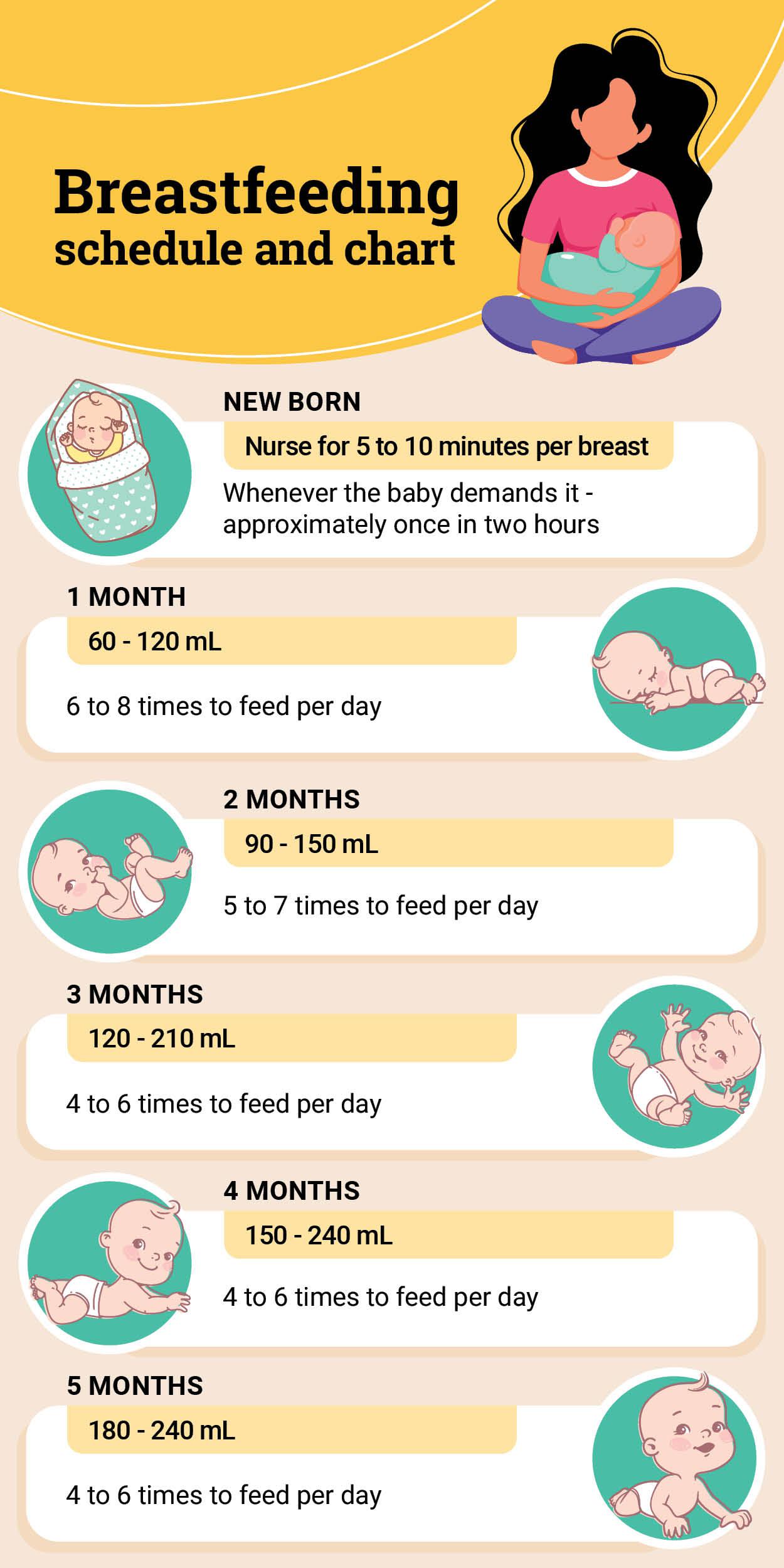
There is no set number of breastfeeding sessions for an 18-month-old in the United States. Most toddlers breastfeed on demand, which may mean once or twice a day, several times a day, at bedtime, during the night, or in a mix that changes from day to day.
The American Academy of Pediatrics supports breastfeeding for at least 2 years and beyond, as long as it works for both parent and child. At 18 months, breast milk still provides comfort, fluid, calories, and nutrients. However, it should be part of a varied diet that includes regular meals and snacks.
Your toddler’s appetite, sleep, daycare schedule, teething, illness, and need for comfort can all change how often they nurse. A flexible routine usually works better than trying to reach a specific daily number.

How often should an 18-month-old breastfeed?
An 18-month-old may breastfeed one to several times in 24 hours. Some toddlers nurse mainly in the morning and before bed. Others ask to breastfeed many times, especially during teething, illness, travel, or major changes at home.
Breastfeeding at this age does not need to follow a clock. You can offer the breast when your toddler shows hunger or asks to nurse. You can also keep predictable sessions, such as:
- After waking
- Before or after a nap
- After daycare
- Before bedtime
- During the night
- During illness or periods of stress
A toddler who breastfeeds only a few times a day can still receive meaningful benefits. A toddler who nurses more often may also be within the normal range if they eat, drink, grow, and develop well.
The key question is not, “How many times should my child nurse?” It is, “Is breastfeeding fitting safely alongside meals, snacks, sleep, and my child’s overall health?”
A practical range
There is no official U.S. recommendation that sets a minimum or maximum number of daily breastfeeding sessions for an 18-month-old. A broad real-life pattern may look like this:
| Pattern | What it may look like |
|---|---|
| Once or twice daily | Morning and bedtime nursing |
| Several times daily | Nursing after waking, before sleep, and for comfort |
| Frequent nursing | Multiple short sessions during a developmental change or illness |
| Variable nursing | More on some days and less on others |
These are examples, not targets. Your child may follow a different pattern from week to week.

What should an 18-month-old eat besides breast milk?
An 18-month-old should eat a range of solid foods in addition to breast milk. The Centers for Disease Control and Prevention recommends regular meals and snacks for young children, with foods from several groups.
A useful daily structure is:
- Three meals
- Two or three small snacks
- Water offered throughout the day
- Breastfeeding based on your child’s cues and your family’s routine
Offer foods such as:
- Vegetables and fruits
- Whole grains
- Beans, lentils, eggs, fish, poultry, and meat
- Yogurt and cheese
- Nut or seed butter spread thinly, when safe for your child
- Avocado and other healthy-fat foods
Breast milk remains nutritious, but it may not provide all the iron, energy, and variety that a growing toddler needs from food. Iron-rich foods deserve regular attention because iron supports brain development and healthy blood cells.
Good iron sources include meat, poultry, fish, beans, lentils, tofu, eggs, and iron-fortified cereals. Plant sources are better absorbed when served with foods rich in vitamin C, such as berries, oranges, tomatoes, or bell peppers.
Should you breastfeed before or after meals?
Either order can work. Choose the approach that supports eating without creating stress.
If your toddler fills up on frequent nursing and shows little interest in meals, try offering solid food first at some meals. If your child is upset, tired, sick, or unable to eat much, breastfeeding first may help with comfort and hydration.
Do not suddenly restrict breastfeeding to force food intake. Instead, create regular meal times, offer small portions, and allow your toddler to decide how much to eat.

How to create a breastfeeding schedule for an 18-month-old
A simple routine can provide structure while still allowing breastfeeding on demand. Start with the parts of the day that are most predictable, such as waking and bedtime.
Example schedule
This sample is only a model. It is not a required feeding plan.
| Time | Possible routine |
|---|---|
| 7:00 a.m. | Wake and breastfeed if desired |
| 7:30 a.m. | Breakfast and water |
| 9:30 a.m. | Small snack |
| 11:30 a.m. | Lunch |
| 1:00 p.m. | Nap; breastfeed before sleep if desired |
| 3:00 p.m. | Snack and water |
| 5:30 p.m. | Dinner |
| 7:00 p.m. | Breastfeed before bed |
| Overnight | Breastfeed if your toddler wakes and you choose to continue |
Some children nurse before meals. Others nurse after meals or only around sleep. You can adjust the timing to match work, daycare, naps, and family needs.
If your child attends daycare
You may breastfeed before leaving home and after returning. Your toddler may eat meals and snacks at daycare without nursing, then ask to breastfeed more often in the evening. This pattern is common and may reflect connection and comfort after separation, not just hunger.
If you pump milk for daycare, discuss storage and handling with your child’s caregiver. At 18 months, many toddlers do not need breast milk in a bottle, and a cup may be more suitable. Never put a child to bed with a bottle, especially one containing milk or juice.

How to tell whether your toddler is getting enough
Growth and development matter more than the number of breastfeeding sessions. Signs that your toddler is likely getting enough overall nourishment include:
- Steady growth along their usual pattern
- Regular urination
- Energy and alertness during normal periods
- Interest in food and drinks
- A varied diet over time
- Normal development for the child
One day of picky eating does not usually show a problem. Toddlers often eat very different amounts from one day to the next. Look at the pattern across several days rather than judging one meal.
Contact your child’s pediatrician if your toddler:
- Has poor weight gain or loses weight
- Seems unusually tired, weak, or pale
- Has very few wet diapers or signs of dehydration
- Regularly refuses most solid foods
- Gags, chokes, coughs, or struggles during meals
- Vomits often or has ongoing diarrhea
- Nurses almost constantly and rarely eats solid food
- Has a health condition that affects feeding or growth
A pediatrician may refer you to a registered dietitian, lactation consultant, feeding therapist, or other specialist. Ask for help early if feeding feels stressful or your child’s growth is a concern.
Is breastfeeding at night normal at 18 months?
Yes. Night breastfeeding can still be normal at 18 months. Some toddlers wake to nurse for hunger, while others nurse for comfort, help returning to sleep, or reassurance.
You do not have to night-wean unless you want to. If night nursing is working for your family and your child is growing well, continuing may be reasonable.
You may want to change the pattern if:
- You are exhausted
- Your toddler wakes many times each night
- Breastfeeding is painful
- You are pregnant or taking a medicine that requires medical advice
- Night nursing interferes with meals or family functioning
- You want to stop or reduce breastfeeding
A gradual approach may be easier than stopping suddenly. You could shorten one session, offer cuddling or water when appropriate, or ask another caregiver to comfort your toddler. Expect some protest. Stay calm and consistent, and change one session at a time.
Breastfeeding and dental health
Breastfeeding does not mean your child will develop tooth decay. Still, frequent or prolonged milk exposure, especially after teeth are brushed at night, may contribute to decay when combined with other risk factors.
Brush your toddler’s teeth twice a day with a soft toothbrush and a smear of fluoride toothpaste about the size of a grain of rice. Schedule regular dental care. Ask your child’s dentist how to handle nighttime breastfeeding based on your toddler’s teeth, fluoride exposure, and cavity risk.

Should you limit breastfeeding at 18 months?
You do not need to limit breastfeeding just because your child is 18 months old. The decision depends on your toddler’s health, your comfort, your schedule, and whether nursing is affecting meals or sleep.
You might choose to continue without changes if:
- Your toddler eats a broad range of foods
- Growth is steady
- Breastfeeding feels comfortable
- You and your child enjoy it
- Nursing does not create a problem for your family
You might choose to set limits if breastfeeding causes pain, prevents meals, disrupts sleep, or leaves you feeling touched out. Limits can be gentle and clear.
Try phrases such as:
- “We will nurse after lunch.”
- “Milk is for bedtime now.”
- “You can have a hug or water.”
- “We are all done nursing. I will help you.”
Offer another form of connection, such as rocking, reading, singing, or sitting together. A toddler may ask more often for a short time after a boundary changes. That does not mean the plan is failing.
Avoid sudden changes when possible
Sudden weaning can cause breast fullness, plugged ducts, or mastitis. If you are stopping, remove one session every few days or longer, depending on your comfort. Express only enough milk to relieve pressure.
Seek medical care for a painful red area on the breast, fever, chills, flu-like symptoms, or worsening breast pain. These can be signs of mastitis or another condition that needs treatment.
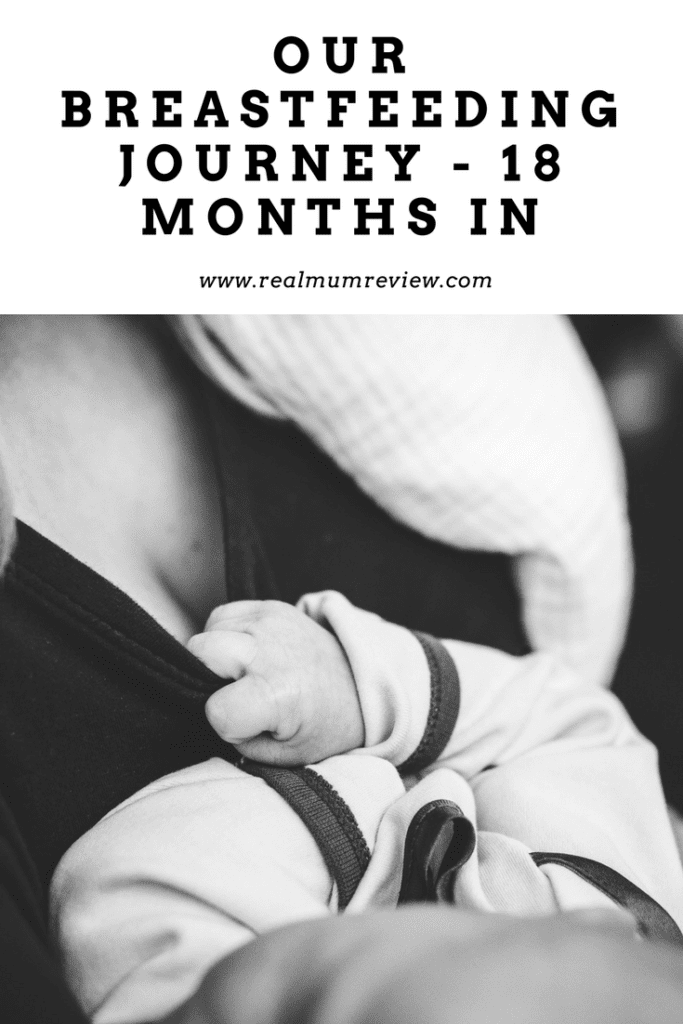
Can an 18-month-old breastfeed too much?
Breastfeeding may be too frequent for a particular child if it consistently replaces meals, limits food variety, contributes to poor growth, or prevents adequate sleep. The number of sessions alone does not prove that a toddler is breastfeeding too much.
If your toddler nurses often, check the full picture:
- Are meals and snacks offered at regular times?
- Does your child eat some solid food each day?
- Is growth following the expected pattern?
- Does your child drink water from a cup?
- Is nursing causing pain or severe sleep loss?
- Has a pediatrician raised a concern?
If the answers are reassuring, frequent nursing may be a normal comfort pattern. If your toddler rarely eats solids or depends almost entirely on breast milk, talk with the pediatrician rather than restricting feeds without guidance.
Avoid using juice or sweet drinks as a replacement. The American Academy of Pediatrics recommends avoiding juice for children younger than 1 year and limiting it for older children. Water and milk are better routine drinks, while breast milk can continue if desired.

Common mistakes to avoid
Treating a sample schedule as a rule
A schedule can help you plan, but it should not become a test your toddler must pass. Appetite and nursing needs change.
Comparing your toddler with another child
One 18-month-old may nurse once daily, while another may nurse six times. Both patterns can be normal when health, growth, and food intake are appropriate.
Replacing meals with constant grazing
Offer meals and snacks at regular times. Let your toddler decide whether and how much to eat. Avoid forcing bites or keeping food available all day.
Abruptly stopping night feeds
If you want to night-wean, gradual change often causes less breast discomfort and may be easier for your toddler.
Forgetting dental care
Continue brushing twice daily and arrange dental visits. Breastfeeding and tooth care can coexist, but teeth still need protection.
Assuming breastfeeding prevents all illness
Breast milk contains immune factors, but breastfeeding does not prevent every infection. Follow routine vaccines, handwashing, safe food practices, and medical advice.

Frequently asked questions
How many times should I breastfeed my 18-month-old at night?
There is no required number. Some toddlers do not nurse at night, while others wake once or several times. If night nursing is exhausting or affecting your child’s eating, discuss gradual night-weaning with the child’s other caregiver or pediatrician.
Does an 18-month-old still need breast milk?
Breast milk is not required for every toddler, but continued breastfeeding can provide nutrition and comfort. If you stop breastfeeding, offer a balanced diet and appropriate drinks. Ask the pediatrician about nutrition if your child has allergies, poor growth, or a very limited diet.
Can I breastfeed while pregnant?
Many people can continue breastfeeding during a healthy pregnancy. You may notice nipple tenderness, lower milk production, or a change in milk taste. Speak with your obstetric clinician if you have bleeding, painful contractions, a history of preterm birth, or other pregnancy concerns.
Is it okay to breastfeed an 18-month-old to sleep?
Yes, if it works for your family. If you want to change the habit, add another sleep cue, such as a book, song, or cuddle, and slowly move breastfeeding earlier in the bedtime routine.
What if my toddler refuses solid food but wants to nurse?
Offer meals and snacks at set times, keep portions small, and avoid pressure. If your toddler regularly refuses most solids, has feeding problems, or is not growing as expected, contact the pediatrician. A feeding evaluation may help identify oral-motor, sensory, medical, or behavioral causes.

Bottom line
An 18-month-old can breastfeed once a day, several times a day, or on a changing schedule. There is no single correct frequency. Continue breastfeeding on demand if it works for you and your toddler, while offering three meals, two or three snacks, water, and a varied diet.
Focus on your child’s growth, energy, solid-food intake, hydration, sleep, teeth, and your own well-being. If any of those areas raise concern, contact your child’s pediatrician or a qualified lactation professional.
For most families, the next step is simple: keep a flexible breastfeeding routine, offer regular meals and snacks, and observe your toddler’s overall pattern rather than counting every nursing session.