
Yes, some babies sleep more during growth spurts, but not every baby does. A growth spurt may lead to longer naps, an earlier bedtime, or more total sleep. Other babies may wake more often because they need extra feeds or feel unsettled.
Sleep changes alone cannot confirm that a baby is growing. A baby’s age, feeding pattern, illness, teething, new skills, and daily routine can also change sleep.
For babies in the United States, the safest approach is to watch the whole picture: feeding, wet diapers, alertness, growth, and sleep—not sleep hours alone.
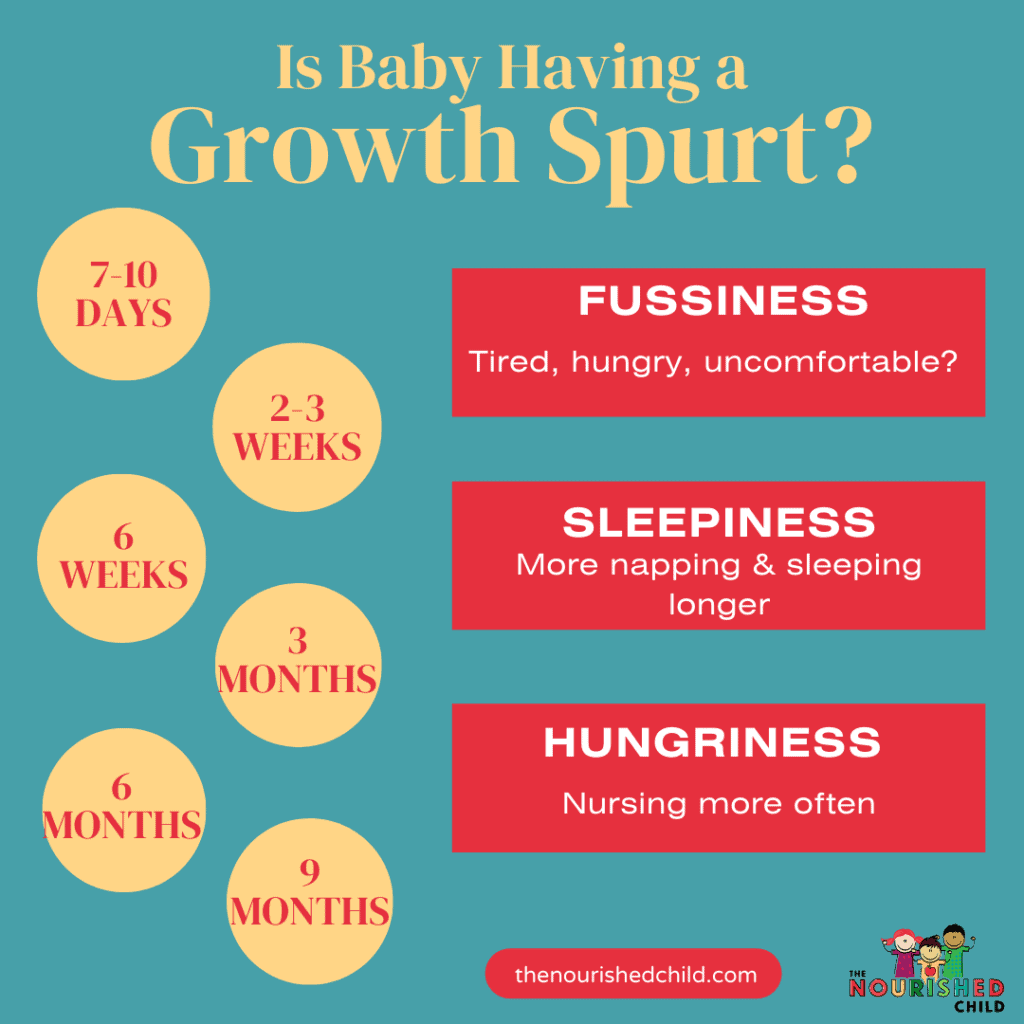
What Is a Baby Growth Spurt?
A growth spurt is a short period when a baby grows or develops faster than usual. Growth can involve body length, weight, head size, or brain and motor development.


Parents often report growth spurts around:
- 2 to 3 weeks
- 6 weeks
- 3 months
- 6 months
These ages are rough guides, not medical deadlines. Babies do not all grow at the same pace. A baby may also have several days of increased feeding without a clear change in sleep.
During a growth spurt, a baby may:
- Feed more often
- Seem hungrier soon after a feeding
- Take longer naps
- Sleep longer at night
- Wake more often to eat
- Become more clingy or fussy
- Show new skills soon after the change
These signs can overlap with normal infant behavior. For example, frequent feeding may occur during a growth spurt, but it may also happen during a developmental change or a normal variation in appetite.

Why Might Babies Sleep More During Growth Spurts?
Babies may sleep more during growth because sleep supports physical growth, learning, and recovery. During sleep, the body carries out many repair and development tasks.
Research links infant sleep with growth and development, but it does not show that every growth spurt causes a predictable increase in sleep. The relationship works in both directions: growth and development may affect sleep, while sleep may support healthy development.
Physical growth can increase the need for rest
Growing takes energy. A baby who uses more energy during a period of rapid growth may seem tired sooner. The baby may nap longer or settle earlier at night.
This does not mean a longer nap always signals a growth spurt. Babies also sleep more after a busy day, a poor night, or a change in their routine.
Sleep supports learning and development
Infant sleep helps the brain process new experiences. A baby who is learning to roll, reach, babble, or sit may need extra rest.
Sometimes what parents call a “growth spurt” is partly a developmental leap. The baby may not be growing faster in body size, but the brain and nervous system are working hard.


Babies may sleep more after extra feeding
Some babies feed more during a growth period. More feeding can make them sleepy, especially in the early months.
However, a baby who falls asleep during every feed may not be getting enough milk. In young infants, parents should watch feeding quality, swallowing, diaper output, and weight gain rather than assuming that sleepiness is a good sign.

Can a Growth Spurt Make a Baby Sleep Less?
Yes. A growth spurt can also cause more night waking and shorter naps.
A baby may wake because they need more calories. Breastfed babies may nurse more often, while formula-fed babies may seem ready for feeds sooner. The change can last a few days or longer.
Other reasons for disrupted sleep may include:
- A new motor skill
- A change in nap needs
- Gas or reflux symptoms
- Teething discomfort
- A cold or other illness
- A change in caregivers or routine
- Too much or too little daytime sleep
- Separation anxiety in an older infant
This is why “sleeping more” is not a reliable rule for growth spurts. Some babies become sleepy, while others become more restless.

How Much Sleep Do Babies Need?
Sleep needs vary by age and by child. The American Academy of Sleep Medicine recommends the following total sleep amounts in a 24-hour period, including naps:
| Age | Recommended total sleep |
|---|---|
| Birth to 3 months | 14 to 17 hours |
| 4 to 12 months | 12 to 16 hours |
| 1 to 2 years | 11 to 14 hours |
These are daily totals, not targets that every baby will meet exactly. Newborn sleep is often split into many short periods. Older babies usually develop longer nighttime stretches, but night waking can still be normal.
A baby may sleep more than usual for a day or two and still be healthy. A lasting or sudden change deserves more attention, especially if it occurs with poor feeding, fewer wet diapers, fever, breathing problems, or unusual weakness.

How Can You Tell Whether Extra Sleep Is Normal?
Look at your baby’s behavior when awake. A healthy baby who sleeps more during a short growth period will usually still wake for feeds, feed well, have regular wet diapers, and show periods of alertness.
Use this simple check:
| What to watch | Reassuring signs | Call the pediatrician |
|---|---|---|
| Feeding | Wakes and feeds well | Hard to wake, weak sucking, or refuses feeds |
| Diapers | Wet diapers follow the baby’s usual pattern | Noticeably fewer wet diapers |
| Alertness | Has normal awake periods | Unusually limp, weak, or difficult to rouse |
| Breathing | Comfortable breathing and normal color | Fast, labored, noisy, or difficult breathing |
| Temperature | No concerning fever | Fever in a young infant or a fever your clinician advises you to report |
| Growth | Weight follows the child’s growth pattern | Poor weight gain or concern from the clinician |
For newborns, feeding and diaper patterns can change quickly. Ask your baby’s pediatrician or another qualified health professional if you are unsure whether your baby is getting enough milk.
Track patterns, not one nap
A single long nap is usually less useful than a pattern over several days. You can briefly record:
- Feed times and approximate amounts
- Wet and dirty diapers
- Nap length
- Night sleep
- Alertness when awake
- Fever or other symptoms
Do not use a sleep log to delay care. If your baby seems ill or is difficult to wake, seek medical advice promptly.


Should You Wake a Baby During a Growth Spurt?
Whether to wake a baby depends on age, health, feeding, and medical advice. A thriving older infant may not need to be woken for every longer nap. A newborn, premature baby, or baby with poor weight gain may need a specific feeding plan.
Ask your pediatrician how long your baby can safely sleep between feeds if:
- Your baby is in the first weeks of life
- Your baby has not returned to birth weight
- Your baby was born early
- Your baby has jaundice or another medical issue
- A clinician has raised concern about weight gain
- Your baby has fewer wet diapers than usual
Do not wake a healthy baby only because you think a growth spurt should follow a certain schedule. Growth spurts do not occur on a fixed calendar.

Safe Sleep Still Matters During Growth Spurts
A tired baby may sleep longer, but safe sleep rules do not change. The American Academy of Pediatrics recommends that babies sleep:
- On their backs for every sleep
- On a firm, flat, separate sleep surface
- In a crib, bassinet, or portable play yard that meets current safety standards
- Without pillows, blankets, bumpers, stuffed toys, or other loose items
- In the same room as a parent or caregiver, ideally for at least the first six months
- Away from smoke, vaping, alcohol, and sedating drugs
Room sharing is different from bed sharing. The AAP does not recommend bed sharing, especially for babies younger than 4 months, premature babies, or babies exposed to smoking, alcohol, or sedating medicines.
If you bring your baby into bed to feed or comfort, move the baby back to their own sleep space before you go to sleep. Never place a sleeping baby on a couch, recliner, or adult bed.
A sleep sack may help keep a baby warm without loose blankets. Stop swaddling when the baby shows signs of trying to roll, and never use weighted swaddles or weighted sleep products.

What Should Parents Do During a Growth Spurt?
You do not need to force a sleep schedule during a growth spurt. Focus on feeding, comfort, safe sleep, and a calm routine.
Respond to hunger cues
Offer feeds when your baby shows hunger cues, unless your clinician has given a different plan. Early cues may include:
- Turning toward the breast or bottle
- Bringing hands to the mouth
- Lip smacking
- Opening the mouth
- Becoming more alert
Crying is a later hunger cue. If you breastfeed, frequent nursing during a short period does not automatically mean low milk supply. If you worry about supply or intake, contact a lactation professional, pediatrician, or other qualified clinician.
Keep the routine simple
Use a short, repeatable routine before sleep. It might include a diaper change, feeding, a quiet song, and placing the baby on their back in the sleep space.
A routine does not need to be strict. Babies grow at different rates, and a flexible routine often works better than trying to control every nap.


Let the baby rest
If your baby is tired, allow extra sleep when safe. Avoid keeping a sleepy baby awake to “protect nighttime sleep.” Overtired babies can have more trouble settling.
At the same time, do not assume every sleepier baby is having a growth spurt. Continue to check feeding, diapers, and alertness.

When Is Extra Sleep a Reason to Call a Doctor?
Contact your baby’s pediatrician if extra sleep comes with poor feeding, fewer wet diapers, or a clear change in behavior.
Seek urgent medical care if your baby is:
- Difficult or impossible to wake
- Limp, unusually weak, or not responding normally
- Having trouble breathing
- Blue, gray, or very pale
- Having repeated vomiting
- Showing signs of dehydration
- Having a seizure
- Showing a fever that requires urgent evaluation based on age and medical advice
For babies younger than 3 months, a rectal temperature of 100.4°F (38°C) or higher needs prompt medical attention. Call your pediatrician or seek care right away for instructions.
Do not diagnose a serious change as a growth spurt. A growth spurt is a possible explanation only after urgent problems have been considered.

Common Questions About Baby Sleep and Growth Spurts
Do babies sleep more before a growth spurt?
Some babies may sleep more before or during a period of rapid growth. Others may feed more and sleep less. There is no reliable sleep pattern that predicts a growth spurt.
How long does a baby growth spurt last?
Many changes last a few days, but timing varies. If increased feeding or unusual sleep continues, ask the pediatrician about feeding, weight gain, illness, and sleep needs.
Do babies eat more or sleep more during growth spurts?
They may do either—or both. Increased feeding is often more noticeable than increased sleep. A baby may wake more often because they need more calories, then sleep longer after feeding.
Is it normal for a baby to sleep 6 hours during a growth spurt?
It can be normal for some older, healthy babies, but age and health matter. A young newborn, premature baby, or baby with feeding or weight concerns may need to eat more often. Follow your pediatrician’s guidance rather than using a fixed number of hours.
Does sleeping more mean my baby is growing?
Not by itself. Sleep, feeding, wet diapers, alertness, and measured growth together give a better picture. A pediatrician can assess growth using weight, length, and head circumference over time.
Can growth spurts cause sleep regression?
They can overlap with sleep disruption, but “sleep regression” is not a precise medical diagnosis. New skills, changing sleep needs, illness, and separation anxiety may all affect sleep around the same time.
The Bottom Line
Babies may sleep more during growth spurts, but they may also sleep less and wake more often to feed. There is no universal growth-spurt schedule and no single sleep pattern that proves a baby is growing.
Watch the full picture: good feeding, usual wet diapers, normal alertness, comfortable breathing, and steady growth. Keep every sleep safe, and contact your baby’s pediatrician about a sudden or lasting change—especially when your baby is hard to wake, feeds poorly, or shows signs of illness.


Sources and Evidence
This guide is based on current U.S. guidance and evidence from:
- American Academy of Sleep Medicine: Recommended Amount of Sleep for Pediatric Populations
- American Academy of Pediatrics: Safe Sleep and Sleep-Related Infant Deaths
- Centers for Disease Control and Prevention: About Sleep and Sleep Disorders in Children
- American Academy of Pediatrics: HealthyChildren.org guidance on safe sleep
