
For parents and caregivers in the United States, gentle rocking of a properly used bassinet does not cause shaken baby syndrome. Shaken baby syndrome, also called abusive head trauma (AHT), results from forceful, violent shaking or impact—not from the smooth motion of a bassinet used as the manufacturer directs.
A baby’s head is heavy compared with the neck. Babies also have weak neck muscles. Violent shaking can make the brain move inside the skull and may cause severe injury. Gentle rocking is much slower and less forceful, but every bassinet still needs safe setup and careful use.
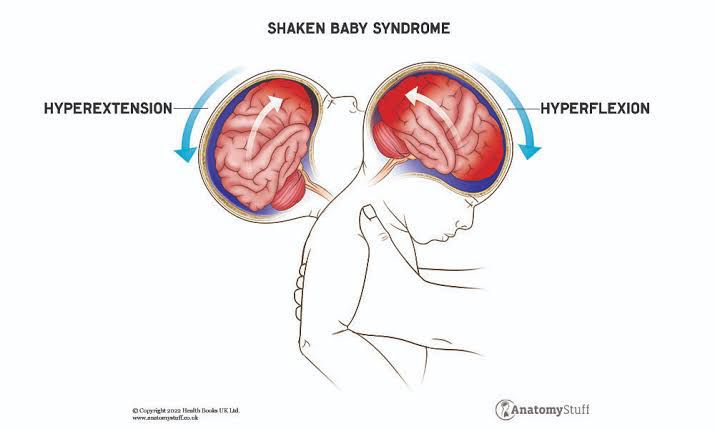
What is the difference between bassinet rocking and shaken baby syndrome?
The key difference is force, speed, and control.
A bassinet is designed to make a small, steady movement. It should glide or sway in a predictable way. Shaken baby syndrome involves a person forcefully moving a baby’s body back and forth, often with sudden changes in speed and direction.


| Bassinet rocking | Abusive head trauma |
|---|---|
| Slow, smooth motion | Fast, violent motion |
| The bassinet supports the baby’s body | The baby’s body is shaken directly |
| Movement follows the product’s design | Movement is uncontrolled or extreme |
| Does not normally make the head whip | Can cause the head to whip sharply |
| Used for comfort or settling | Causes serious brain and body injury |
The American Academy of Pediatrics and the Centers for Disease Control and Prevention describe abusive head trauma as a preventable injury caused by violent shaking, impact, or both. It is not caused by normal handling, cuddling, bouncing gently on a knee, or using a bassinet correctly.
A baby may look calm during or after a dangerous shaking event. That does not rule out an injury. If you think a baby has been shaken, seek emergency help right away.

When is rocking a bassinet safe?
Rocking is generally safe when the bassinet is made for rocking and you use it exactly as the instructions state.
Check these points before using it:
- Place the bassinet on a firm, level floor.
- Lock the frame when the product has a lock or stationary mode.
- Use only the mattress or pad supplied or approved by the manufacturer.
- Keep the baby on their back for every sleep.
- Use a fitted sheet made for that bassinet.
- Keep pillows, blankets, toys, bumpers, and positioners out of the sleep space.
- Stay within the product’s weight, age, and developmental limits.
- Stop using it when the instructions say to stop, such as when the baby can roll, push up, sit, or reach a stated weight limit.
- Check for loose screws, broken parts, torn fabric, or an unstable base.
- Keep cords, straps, and remote controls away from the baby.
The U.S. Consumer Product Safety Commission recommends a firm, flat, non-inclined sleep surface with no soft bedding or objects. A rocking feature does not change those safe-sleep rules.
A bassinet should not rock so much that the baby’s head repeatedly hits the side or the baby’s body shifts into an unsafe position. If that happens, stop using the rocking function and check the product instructions or contact the manufacturer.

Can an automatic or vibrating bassinet shake a baby?
A compliant, properly working automatic bassinet should not shake a baby in the way that causes abusive head trauma. However, not every movement product is the same, and a motor can malfunction or be used outside its intended purpose.
Use extra care with a powered bassinet:


- Confirm that the product is intended for infant sleep or supervised soothing.
- Read the current U.S. instructions for the exact model.
- Use only the supplied power source and accessories.
- Place the product on the required surface.
- Use the lowest effective motion setting.
- Watch the baby during the first uses.
- Stop the product if it jolts, tilts, stalls, makes unusual sounds, or moves unevenly.
- Contact the manufacturer if a repair or replacement part is needed.
Do not place a bassinet on a bed, sofa, table, counter, or other raised surface unless the product instructions specifically allow that setup. A moving product can shift or fall.
Motion may help some babies settle, but it does not prevent sudden infant death syndrome (SIDS). It also does not make an inclined sleep surface safe. Once a baby falls asleep in a sitting device, swing, bouncer, or other product not designed for routine sleep, move the baby to a firm, flat sleep surface as soon as practical.

How much rocking is too much?
There is no reliable “safe number” of rocks or a universal speed limit for every bassinet. The deciding standard is whether the movement matches the product’s design and keeps the baby’s head and body stable.
Stop rocking if:
- The bassinet moves abruptly or jerks.
- The baby’s head repeatedly falls forward or snaps back.
- The baby rolls toward the side or becomes wedged.
- The bassinet touches a wall, furniture, or another object.
- The frame lifts, twists, or becomes unstable.
- The product has damage or missing parts.
- The baby is near or past the product’s developmental limit.
- You must push hard to create movement.
- You feel angry, frustrated, or too tired to supervise safely.
A simple rule helps: gentle, smooth, product-approved motion is different from forceful shaking. Do not try to make a baby sleep by rapidly moving the bassinet back and forth. Do not shake, jerk, toss, or bounce a baby.
If a baby will not stop crying, place the baby on their back in an empty crib or bassinet, leave the room for a few minutes, and ask another trusted adult for help. Crying can be intense, but walking away briefly is safer than handling the baby while overwhelmed.
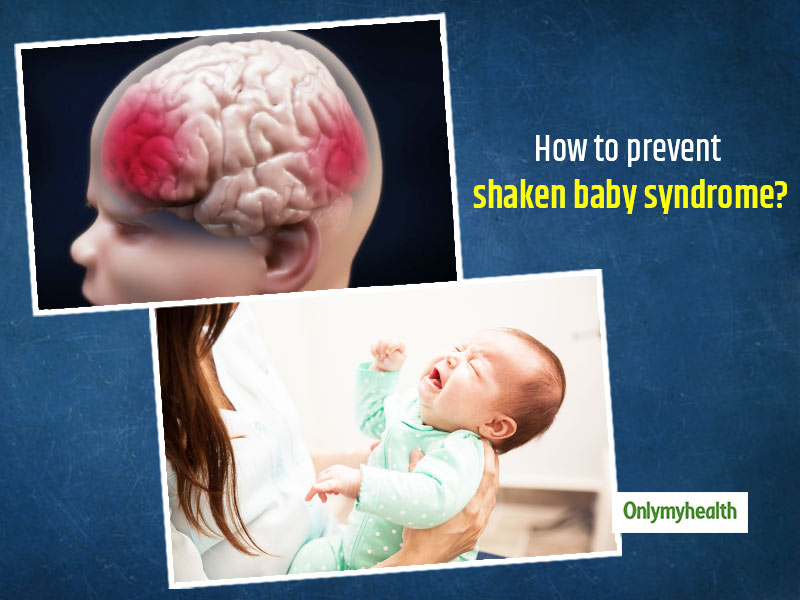
What should you do if a baby may have been shaken?
Treat suspected shaking as a medical emergency. In the United States, call 911 or go to the nearest emergency department. Do not wait to see whether the baby improves.
Possible signs of abusive head trauma include:
- Extreme sleepiness or difficulty waking
- Vomiting
- Trouble breathing
- Seizures
- Limpness or unusual weakness
- Poor feeding or trouble swallowing
- Unequal pupils or vision problems
- Loss of consciousness
- Unusual irritability
- Loss of balance in a child who can walk
- Bruising, especially in an infant who cannot move independently
A baby may have a serious brain injury without visible marks. Do not shake the baby to wake them, give food or medicine unless medical staff advise it, or drive yourself if the baby is having a seizure or trouble breathing.
If the concern involves possible abuse, emergency clinicians and child-protection professionals can help. The U.S. Childhelp National Child Abuse Hotline is 1-800-422-4453. Call 911 first when there is immediate danger.
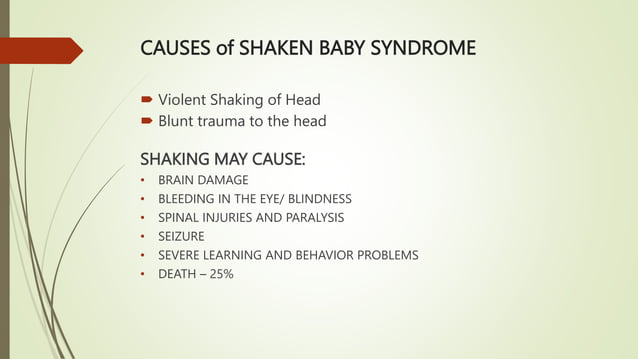
Could normal handling harm a baby’s brain?
Normal, gentle care does not cause shaken baby syndrome. This includes:
- Picking up a baby
- Carrying a baby
- Changing a diaper
- Burping a baby
- Gentle rocking
- Pushing a stroller on a normal surface
- Light bouncing while supporting the head
- Riding in a properly installed car seat
These actions are not the same as violent shaking. Still, babies need full head and neck support during handling, especially newborns.


Avoid rough play, tossing a baby in the air, forceful bouncing, swinging by the arms or legs, or shaking a baby during play. If an older child wants to hold the baby, an adult should stay close and show them how to support the head and neck.
What if the baby cries while the bassinet is rocking?
Crying does not always mean the rocking is dangerous. A baby may be hungry, wet, hot, cold, overtired, uncomfortable, or in need of contact. Some babies dislike motion, while others settle with it.
Try this safe sequence:
- Stop the motion and check the baby’s position.
- Check feeding, diaper, temperature, and clothing.
- Look for hair or thread wrapped around a toe or finger.
- Make sure the baby’s face is clear and the airway is open.
- Place the baby flat on their back in the bassinet or crib.
- Use a calm voice, soft singing, or gentle touch.
- Ask another adult to take over if you feel stressed.
Call the baby’s health care professional for persistent or unusual crying, fever, poor feeding, repeated vomiting, breathing changes, or behavior that seems unlike the baby. For severe symptoms, call 911.
Never use a rocking bassinet to delay medical care. A soothing product can calm a baby, but it cannot identify or treat illness.
Common mistakes to avoid
The most common safety errors involve the sleep environment, not ordinary gentle rocking.
Adding soft items
Parents sometimes add a blanket, pillow, head support, or rolled towel to make a bassinet seem more comfortable. These items can cover the baby’s face or create a risk of entrapment. Keep the sleep space bare except for a fitted sheet.
Using the wrong mattress
A mattress that is too soft, thick, small, or folded may create gaps or an unsafe angle. Use only the mattress approved for the specific bassinet.
Continuing past the product limit
A bassinet may become unsafe when a baby can roll, push up, sit, or reach the listed weight limit. Development can change before a baby reaches the maximum age printed on a box.
Assuming motion makes sleep safe
Rocking may soothe a baby, but it does not replace safe-sleep practice. The baby still needs to sleep on their back on a firm, flat, non-inclined surface.
Using a damaged product
A loose joint or broken locking mechanism can change how the bassinet moves. Stop using it until the manufacturer confirms that it is safe.
Shaking the bassinet in frustration
Rapidly moving the bassinet is not a safe response to crying. If you feel close to losing control, place the baby safely in the crib or bassinet and step away. Ask for help.
What does the evidence establish—and what remains uncertain?
The evidence clearly links abusive head trauma with violent shaking, impact, or both. It does not show that normal, manufacturer-approved bassinet rocking causes shaken baby syndrome.
The exact force produced by a bassinet depends on its design, condition, surface, settings, and how someone uses it. For that reason, no general article can declare every rocking product safe in every situation. The product’s instructions, recalls, condition, and developmental limits matter.
For U.S. safety information, consult:


- American Academy of Pediatrics: Safe Sleep
- Centers for Disease Control and Prevention: Preventing Abusive Head Trauma
- U.S. Consumer Product Safety Commission: Safe Sleep
- U.S. Consumer Product Safety Commission: Recalls
Check the exact model for recalls before use. Product guidance can change, and a recalled or damaged bassinet should not be used.
Frequently asked questions
Can gentle rocking cause brain damage?
Gentle rocking of a properly used bassinet is not known to cause the brain injury associated with shaken baby syndrome. Brain injury risk comes from violent shaking, impact, or another dangerous event.
Is rocking a bassinet too hard dangerous?
It can be dangerous if the movement is rapid, jerky, unstable, or outside the product’s design. Stop if the baby’s head whips, the bassinet tilts, or the baby shifts into an unsafe position.
Can a baby sleep in a rocking bassinet all night?
Only if the product is approved for infant sleep and the baby meets its age, weight, and developmental limits. Follow the exact instructions. If the product is intended only for supervised soothing, move the baby to an approved crib or bassinet for sleep.
Does rocking reduce the risk of SIDS?
No. Rocking may soothe some babies, but it has not been shown to prevent SIDS. Use the standard safe-sleep steps: back sleeping, a firm flat surface, a fitted sheet, and no soft objects.
What should I do if I accidentally rocked the bassinet too hard?
Stop the motion and check the baby. If the baby has trouble breathing, is hard to wake, vomits repeatedly, has a seizure, becomes limp, or behaves abnormally, call 911. If you are worried about the force or the baby’s condition, seek urgent medical advice rather than relying on appearance alone.
Bottom line
Normal, smooth rocking of a properly used bassinet does not cause shaken baby syndrome. The danger comes from forceful shaking, impact, unsafe equipment, or using a product outside its instructions.
Use the bassinet on a firm, level surface. Keep the sleep space empty. Follow the model’s limits. If crying is overwhelming, place the baby safely on their back and step away for a short time. If you suspect shaking or notice emergency symptoms, call 911 immediately.
