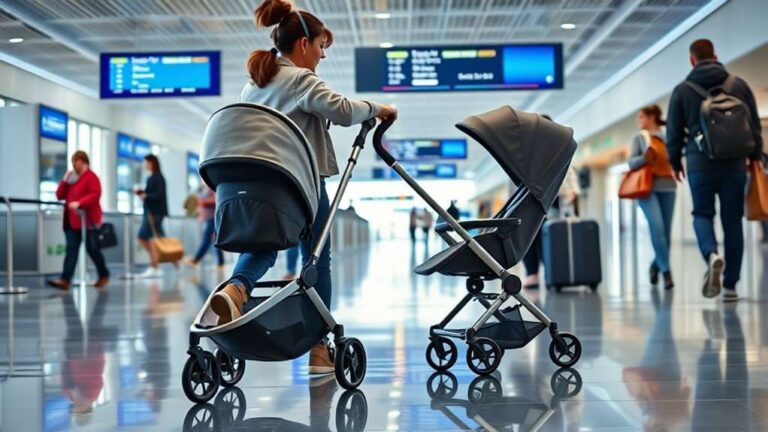
For many families, travel system strollers are worth it because they simplify newborn trips and daily errands.
Parents often ask, “are travel system strollers worth it?” The answer depends on your car, budget, lifestyle, and plans for the first year. A travel system can be a smart all-in-one purchase, but it may feel bulky if you live in a small space, use public transit, or want a light stroller. This guide explains the real benefits, drawbacks, safety points, costs, and best use cases so you can choose with confidence.

What Is a Travel System Stroller?
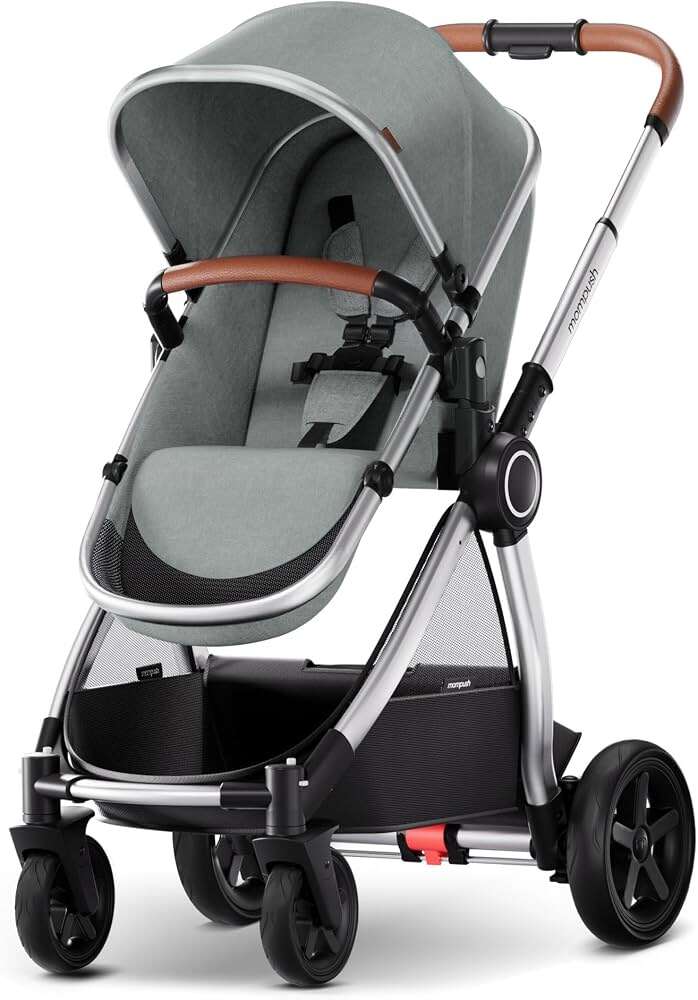
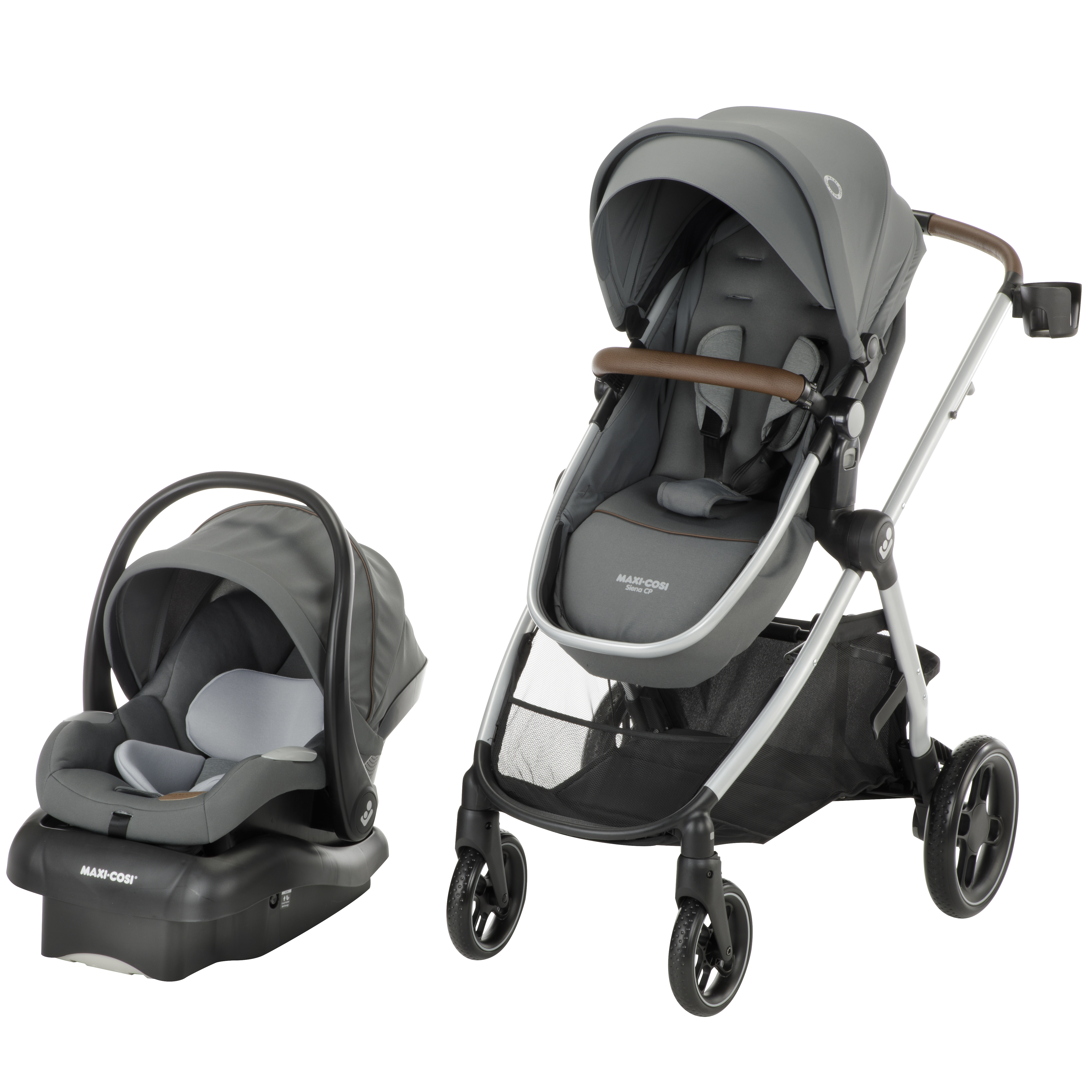
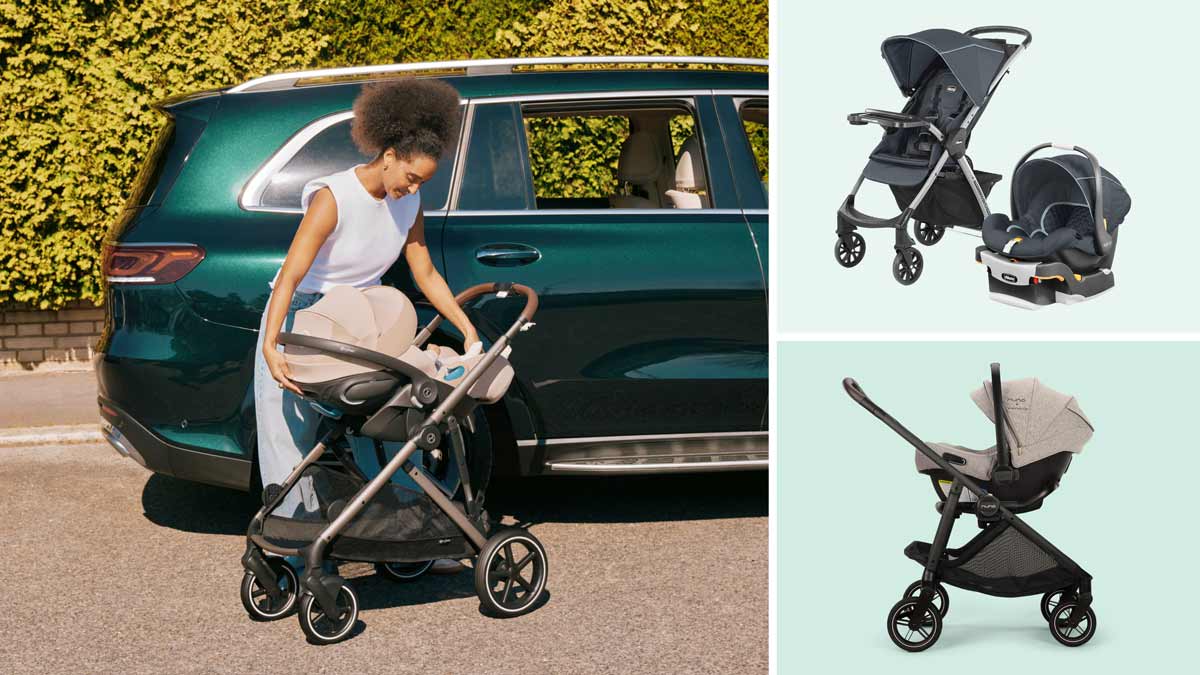
A travel system stroller is a stroller package that usually includes three parts:
• A stroller frame or full-size stroller
• A rear-facing infant car seat
• A car seat base for your vehicle
The infant car seat clicks into the stroller. It also attaches to a base in the car. This lets you move your baby from the vehicle to the stroller without taking the baby out of the car seat.
That simple design is the main reason parents search for are travel system strollers worth it. You get several matching products at once, rather than buying a stroller and car seat separately.
Most travel systems are made for newborns through toddlerhood. The infant car seat often supports babies from birth until they reach the seat’s height or weight limit. The stroller may then support a child for several more years, depending on its design.
A travel system is not the same as a stroller wagon, umbrella stroller, or convertible car seat. It is a coordinated stroller and infant car seat set designed for convenient travel during the early months.

Are Travel System Strollers Worth It for Most Families?
For many families, yes. Travel system strollers are worth it when convenience, value, and newborn use matter most.
The biggest benefit is that the car seat and stroller work together. You can place the infant car seat in the vehicle, secure your baby, and then move the seat onto the stroller frame when you arrive. This can be helpful when your baby is sleeping.
Still, convenience is not the same as perfection. Travel systems often weigh more than simple strollers. They can also take up more room in a trunk, closet, or apartment.
Travel system strollers are worth it for parents who:
• Drive often with a newborn
• Want one purchase instead of separate shopping trips
• Need a stroller from birth
• Prefer a matching car seat and stroller
• Have enough storage space
• Want an easy setup for errands and appointments
They may not be worth it for parents who:
• Walk long distances every day
• Use buses, trains, or stairs often
• Need a very small stroller
• Already own a safe infant car seat
• Prefer a lightweight travel stroller
• Have a small vehicle with limited trunk space
Think of a travel system as a family car. It may not be the smallest or lightest option, but it can carry many needs at once.
Main Benefits of a Travel System Stroller
Easy Transfers
The most obvious advantage is the easy transfer from car to stroller. You do not need to wake your baby or move them between different seats.
This can make a big difference during short trips. A sleeping baby can stay in the infant car seat while you move through a store, visit a doctor, or walk from a parking lot.
However, experts advise against using an infant car seat as a routine sleep space. Once you reach your destination, move your baby to a firm, flat sleep surface when possible. The American Academy of Pediatrics recommends a separate, safe sleep space instead of routine sleep in sitting devices.
Good Newborn Support
Many standard strollers are not safe for newborns unless they recline fully or accept an approved infant car seat. A travel system offers a newborn-ready option from day one.
The infant car seat provides a snug fit for a small baby. The stroller seat can often be used later when your child has better head and trunk control.
Always follow the product manual. Some stroller seats are suitable from birth, while others require a certain age or developmental stage.
One Coordinated Purchase
Buying a travel system can reduce the time spent comparing separate products. The car seat and stroller are designed to fit together, which lowers the chance of buying an incompatible pair.
It can also simplify warranty questions. If a part fails, you know which brand and product line to contact.
The package price may be lower than buying a premium stroller and infant car seat separately. That is not always true, though, so compare the total cost before buying.
Useful Storage
Many travel system strollers include a large basket under the seat. Some also have parent cup holders, child trays, snack trays, or storage pockets.
These features can help during grocery trips and park visits. A large basket is often more useful than a long list of small accessories.
Long-Term Stroller Use
Although the infant car seat has a limited use period, the stroller may last through the toddler years. Some models hold children up to 50 or 65 pounds, but limits vary.
A good stroller can support many stages:
• Newborn travel with the infant car seat
• Infant rides with a reclining stroller seat
• Toddler rides with an upright seat
• Short naps during supervised outings
The stroller may become part of daily life for years, so examine its wheels, brakes, fold, seat fabric, and frame quality.
Drawbacks to Consider Before Buying
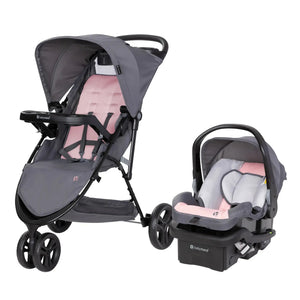
They Can Be Heavy
A travel system may include a heavy stroller frame and a separate infant car seat. Carrying both up stairs can become tiring.
The car seat may weigh several pounds before you place your baby inside. As your baby grows, the combined weight becomes harder to manage.
Try lifting the car seat from a low position. Also test how easily the stroller folds. A product that feels manageable in a store may feel much heavier after repeated use.
They Can Take Up Trunk Space
Large travel systems may not fit well in compact cars. Measure your trunk before purchasing.
Check these measurements:
• Folded stroller length
• Folded stroller width
• Folded stroller height
• Infant car seat base size
• Space needed for groceries or other items
A stroller can fit in the trunk but leave no room for a diaper bag or groceries. That detail often surprises new parents.
The Stroller May Be Less Maneuverable
Many budget travel systems use small plastic wheels. They may work well on sidewalks and shopping floors but struggle on grass, gravel, snow, or uneven paths.
If you walk daily, test the stroller on several surfaces. Turn it with one hand. Push it over a curb. Check whether the front wheels swivel smoothly.
A low price is not helpful if the stroller feels hard to steer every day.
The Car Seat Has a Shorter Life
Infant car seats are usually outgrown before the stroller. Babies may reach the height or weight limit within the first year or two.
Some families then purchase a convertible car seat. This means the travel system is not a complete car seat solution for childhood.
Check the expiration date, height limit, weight limit, and harness rules. Never use a secondhand car seat unless you know its full history and confirm that it has not expired or been in a crash.
Some Features Add Bulk Without Real Value
Travel systems often come with trays, cup holders, parent organizers, and extra inserts. Some accessories are useful. Others may stay in the box.
Focus on features you will use each week:
• A reliable brake
• A simple fold
• A large basket
• An adjustable handle
• A comfortable seat
• Good wheel suspension
• A washable fabric cover
More features do not always mean better daily performance.
Safety Checks That Matter Most
A travel system is only worthwhile if the car seat and stroller are used correctly. Convenience should never replace safe installation or careful supervision.
Check Car Seat Installation
Install the infant car seat rear-facing in the back seat. Follow both the vehicle manual and the car seat manual.
The seat should not move more than one inch from side to side or front to back when tested at the correct belt path. If you use LATCH, check the vehicle and seat limits. Some children reach the LATCH weight limit before they outgrow the car seat.
A certified child passenger safety technician can check your installation. Local hospitals, fire departments, police departments, and community programs may offer inspections.
Use the Correct Harness Position
The harness should fit snugly. For a rear-facing infant seat, the harness straps usually sit at or below the baby’s shoulders. The chest clip should rest at armpit level.
Bulky coats can create dangerous slack under the harness. Use thin layers and place a blanket over the secured straps instead.
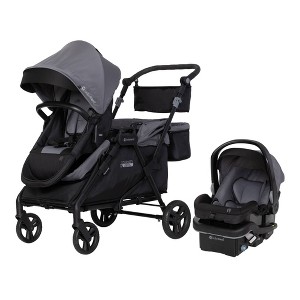
Lock the Car Seat Into the Stroller
Listen for the click when attaching the infant car seat. Then pull up gently to confirm that it is locked.
Never assume that every infant car seat fits every stroller. Use only the approved adapter or matching product. Improvised straps, loose adapters, and unapproved combinations can create a fall risk.
Use the Stroller Brake
Engage the brake every time you stop, even on flat ground. Do not hang heavy bags from the handle because the stroller can tip backward.
Keep small objects away from the child’s reach. Check that the harness is secured before moving.
Avoid Routine Sleep in the Car Seat
An infant car seat is designed for travel, not as a regular crib. If your baby falls asleep during a trip, monitor them and move them to a firm, flat sleep surface when you arrive.
The same caution applies to the stroller. Use the stroller’s approved recline position and follow the manufacturer’s guidance.
How Much Do Travel System Strollers Cost?
Travel system prices vary widely. Basic models may cost a few hundred dollars, while premium systems can cost well over $1,000.
Price often reflects:
• Frame strength
• Wheel quality
• Suspension
• Car seat materials
• Fabric quality
• Fold design
• Weight
• Included accessories
• Brand testing and warranty support
The most expensive model is not automatically the safest. All car seats sold in the United States must meet federal safety standards, but ease of use and stroller quality can vary.
Instead of asking only, “Are travel system strollers worth it?” compare the full ownership cost.
Include:
• The travel system price
• A convertible car seat later
• Replacement accessories
• A rain cover or winter cover
• A new stroller if the first one is too bulky
• Possible storage or travel bags
A $400 travel system may be better value than a $900 system if both meet your needs. On the other hand, paying more for better wheels and a lighter frame may make sense if you walk every day.
Travel System Stroller vs. Separate Purchases
Buying a travel system is not the only good choice. Some parents buy an infant car seat and stroller from different brands.
Travel System Advantages
• Simple compatibility
• One coordinated purchase
• Easy infant transfers
• Often good value
• Matching design
• Newborn use from the start
Separate Purchase Advantages
• More choice for each product
• Easier to choose a lightweight stroller
• More options for small cars
• Potentially better wheels
• Ability to select a preferred car seat
• Less risk of buying a stroller with unwanted features
Separate purchases can work well for parents who know their exact needs. For example, you might choose a narrow car seat for a small vehicle and a compact stroller for city sidewalks.
There is no universal winner. Are travel system strollers worth it depends on how well the complete package fits your routine.

What to Look for When Choosing One
Use this checklist before you buy.
1. Confirm Vehicle Fit
Place the car seat in your vehicle if possible. Check the angle, front-seat clearance, and installation method.
A rear-facing seat may need more room than expected. Do not choose a model based only on how it looks in a store.
2. Test the Stroller Fold
Fold the stroller with one hand if that matters to you. Try it with the seat facing both directions if the model allows it.
Make sure the folded stroller can be lifted into your trunk without straining your back.
3. Inspect the Wheels
Larger wheels often handle rough ground better. Swivel front wheels improve turning. Lockable front wheels can help on uneven paths.
Push the stroller over a curb or doorway. Notice whether the frame feels stable or rattles.
4. Check the Weight Limit
Look at both the infant car seat limit and the stroller seat limit. Also check the basket limit and parent-handle guidance.
A seat with a high toddler limit may provide better long-term value.
5. Review the Safety Manual
Read the car seat and stroller manuals before buying if you can. Look for clear instructions, washing directions, expiration information, and adapter rules.
Avoid products with confusing manuals or hard-to-find replacement parts.
6. Think About Your Daily Route
Ask yourself:
• Will I use stairs?
• Will I board public transportation?
• Do I walk on dirt, grass, or snow?
• Do I have a small trunk?
• Do I shop with the stroller?
• Will I travel by plane?
• Do I need to carry the stroller often?
Your daily route matters more than a showroom floor.

Personal Lessons Parents Often Learn the Hard Way
One common mistake is choosing a travel system based on the infant car seat alone. The car seat may feel comfortable, but the stroller can still be too wide, heavy, or hard to fold.
Another mistake is ignoring the basket. Parents often carry diapers, wipes, food, jackets, and groceries. A small basket can turn simple errands into a juggling act.
I also recommend testing the handle height. A fixed handle may feel fine for one parent and uncomfortable for another. After several walks, poor handle height can cause wrist, shoulder, or back strain.
A useful real-life test is to pretend you are leaving the house on a rainy morning. Pick up the car seat, open the trunk, fold the stroller, secure the baby, and carry the diaper bag. This simple practice reveals problems that product photos hide.
Do not buy a travel system only because it includes many extras. Buy it because the core pieces work well for your life.
Are Travel System Strollers Worth It for Travel?
Travel system strollers can be useful for road trips, but they are not always ideal for air travel.
A full-size stroller may offer better comfort and storage at your destination. It may also be awkward in airports, narrow aisles, and rental cars.
For frequent flying, some families use:
• A compact travel stroller
• A lightweight stroller frame
• A car seat approved for aircraft use
• A separate protective travel bag
Check current airline rules before flying. Policies vary by airline, aircraft, and destination.
If you plan to use a car seat on an airplane, verify that it is approved for aircraft use and fits the airline’s requirements. Never assume that a stroller or car seat will be handled gently during gate checking.
For occasional trips, a travel system may be enough. For frequent travel, a smaller second stroller may be more practical.
When a Travel System Is Not the Best Choice
A travel system may not suit you if you live in a walk-up apartment. Carrying a heavy stroller and baby together can become exhausting.
It may also be a poor fit if you use public transportation every day. A narrow, lightweight stroller can be easier to lift through train doors and bus steps.
You may prefer separate products if:
• You want a jogging stroller
• You need an all-terrain stroller
• You already have a quality car seat
• You have twins or children close in age
• You want a compact stroller for international travel
• You prefer a convertible car seat from birth
In these cases, asking are travel system strollers worth it may lead to a clear no. The best stroller is the one you can safely use without frustration.
How to Save Money on a Travel System
Start by comparing the included items. Some packages include a car seat base, while others sell it separately.
Look for a model with:
• A washable seat cover
• Replaceable wheels
• Available adapters
• A clear warranty
• A current safety recall record
• A useful storage basket
Avoid buying too many accessories before your baby arrives. You may not know what you truly need until you use the stroller.
A stroller organizer, rain cover, and sunshade may be useful. A large accessory bundle may not be.
If you buy used, be especially careful with the car seat. Confirm the manufacture date, expiration date, crash history, recalls, and missing parts. When any part of the history is unknown, buying new is the safer choice.
Frequently Asked Questions About Are Travel System Strollers Worth It
Are travel system strollers worth it for newborns?
Yes, they can be worth it because they usually include a rear-facing infant car seat and a compatible stroller. This allows you to move a newborn without transferring them between seats, but you must follow safe-use rules.
Can a baby sleep in a travel system car seat?
An infant car seat is not intended to be a regular sleep space. Move your baby to a firm, flat, approved sleep surface as soon as practical after arriving.
How long can you use a travel system stroller?
The infant car seat may last until your baby reaches its height or weight limit. The stroller often lasts into the toddler years, but the exact limit depends on the model.
Are travel systems safe?
They can be safe when the car seat is installed correctly and the stroller is used according to its manual. Check the harness, brakes, attachment points, recalls, and approved accessories each time you use the system.
Are travel system strollers too heavy?
Some are heavy, especially when you carry the stroller frame and infant car seat separately. Test the folded weight and lifting motion before buying, particularly if you use stairs or have a small vehicle.
Can you use a travel system with a convertible car seat?
Usually, no. Most travel systems are designed for a matching infant car seat, while a convertible car seat stays installed in the vehicle and does not click into the stroller.
Are travel system strollers worth it for small cars?
They can be, but you must measure the trunk and check front-seat space. A compact travel system or separate lightweight stroller may work better for a small vehicle.
[CodeImg not included per instruction]
Conclusion
Are travel system strollers worth it? For many families, they are a practical choice because they combine newborn car travel, stroller use, and easy transfers in one package. They work best for parents who drive often, value convenience, and have enough room for a full-size stroller.
They may not be ideal for small homes, public transit, frequent air travel, or parents who need a lightweight stroller. Compare the folded size, weight, wheels, safety features, car seat fit, and long-term cost before you buy.
The smartest next step is to test your top choices in person. Fold them, lift them, check your vehicle fit, and read the manuals. Then choose the system that makes your real daily routine easier, not simply the one with the most features.