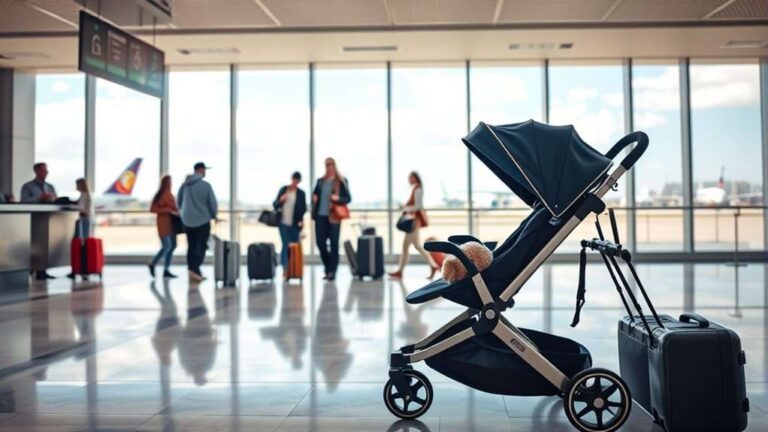
The gb Pockit Air All-Terrain is often the lightest travel stroller, weighing about 4.6 pounds.
Finding the lightest travel stroller sounds simple, but weight is only one part of the decision. A stroller must also fold well, carry your child safely, fit your travel plans, and remain useful beyond one airport trip. After comparing compact stroller designs, weight limits, folded sizes, wheels, and daily comfort, this guide will help you choose with confidence.
What Is the Lightest Travel Stroller?
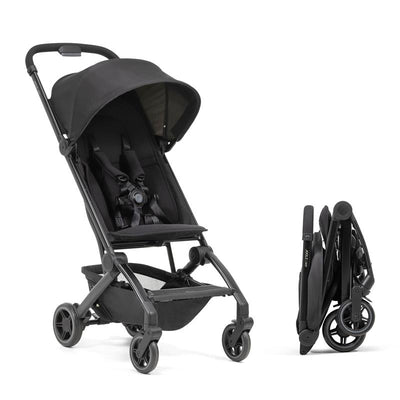
The gb Pockit Air All-Terrain is widely recognized as one of the lightest travel strollers sold in the United States. Its listed weight is about 4.6 pounds, although the exact number can vary slightly by retailer, product version, and included accessories.
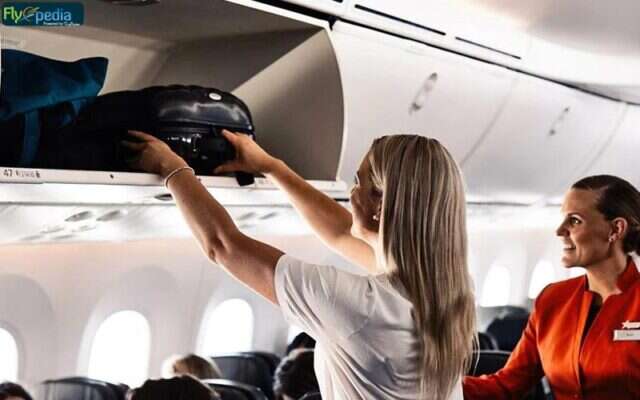
This stroller folds into a very small package. It can fit in many airplane overhead bins, but airline rules and overhead-bin space differ. A gate agent may still require you to check it at the gate.
The light weight comes with trade-offs. The Pockit Air has a small frame, limited storage, and compact wheels. It is best for parents who value portability above plush padding, large wheels, or a deep recline.
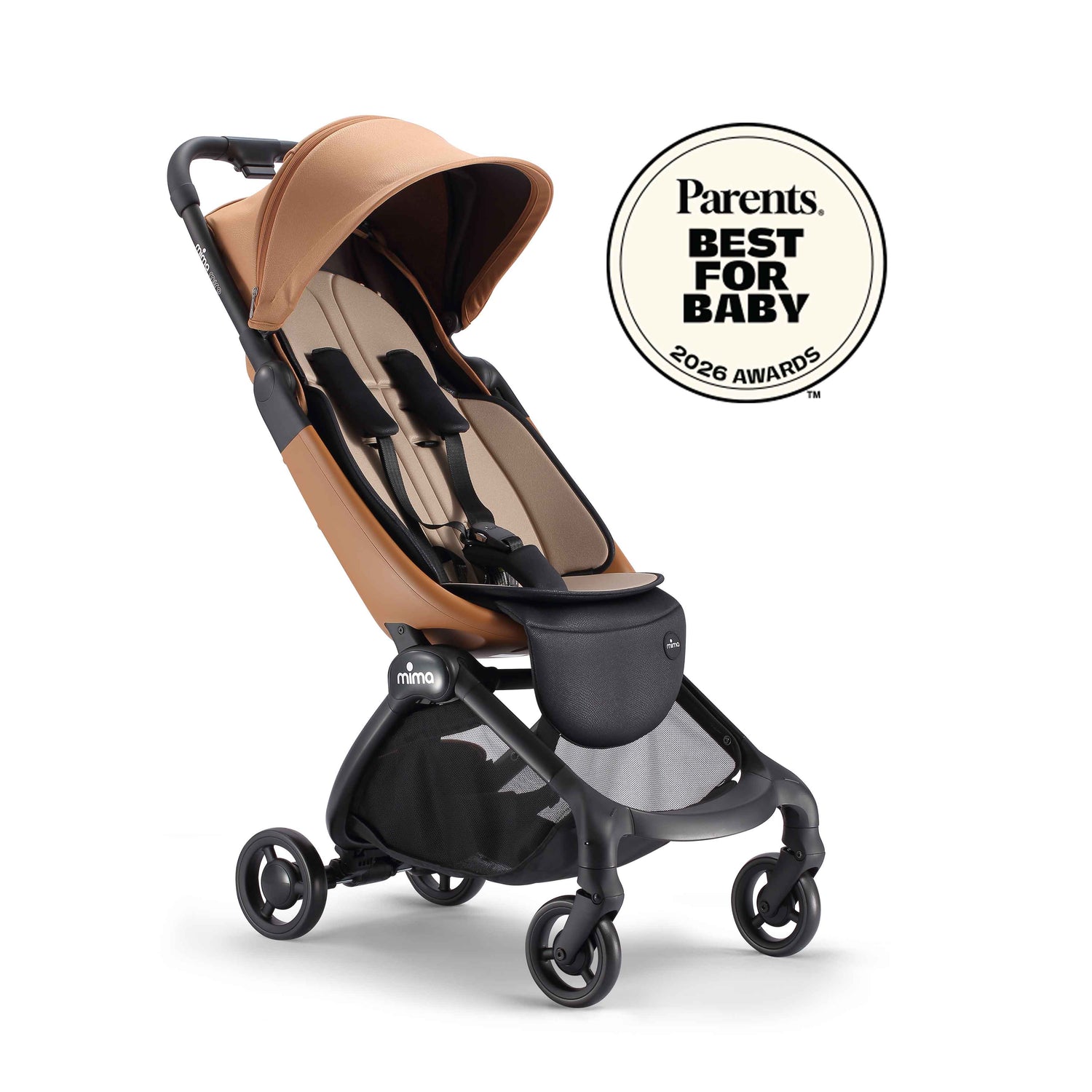
Best Lightweight Travel Strollers Compared
The lightest travel stroller is not always the best travel stroller for every family. A 4.6-pound model may be ideal for flights, while a 13-pound model may offer much better comfort and control on sidewalks.
Here are several popular lightweight options to compare:
| Stroller | Approximate weight | Best for | Main trade-off |
|---|---|---|---|
| gb Pockit Air All-Terrain | 4.6 lb | Carry-on travel and short trips | Basic comfort and small wheels |
| gb Pockit+ All-Terrain | About 13 lb | Compact travel with more features | Heavier than the Pockit Air |
| Baby Jogger City Tour 2 | About 14 lb | Travel with a stronger recline | Less lightweight |
| Summer Infant 3D Mini | About 11 lb | Low-cost everyday travel | Larger fold and fewer premium details |
| Silver Cross Jet series | About 13 to 14 lb | Travel comfort and cabin-style folding | Costs more |
| Mountain Buggy Nano | About 13 lb | Travel with a sturdy frame | Not among the very lightest |
Product weights can change with updates. Always check the current manufacturer specifications before buying, especially if you need to meet a strict airline weight or size rule.
The gb Pockit Air is the clear choice if your only goal is the lowest possible weight. The Baby Jogger City Tour 2 or Silver Cross Jet may be better if your child naps in the stroller or you expect long walks.

Why Choose the Lightest Travel Stroller?
A lightweight travel stroller can make family travel much less stressful. Carrying a child, backpack, diaper bag, and suitcase is already a workout. A stroller that weighs less than 10 pounds feels more like a small bag than another piece of luggage.
Key benefits include:
• Easier lifting into a car trunk
• Less effort when using stairs, trains, and buses
• Faster movement through airports
• Simple storage in small hotel rooms
• Easier handling when your child wants to walk
• Lower overall travel weight
This convenience matters most during transitions. In my experience reviewing travel gear, parents rarely struggle while strolling on a clear sidewalk. The real challenge comes when they must fold the stroller at security, carry it up subway stairs, or hold it while a child needs attention.
A light stroller can act like a backup pair of hands. Still, it cannot replace a full-size stroller when you need a large basket, strong suspension, or an all-day seat.

The Main Drawbacks of an Ultra-Light Stroller
The lightest travel stroller usually has a smaller frame. That design keeps the weight low but can reduce comfort and stability.
Common limitations include:
• Small wheels that struggle on grass, gravel, and rough pavement
• Less padding around the seat
• A small or shallow storage basket
• Limited sun protection
• A shorter handle height
• Less room for a growing child
• Reduced ability to handle heavy bags
A very light stroller may also feel less stable when you hang a diaper bag from the handle. Never overload the handle unless the manufacturer allows it. Extra weight can affect balance and may increase the risk of tipping.
Another issue is recline. Some ultralight strollers offer only a slight recline, while others do not create a suitable position for comfortable naps. If your child sleeps during travel, check the recline angle and head support before choosing the lightest travel stroller.
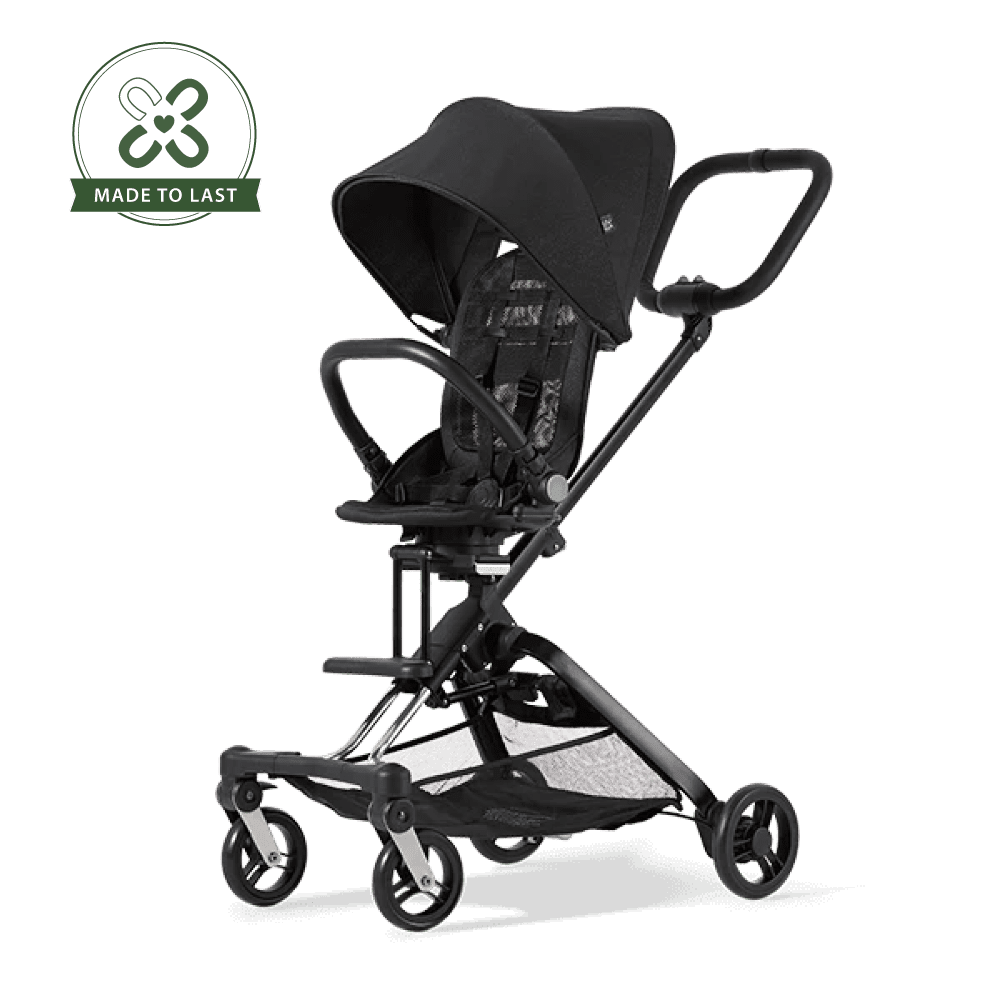
How to Choose the Right Lightweight Travel Stroller
Check the stroller weight
Look for the weight without optional accessories. A bumper bar, cup holder, rain cover, or travel bag can add several ounces or more.
If you travel often, every pound matters. However, saving three pounds may not be worth losing a useful recline or better wheels.
Review the child weight limit
Most compact strollers support children from around 40 to 55 pounds. Check both the maximum child weight and the recommended age range.
A stroller may support a large child but still feel cramped. Measure your child’s shoulder height and compare it with the seat back when possible.
Measure the folded size
The folded dimensions are just as important as weight. A stroller may be light but too long or wide for an overhead bin.
Before flying, compare the folded size with your airline’s stroller policy. Airline staff have the final say at the gate, and overhead storage is never guaranteed.
Test the fold
A fast fold is helpful when you are holding a baby or standing in a busy airport. Practice the fold at home several times.
Look for:
• A clear locking system
• A carry handle or shoulder strap
• A fold that does not require removing the seat
• A compact shape with no loose parts
The first fold can feel awkward. Once learned, many compact strollers become quick to use.
Inspect the wheels
Small wheels work well on smooth floors, airport walkways, and city sidewalks. They are less useful on cobblestones, sand, deep grass, or broken pavement.
If your trips include parks or older city streets, choose a slightly heavier model with larger wheels. A few extra pounds can make the ride smoother for both parent and child.
Consider the seat recline
A full recline can help with naps and may be useful for younger children. A shallow recline may be enough for an older toddler who mainly sits upright.
Never assume a stroller is suitable for a newborn. Follow the manufacturer’s age guidance, and use a compatible infant system only when the stroller is designed and approved for it.
Look at the harness
A five-point harness is a key safety feature. It should fit snugly over the child’s shoulders and hips without being too tight.
Check that the buckle is secure but easy for an adult to operate. A child should never ride without the harness properly fastened.
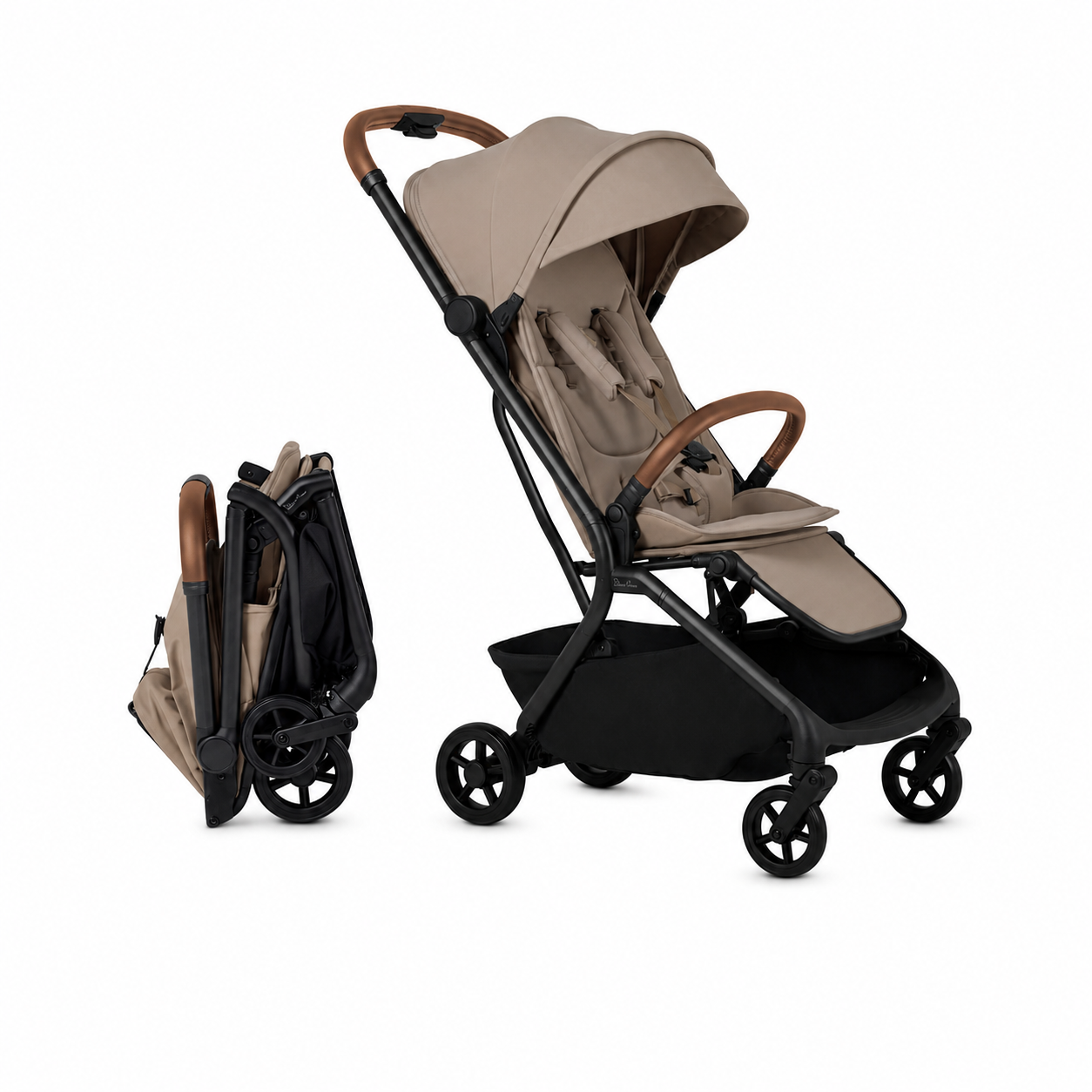
Is the Lightest Travel Stroller Safe?
A lightweight stroller can be safe when used within its design limits. Weight alone does not determine safety. Frame strength, brakes, harness design, stability, and proper use all matter.
Before buying, check whether the stroller meets current U.S. stroller safety requirements. Look for a clear manufacturer label, recall information, and detailed instructions.
Use these basic safety habits:
• Engage the brakes whenever you stop
• Keep your child buckled in at all times
• Do not hang heavy bags from the handle
• Keep fingers away from folding joints
• Do not let a child stand in the seat
• Use the stroller only for the listed age and weight range
• Check wheels, hinges, and the harness before each trip
A travel stroller is not a car seat unless it is specifically designed and approved as one. Never place a car seat on a stroller frame without the correct adapter.
The American Academy of Pediatrics also advises caregivers to use stroller restraints and avoid placing blankets or other items where they may cover a child’s face.

Can the Lightest Travel Stroller Go on an Airplane?
Some ultralight strollers can fit in an airplane’s overhead bin. The gb Pockit line is popular for this reason because its folded shape is unusually small.
However, no stroller is guaranteed overhead-bin access. Each airline sets its own rules, and the crew may require you to gate-check the stroller if the cabin is full or the folded stroller does not meet the airline’s limits.
Before your flight:
-
Check the airline’s stroller and carry-on policy.
-
Measure the folded stroller.
-
Place the stroller in its travel bag if one is provided.
-
Remove accessories that can fall off.
-
Ask at the gate whether you may use it to the aircraft door.
-
Label the stroller with your name and contact details.
If you gate-check the stroller, inspect it before leaving the airport. A padded travel bag can reduce scratches and protect moving parts.
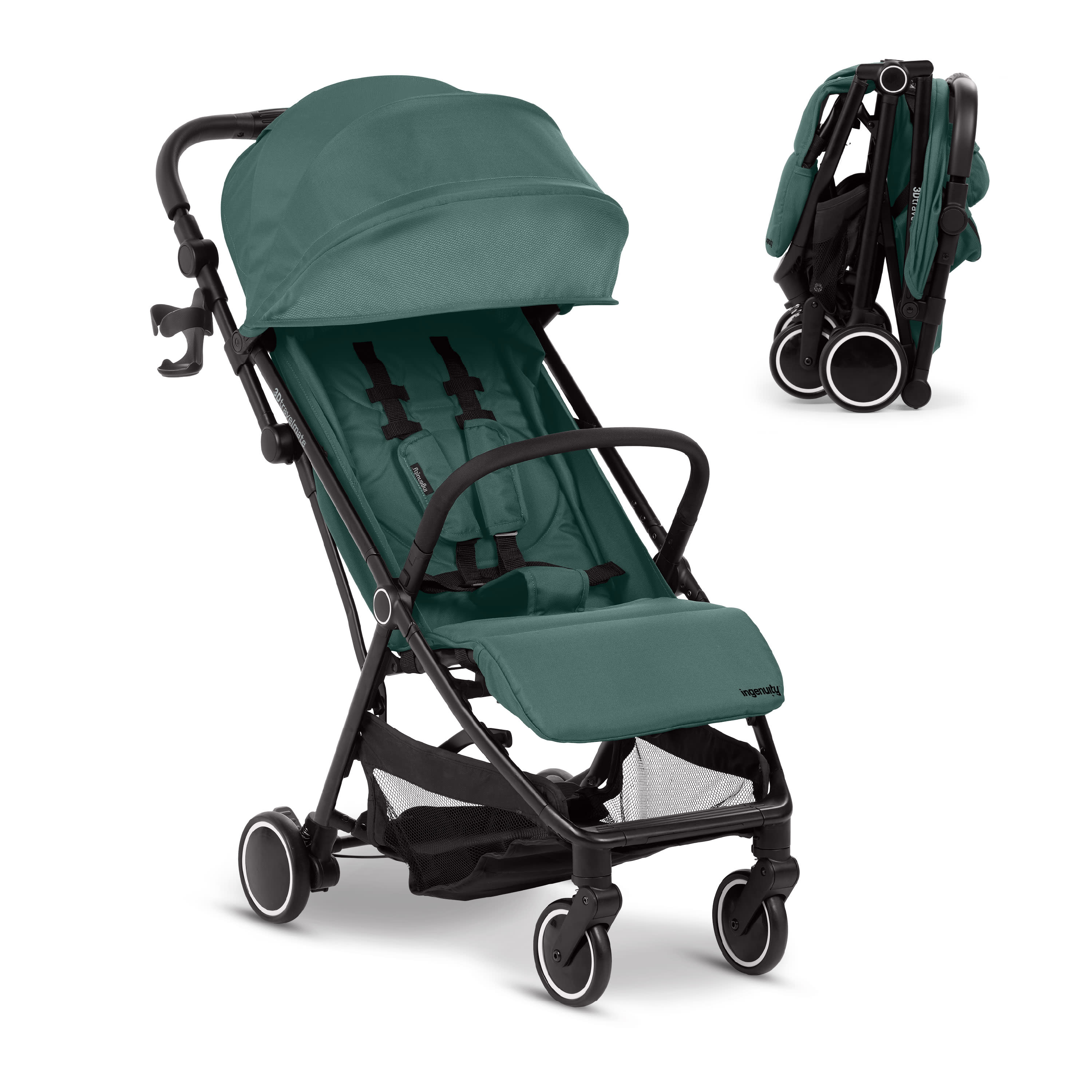
Lightest Travel Stroller Versus Umbrella Stroller
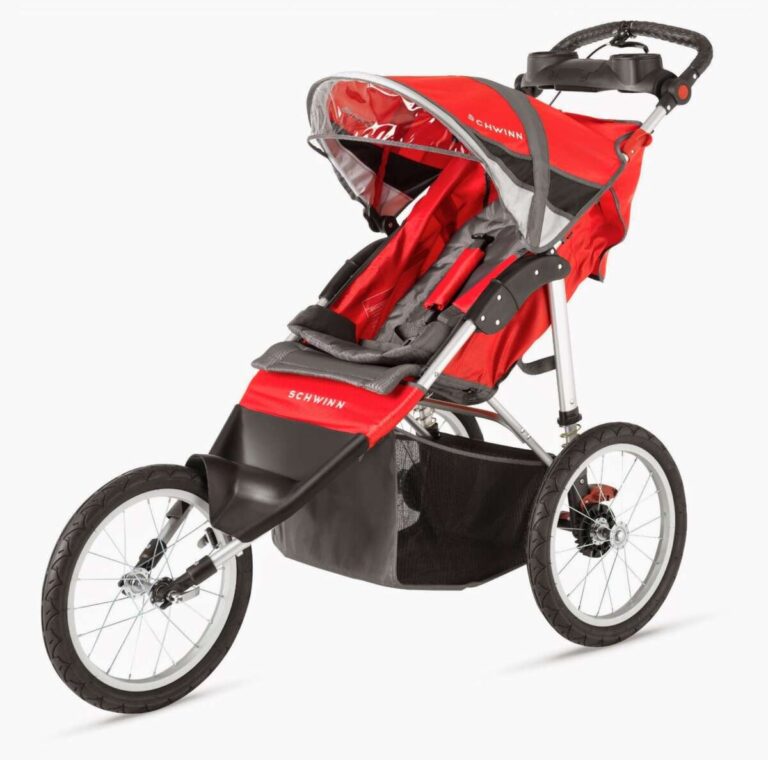
An umbrella stroller often has a long, narrow fold. It may weigh between 10 and 20 pounds and can offer a wider seat than an ultra-compact stroller.
A compact travel stroller folds into a square or suitcase-like shape. It is usually easier to store in a car, hotel, or airplane cabin.
Choose an ultra-compact model when:
• You fly often
• You use public transportation
• You have limited storage space
• Your child is comfortable with a simple seat
Choose a traditional umbrella stroller when:
• You want a lower price
• You need a wider seat
• You take longer walks
• You prefer a larger sun canopy
• You want a more familiar handle design
The lightest travel stroller is best for portability. An umbrella stroller may be better for daily use. Think of the first as a carry-on bag and the second as a small daypack. Both are useful, but they serve different jobs.
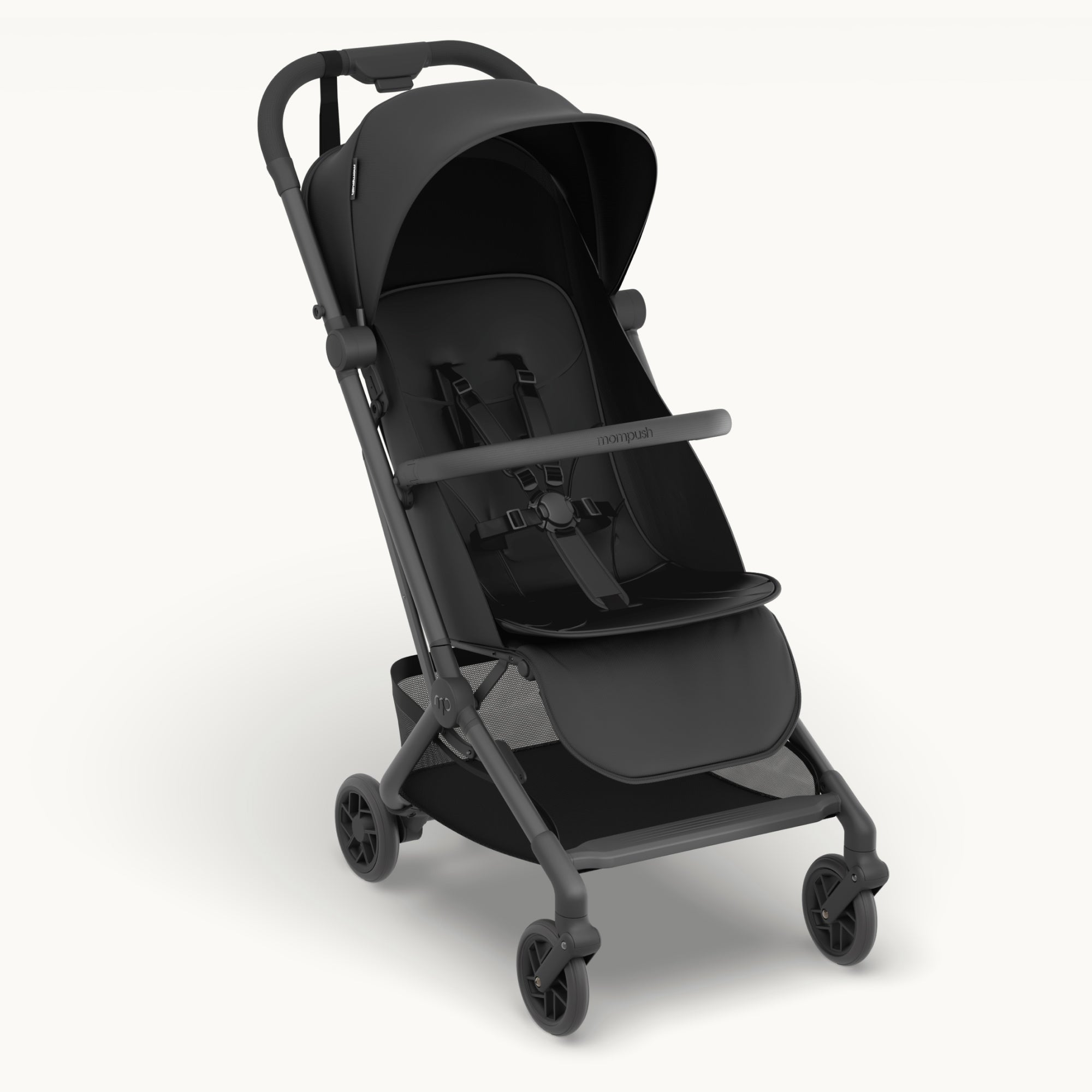
Practical Tips From Real-World Travel
One common mistake is buying the lightest travel stroller without testing the handle height. A low handle can make tall parents bend forward on long walks. That may not seem important in a store, but it becomes uncomfortable after several hours.
Another lesson is to check the basket before traveling. Some compact strollers have room for a small diaper pouch but not a full backpack. Keep heavy items in a separate bag rather than forcing them under the seat.
Practice folding while holding one hand out as if you were carrying your child. This simple test shows whether the stroller is practical in real life. If the fold requires several steps and both hands, it may cause frustration at busy checkpoints.
I also recommend taking a short local walk before a major trip. This reveals whether the wheels handle your sidewalks, whether the seat suits your child, and whether the stroller feels stable when turning.
How Much Should You Spend?
The lightest travel stroller can cost less than $100 or more than $300. Price does not always match weight.
A low-cost model may provide excellent portability but fewer features. A more expensive stroller may offer stronger fabric, better wheels, a deeper recline, and a smoother fold.
Before spending more, decide which features affect your daily life:
• Overhead-bin potential
• Reclining seat
• Larger canopy
• Better suspension
• Stronger storage
• One-hand folding
• Washable fabric
• Adjustable handle
A stroller used for one annual vacation does not need the same features as a stroller used every day. Match the price to the number of hours and trips you expect to use it.
Frequently Asked Questions About the Lightest Travel Stroller
What is the lightest travel stroller available?
The gb Pockit Air All-Terrain is commonly listed at about 4.6 pounds, making it one of the lightest travel strollers available in the United States. Product versions and listed weights may vary, so confirm the current specifications before buying.
Can a 4.6-pound stroller go in an airplane cabin?
It may fit in an overhead bin when folded, but the airline and crew decide whether it can enter the cabin. Always check the airline’s size policy and be prepared for gate checking.
Is the lightest travel stroller good for everyday use?
It can work for short walks, errands, and public transportation. For long walks, rough ground, frequent naps, or heavy daily use, a slightly heavier stroller may provide better comfort and control.
What age is suitable for the lightest travel stroller?
The correct age depends on the stroller model and its recline system. Follow the manufacturer’s instructions, and do not use an ultralight stroller for a newborn unless it is specifically approved for that stage.
What should I look for besides stroller weight?
Check the folded size, child weight limit, harness, brakes, seat recline, wheel size, canopy, basket, and handle height. These features often matter more than saving a few additional ounces.
Is a lightweight stroller safe for a toddler?
Yes, a lightweight stroller can be safe when the child fits the stated age and weight range. Use the five-point harness, engage the brakes, and avoid hanging heavy bags from the handle.
Are travel strollers allowed at the gate?
Many airlines allow travelers to take a stroller to the gate, but policies vary. The stroller may then be placed in the aircraft hold and returned at the gate or baggage claim.
Conclusion
The gb Pockit Air All-Terrain is often the answer to “what is the lightest travel stroller,” with a listed weight of about 4.6 pounds. It is a strong choice for flights, small cars, trains, and quick trips, but its low weight means smaller wheels, less storage, and fewer comfort features.
Choose the lightest travel stroller if portability is your top priority. If your child naps often or you take long walks, consider a model that weighs a few more pounds but offers better support. Compare the current specifications, practice the fold, and check your airline’s rules before your next trip.