Most babies say “dada” between 6 and 12 months, often as babbling before using it with meaning.
Wondering when do babies say dada is completely normal. “Da-da” may appear early, but the sound does not always mean your baby is calling Dad. Speech grows in small steps, from coos and babbles to clear words. This guide explains the usual timeline, what “dada” means at each stage, how to encourage speech, and when to ask a pediatrician for help.

When do babies say dada?
Most babies say “dada” somewhere between 6 and 12 months. Some babies babble “da-da-da” at about 6 to 9 months, while others say “dada” with clear meaning closer to their first birthday.
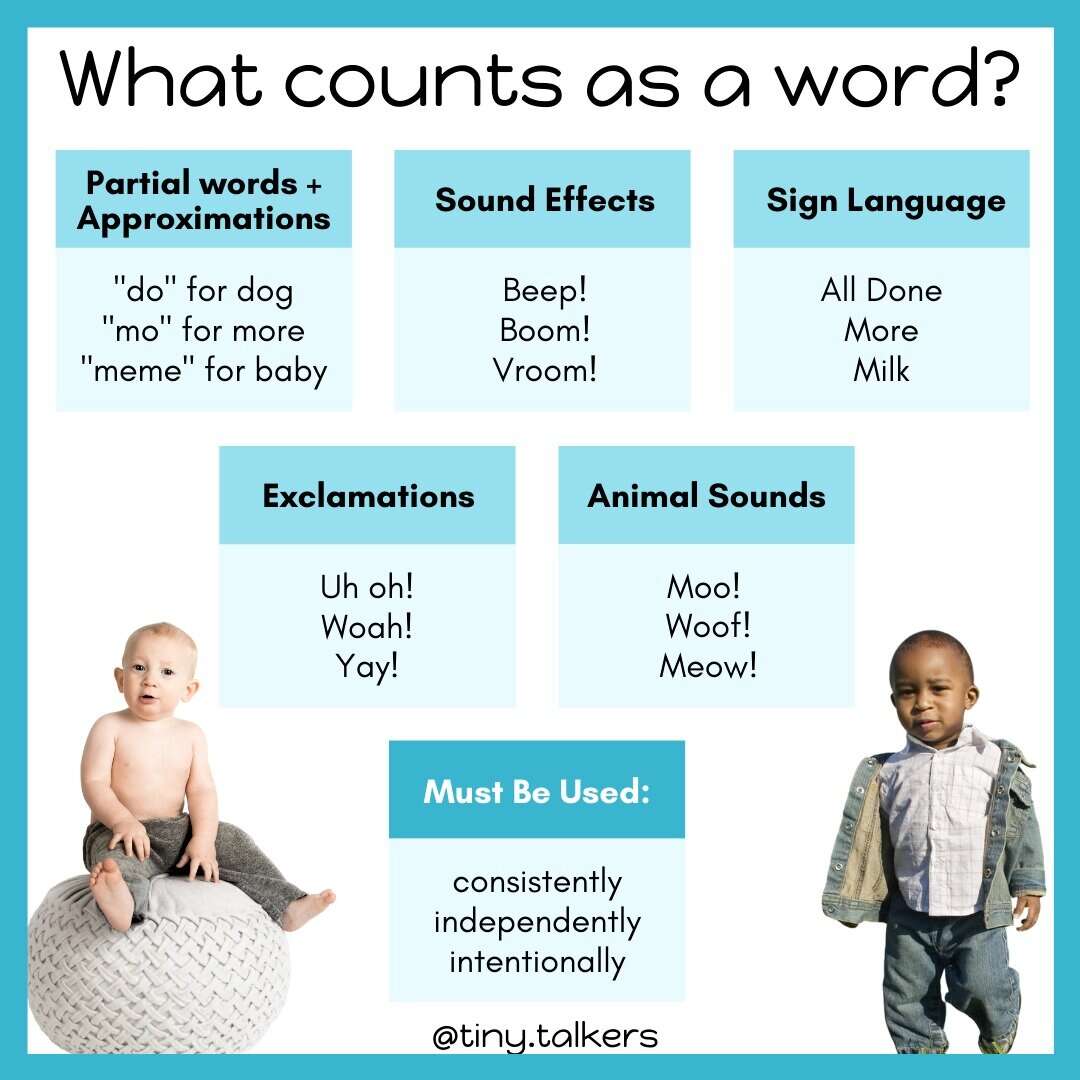
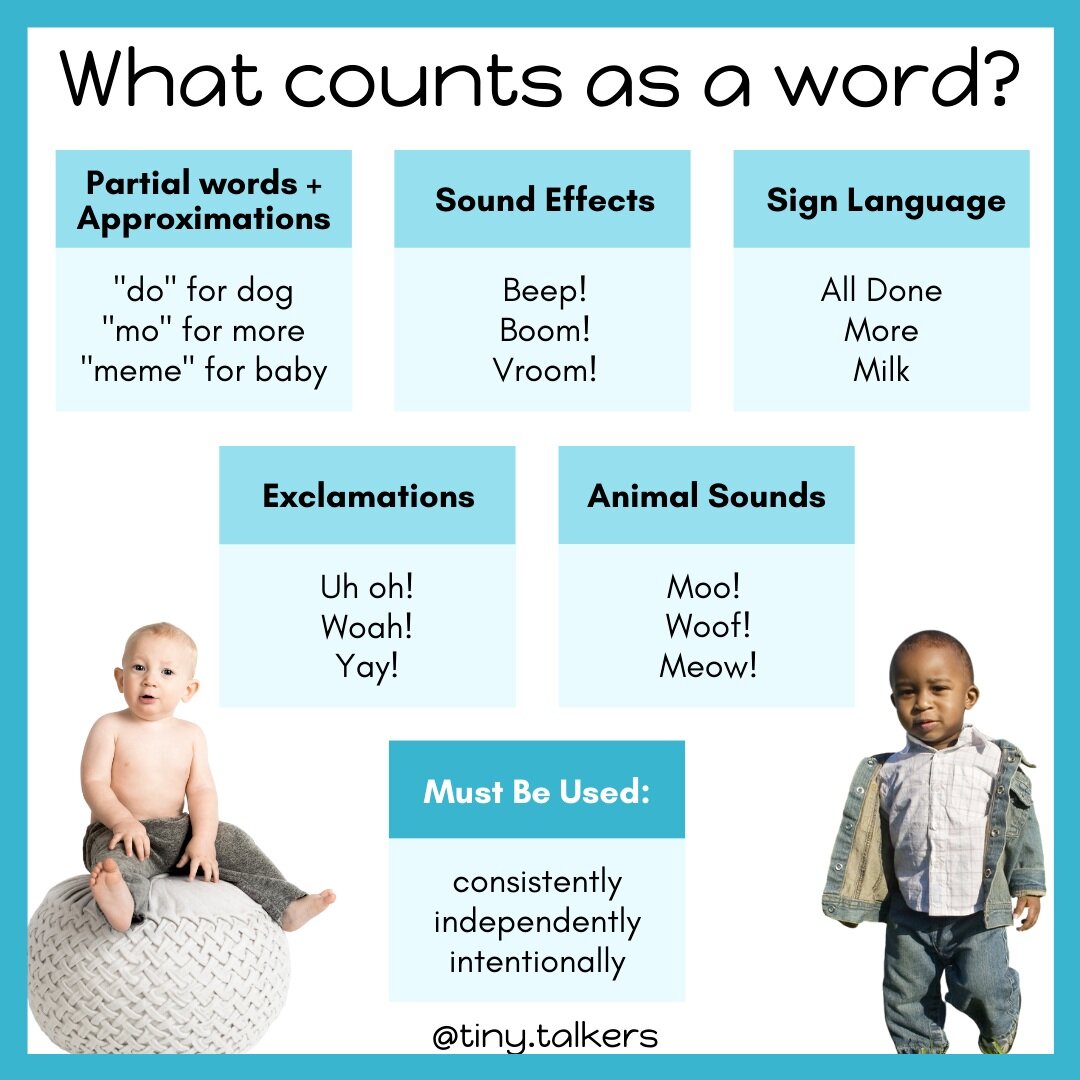
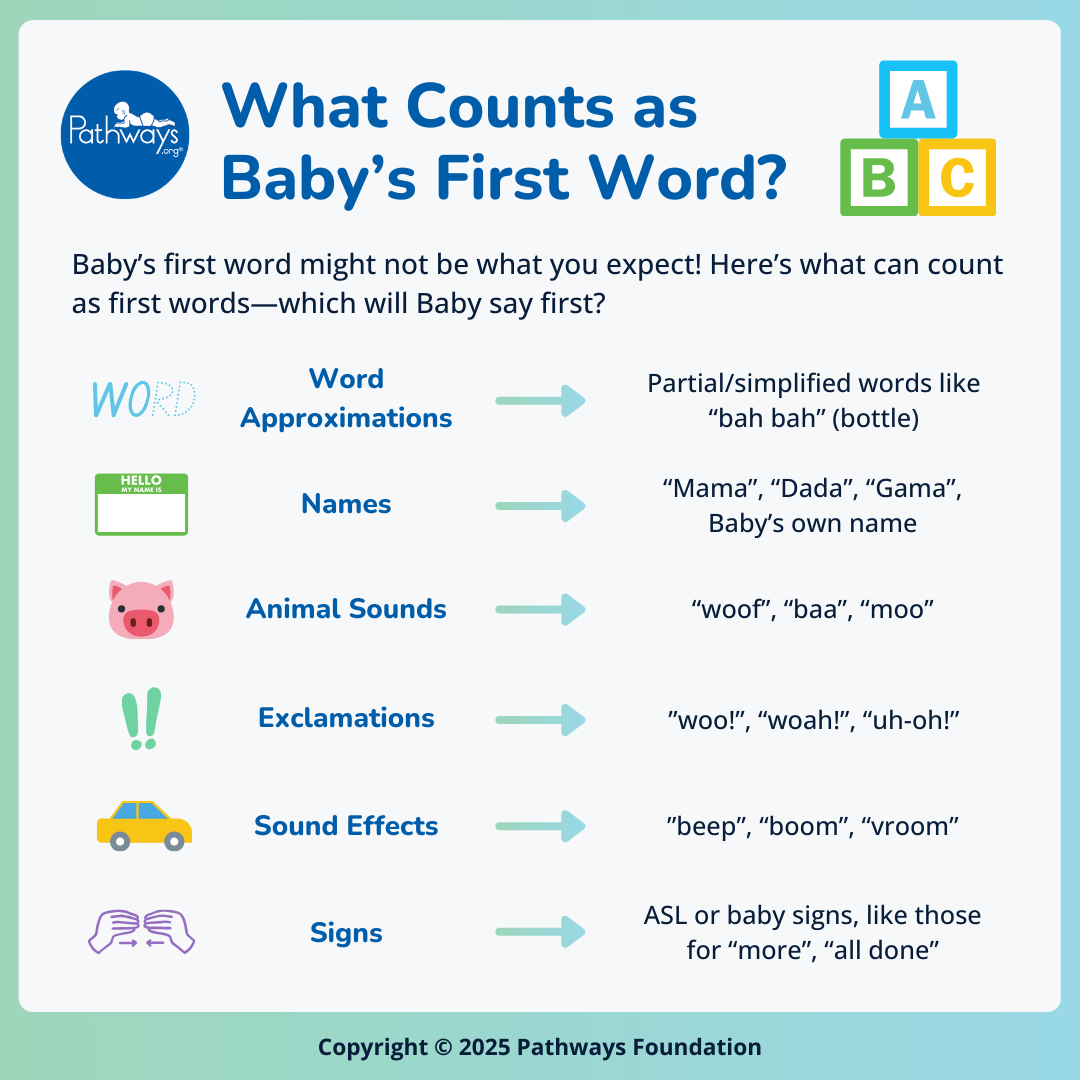
The answer to when do babies say dada depends on what you mean by “say.” A baby may make the sound by chance during early babbling. Later, the baby may use the word to look for, greet, or point to Dad.
Speech milestones are not exact deadlines. Babies develop at different rates, even within the same family. A baby who says “mama” first, speaks later, or uses sounds instead of words may still be developing normally.
A simple timeline
• 4 to 6 months: Your baby may make vowel sounds such as “ah” and “oh.”
• 6 to 9 months: Your baby may repeat sounds such as “ba-ba,” “ma-ma,” or “da-da.”
• 9 to 12 months: Your baby may use “dada” or another sound for a familiar person.
• 12 to 18 months: Many toddlers add more clear words and use gestures with speech.
The Centers for Disease Control and Prevention lists calling a parent “mama,” “dada,” or another special name as a common 1-year milestone. Language experts also note that babies often practice speech sounds well before they attach meaning to them.
What does “dada” mean when a baby says it?
At first, “dada” may be simple vocal play. Babies enjoy testing their voices, much like they enjoy shaking a toy to hear its sound. Repeating “da-da-da” helps them practice lip, tongue, and voice control.
A baby may say “dada” while looking at a toy, the ceiling, or no one in particular. This does not always mean the baby understands the word. Meaning develops when the sound is used again and again in the right situation.
“Dada” is more likely to be a true word when your baby:
• Looks at Dad after saying it
• Reaches toward Dad or crawls to him
• Uses “dada” when Dad enters the room
• Says it to get Dad’s attention
• Uses the sound in a similar way across several days
Parents often feel emotional when they first hear “dada.” That feeling is understandable. Still, the first “dada” may be babbling, and that is a valuable step rather than a disappointment.
Why do some babies say dada before mama?
Many babies say “dada” before “mama,” but this does not show a stronger preference for one parent. The “d” sound can be easier for some babies to practice during repeated babbling. Other babies say “mama” first, and some use neither word for many months.
Family speech patterns can also shape what babies hear. If people around the baby say “dada” often, the baby may practice that sound more. Babies learn language through repeated listening, face-to-face interaction, and shared routines.
The order of first words does not predict intelligence, attachment, or future speech ability. A baby who says “mama” first is not ahead, and a baby who says “dada” first is not more attached to Dad.
What can affect the timing?
Several factors may influence when a baby says “dada”:
• Hearing: Babies need to hear speech clearly to copy sounds.
• Temperament: Some babies are very vocal, while others watch and listen more.
• Opportunity: Babies hear more language when adults talk, sing, and respond to them.
• Development: Motor skills, social skills, and communication often grow together.
• Health history: Premature birth, frequent ear infections, or other medical concerns may affect speech timing.
These factors do not create a fixed schedule. They simply help explain why two healthy babies may reach the same milestone at different times.

How to encourage your baby to say dada
You do not need flashcards or special products to help your baby learn “dada.” Warm, repeated interaction works best. Think of language as a game of taking turns: you speak, your baby responds, and you answer again.
Try these simple activities:
- Say “dada” during real moments
When Dad enters the room, say, “Dada is here.” When Dad picks up the baby, repeat, “You see Dada.” Connecting the word to a person gives the sound meaning.
- Use a happy, clear voice
Speak slowly and use short phrases. Make eye contact and let your baby see your mouth. You can say, “Da-da,” then pause for a few seconds.
- Copy your baby’s sounds
If your baby says “da,” answer with “da-da.” This shows that sounds can create a social exchange. It also teaches the early rhythm of conversation.
- Take turns
Avoid filling every quiet moment with speech. Pause after you talk so your baby has time to coo, babble, smile, or gesture. These pauses help babies learn that communication goes both ways.
- Read picture books
Point to a picture and name it. You might say, “Dada sees the dog,” or “Dada turns the page.” A baby does not need to sit through a full story to benefit from shared reading.
- Sing simple songs
Songs with repeated sounds can make speech practice fun. Use your baby’s name, family names, and common words during daily routines.
A common mistake is asking a baby to “say dada” over and over. That can turn a fun moment into pressure. Model the word, respond to attempts, and celebrate all forms of communication.

Signs your baby is developing communication skills
The question when do babies say dada is only one part of language development. Before clear words appear, babies show many early communication skills.
Healthy early signs may include:
• Smiling or making eye contact during interaction
• Turning toward familiar voices
• Reacting to sounds
• Making different sounds for pleasure or discomfort
• Babbling with repeated syllables
• Using gestures such as reaching, pointing, or waving
• Copying sounds, facial expressions, or actions
• Showing interest in people and objects
• Understanding simple words or routines
By around 9 months, many babies respond to their name, make several sounds, and use vocal sounds to get attention. By around 12 months, many babies use gestures and may call a parent by a special name.
Milestones describe what many children can do by a certain age. They do not predict the exact day your baby will say “dada.” A baby may communicate well with gestures and sounds before saying many recognizable words.

When should you worry about your baby not saying dada?
Not saying “dada” by a specific age does not automatically signal a problem. Some babies say other words first, while others focus on gestures or sounds. The bigger picture matters more than one word.
Talk with your pediatrician if your baby:
• Does not respond to loud sounds or familiar voices
• Does not babble by about 9 months
• Does not use gestures such as pointing, waving, or reaching by about 12 months
• Does not use any meaningful words by about 16 months
• Loses words or communication skills at any age
• Seems not to understand familiar speech
• Rarely makes eye contact or shows interest in interaction
• Does not respond to their name by about 9 months
These signs do not prove that a child has a speech or developmental disorder. They simply show that a professional check may be useful. A hearing test is often an important early step because mild hearing loss can affect speech without being obvious.
Trust your concerns. Parents often notice small changes before anyone else does. Write down sounds, gestures, responses, and dates so you can describe your child’s communication clearly at a visit.
Does bilingual exposure delay “dada”?
Learning two languages does not cause a language disorder. A bilingual baby may divide words between two languages, so counting words in only one language can give an incomplete picture.
For example, a baby may use one word for Dad in English and another word in a family language. Both count as communication. Babies may also understand one language well while speaking fewer words at first.
Use the languages that feel natural to your family. Talk, read, sing, and respond in both languages. Strong interaction matters more than choosing only one language.
If you have concerns, tell the pediatrician which languages your baby hears and uses. A speech evaluation should consider the child’s full language experience.
Does pacifier use affect when babies say dada?
A pacifier does not automatically delay speech. However, a baby cannot babble, copy sounds, or interact as easily while the mouth is occupied for long periods.
Try removing the pacifier during:
• Playtime
• Reading
• Singing
• Face-to-face conversation
• Family interaction
The American Academy of Pediatrics supports safe pacifier use for infants, including during sleep in certain situations. The goal is balance. Keep the pacifier for sleep, comfort, or calming when needed, but give your baby plenty of time to explore sounds while awake.
Do not shame your baby or force the pacifier away suddenly if it provides comfort. Small changes can create more chances for speech without adding stress.
What if your baby says dada and then stops?
Babies may use a word for a short time and then seem to drop it. Sometimes they are focused on a new skill, such as crawling, walking, or feeding themselves. Short changes in speech can happen during busy periods of development.
Still, losing a word or skill is worth mentioning to a pediatrician, especially if your baby also stops babbling, gesturing, responding, or engaging with people. Developmental regression should be checked rather than ignored.
Keep talking and responding in a relaxed way. Avoid testing your baby many times each day. Natural play gives you a clearer view of communication than repeated requests to perform.
Practical tips for parents and caregivers
When do babies say dada can become a source of worry, especially when relatives compare babies at family gatherings. Try to focus on steady progress rather than competition. One baby may talk early, while another may communicate through gestures first.
Helpful habits include:
• Talk during diaper changes, meals, baths, and walks.
• Name people and objects your baby sees often.
• Respond to sounds as if they are meaningful turns.
• Use simple words instead of long questions.
• Give your baby time to answer.
• Celebrate attempts, not just perfect words.
• Limit background television and keep conversations face to face.
• Share the same words with all caregivers.
One lesson many parents learn is that daily routines offer the best speech practice. You do not need a formal lesson. Saying “Dada is washing hands” during an ordinary moment can be more useful than a long practice session.
Frequently Asked Questions
When do babies say dada clearly?
Many babies say “dada” as babbling between 6 and 9 months. They may use it as a meaningful name for Dad between 9 and 12 months, although some children do so earlier or later.
Is “dada” usually a baby’s first word?
Not always. Some babies say “mama,” “bye-bye,” “ball,” or another sound first, while others babble for months before using a clear word.
Do babies say dada before mama?
Some babies do, but there is no reliable rule. The order often reflects which sounds a baby practices most, not a preference for one parent.
How can I help my baby say dada?
Use “dada” during real interactions, such as when Dad enters the room or picks up the baby. Copy your baby’s sounds, pause for a response, and keep practice playful.
Should my baby say dada by 12 months?
Many babies use “mama,” “dada,” or another special name by about 12 months, but development varies. If your baby is not babbling, responding to sounds, using gestures, or communicating in other ways, discuss it with a pediatrician.
Is babbling “da-da-da” the same as saying dada?
Not always. Repeated “da-da-da” is often early babbling, while meaningful speech usually happens when the baby uses “dada” consistently for Dad or to get his attention.
Can hearing problems affect when babies say dada?
Yes. Hearing loss can make it harder for a baby to copy speech sounds and understand words. If your baby does not respond to voices or sounds, ask the pediatrician about a hearing evaluation.
Conclusion
Most babies say “dada” between 6 and 12 months, but the first sound may begin as playful babbling. Meaning develops through repeated experiences, eye contact, gestures, and everyday conversation. The key is to watch your baby’s full communication pattern, not one word or one exact age.
Talk, sing, read, and pause for your baby’s response each day. If your baby loses skills or shows few communication signs, contact a pediatrician early. Share your baby’s speech journey with your care team, and explore trusted child development resources for continued guidance.