
Yes, kittens lose their baby teeth as adult teeth replace them between about three and six months.
Understanding whether do kittens lose their baby teeth helps you spot normal teething, ease mouth discomfort, and notice problems early. Most kittens pass through this stage quietly, but some show sore gums, extra chewing, or a tiny tooth on the floor. This guide explains what to expect and when a veterinarian should check your kitten.
Do kittens lose their baby teeth?
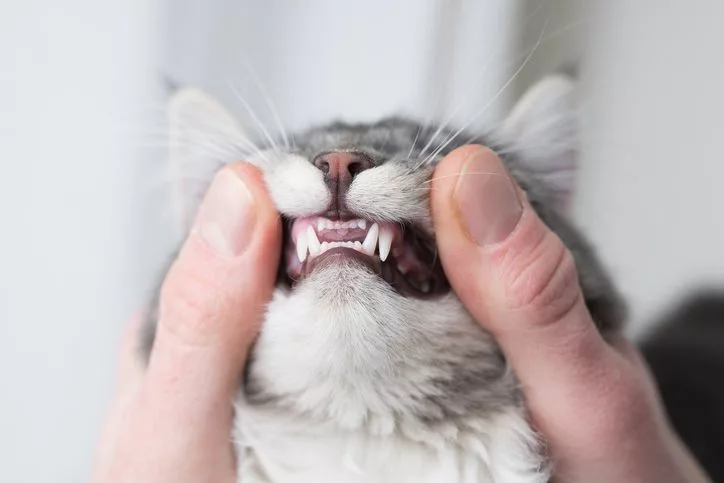
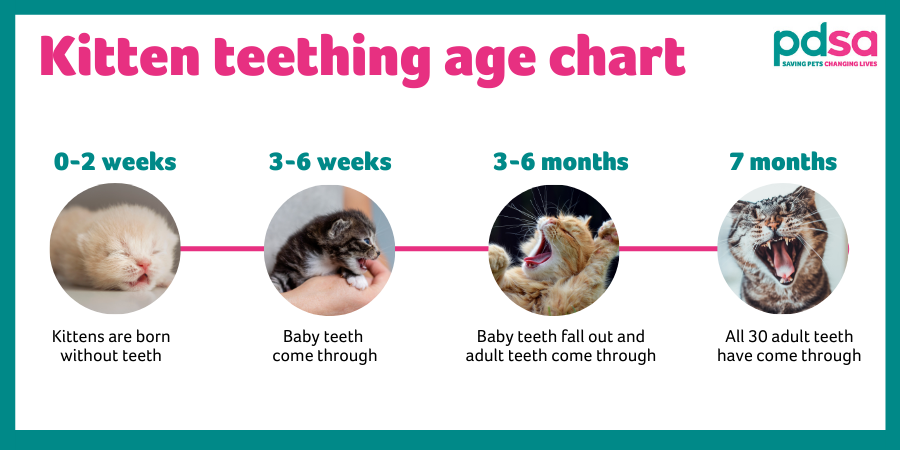
Yes, kittens lose their baby teeth. Like human babies, kittens are born without visible teeth. Their first set, called deciduous teeth or milk teeth, begins to appear when they are about 2 to 6 weeks old.
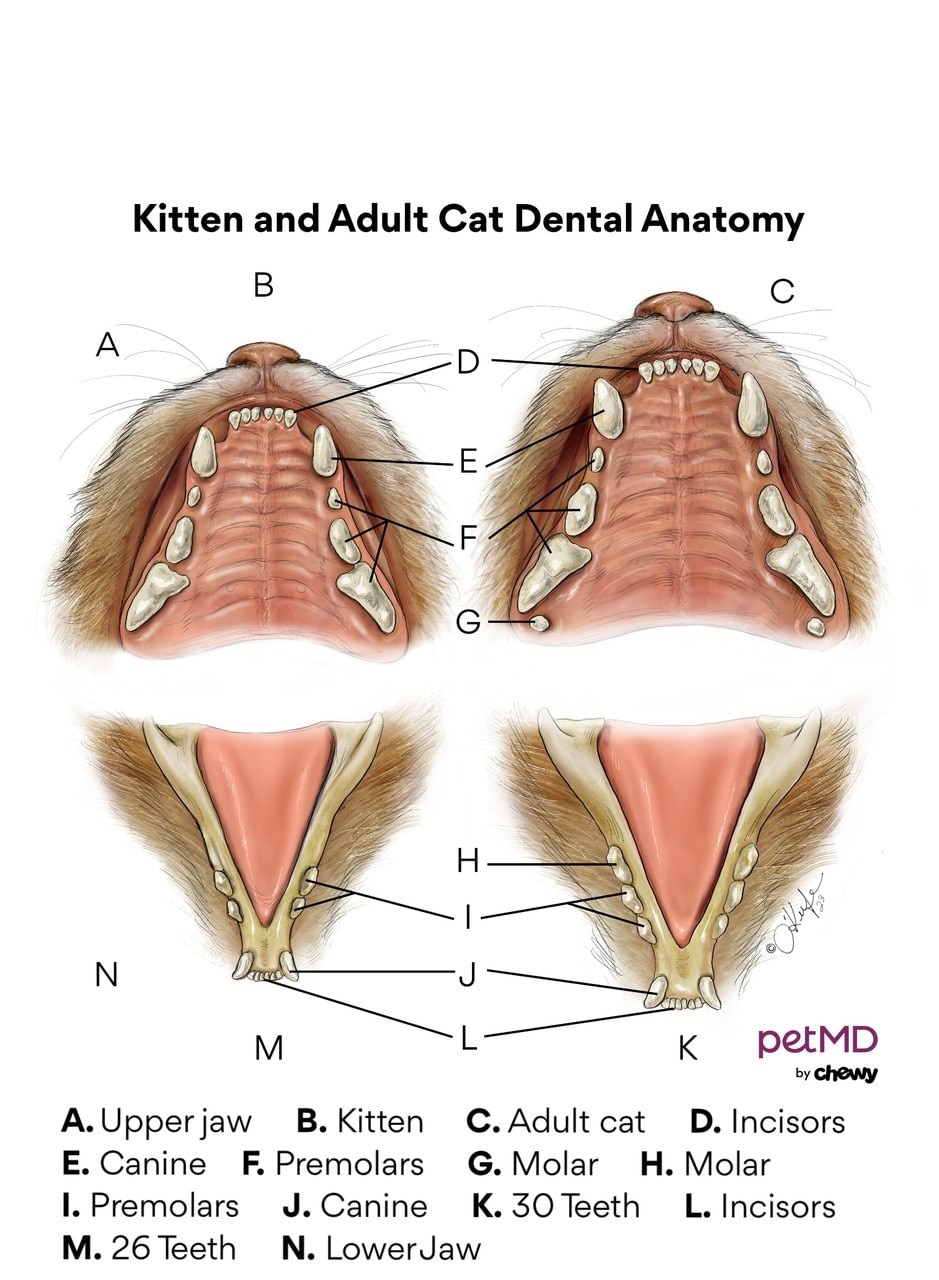
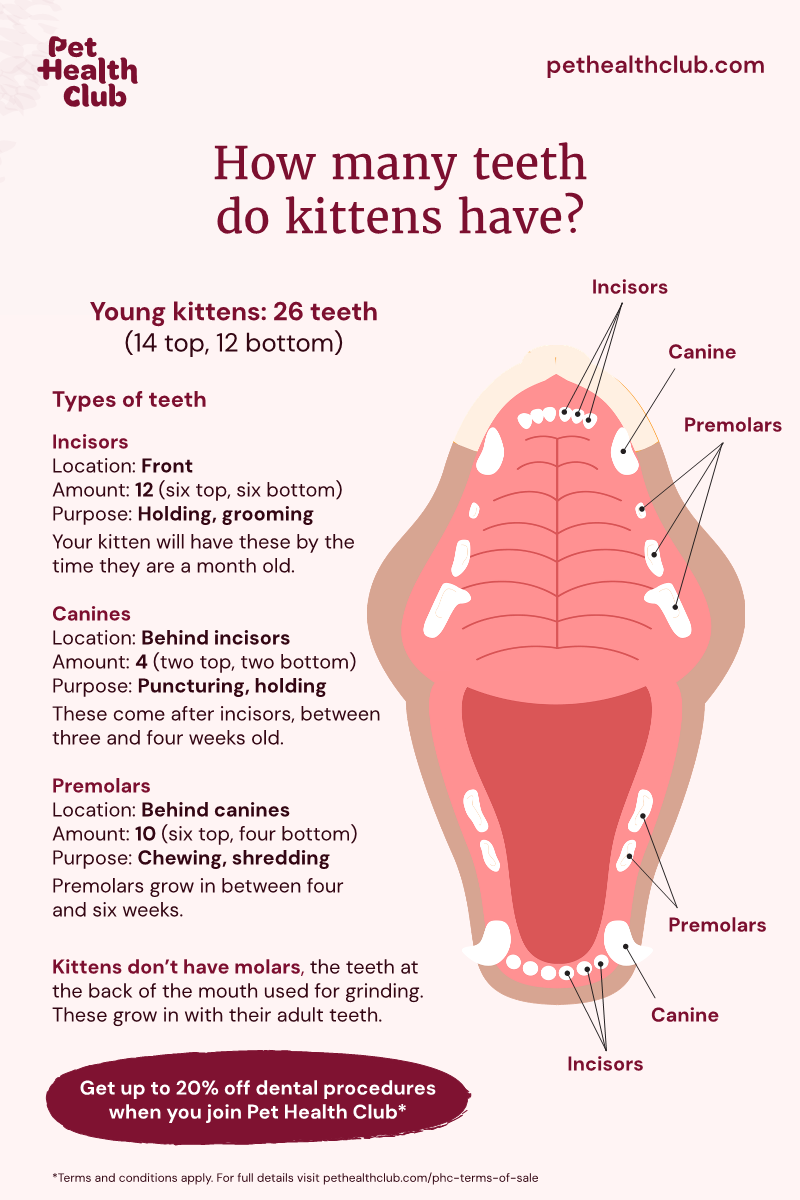
A kitten usually has 26 baby teeth. These small teeth help the kitten bite food and learn how to use its mouth. They are also temporary, much like the first set of keys on a growing keyboard.
Around 3 to 4 months of age, adult teeth begin pushing through the gums. As this happens, the baby teeth loosen and fall out. Most kittens have their full set of 30 adult teeth by about 6 months.
Many kittens swallow their loose teeth while eating or grooming. This is usually harmless. You may never find a tooth, although some owners discover one near a food bowl or in a favorite bed.
When do kittens lose their baby teeth?
Do kittens lose their baby teeth at the same age? Not always. The general timeline is similar, but each kitten develops at its own pace.
Here is a simple guide:
• 2 to 6 weeks: Baby teeth begin to come in.
• 8 weeks: Most kittens have all 26 baby teeth.
• 3 to 4 months: Adult teeth start replacing baby teeth.
• 4 to 6 months: Most baby teeth fall out.
• By 6 to 7 months: Most kittens have all 30 adult teeth.
Some kittens finish earlier or later. Breed, health, nutrition, and individual growth can affect the timing. A small delay does not always mean something is wrong.
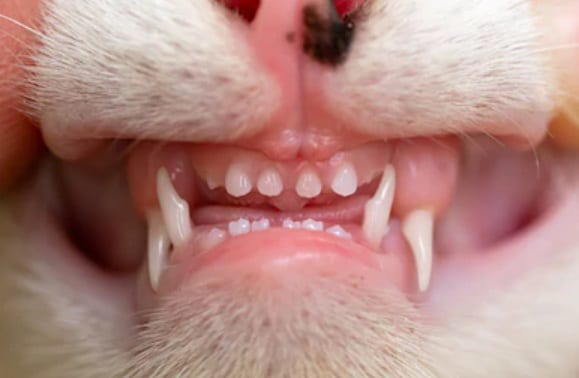
Do kittens lose their baby teeth in a set order? Usually, the front teeth, called incisors, change first. The canine teeth, premolars, and molars follow as the jaw grows.
What does kitten teething look like?
Kitten teething can be easy to miss. A loose tooth may fall out during play, eating, or grooming. You might see a small spot of blood on a toy, but a large amount of bleeding is not normal.
Common signs include:
• Chewing toys, blankets, or safe household items
• Mildly swollen or red gums
• Drooling more than usual
• Pawing at the mouth
• Eating more slowly
• Dropping pieces of food
• Mild bad breath
• Being a little restless or irritable
A small amount of gum redness can occur as an adult tooth breaks through. The mouth may also smell different for a short time. Still, severe pain, swelling, or refusal to eat needs veterinary attention.
Do kittens lose their baby teeth without pain? Often, yes, but teething can cause mild discomfort. Think of it as a small construction project in the mouth: pressure, movement, and tenderness are possible while the new teeth take their place.

How to help a teething kitten
Most kittens need comfort rather than treatment. Your goal is to protect the gums, reduce unsafe chewing, and keep meals easy to eat.
Try these safe steps:
Offer soft kitten food if chewing seems uncomfortable.
Provide soft rubber or fabric toys made for kittens.
Keep small, hard, sharp, or breakable objects out of reach.
Wash toys often and replace damaged ones.
Keep fresh water available at all times.
Handle your kitten gently around the face.
Do not give ice cubes, bones, hard plastic, rawhide, or human teething medicine. Hard objects can crack developing teeth or injure the gums. Human pain relievers can be poisonous to cats, even in small amounts.
A cool, clean toy may feel soothing, but do not freeze toys until they become rock hard. A very hard surface can damage a kitten’s teeth.
In my experience helping people care for young cats, the most common mistake is assuming that more chewing always means more teething relief. Safe texture matters more than toughness. A toy should bend or give slightly when pressed.
What should kittens eat during teething?
A complete and balanced kitten diet supports normal growth, including jaw and tooth development. Most kittens can continue eating their usual kitten food during teething.
If your kitten has sore gums, consider:
• Wet kitten food for easier chewing
• Warm water mixed with dry kitten food
• Smaller meals offered more often
• Food served at room temperature
Do not change diets too often. Sudden food changes can cause vomiting or diarrhea, which may make a teething kitten feel worse.
Dry food does not automatically harm a kitten’s teeth. However, very hard food may be uncomfortable for a kitten with tender gums. Ask your veterinarian which diet fits your kitten’s age, weight, health, and dental needs.
Do kittens lose their baby teeth because of poor nutrition? Usually, no. Normal tooth replacement is part of growth, not a sign of weak nutrition. Poor nutrition can affect overall development, though, so a complete kitten diet remains important.

Retained baby teeth in kittens
Sometimes, a baby tooth stays in place after the adult tooth has started to grow. This is called a retained deciduous tooth. It is most often seen with the canine teeth, which are the long teeth near the front of the mouth.
You may notice two teeth sitting side by side. The adult tooth may grow at an odd angle, while the baby tooth remains firm. This creates a crowded area where food and bacteria can collect.
Retained teeth can lead to:
• Plaque buildup
• Gum irritation
• Bad breath
• Tooth movement
• Bite problems
• Periodontal disease
If you wonder, do kittens lose their baby teeth when a retained tooth is present, the answer is sometimes no. A veterinarian may recommend removing the baby tooth, often under anesthesia, so the adult tooth has room to settle correctly.
Never pull a retained tooth at home. A tooth root can break, and an injury may affect the adult tooth developing beneath it. A veterinary dental exam is the safest way to decide what should happen.
When should a veterinarian examine a kitten’s teeth?
A veterinarian should check your kitten’s mouth during routine wellness visits. Early dental checks help confirm that adult teeth are developing normally and that no baby teeth are trapped.
Arrange an appointment sooner if you notice:
• A kitten that will not eat
• Heavy drooling
• Facial swelling
• Pus or discharge near the gums
• Bleeding that does not stop
• A broken tooth
• Severe mouth odor
• Crying when chewing
• Repeated pawing at the mouth
• Two teeth occupying the same space
A kitten may hide dental pain well. Cats often keep acting normal until mouth pain becomes significant. That is why a quick look during regular care can be valuable.
Veterinary dental guidance generally recommends checking for retained teeth before the adult teeth finish growing. Early treatment may prevent a small crowding issue from becoming a larger dental problem.
How to care for a kitten’s adult teeth
Once adult teeth arrive, dental care should become part of your kitten’s routine. Adult teeth must last for life, so prevention is easier than treatment.
Start with gentle mouth handling:
Touch your kitten’s cheek and lips for a few seconds.
Reward calm behavior with praise or a small treat.
Slowly lift the lip to view the teeth.
Introduce a cat-safe toothbrush or finger brush.
Use toothpaste made for cats only.
Never use human toothpaste. Many products contain ingredients that cats should not swallow, including fluoride or xylitol.
Brushing several times each week can reduce plaque. Daily brushing is even better if your kitten accepts it. Begin slowly, and stop if your kitten becomes frightened or painful.
Dental treats and special diets may help in some cats, but they do not replace brushing or veterinary examinations. Look for products accepted by recognized veterinary dental groups when possible. These products have undergone testing for specific dental claims.
Common mistakes during kitten teething
Do kittens lose their baby teeth more safely when owners leave them alone? Usually, yes. Normal loose teeth should not be pulled, twisted, or handled.
Avoid these common mistakes:
• Pulling out a loose tooth
• Giving aspirin or other human medicine
• Offering cooked bones
• Letting the kitten chew electrical cords
• Ignoring a retained tooth
• Brushing painful gums
• Assuming bad breath is always normal
A little patience goes a long way. Remove unsafe items, offer soft toys, and let the natural process happen. If something seems painful rather than mildly uncomfortable, call your veterinarian.
Another mistake is checking the mouth too forcefully. A kitten’s gums can be tender, and rough handling may create fear. Short, calm checks work better than long examinations.

Do kittens lose their baby teeth: a practical home checklist
Use this simple checklist during the teething months:
• Check the mouth once or twice each week.
• Count visible teeth only if your kitten stays calm.
• Look for two teeth in one spot.
• Watch eating, drinking, and chewing habits.
• Record swelling, bleeding, or strong odor.
• Take a clear photo if you see something unusual.
• Ask your veterinarian about anything that persists.
A photo can help your veterinarian understand what you saw, especially if the tooth later falls out. Do not delay care if your kitten cannot eat or seems distressed.
Remember that each kitten is different. The exact day a tooth falls out matters less than the overall pattern: steady growth, comfortable eating, healthy gums, and adult teeth appearing in the right places.
Frequently Asked Questions
Do kittens lose all of their baby teeth?
Most kittens lose all 26 baby teeth as their 30 adult teeth come in. The process usually occurs between about 3 and 6 months, although timing can vary slightly.
Do kittens lose their baby teeth when they eat?
A baby tooth may fall out while a kitten eats, plays, or grooms. Many kittens swallow the tooth, and this is normally harmless.
Is bleeding normal when kittens lose baby teeth?
A tiny spot of blood can occur when a tooth falls out. Ongoing bleeding, heavy bleeding, swelling, or pus is not normal and should be checked by a veterinarian.
Do kittens lose their baby teeth if the adult tooth is already visible?
Sometimes the baby tooth remains beside the adult tooth. This retained tooth may need veterinary removal to prevent crowding, trapped food, and gum disease.
Do kittens lose their baby teeth because they are sick?
Normal tooth loss is a healthy part of kitten growth. Illness is more likely when tooth loss occurs with severe pain, poor appetite, facial swelling, weight loss, or unusual discharge.
What can kittens chew while losing their baby teeth?
Give soft, kitten-safe toys that are clean and slightly flexible. Avoid bones, hard plastic, rawhide, and anything small enough to swallow or sharp enough to injure the mouth.
Should I brush a kitten’s teeth during teething?
You can gently introduce tooth brushing, but do not scrub sore or bleeding gums. Use cat toothpaste and a soft brush, and ask your veterinarian for advice if the mouth looks painful.
Conclusion
Do kittens lose their baby teeth? Yes. Most kittens replace 26 baby teeth with 30 adult teeth between about 3 and 6 months of age, often with little trouble.
Mild chewing, tender gums, and a missing tooth can be normal. Retained teeth, severe pain, swelling, heavy bleeding, or trouble eating are reasons to contact a veterinarian.
Keep your kitten’s diet balanced, provide safe chew toys, avoid human medicine, and check the mouth gently each week. Starting good dental habits now can protect your cat’s health for years. If you have noticed a loose or crowded tooth, schedule a wellness exam and share your experience in the comments.