The Doona is often the lightest stroller travel system, weighing about 16.5 pounds as a car seat stroller.
Finding the lightest stroller travel system sounds simple until you compare stroller weight, car seat weight, safety features, folding size, and daily comfort. In this guide, you will learn which systems are truly light, how they differ, and what to check before buying. The goal is not just to choose the smallest number on a product page. It is to find a system that feels easy to lift, safe to use, and practical for real family life.

What Is the Lightest Stroller Travel System?
The Doona is usually considered the lightest complete stroller travel system. It combines an infant car seat and stroller in one unit, so there is no separate stroller frame to carry. The Doona weighs about 16.5 pounds before adding a child or personal items, according to its published product specifications.
This design is different from a traditional travel system. A standard system has three parts:
• An infant car seat
• A stroller frame
• A car seat adapter or click connection
A traditional system may weigh less in separate parts, but parents must carry or store more pieces. The Doona is often lighter as one complete unit because the wheels fold into the car seat body.
The answer to “what is the lightest stroller travel system” depends on how you define a travel system. If you want one product that changes from a rear-facing infant car seat into a stroller, the Doona is one of the lightest well-known options. If you want a full-size stroller with a separate infant car seat, the lightest choice may vary by brand and model.
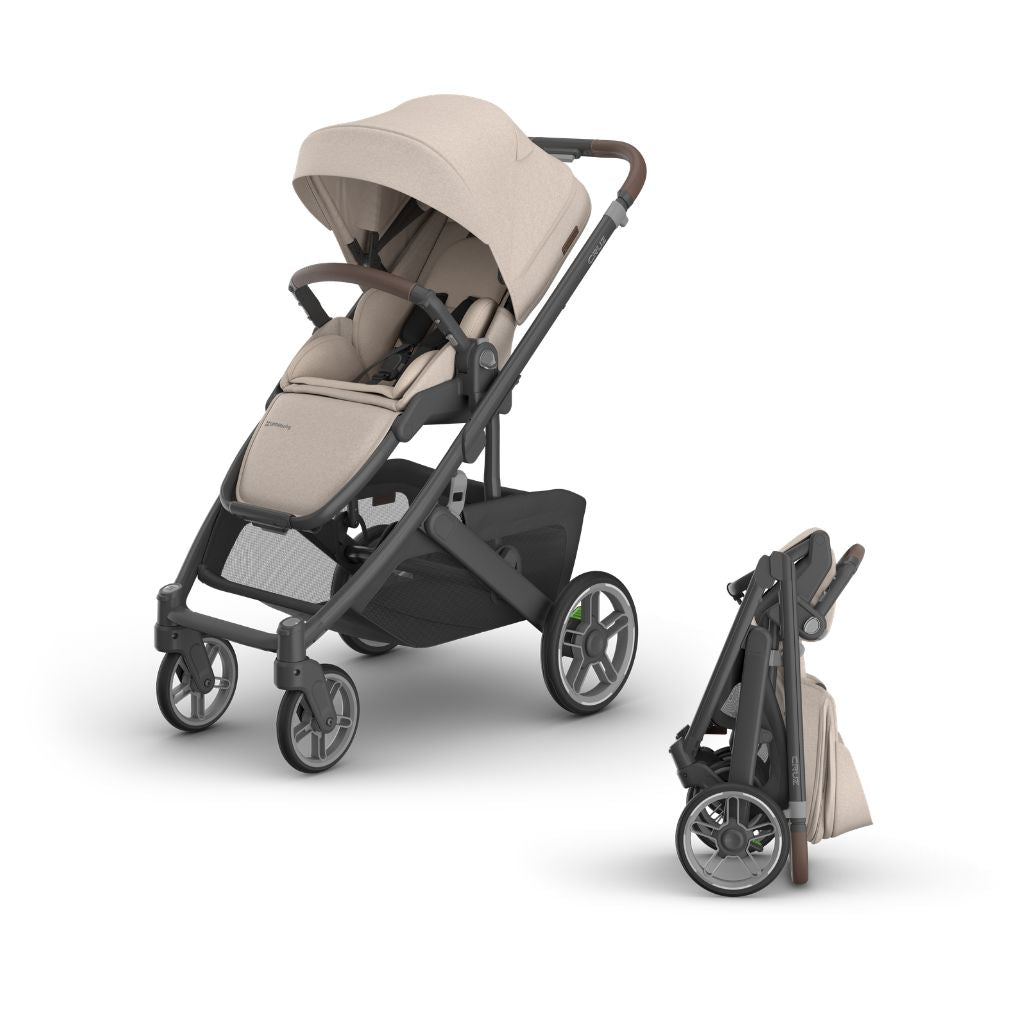
The Doona: The Lightest All-in-One Option
The Doona is built for infants who meet its height and weight limits. Its wheels extend from the base, and the handle moves into place to create a stroller. You do not need to remove the infant from the car seat during a quick trip from the vehicle to a store, clinic, or airport gate.
This design makes the Doona especially useful for:
• City families
• Frequent travelers
• Rideshare users
• Apartment living
• Short errands
• Parents who want to avoid carrying a separate stroller frame
The biggest benefit is convenience. You can move from car mode to stroller mode in seconds. That can be helpful when your baby is asleep or when you have bags in both hands.
However, the Doona is not perfect for every family. Its wheels are small, so it may feel less stable on grass, gravel, sand, or rough sidewalks. It also has no large under-seat basket because the car seat must remain compact.
The Doona is also designed for the infant stage. Once your child outgrows the car seat, you will need a different stroller. This makes it a focused tool rather than a long-term stroller investment.
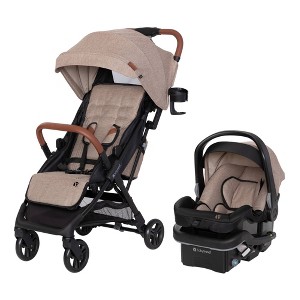
Lightest Traditional Stroller Travel Systems
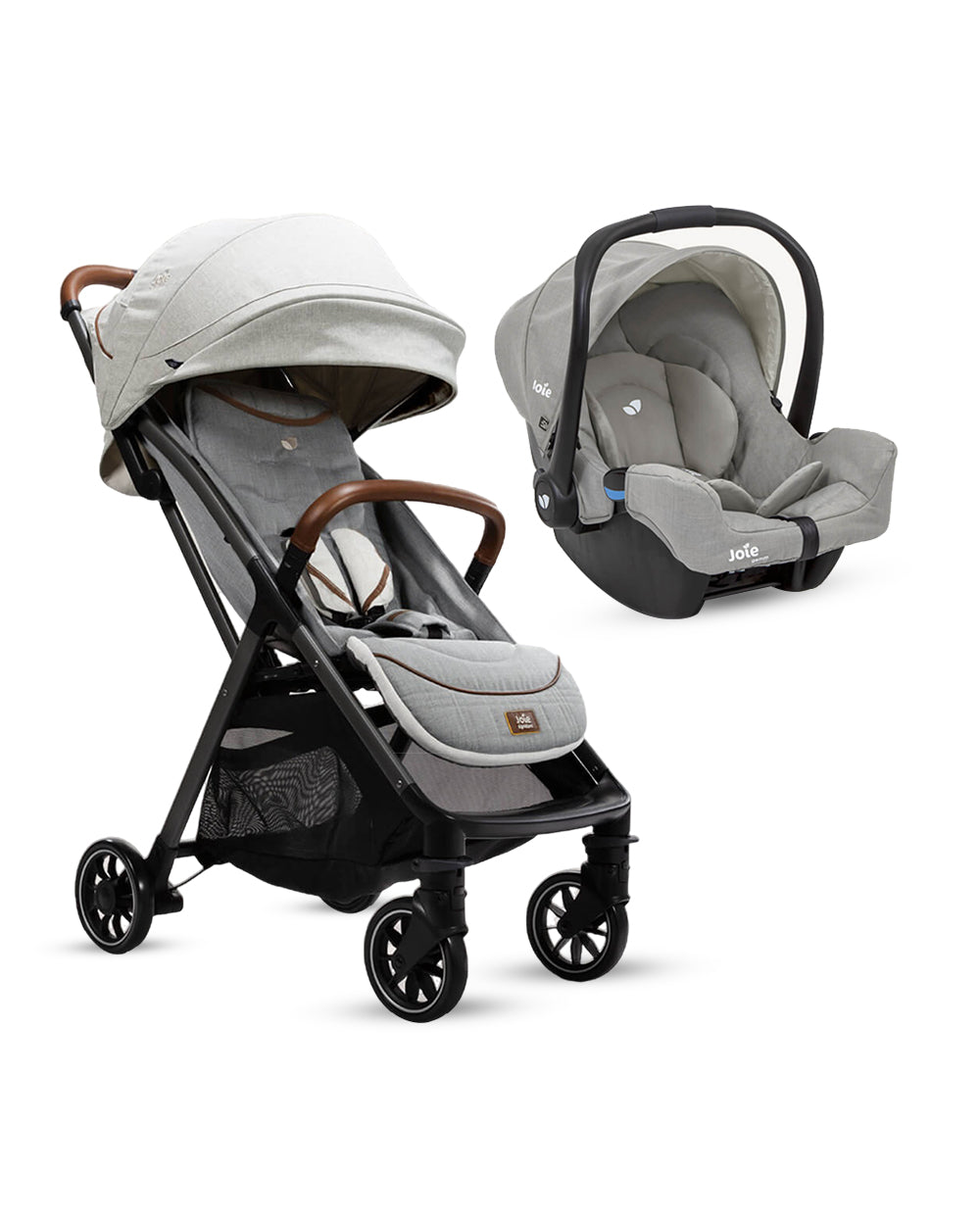
A traditional stroller travel system may be a better choice if you want one purchase to last for several years. These systems usually include an infant car seat that clicks onto a full stroller.
Popular lightweight categories include:
• Compact frame travel systems
• Modular travel systems with reversible seats
• Jogging travel systems
• Umbrella-style systems with car seat adapters
• Convertible car seat stroller combinations
A compact frame system often weighs less than a full-size modular stroller. It may have a smaller basket, fewer recline positions, and less padding. Still, it can be easier to lift into a trunk.
A modular system gives you more flexibility. The stroller seat may face you or face forward, and the infant car seat can often attach directly to the frame. The trade-off is extra weight.
Jogging travel systems are rarely the lightest stroller travel systems. They have larger wheels, suspension, and stronger frames. Those features improve outdoor handling but add bulk.
When comparing traditional systems, look at the weight of both parts. A stroller that weighs 15 pounds may seem light, but the car seat can add another 8 to 12 pounds. The combined lifting weight may exceed 23 pounds before your baby or diaper bag is added.
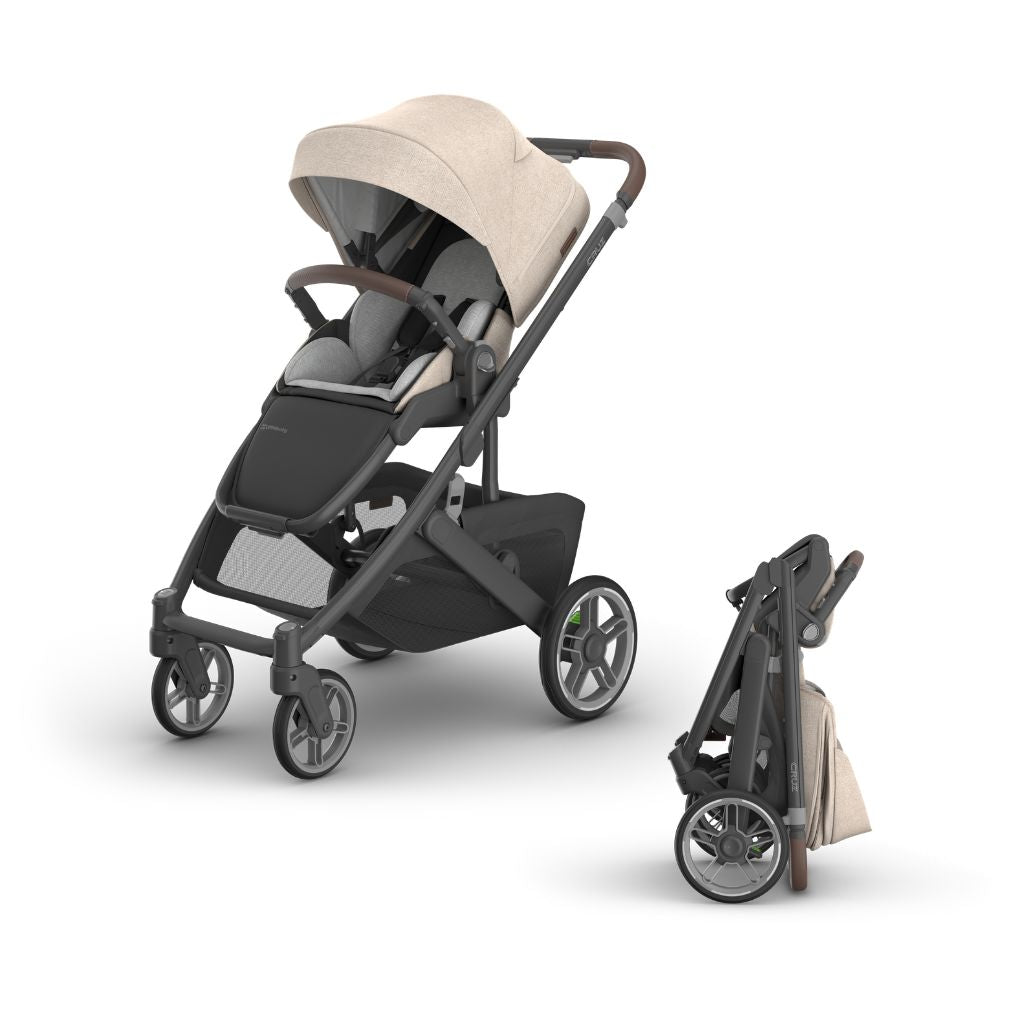
How Stroller Travel System Weight Is Measured
Manufacturers do not always report weight in the same way. One brand may list the stroller frame alone. Another may include the seat, canopy, wheels, and basket. This can make online comparisons confusing.
Check these measurements before you compare models:
• Stroller weight with the seat attached
• Infant car seat weight without the base
• Weight of the car seat base
• Weight limit for the stroller seat
• Folded size and shape
• Weight of adapters or accessories
The car seat base usually stays in the vehicle, so parents do not carry it often. Still, base weight matters if you move the seat between cars.
A simple comparison method is to calculate the everyday carry weight:
-
Add the stroller weight to the infant car seat weight.
-
Add the baby’s expected weight.
-
Add a small diaper bag or shopping items.
-
Think about whether you can lift that total with one hand.
For example, a 17 pound stroller and a 9 pound car seat create a 26 pound travel system. With a 12 pound infant and a diaper bag, the total can reach about 43 pounds. That is why a small difference in product weight can matter.

Do Lightweight Travel Systems Sacrifice Safety?
A lightweight stroller travel system is not automatically less safe. Safety depends on design, correct installation, product condition, and proper use. The National Highway Traffic Safety Administration recommends using a car seat that matches your child’s size and installing it according to the manufacturer’s instructions.
A light frame can still be strong. Many modern strollers use aluminum alloys and reinforced plastics to reduce weight. The key is not the number alone. Look for a five-point harness, a secure infant car seat connection, strong brakes, and a stable base.
Parents should also check:
• Whether the infant car seat meets current federal standards
• Whether the car seat fits the vehicle correctly
• Whether the stroller has a locking fold
• Whether the harness adjusts securely
• Whether replacement parts are available
• Whether the product has been recalled
Never use an infant car seat as a routine sleep space outside the vehicle or stroller. The American Academy of Pediatrics recommends moving a sleeping infant to a firm, flat sleep surface as soon as practical.
Safety labels and instructions matter more than online reviews. A stroller may have excellent ratings but still be a poor fit for your car, home, or child.

Benefits of the Lightest Stroller Travel System
The lightest stroller travel system can make everyday movement easier. This is especially true for parents who use stairs, public transportation, or small vehicle trunks.
Easier lifting
A lighter product is easier to lift into a car. It can also reduce strain on your back, shoulders, and wrists. This matters after childbirth, when many parents are still recovering physically.
Faster transitions
An all-in-one system can reduce the number of steps between the car and your destination. You do not need to remove a separate stroller frame from the trunk or attach an adapter.
Better for travel
A compact system takes up less room in airports, hotel rooms, and rental cars. It may also be easier to carry through narrow aisles or busy sidewalks.
Useful for small homes
Families living in apartments may not have space for a full-size stroller. A compact system can fit near an entry door or inside a small closet.
Less equipment to manage
One integrated product means fewer loose parts. That can make short trips less stressful, especially when you are carrying a baby bag, groceries, and a phone.

Limitations of the Lightest Stroller Travel System
The lightest stroller travel system may not be the best system for every situation. Low weight often comes with limits in storage, wheel size, seat size, or long-term use.
Common limitations include:
• Small storage baskets
• Small wheels
• Less suspension
• Limited use on rough ground
• A shorter product life
• Fewer seating positions
• Less room for older toddlers
The Doona, for example, works well for travel and short errands. It may feel less comfortable on uneven sidewalks than a full-size stroller with large rubber wheels.
A separate stroller system may offer better airflow, a larger canopy, and more space for snacks and toys. It may also convert into a toddler seat that lasts beyond the infant car seat stage.
This is a classic weight-versus-function trade-off. A lightweight hiking backpack is easier to carry, but it may hold less equipment. A stroller works the same way. The lightest option is convenient, but it may not provide every feature.
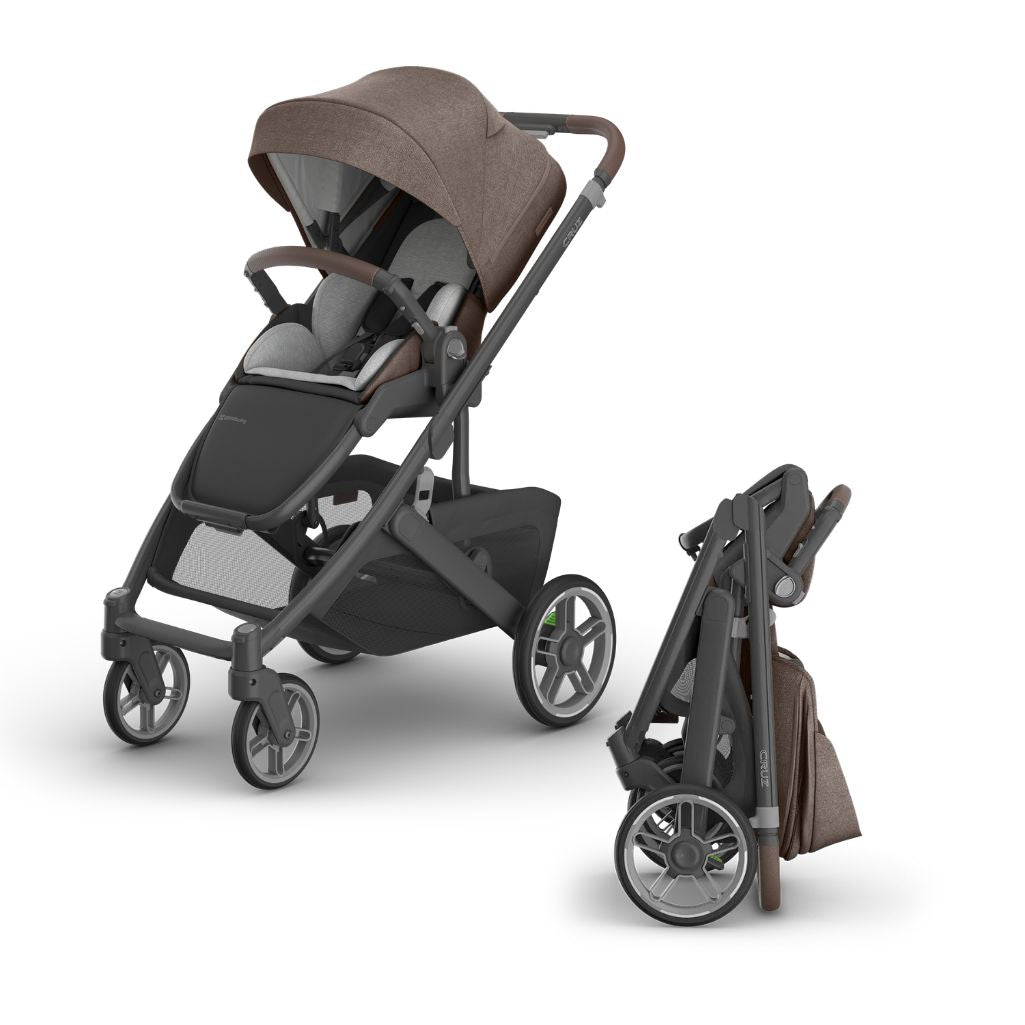
Lightest Stroller Travel System vs. Traditional Travel System
The right choice depends on how you spend your day.
Choose an all-in-one system if you:
• Take many short car trips
• Use rideshares or taxis
• Live in a small apartment
• Travel often
• Want quick car-to-stroller changes
• Prefer one compact product
Choose a traditional travel system if you:
• Take long walks
• Need a large storage basket
• Use uneven sidewalks
• Want a stroller that lasts into the toddler years
• Need a reversible seat
• Prefer stronger suspension
An all-in-one system is like a compact city car. It is easy to park and simple to use. A full-size stroller is more like a family SUV. It offers more space and comfort but takes more room and effort.
There is no single best choice for every parent. The lightest stroller travel system is only the best option when its limits match your daily routine.
What to Check Before Buying
Weight should be one part of your decision, not the only part. Use this checklist before ordering.
Measure your car
Check the width of the infant car seat and the space around the vehicle seat. Some larger systems may fit poorly beside another car seat.
Test the lift
If possible, visit a store and lift the stroller with one hand. Try placing it into a trunk. A product can feel light on paper but awkward in practice.
Check the fold
Look for a one-hand fold if you often carry your baby. Make sure the folded stroller fits your storage space.
Inspect the wheels
Small wheels are fine for smooth floors and clean sidewalks. Larger wheels are better for grass, gravel, cracked pavement, and snow.
Review the child limits
Confirm the minimum and maximum height and weight limits for both the car seat and stroller. Your child may outgrow an infant seat before the stroller frame wears out.
Check return policies
A stroller can look perfect online but feel unstable or awkward in person. A clear return policy gives you room to test it at home.
Search for recalls
Check the product model and manufacture date with the U.S. Consumer Product Safety Commission. Recalls can affect car seats, stroller frames, harnesses, and accessories.
Mistakes Parents Often Make
One common mistake is comparing stroller weight without including the car seat. This can make a travel system appear lighter than it feels in daily use.
Another mistake is choosing small wheels for a neighborhood with rough sidewalks. The stroller may work well inside a store but struggle on broken pavement.
Some parents also forget about storage. A tiny basket may be acceptable for a quick coffee run but frustrating when you need diapers, bottles, blankets, and groceries.
A further mistake is expecting an infant car seat stroller to last for many years. Most infant car seats have a limited height and weight range. Check the manufacturer’s limits before treating the product as a long-term stroller.
Finally, do not buy a used car seat unless you know its complete history. It may have been in a crash, stored in extreme heat, or passed its expiration date. Stroller parts are easier to assess, but car seat history is critical.
My Practical Take on Choosing a Lightweight System
When I compare lightweight baby gear, I focus on the moments that happen every day. Can a parent lift it after a long night? Can it fit in the trunk beside groceries? Can it roll over the sidewalks near home? These questions often matter more than a single pound on a specification sheet.
The most useful lesson is to compare the system as a parent carries it. Add the car seat, baby, diaper bag, and small items. That total gives you a more honest picture than the empty stroller weight.
I also recommend testing the brakes and fold several times. A stiff fold may become irritating after months of use. A small basket may be fine for a newborn but frustrating once your child needs snacks, cups, and extra clothes.
For most families, the Doona is a strong answer to what is the lightest stroller travel system. For families who walk often or want years of use, a slightly heavier traditional system may offer better value and comfort.
Frequently Asked Questions About What Is the Lightest Stroller Travel System
What is the lightest stroller travel system available?
The Doona is one of the lightest widely known all-in-one stroller travel systems. It weighs about 16.5 pounds before adding the baby and other items, though product specifications can change.
Is the Doona lighter than a regular travel system?
Often, yes, when comparing the complete units. A traditional travel system includes a separate stroller and infant car seat, so the combined weight is commonly higher.
Is a lightweight stroller travel system safe?
Yes, a lightweight stroller travel system can be safe when it meets federal requirements and is used correctly. Proper car seat installation, harness use, and following weight limits are essential.
Can the Doona be used with a newborn?
The Doona is designed for infants who meet its stated size and weight requirements. Newborn positioning should follow the product manual, including all required inserts and harness adjustments.
Is the lightest stroller travel system good for travel?
An all-in-one system can be excellent for airports, taxis, rideshares, and small hotel rooms. However, small wheels may not perform as well on gravel, grass, sand, or rough roads.
Does a lightweight stroller last as long as a full-size stroller?
Not always. Many lightweight infant systems focus on the first stage of a child’s life, while full-size travel systems may convert into toddler strollers.
Should I choose the lightest stroller travel system for daily use?
Choose it if quick trips, easy lifting, and compact storage are your main needs. If you take long walks or need lots of storage, a slightly heavier stroller may serve you better.
Conclusion
The Doona is often the best answer to what is the lightest stroller travel system because it combines an infant car seat and stroller in one compact product. Its main strengths are low weight, fast transitions, and easy travel. Its main limits are small wheels, limited storage, and a shorter use period.
A traditional travel system may weigh more, but it can provide better suspension, more storage, and longer toddler use. Compare the full carrying weight, not just the stroller frame. Check safety features, vehicle fit, child limits, wheels, fold size, and return policies before you buy.
Choose the system that fits your real routine. Measure your trunk, test the lift, and think about your roads and daily trips. Explore current product specifications and safety guidance, then share your own stroller experience or questions in the comments.