
Most babies get cradle cap in the first weeks or months of life, often before they are three months old.
Parents often wonder when do babies get cradle cap because the yellow, flaky scales can appear suddenly. This common form of infant seborrheic dermatitis is usually harmless, temporary, and not caused by poor hygiene. This guide explains when it starts, why it happens, how to care for your baby’s scalp, and when to call a pediatrician.
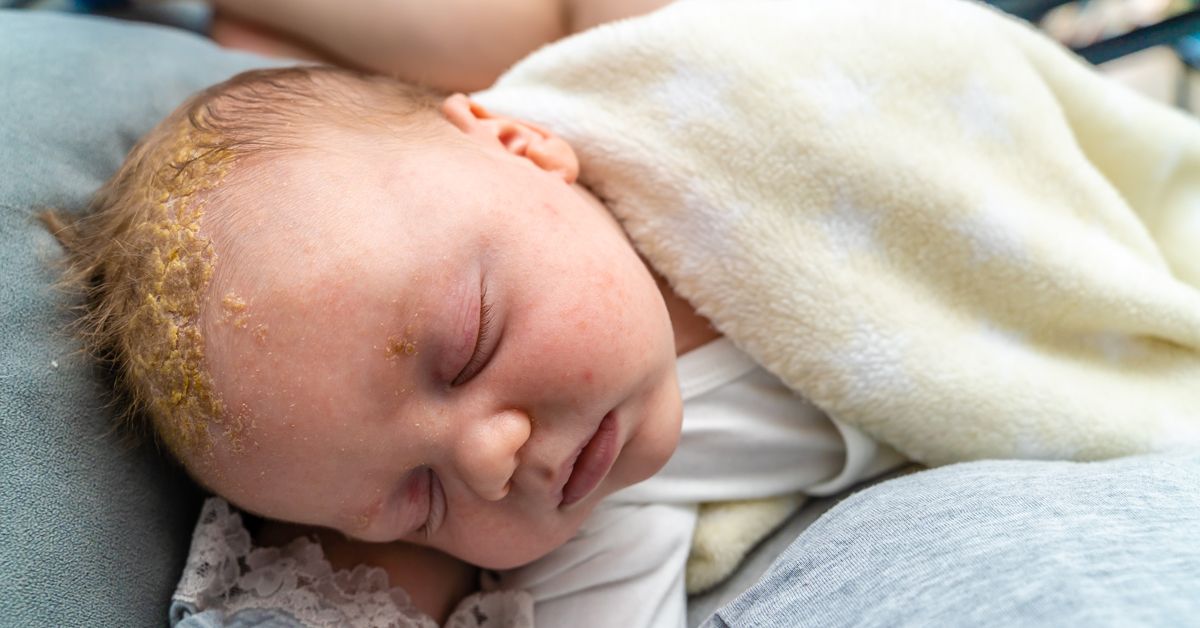
When do babies get cradle cap?
Most babies develop cradle cap between birth and 3 months of age. It may appear during the first few weeks, or parents may notice it closer to 6 months.
The condition often becomes most noticeable around 2 to 3 months. For many babies, it fades by 6 to 12 months. Some children may have mild flakes for longer, but this is usually not a concern if the skin looks calm and the baby seems comfortable.
When do babies get cradle cap can vary from child to child. A baby may have thick scales early, while another may have only a few dry flakes near the hairline.
Cradle cap may appear on:
• The top of the scalp
• The soft spot area
• The forehead and hairline
• Behind the ears
• The eyebrows
• The sides of the nose
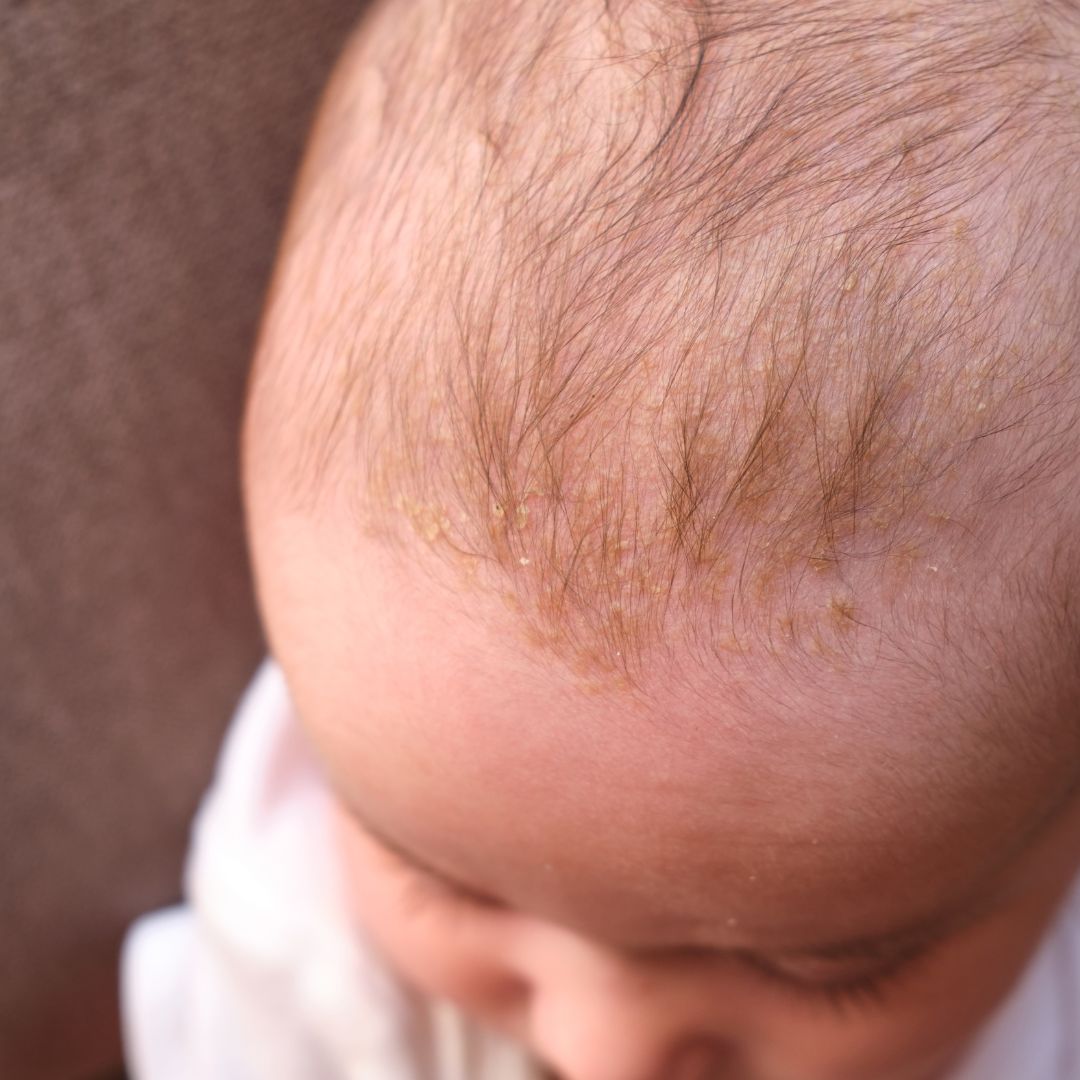
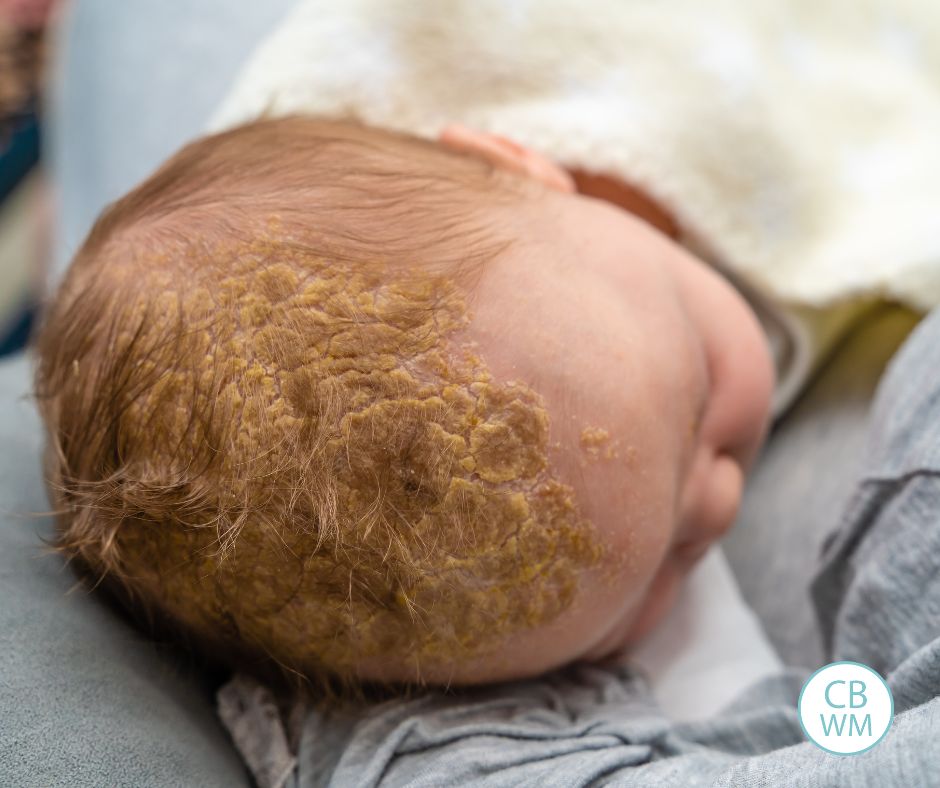
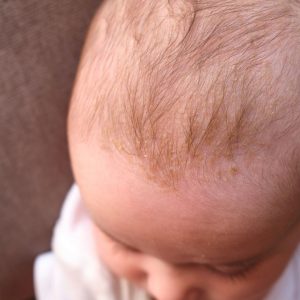
The scales may look white, yellow, or light brown. They can feel greasy or waxy rather than dry. Cradle cap usually does not cause pain or severe itching.
What causes cradle cap in babies?
Cradle cap is linked to seborrheic dermatitis, a common skin condition that affects areas with many oil glands. These glands make sebum, a natural oil that protects the skin.
In young babies, oil glands can stay active because of hormones passed from the mother during pregnancy. This extra oil may cause skin cells to stick together instead of shedding normally. The result is a patch of thick, flaky skin.
A type of yeast that normally lives on the skin may also play a role. This yeast is called Malassezia. It does not mean your baby has an infection or poor hygiene.
Experts do not fully understand every cause of cradle cap. Still, the condition is not usually caused by:
• A food allergy
• Shampooing too often
• Shampooing too rarely
• A dirty scalp
• Poor parenting
• A contagious germ
When do babies get cradle cap may depend partly on their skin type, oil production, and family tendency toward eczema or seborrheic skin problems. More research is needed to explain why some babies develop thick scales while others do not.

What does cradle cap look like?
Cradle cap often begins as small flakes on the scalp. Over time, these flakes may join to form patches.
Common signs include:
• Yellow or white scales
• Greasy or waxy patches
• Mild redness under the flakes
• Dry skin near the hairline
• Flakes on the eyebrows or behind the ears
• Small areas that come and go
Cradle cap usually stays on the surface of the skin. Your baby may remain happy, feed well, and sleep normally.
It can look similar to eczema, psoriasis, a fungal infection, or an allergic rash. These conditions need different care. If the skin is very red, swollen, cracked, wet, or bleeding, ask your baby’s health care professional for advice.
A useful rule is to look at your baby, not only the flakes. A calm baby with mild scalp scales often needs simple home care. A baby with pain, strong itching, or spreading redness needs a closer medical review.
How to care for cradle cap at home
Mild cradle cap often improves with gentle care. The goal is to soften the scales and let them loosen over time. Do not try to remove every flake in one session.
Try these steps:
Place a small amount of plain mineral oil or petroleum jelly on the scalp.
Leave it on for a short time to soften the scales.
Gently massage the area with clean fingertips.
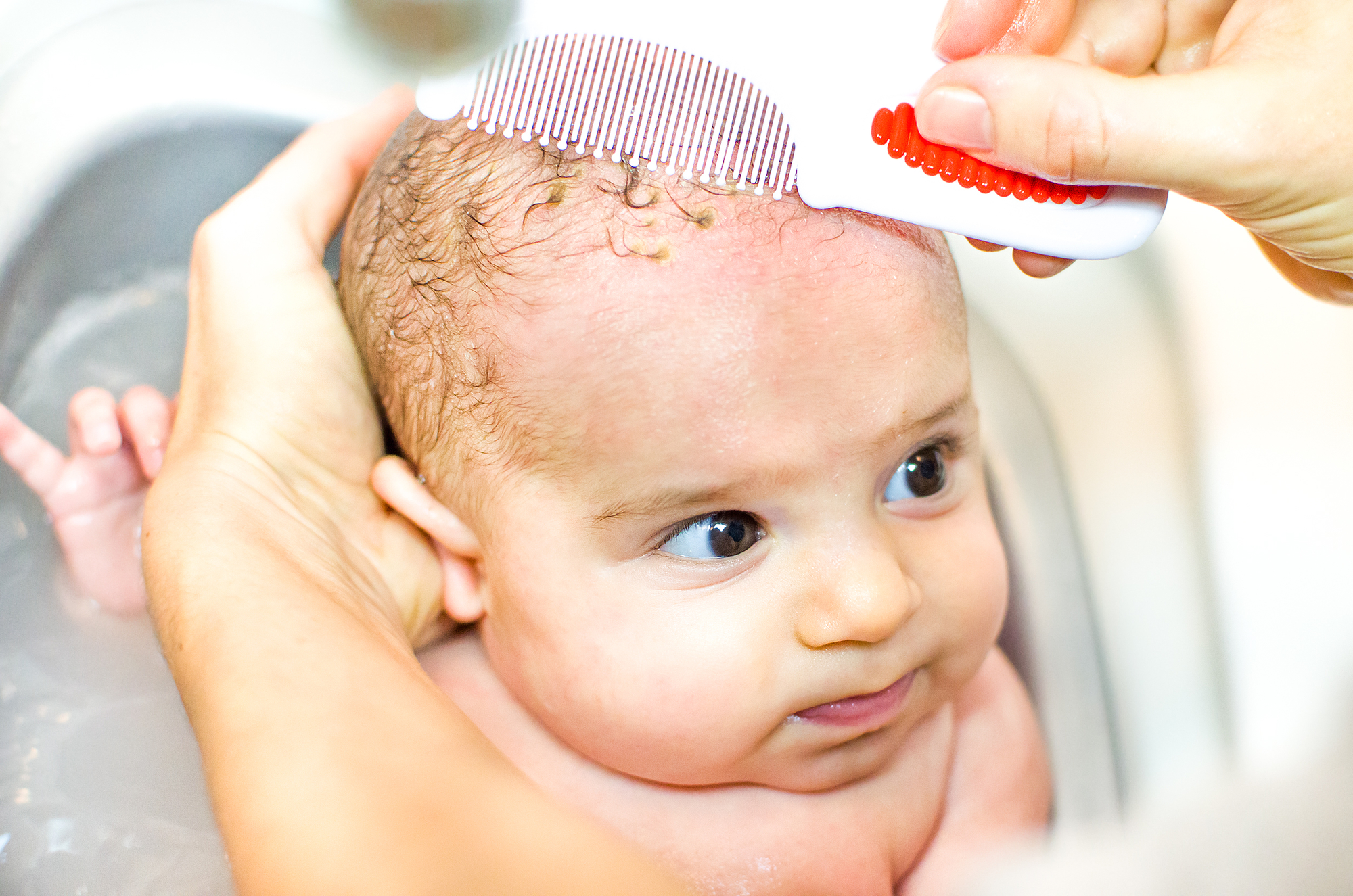
Use a soft baby brush to loosen loose flakes.
Wash the scalp with a mild, fragrance-free baby shampoo.
Rinse well and pat the scalp dry.
Never scratch, pick, or pull off attached scales. This can create tiny cuts and raise the risk of infection.
Avoid adult dandruff shampoo unless a pediatrician recommends it. Some products contain ingredients that may irritate a baby’s skin. Essential oils, strong fragrances, baking soda, and homemade acidic treatments can also cause irritation.
When do babies get cradle cap matters less than how you respond to it. Gentle, steady care is safer than trying to make the scalp perfectly clear right away.

How often should you wash a baby’s scalp?
Many babies do well with scalp washing two or three times each week. Use lukewarm water and a mild, fragrance-free shampoo.
If the scalp becomes oily or the scales build up, your pediatrician may suggest more frequent washing for a short time. On the other hand, vigorous scrubbing or very hot water can dry and irritate the skin.
Use only a small amount of shampoo. Keep it away from the baby’s eyes, and rinse the scalp carefully.
A common mistake is brushing too hard after applying oil. The flakes should loosen slowly. If a scale does not lift with gentle pressure, leave it alone and try again another day.
The same approach helps whether when do babies get cradle cap is at 2 weeks, 2 months, or 6 months. Patience protects the delicate scalp.
When should you call the pediatrician?
Cradle cap is usually mild, but some signs suggest that your baby needs professional care. Contact a pediatrician if:
• The rash spreads quickly
• The skin is very red or swollen
• The scalp bleeds, cracks, or produces fluid
• You notice pus, a bad smell, or honey-colored crusts
• Your baby seems to have pain or intense itching
• Your baby has a fever or seems unwell
• Hair loss occurs in round patches
• The rash affects large areas of the body
• Home care does not help after a few weeks
A doctor may check for eczema, psoriasis, an infection, or another skin condition. In some cases, a clinician may recommend a medicated shampoo or a short course of a topical treatment.
Do not use prescription creams, antifungal products, or steroid medicine on your baby without medical advice. Even common skin medicines may not be suitable for infants or for use on the scalp.

Can cradle cap be prevented?
There is no guaranteed way to prevent cradle cap. It is related to normal infant skin changes, so it can appear even when you care for your baby’s scalp perfectly.
You can reduce irritation by:
• Washing the scalp gently
• Using fragrance-free products
• Rinsing shampoo well
• Avoiding tight hats for long periods
• Keeping the scalp cool and dry
• Not picking at flakes
You do not need to wash your baby’s hair every day unless a health professional tells you to do so. Too much washing can make the skin dry, while too little washing may allow oil and scales to build up.
When do babies get cradle cap is not a reflection of a parent’s routine. Some babies simply have more active oil glands during early development.
Is cradle cap linked to allergies or eczema?
Cradle cap is not usually caused by a food allergy. It also does not mean your baby has an allergy to breast milk, formula, shampoo, or laundry detergent.
However, babies with a family history of eczema may develop different types of dry or inflamed skin. Eczema often causes stronger itching, dry red patches, and irritation on the cheeks, arms, legs, or body.
Cradle cap may also overlap with eczema. This is one reason a medical examination can help when the rash is severe or does not improve.
Parents sometimes change a baby’s formula or remove foods from their own diet without medical guidance. That step is usually not needed for simple cradle cap and may create nutrition problems.
What parents often get wrong about cradle cap
Cradle cap can be stressful because it is visible. Yet several common responses can make the scalp worse.
Avoid these mistakes:
• Picking at thick scales
• Scrubbing with a rough towel
• Using adult dandruff products
• Applying essential oils
• Leaving heavy oil on the scalp for many hours
• Covering the scalp with a tight hat
• Blaming yourself for the condition
Oil can help soften scales, but it should be washed out. Leaving oil on the scalp for too long may worsen buildup in some babies.
A practical lesson many parents learn is that less is often more. Gentle washing, light brushing, and time usually work better than strong products or forceful treatment.
When do babies get cradle cap can feel urgent, but the condition rarely needs an emergency solution. Focus on comfort and healthy skin rather than instant results.
How long does cradle cap last?
Cradle cap often improves within a few weeks or months. Many babies have clear or nearly clear skin by their first birthday.
The timeline may look like this:
• Birth to 3 months: Cradle cap commonly begins.
• Around 3 to 6 months: Scales may improve with gentle care.
• Around 6 to 12 months: Many cases fade or disappear.
• After 12 months: Persistent or severe symptoms deserve medical advice.
Some babies have flare-ups during cold, dry weather. Others may develop mild flakes again during toddlerhood. A return of symptoms does not always mean the original treatment failed.
When do babies get cradle cap and when it goes away both vary widely. The condition may improve in stages rather than disappearing overnight.
Frequently Asked Questions About When Do Babies Get Cradle Cap
When do babies get cradle cap most often?
Babies most often get cradle cap during the first 3 months of life. It can begin in the first weeks after birth and may continue for several months.
Can newborns get cradle cap?
Yes, newborns can get cradle cap, although it may be easier to notice after the first few weeks. Mild flakes on the scalp are common and usually do not harm the baby.
Is cradle cap itchy for babies?
Cradle cap is usually not very itchy. If your baby scratches often or seems uncomfortable, the rash may be eczema or another condition that needs medical advice.
Should I remove cradle cap scales?
You can gently loosen loose scales after softening them with a small amount of suitable oil or petroleum jelly. Never pick or pull attached scales because this can injure the skin.
Does cradle cap mean my baby is sick?
No, cradle cap usually does not mean your baby is sick. It is a common skin condition linked to oil glands and early skin development.
Can cradle cap cause hair loss?
Small amounts of hair may come away with loose flakes, but permanent hair loss is not expected. Round bald patches, broken hairs, or a very inflamed scalp should be checked by a pediatrician.
When should I seek medical help for cradle cap?
Call a health care professional if the scalp bleeds, oozes, swells, smells bad, spreads quickly, or causes strong discomfort. You should also seek advice if gentle home care does not improve the condition.
Conclusion
Most babies get cradle cap in the first weeks or months of life, with symptoms often peaking around 2 to 3 months. The condition is usually harmless and fades as oil production and skin development change.
Use gentle shampoo, soften scales before brushing, and avoid picking or harsh products. Remember that when do babies get cradle cap has a different answer for every child, so a gradual course is normal.
If the scalp looks infected or your baby seems uncomfortable, contact a pediatrician. For more practical baby skin guidance, explore trusted pediatric resources and share your questions with your child’s health care team.