
Most babies transition to one nap between 12 and 18 months, often near 15 months.
Knowing when do babies transition to one nap can make daily sleep feel much less confusing. Most toddlers need time to adjust, and the right timing depends on their sleep needs, mood, development, and night sleep. This guide explains the signs, the best way to make the change, common mistakes, and what to do when naps become hard.
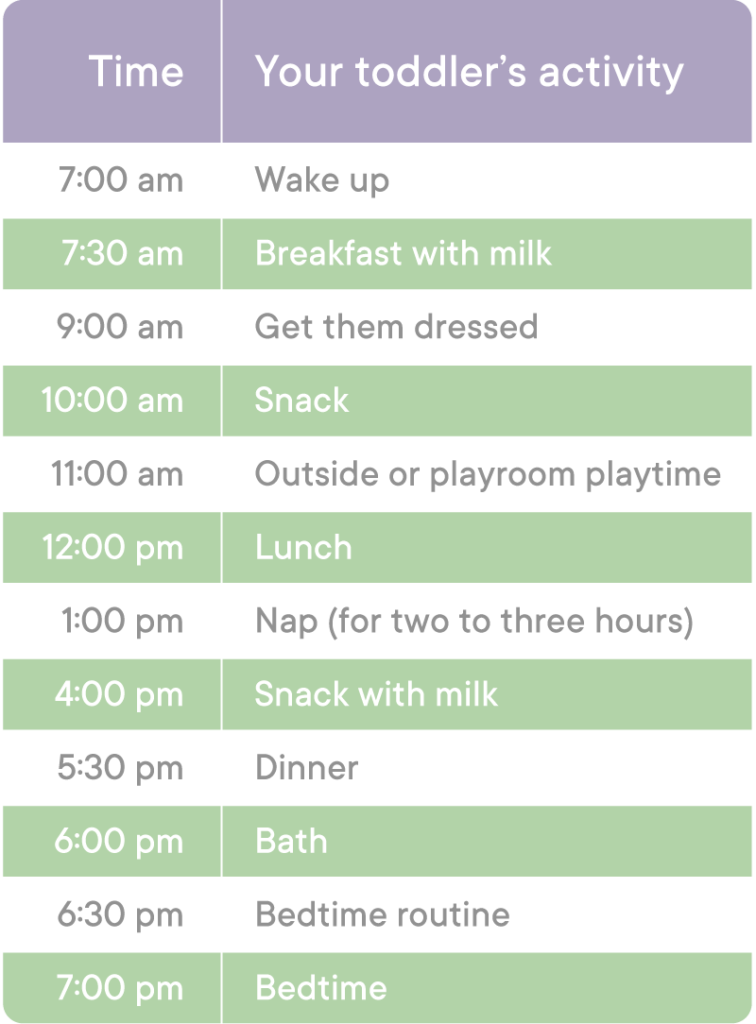
When do babies transition to one nap?
Most babies transition to one nap between 12 and 18 months. Some children are ready closer to 12 months, while others still need two naps until 18 months or a little later.
The change usually happens when a baby can no longer sleep well during one of the daytime naps. The morning nap may become shorter, or the afternoon nap may start too late and affect bedtime. This shift is not a race. A baby who still sleeps well with two naps may not be ready to drop one.
A typical one nap schedule looks like this:
• Wake-up: 6:30 or 7:00 a.m.
• One nap: 12:00 to 2:00 p.m.
• Bedtime: 7:00 or 7:30 p.m.
This schedule is only an example. Some toddlers nap from 11:30 a.m. to 1:30 p.m., while others do better with a nap closer to 1:00 p.m.
The American Academy of Pediatrics notes that sleep needs vary by age and child. Toddlers ages 1 to 2 generally need 11 to 14 hours of sleep in 24 hours, including naps. This total matters more than following a strict clock.
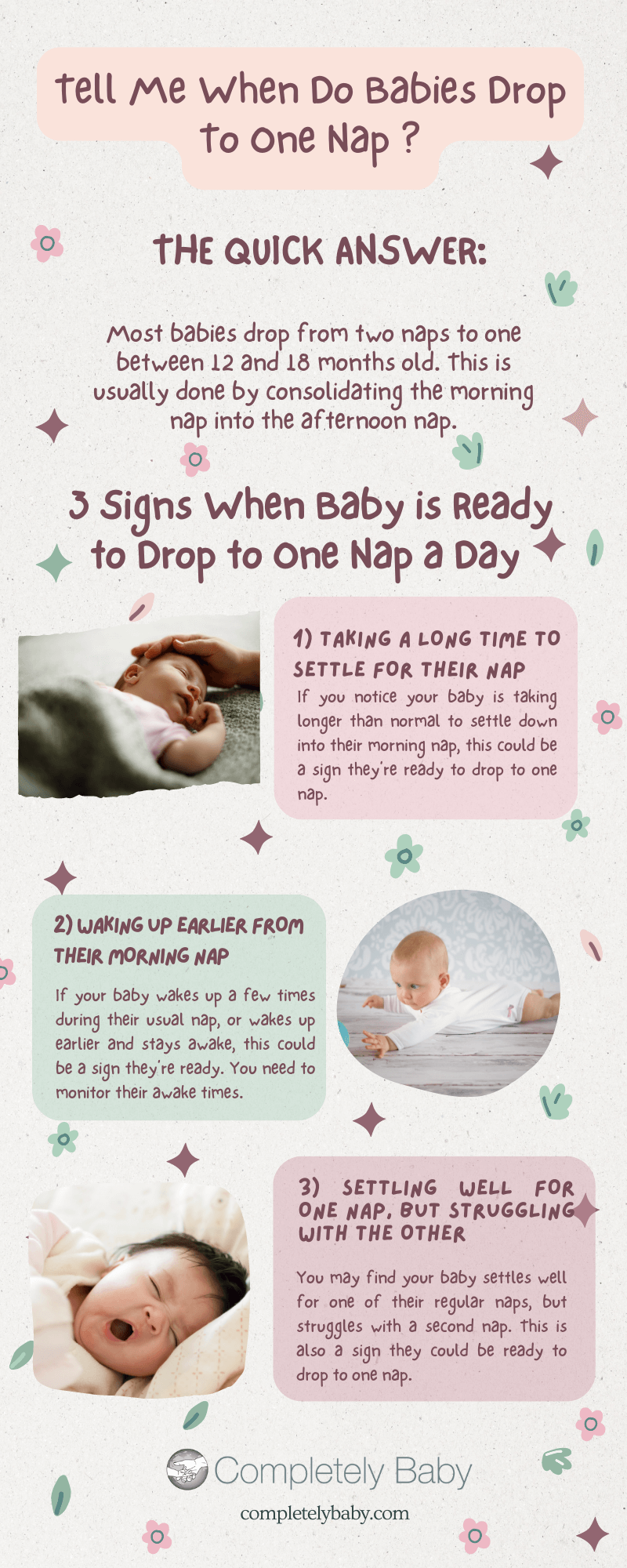
Signs your baby is ready for one nap
Knowing when do babies transition to one nap starts with watching behavior. A single difficult nap does not always mean your baby is ready. Look for a pattern that continues for at least one to two weeks.
Common signs include:
• Your baby refuses the morning nap several days in a row.
• The first nap starts later and later, even when you offer it at the usual time.
• Your baby takes a long time to fall asleep for the afternoon nap.
• The second nap pushes bedtime too late.
• Your baby wakes happy after skipping one nap.
• Your baby sleeps well at night but cannot fit two naps into the day.
• Your baby can stay awake for about five hours without becoming very upset.
• Your baby takes one long nap when given the chance.
A ready toddler often seems comfortable with a longer morning wake period. They may stay cheerful through lunch instead of becoming tired soon after breakfast.
Still, signs can be misleading. Teething, travel, illness, a growth spurt, or a new skill can disrupt naps for a short time. Before changing the schedule, check whether the problem is temporary.
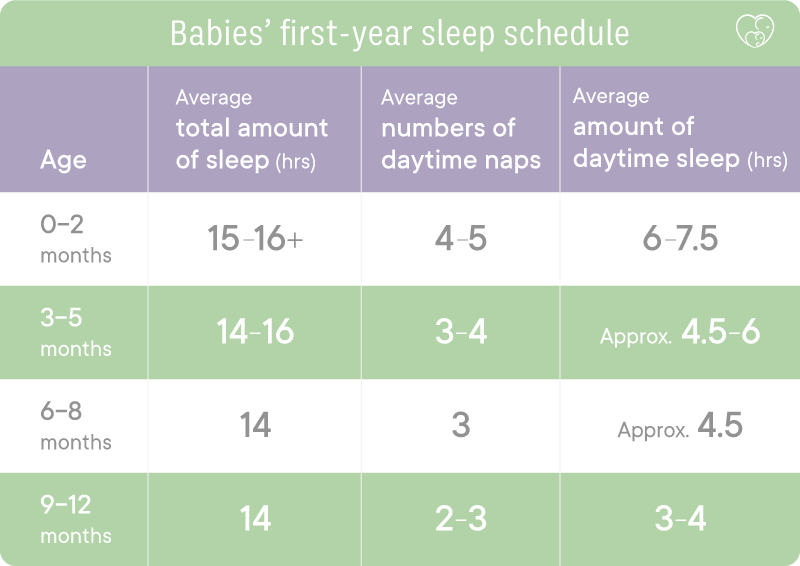
Why the transition can be difficult
The move from two naps to one nap changes the whole rhythm of the day. Your baby must stay awake longer in the morning, then sleep for a longer stretch after lunch.
That longer wake period can cause overtiredness. An overtired child may cry, resist sleep, wake early, or have a hard time settling at night. This can make parents think the one nap schedule is failing when the real issue is that the change happened too quickly.
Many families also face a timing problem. If the nap starts too early, the child may become tired again before bedtime. If it starts too late, the child may become overtired before lunch. The goal is to find the middle point.
In my experience helping families think through sleep changes, the most common mistake is treating the transition like a switch. Sleep often works more like a dimmer than a light. You adjust it slowly until the child’s body catches up.

How to transition from two naps to one
When do babies transition to one nap successfully? Usually, the change works best when parents move the morning nap later in small steps.
Try this process:
Start by moving the morning nap 15 to 30 minutes later every few days.
Aim for a nap close to 11:30 a.m. or noon.
Keep the room dark, quiet, and cool for the main nap.
Offer an early bedtime while your child adjusts.
Use a short second nap only when your child truly needs it.
Move the nap toward 12:30 or 1:00 p.m. as your child grows comfortable.
For example, a baby who naps at 9:30 a.m. may move to 10:00 a.m., then 10:30 a.m., and later 11:00 a.m. The goal is to protect a longer midday nap rather than remove sleep all at once.
During the first few weeks, use a flexible schedule. Your child may need one nap on some days and two naps on others. This is normal, especially during the early stage of the transition.
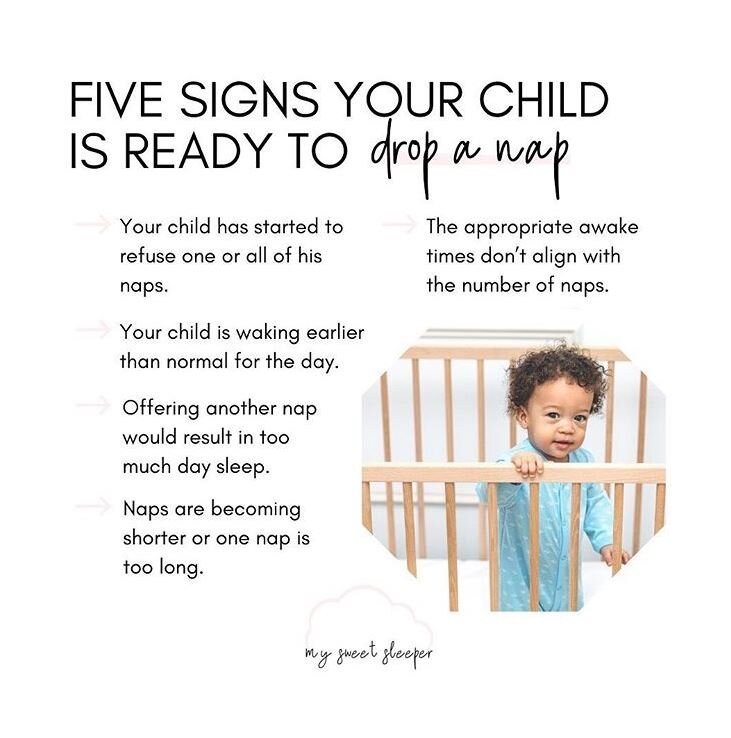
A sample one nap schedule
A sample schedule can help you understand the timing, but it should not replace your child’s sleep cues.
Sample schedule for a 12 to 15 month old
• 7:00 a.m.: Wake-up
• 11:45 a.m.: Lunch
• 12:15 p.m.: Nap
• 2:15 p.m.: Wake-up
• 6:45 p.m.: Bedtime
Sample schedule for a 15 to 18 month old
• 6:30 a.m.: Wake-up
• 12:00 p.m.: Lunch
• 12:30 p.m.: Nap
• 2:30 p.m.: Wake-up
• 7:00 p.m.: Bedtime
Some children need a nap that lasts 90 minutes. Others sleep for two or three hours. A nap shorter than one hour may not provide enough rest during the transition.
If the nap ends early, offer an earlier bedtime. A bedtime that is 30 to 60 minutes earlier can prevent the child from becoming overtired.

How long should a one nap last?
Many toddlers take a one nap lasting about 1.5 to 2.5 hours. However, normal nap length can vary from day to day.
A nap of 90 minutes may be enough if your child sleeps well at night and wakes in a good mood. A longer nap may be helpful if your child has had a poor night or is adjusting to a new schedule.
Watch the full 24-hour sleep pattern. If a long nap causes bedtime battles or early morning waking, gently limit the nap or move it earlier. If a short nap leads to evening meltdowns, an earlier bedtime may work better than forcing a longer nap.
When do babies transition to one nap with no trouble? Often, they already have strong night sleep and can take a solid midday nap. A child who wakes often at night may need help with night sleep before dropping the second nap.

What to do during the transition period
The transition period may last two to eight weeks. Some children adjust quickly, while others need a longer bridge between schedules.
Use these practical strategies:
• Offer a quiet morning with books, floor play, or a stroller walk.
• Serve lunch a little earlier if your child becomes tired before noon.
• Keep the pre-nap routine short and predictable.
• Use blackout curtains if sunlight causes early waking.
• Keep bedtime calm and consistent.
• Offer a brief rescue nap when your child cannot make it to the main nap.
A rescue nap can last 10 to 20 minutes in the car or stroller. Keep it short so it does not replace the main nap or delay bedtime.
I have seen parents worry when their toddler needs a second nap after several one-nap days. That does not mean they have gone backward. Sleep needs can change with activity, illness, travel, and growth. Flexibility is often more helpful than strict rules.

When do babies transition to one nap too early?
A baby may be transitioning too early if they become very upset each morning, take a short midday nap, or wake more often at night. Other signs include early morning waking, frequent bedtime battles, and strong afternoon crankiness.
A child who is not ready may sleep well after a morning nap but struggle when that nap is removed. They may also fall asleep during meals, in the car, or during quiet play.
If this happens, return to two naps for several days. Then try again later by slowly shortening the morning nap instead of removing it at once.
Most babies transition to one nap when they can handle a longer wake period without losing sleep quality. Pushing the change before that point can create sleep debt. Sleep debt is the buildup of missed sleep, and it can make both naps and nighttime sleep harder.

When do babies transition to one nap too late?
A child may be ready to drop a nap even if they are still young. If the morning nap is pushing the afternoon nap too late, bedtime may become difficult.
You may notice these signs:
• Your baby takes a long time to fall asleep for the second nap.
• The second nap ends close to bedtime.
• Your baby refuses bedtime but seems rested.
• Your baby sleeps well on days when the first nap is skipped.
• The two-nap schedule creates a very late bedtime.
In this case, delay the first nap rather than cutting it out suddenly. A later first nap can naturally turn into the main midday nap.
The answer to when do babies transition to one nap is not based on age alone. A child’s nap quality, night sleep, mood, and ability to stay awake all matter.
Common mistakes to avoid
The transition can be smoother when you avoid a few common errors.
• Dropping the first nap overnight: Sudden changes can lead to overtiredness.
• Keeping bedtime unchanged: A child may need an earlier bedtime during the first weeks.
• Using a late afternoon nap every day: Long late naps can make bedtime harder.
• Expecting a two-hour nap immediately: Some children need time to build a longer nap.
• Changing the schedule every day: Frequent changes can confuse your child’s body clock.
• Ignoring illness or teething: Temporary sleep problems may not mean the schedule needs to change.
• Comparing siblings: Children in the same family can have very different sleep needs.
One mistake I often see is focusing on the clock while ignoring the child. A schedule is a useful map, but your baby’s behavior tells you where you are on the journey.
How meals and activities support one nap
Food and activity can help your child manage the longer morning wake period. Offer breakfast soon after waking, then provide a filling lunch before the main nap.
A simple meal pattern may include:
• Breakfast after waking
• A morning snack
• Lunch before the nap
• An afternoon snack after waking
• Dinner in the early evening
Include foods with protein, healthy fats, whole grains, fruits, and vegetables. Avoid using food as a sleep treatment, and speak with your child’s pediatrician if you have feeding concerns.
Outdoor play can also help. Natural light and movement support a regular body clock. Keep the final hour before bed quieter so your child can slow down.
A calm routine might include a diaper change, pajamas, two books, a song, and a short cuddle. Repeating the same steps gives your child a clear signal that sleep is coming.
How nighttime sleep affects the nap transition
Night sleep is a major part of the answer to when do babies transition to one nap. A toddler who sleeps 10 to 12 hours at night may be ready for one daytime nap. A toddler who wakes often may not be ready, even if naps look difficult.
Check for common night sleep problems:
• Bedtime is too late.
• The bedroom is bright or noisy.
• Your child relies on a sleep habit that no longer works.
• Hunger, illness, reflux, eczema, or pain disrupts sleep.
• The nap schedule is causing too much or too little daytime sleep.
Toddlers should sleep in a safe space with a firm, flat sleep surface and no loose bedding or soft objects that could create risk. Follow current safe sleep advice and ask a pediatrician about any breathing, snoring, or unusual waking concerns.
When to call your pediatrician
Most nap changes are normal. Still, speak with your child’s pediatrician if sleep problems are severe, persistent, or linked with other symptoms.
Ask for medical guidance if your child:
• Snores loudly or pauses during sleep
• Gasps, struggles to breathe, or sweats heavily at night
• Seems unusually sleepy during the day
• Has poor weight gain or feeding problems
• Wakes in pain or cries for long periods
• Has a sudden and lasting change in sleep
A pediatrician can check for health issues that may look like a nap problem. Sleep advice is helpful, but it cannot replace medical care when symptoms suggest illness.
Frequently Asked Questions
When do babies transition to one nap?
Most babies transition to one nap between 12 and 18 months, with many making the change around 15 months. Some children are ready earlier, while others need two naps until closer to 18 months.
How do I know my baby is ready for one nap?
Your baby may be ready when they regularly refuse one nap, sleep well at night, and stay happy during a longer morning wake period. Look for a pattern lasting at least one to two weeks.
What time should the one nap start?
Many toddlers do well with a nap between noon and 1:00 p.m. Move the nap later slowly, beginning with 15 to 30 minute changes every few days.
Should I use an early bedtime during the transition?
Yes, an early bedtime can help prevent overtiredness when the nap is short or ends early. Moving bedtime 30 to 60 minutes earlier for a few days is often useful.
Can my baby have two naps on some days?
Yes. A flexible mix of one and two naps is common during the transition. Use a second short nap when your child is clearly too tired to reach bedtime.
How long does the transition to one nap take?
Many children adjust within two to eight weeks. The process may take longer when your child is teething, sick, traveling, or experiencing another major change.
What if my baby refuses the one nap?
Return to two naps for a few days and try again later. You can also move the morning nap later in small steps instead of dropping it suddenly.
Conclusion
Most babies transition to one nap between 12 and 18 months, but readiness matters more than age. Look for steady signs such as nap refusal, a strong midday nap, good night sleep, and the ability to stay awake longer without becoming overtired.
Make the change slowly, protect nighttime sleep, and use an early bedtime when needed. A flexible plan can help your child adjust without unnecessary stress. Watch your baby, trust consistent patterns, and speak with a pediatrician when sleep problems include health concerns.
Try small schedule changes for several days, then adjust based on your child’s mood and sleep. For more practical toddler sleep guidance, explore trusted pediatric resources and share your experience with other parents.