
Pick a stroller by matching your child’s age, your daily routes, your car, and your budget.
Learning how to pick the right stroller is less about finding the most popular model and more about matching real life to the right design. After comparing stroller types, safety features, folds, wheels, and comfort needs, you can avoid costly mistakes and choose a stroller that works from the first walk to the toddler years.

Start With Your Daily Routine
The best way to learn how to pick the right stroller is to picture a normal day. Think about where you walk, how you travel, and how often you must lift or fold the stroller.
A stroller for smooth sidewalks may fail on gravel paths. A large jogging stroller may feel safe outdoors but be awkward on a crowded bus. Your routine matters more than a long list of luxury features.
Ask yourself these questions:
• Will you use the stroller inside stores, on sidewalks, or on trails?
• Do you use a car every day?
• Do you live in a home with stairs?
• Will you carry the stroller often?
• Do you need space for groceries or a diaper bag?
• Will more than one child use it?
• Do you plan to use public transit or air travel?
Your answers help narrow the choice. For example, a city parent may value a compact fold and small turning circle. A suburban parent may prefer a larger basket, bigger wheels, and stronger suspension.
I often compare a stroller to a pair of shoes. A hiking boot is not the best choice for a formal dinner, and a lightweight travel stroller is not ideal for rough trails. The right stroller should fit your life without making each outing harder.
Choose the Right Stroller Type
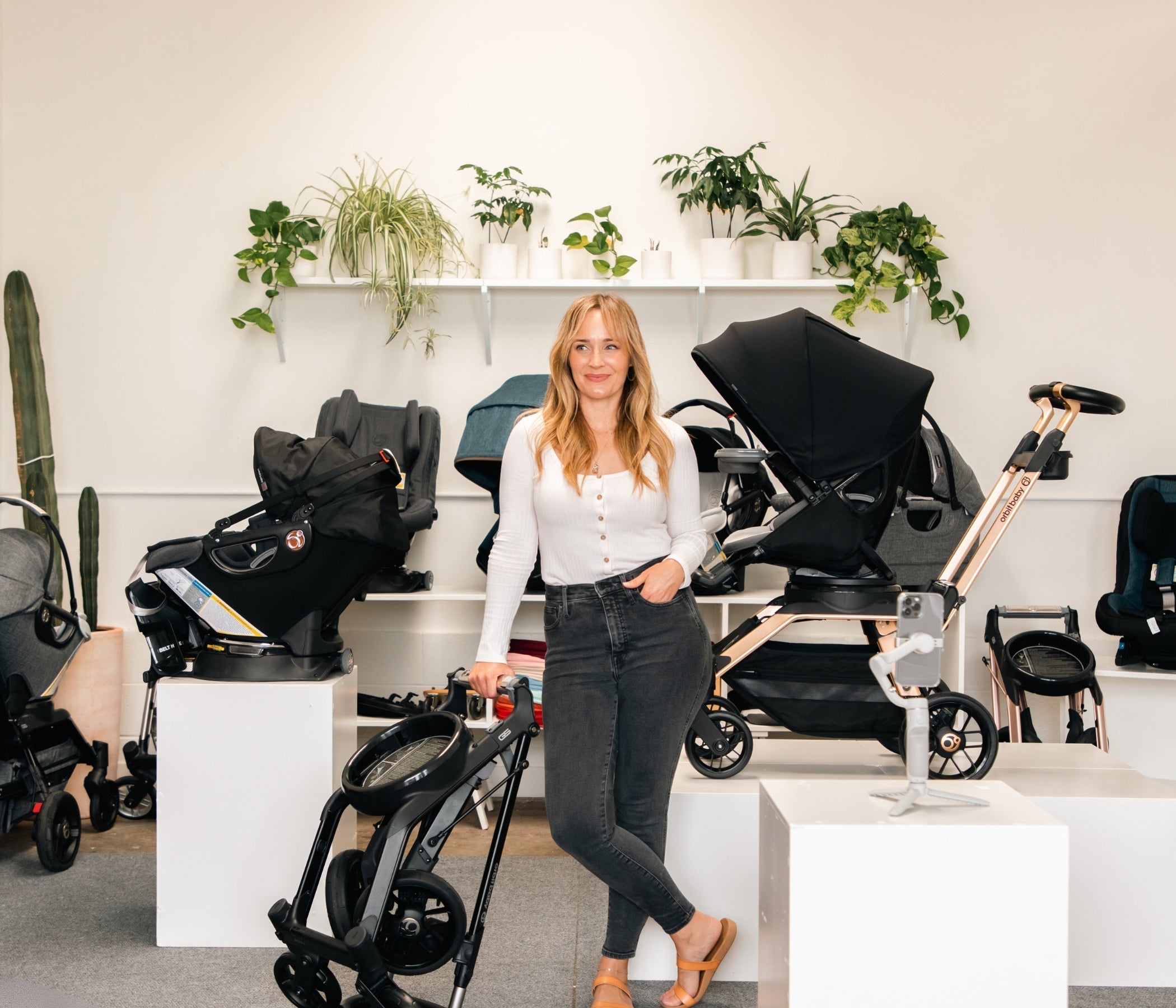
Stroller designs serve different needs. Understanding the main types makes it easier to see how to pick the right stroller without getting distracted by marketing.
Full-size stroller
A full-size stroller usually offers a padded seat, a large canopy, adjustable recline, storage, and durable wheels. Many models accept an infant car seat or bassinet.
This type works well for daily use from infancy through the toddler years. It is often comfortable and sturdy, but it may be heavy and hard to fit in a small trunk.
Lightweight or umbrella stroller
A lightweight stroller is easy to carry and store. It suits travel, quick errands, and older babies or toddlers who can sit well.
Some lightweight strollers have limited recline, small canopies, and little suspension. Check the minimum age before use, especially if the seat does not recline fully.
Travel system
A travel system combines a stroller with a matching infant car seat. It lets you move a sleeping infant from the car without taking the child out of the seat.
This setup can be useful during the first year. However, it may be heavier than a regular stroller, and the car seat should not replace a safe, flat sleep surface.
Jogging stroller
A jogging stroller has larger air-filled or rubber wheels, stronger suspension, and a fixed or lockable front wheel. These features improve control on uneven ground.
A jogging stroller is not automatically safe for running with a young infant. Follow the manufacturer’s age guidance, and use the wrist strap while moving at speed.
Double stroller
A double stroller carries two children. Side-by-side models often offer better balance and equal seating, while tandem models may fit through narrow doors more easily.
Check the width, weight limit, fold size, and seat layout. A double stroller that fits your car may still be difficult to use in elevators or small stores.
Travel stroller
A travel stroller is designed for portability. It may fold into a small shape and fit in an airplane overhead compartment, though airline rules vary.
Small wheels can make rough sidewalks uncomfortable. Choose this type when low weight and compact storage matter more than all-terrain performance.
Match the Stroller to Your Child’s Age
Age and development are central to how to pick the right stroller. A newborn needs more support than a toddler who can sit, walk, and climb.
Newborn stage
Newborns need strong head and neck support. They should usually ride in a fully reclining stroller approved for newborn use, a compatible bassinet, or an infant car seat used according to its instructions.
Do not assume every stroller seat is safe from birth. Read the manual and check whether the seat reclines flat or supports a newborn in another approved way.
Infant stage
As your baby gains head and trunk control, you may use a more upright seat if the manufacturer allows it. A five-point harness should fit snugly without pressing into the neck.
A reversible seat can face the parent or the world. Parent-facing seats may help you monitor a young baby, while forward-facing seats give older babies a wider view.
Toddler stage
Toddlers need room to sit comfortably and move their legs. Check the seat depth, back height, footrest, and maximum weight.
A child may outgrow a stroller by height before reaching the weight limit. Look for clear limits in the manual rather than relying on age labels alone.
More than one child
If you have twins or children close in age, compare the weight limits for each seat. Some double strollers support different configurations, such as two seats, a car seat, or a standing board.
Also check whether the stroller stays balanced when one seat is empty. Uneven weight can affect steering and stability.

Check the Features That Matter Most
Features can make a stroller pleasant to use, but not every feature deserves extra money. Focus on comfort, safety, control, and daily convenience.
Safety harness
A five-point harness secures the child at the shoulders, waist, and between the legs. It should adjust smoothly and remain fastened during movement.
Check the buckle before buying. It should be secure but simple for an adult to use. Never add aftermarket harness parts unless the manufacturer approves them.
Brakes
Look for brakes that engage firmly and release easily. Test them on both rear wheels if the model uses separate brakes.
A parking brake is essential whenever you stop. Keep the brake engaged while placing your child in the stroller or taking them out.
Canopy
A large canopy protects against sun and light wind. A peekaboo window lets you check on your child without stopping.
Sun protection does not replace safe habits. Avoid covering the stroller with a blanket because it can reduce airflow and raise the temperature.
Seat recline
A deep recline helps young babies and tired toddlers. Test whether the recline changes smoothly with one hand.
Some seats recline by a strap, while others use a lever. Neither is automatically better, but the mechanism should feel stable and easy to operate.
Handlebar
An adjustable handlebar can help adults of different heights. Your wrists should stay relaxed, and your shoulders should not hunch while pushing.
If the handlebar feels too low in the store, it may feel much worse after a long walk. Push the stroller for several minutes before deciding.
Storage basket
A large basket is useful for diapers, snacks, coats, and groceries. Check whether you can reach it when the seat is fully reclined.
Avoid hanging heavy bags from the handlebar. Extra weight can make the stroller tip backward, especially when the child is not seated.
Wheels and suspension
Large wheels usually handle bumps better than small wheels. Swivel front wheels improve turning, while a lockable front wheel can help on rough paths.
Suspension reduces vibration but does not turn every stroller into an all-terrain model. Test the wheels on surfaces similar to those near your home.

Think About Size, Weight, and Folding
A stroller can look perfect in a showroom and become frustrating at home. Learning how to pick the right stroller means testing the parts you will use every day.
Measure your trunk opening, storage closet, elevator, and front door. Measure the stroller when folded, not only when open. Some models have a small frame but a tall folded shape.
Consider these practical details:
• Can you fold it while holding a child or diaper bag?
• Does it stand on its own when folded?
• Can you lift it into your car without straining?
• Does the folded stroller fit beside other items?
• Can you unfold it with one hand?
• Does the frame lock open and closed?
Weight matters most when stairs, public transportation, or frequent car loading are part of your routine. A stroller that weighs a few extra pounds may be worth it for stability, but a very heavy model can become a daily burden.
Try the fold several times. I have seen shoppers complete one smooth fold in a store, then struggle when the basket was full or the seat faced the other direction. Real use is rarely as neat as a showroom demonstration.
Test the Stroller Before You Buy
Online reviews can help, but hands-on testing often reveals more. If possible, visit a store and bring the items you use each day.
Use this simple test:
Push the stroller with one hand.
Turn it around a tight corner.
Walk over a small bump.
Engage and release the brake.
Adjust the handlebar.
Recline and raise the seat.
Open and close the canopy.
Fold and unfold the frame.
Lift it as if placing it in your car.
Check the basket with the seat fully reclined.
Look for rattling, loose hinges, stiff buttons, and wheels that pull to one side. A stroller should move in a straight line without constant correction.
If you shop online, read the full specifications and manual when available. Pay close attention to product weight, folded dimensions, age range, harness design, and car seat compatibility.
Customer reviews are useful for spotting patterns. One complaint may be personal preference, but repeated reports of broken wheels, poor brakes, or difficult folds deserve attention.

Put Safety Before Style
Color, fabric, and brand reputation can influence a purchase, but safety should lead the decision. The stroller must suit the child’s age and remain stable during normal use.
Follow these safety practices:
• Use the harness every time.
• Engage the brake whenever the stroller is parked.
• Keep small objects away from the child.
• Do not hang heavy bags from the handlebar.
• Keep the child within sight and reach.
• Use only approved accessories.
• Check wheels, brakes, and restraints often.
• Follow the weight and age limits in the manual.
Never use a stroller as a routine sleep space unless it is specifically designed and approved for sleep. If a baby falls asleep while traveling, move the baby to a firm, flat, separate sleep surface as soon as practical.
Check for recalls before buying a new or used stroller. In the United States, recall information is available through federal consumer safety resources and manufacturer websites. A used stroller may lack its manual, original parts, or current safety updates.
Avoid placing a blanket over the canopy. Heat can build quickly inside a covered stroller, even on a day that feels mild to an adult.

Consider Car Seat Compatibility
A compatible car seat can make travel easier, but compatibility is not universal. Even products from the same brand may not connect without a specific adapter.
Check the exact model numbers. Do not assume that a stroller accepts every infant car seat from the same company.
Before buying, confirm:
• The car seat clicks into place securely.
• The adapter is included or available.
• The connection does not create excessive movement.
• The car seat remains within its approved use limits.
• The stroller manual allows that configuration.
An infant car seat is designed for vehicle protection, not long periods outside the car. Use it for transportation, then move your baby to a safe, flat sleep surface when possible.
If you plan to use a convertible car seat from birth, a travel system may not be necessary. This can save money, reduce weight, and give you more freedom to choose a stroller based on its own features.

Set a Realistic Budget
The right stroller can cost less or more than expected. Price often reflects materials, suspension, modular parts, warranty support, and brand design, but a higher price does not guarantee a better fit.
Create a budget that includes accessories. You may need a rain cover, car seat adapter, cup holder, footmuff, or replacement parts.
A useful budget checklist includes:
• Stroller price
• Delivery fees
• Required adapters
• Weather cover
• Warranty terms
• Replacement wheels or parts
• Future use for another child
A basic stroller may be the best choice for short errands. A more durable model may offer better value if you walk several miles each week.
Used strollers can provide good value, but inspect them carefully. Check the frame, brakes, harness, wheels, folding lock, recall status, and included parts. Avoid a model with cracks, missing safety pieces, or an unknown history of damage.
Avoid Common Stroller Buying Mistakes
Many stroller problems come from choosing based on appearance rather than routine. Knowing the common mistakes makes how to pick the right stroller much easier.
Choosing the heaviest model
A heavy frame may feel strong, but it can be hard to lift, fold, and store. Buy extra weight only when it provides a real benefit, such as better suspension or stability.
Ignoring folded dimensions
A stroller may fit your home but not your trunk. Measure before you buy, and include the trunk opening in your check.
Buying for a future child only
A stroller that supports a newborn may not be ideal for an older toddler. Choose for your current needs while considering reasonable future use.
Forgetting narrow spaces
Wide double and all-terrain strollers may not fit through doors, store aisles, or elevators. Measure the narrowest spaces you use often.
Adding too many accessories
Accessories can change balance and add weight. Use only parts approved by the manufacturer, and check how each one affects folding and steering.
Trusting a single review
One person’s best stroller may be another person’s daily headache. Look for repeated patterns and compare reviews with the manufacturer’s specifications.
A Simple Decision Guide
Use this guide if you still feel unsure about how to pick the right stroller.
Choose a full-size stroller if:
• You want one main stroller for daily use.
• You need a comfortable seat and large basket.
• You expect to use it from infancy through toddlerhood.
Choose a lightweight stroller if:
• You travel often.
• You use stairs or public transit.
• Your child is old enough for its seat design.
Choose a jogging stroller if:
• You run or walk on uneven paths.
• You want large wheels and strong suspension.
• You will follow the model’s safety guidance for your child’s age.
Choose a double stroller if:
• You regularly transport two children.
• You can manage its width and weight.
• Its seat limits fit both children.
Choose a travel system if:
• You want a stroller and infant car seat to work together.
• You drive often with a newborn.
• You accept the extra size and weight.
There is no single best stroller for every family. The best stroller is the one you can safely operate, carry, store, and use without stress.
How to Pick the Right Stroller: Final Checklist
Before placing your order, review this checklist. It can prevent a rushed decision.
• The stroller fits your child’s age, size, and development.
• The harness fits securely and adjusts easily.
• The brakes hold the stroller in place.
• The stroller fits your doors, elevator, and vehicle.
• The fold feels manageable.
• The handlebar suits your height.
• The wheels match your usual surfaces.
• The canopy provides useful coverage.
• The basket meets your storage needs.
• The seat reclines as needed.
• The stroller accepts only compatible accessories.
• The warranty and return policy are clear.
• The model has no unresolved safety recall.
Keep the stroller manual in an easy-to-find place. It explains cleaning, folding, weight limits, care, and approved configurations. Read it before the first outing, not after a problem occurs.
Frequently Asked Questions About How to Pick the Right Stroller
What is the most important factor when choosing a stroller?
Your daily routine is the most important factor. Consider your child’s age, walking surfaces, car size, storage space, and how often you carry the stroller.
What stroller is best for a newborn?
A newborn needs a stroller approved for newborn use, a fully reclining seat, or a compatible bassinet. Always follow the manufacturer’s age guidance and provide proper head and neck support.
Is a travel system worth buying?
A travel system can be useful if you drive often and want an infant car seat that connects to the stroller. It may be less useful if you rarely drive or prefer a lighter stroller.
How heavy should a stroller be?
The right weight depends on your routine. Choose a lighter model for stairs, transit, and frequent lifting, but consider a heavier frame if you need stronger wheels, suspension, or stability.
Are expensive strollers safer?
A higher price does not automatically mean better safety. Look for a secure harness, reliable brakes, stable construction, clear instructions, and compliance with current safety requirements.
Can a baby sleep in a stroller?
A stroller should not replace a safe sleep space unless it is specifically designed and approved for sleep. Move a sleeping baby to a firm, flat, separate sleep surface as soon as practical.
Should stroller wheels swivel or lock?
Swivel wheels make tight turns easier in stores and cities. A lockable front wheel can improve control on rough paths, so a stroller with both options offers more flexibility.
Conclusion
Knowing how to pick the right stroller starts with your real routine, not a trend or a long feature list. Match the stroller to your child’s age, walking surfaces, car, storage space, and budget. Then test the fold, brakes, harness, handlebar, wheels, and seat before you buy.
A safe, comfortable stroller should make family outings easier, not add another daily challenge. Use the checklist, compare trusted models, and choose the design that fits your life best. Explore more baby gear guides, and share your stroller questions or experience in the comments.