
For families in the United States, there is no fixed number of breastfeeds a 13-month-old needs each day. Many toddlers breastfeed 2 to 4 times in 24 hours, while others nurse more or less often. A practical plan is to offer breast milk when your toddler wakes, before naps or bedtime, or when they ask—while serving regular meals and snacks during the day.
The American Academy of Pediatrics supports breastfeeding for at least 2 years and beyond, as mutually desired by the parent and child. At 13 months, breast milk can still provide nutrition, comfort, and immune support. However, it now works alongside a varied solid-food diet rather than serving as the child’s only food.
Introduction
At 13 months, your child is in the toddler stage. They still benefit from breast milk, but they also need food from several groups each day. Most toddlers eat three meals and two or three small snacks, then breastfeed around that routine.
Some children nurse several times a day. Others nurse mainly at night or before sleep. Both patterns can be normal if your toddler grows well, eats a range of foods, and seems alert and active.
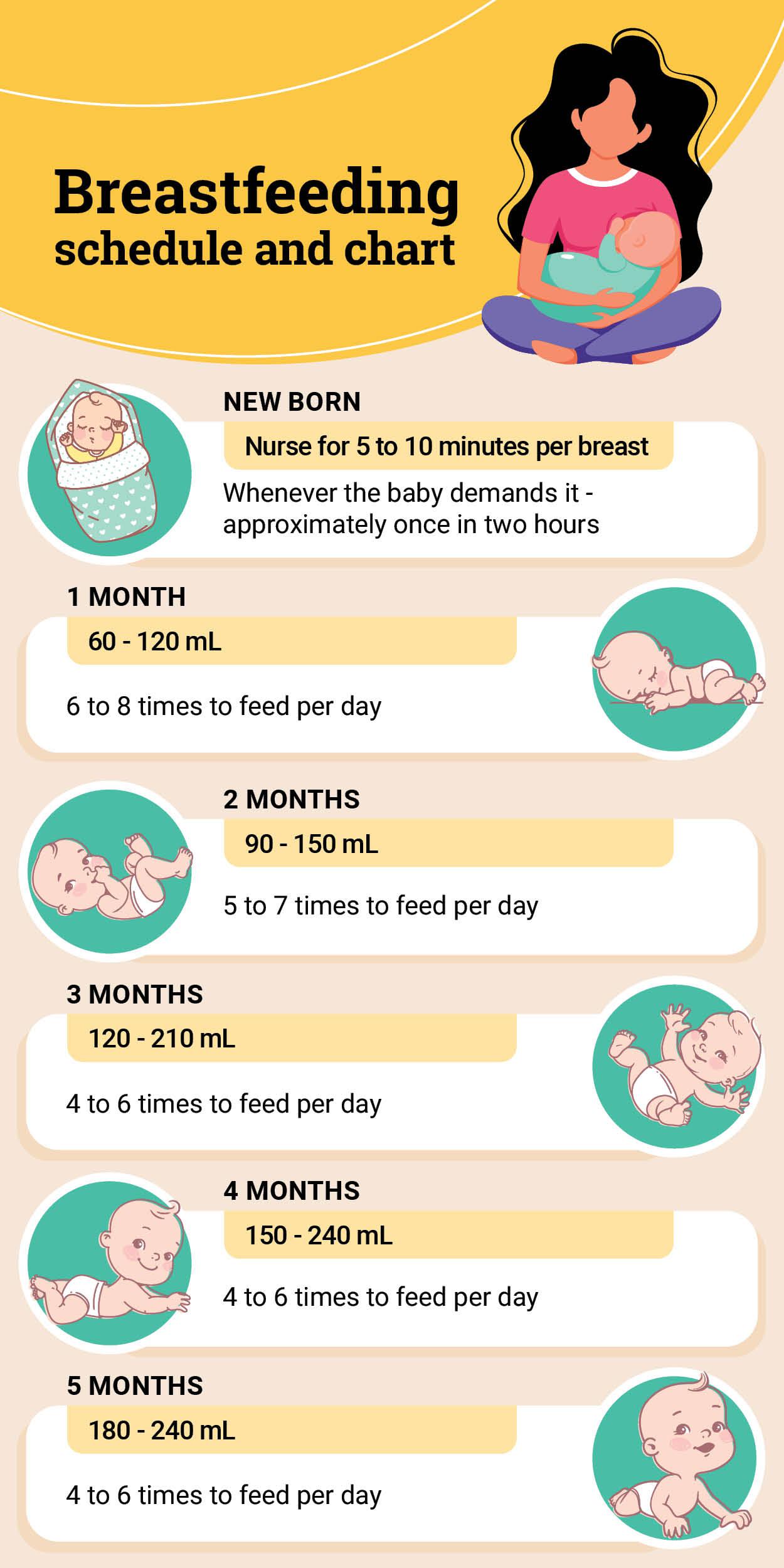
How Many Times a Day Should a 13-Month-Old Breastfeed?
A 13-month-old may breastfeed about 2 to 4 times per day, but this is a guide—not a rule. The right number depends on how much solid food your child eats, whether they nurse at night, and how much comfort they seek from breastfeeding.
Common times to breastfeed include:
- After waking in the morning
- Before a nap
- After a nap
- Before bedtime
- During the night
- When your toddler is upset, sick, or needs comfort
- Before or after a meal, depending on your routine
Some toddlers breastfeed only once or twice daily. Others ask to nurse five or more times, especially during illness, teething, travel, or major changes at home.
A simple daily example
This sample schedule shows how breastfeeding can fit with toddler meals:
| Time | Possible routine |
|---|---|
| 7:00 a.m. | Breastfeed, then breakfast |
| 9:30 a.m. | Snack and water |
| 12:00 p.m. | Lunch |
| 1:00 p.m. | Breastfeed before nap |
| 3:30 p.m. | Snack |
| 5:30 p.m. | Dinner |
| 7:00 p.m. | Breastfeed before bed |
| Overnight | Breastfeed if your child still wakes and needs it |
This is only an example. You do not need to follow set times if your toddler eats and nurses well on a flexible routine.
The key point is that breastfeeding frequency should fit your child’s hunger, comfort, sleep, and family routine. Do not force a toddler to nurse, and do not stop solely because they turned 1 year old.

What Should a 13-Month-Old Eat Besides Breast Milk?
A 13-month-old should usually eat three meals and two or three snacks each day, in addition to breastfeeding. Breast milk remains useful, but solid foods now supply much of the energy, iron, protein, and other nutrients your toddler needs.
Offer small portions from several food groups:
- Iron-rich foods: meat, poultry, fish, eggs, beans, lentils, tofu, and iron-fortified cereals
- Fruit: soft pieces, mashed fruit, or thinly spread nut butter with fruit
- vegetables: cooked vegetables, soft raw vegetables cut safely, or vegetables mixed into meals
- Grains: oats, rice, whole-grain bread, pasta, and tortillas
- Dairy foods: plain yogurt, cheese, or other suitable dairy foods
- Healthy fats: avocado, olive oil, nut butter, eggs, and fatty fish
The Centers for Disease Control and Prevention recommends offering a variety of healthy foods and allowing children to decide how much they eat. Your role is to choose what and when to serve. Your toddler’s role is to decide whether and how much to eat.
Breastfeed before or after meals?
Either can work. If breastfeeding before meals causes your toddler to skip food, try offering meals first and nursing afterward. If your child becomes too tired or upset to eat, nursing briefly before a meal may help.
Watch your toddler rather than following a strict rule. A child who eats well after nursing does not need a change. A child who fills up on breast milk and refuses meals may do better with a longer gap between nursing and food.
Does a breastfed toddler need cow’s milk?
Not always. Whole cow’s milk can be part of a balanced diet after 12 months, but it does not have to replace breastfeeding. A toddler can also get dairy nutrients from yogurt and cheese or from a suitable fortified alternative.
If you offer cow’s milk, the American Academy of Pediatrics commonly advises limiting it to about 16 to 24 ounces per day for children ages 1 to 2 years. Too much milk may reduce appetite for food and can make it harder for a child to get enough iron.
Do not use plant-based drinks as a milk substitute without checking the label and discussing the choice with your child’s clinician. Nutrition varies widely among products.

Should You Breastfeed a 13-Month-Old on Demand?
You can continue responsive or on-demand breastfeeding at 13 months. This means offering the breast when your child shows hunger or seeks comfort, while also keeping regular meal and snack times.
Toddlers may ask to breastfeed for reasons other than hunger. Nursing can help with:
- Comfort after a fall
- Settling before sleep
- Reconnecting after separation
- Thirst or mild hunger
- Stress or overstimulation
- Comfort during teething or illness
You may also set limits that work for your family. For example, you might say, “We can nurse after lunch,” or “We nurse in the morning and before bed.” A calm, repeated routine often works better than abruptly refusing every request.
Breastfeeding does not have to be all or nothing. You can reduce daytime feeds and continue morning or bedtime nursing. You can also continue several feeds daily if that works well for both of you.

How Often Should a 13-Month-Old Breastfeed at Night?
Night nursing varies widely. Some 13-month-olds sleep through the night without breastfeeding. Others wake once or several times to nurse.
There is no universal age at which every toddler must stop night breastfeeding. However, frequent night waking can become difficult for the parent, and some families choose to reduce night feeds after discussing the plan with a pediatric clinician.
Before changing night feeds, consider whether your toddler:
- Eats enough during the day
- Is growing as expected
- Has a consistent bedtime routine
- Wakes from hunger, habit, discomfort, or separation
- Is sick, teething, or going through a major change
If you want to reduce night nursing, make one change at a time. You might shorten one feed, offer comfort in another way, or have another caregiver respond to one waking. A gradual plan may be easier for both parent and child.
Do not use sleep training or night-weaning methods that leave your child without needed fluids during illness. Ask your child’s clinician for advice if your toddler has poor weight gain, feeding problems, or a medical condition.

How Do You Know if Your Breastfed Toddler Is Getting Enough?
Growth and overall behavior are more useful than counting breastfeeds alone. A toddler who is getting enough nutrition generally has regular wet diapers, good energy, steady growth, and interest in food or breastfeeding.
Signs that feeding is likely going well include:
- Your child follows their growth pattern
- They are alert and active during waking hours
- They eat some solid food each day
- They urinate regularly
- They can chew and swallow foods safely
- They seem satisfied after some meals or feeds
- They continue to develop skills expected for their age
Contact your child’s pediatrician if your toddler:
- Has poor weight gain or loses weight
- Refuses most foods for more than a short period
- Has very few wet diapers
- Seems unusually sleepy, weak, or difficult to wake
- Coughs, chokes, or struggles during feeds
- Vomits repeatedly or has ongoing diarrhea
- Has signs of dehydration, such as a very dry mouth or no tears when crying
Do not judge intake by the size or softness of your breasts, how long a feed lasts, or whether your toddler asks to nurse often. These signs do not reliably measure how much milk your child receives.

How Breastfeeding Changes After 12 Months
After the first birthday, breastfeeding often becomes less predictable. A toddler may nurse for only a few minutes, switch sides often, or ask to breastfeed mainly during transitions.
This change does not automatically mean your milk supply is too low. Older babies and toddlers often become faster and more efficient at nursing. They may also become distracted by play and return to the breast later.
Breast milk still contains nutrients and immune factors after 12 months. The amount your child receives depends on how often they nurse and how much milk they transfer. Because intake can vary, solid foods remain an important part of the daily diet.
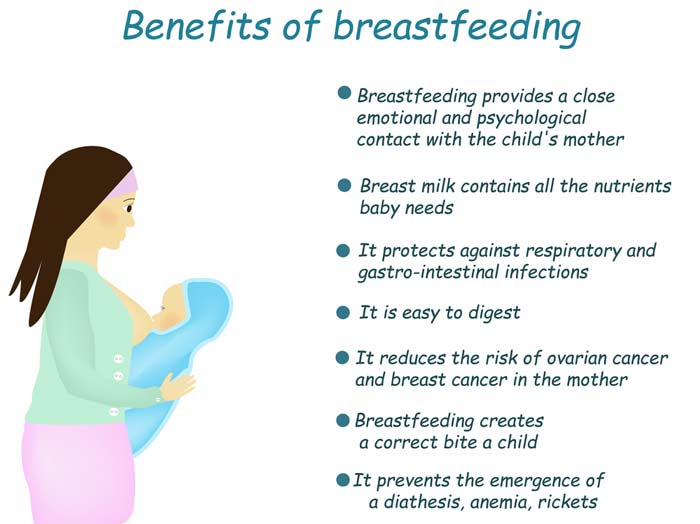
The American Academy of Pediatrics and the World Health Organization both support continued breastfeeding beyond 12 months when it is desired by the parent and child. Continued breastfeeding is a personal decision. It is not required for good parenting, and stopping at 13 months is also a valid choice.
When Should You Adjust the Breastfeeding Schedule?
Adjust the schedule when it no longer meets your child’s needs or your family’s needs. You may choose to add feeds during illness or reduce feeds if breastfeeding interferes with meals, sleep, work, or your comfort.
Consider offering more breastfeeding when your toddler is:
- Sick or recovering from illness
- Eating less than usual for a short time
- Teething
- Traveling or away from home
- Experiencing a major routine change
- Seeking extra comfort
Consider setting limits when your toddler:
- Repeatedly skips meals after nursing
- Wants to nurse constantly and seems unable to engage in other activities
- Wakes many times and the pattern is exhausting
- Bites or causes pain
- Nurses at times that no longer work for you
If you are pregnant, taking a new medicine, returning to work, or planning to wean, ask a healthcare professional or lactation consultant for individualized guidance. Most medicines are compatible with breastfeeding, but the specific drug matters.

Common Mistakes to Avoid
Avoid using a strict feeding number as a test of successful breastfeeding. Toddlers differ in appetite, sleep, growth, and temperament.
Other common mistakes include:
- Replacing meals with breast milk all day: Offer regular meals and snacks even when your child still breastfeeds often.
- Forcing food after breastfeeding: Pressure can make mealtimes stressful. Offer food and let your toddler decide how much to eat.
- Giving too much cow’s milk: Large amounts may reduce appetite and contribute to low iron intake.
- Stopping suddenly without a reason: Sudden weaning can cause breast discomfort and distress for some children.
- Ignoring choking risks: Cut food into safe shapes and avoid hard, round, sticky, or tough foods that can block the airway.
- Using breast milk as the only source of nutrition: At 13 months, a varied diet matters.
- Assuming every night waking means hunger: Toddlers may wake for comfort, habit, teething, illness, or changes in sleep.
Honey is safe after 12 months, but choking prevention still matters. Do not give whole grapes, whole nuts, popcorn, chunks of hot dog, hard raw vegetables, or spoonfuls of thick nut butter. Prepare foods in forms your child can manage and supervise meals.

Key Takeaways
- A 13-month-old may breastfeed 2 to 4 times daily, but normal patterns vary.
- Continue breastfeeding as long as it works for both parent and child.
- Offer three meals and two or three snacks each day.
- Breast milk can supplement solid foods but should not be the only nutrition source.
- Follow growth, wet diapers, energy, and food intake—not feed counts alone.
- Night nursing is common, but you can gradually reduce it if the pattern no longer works.
- Ask a pediatrician about poor growth, feeding difficulty, dehydration, or a very limited diet.
Frequently Asked Questions
Is breastfeeding a 13-month-old still beneficial?
Yes. Breast milk can still provide nutrients, fluids, comfort, and immune factors after the first birthday. It should be part of a varied diet that includes age-appropriate solid foods.
Can a 13-month-old breastfeed too much?
A toddler may breastfeed often, but frequent nursing can become a concern if it consistently replaces meals, limits food variety, affects growth, or causes significant distress for the parent. Discuss the pattern with a pediatrician or lactation consultant if you are unsure.
How long should each breastfeeding session last?
There is no required length. Some toddlers nurse for a few minutes, while others take longer, especially before sleep. Effective feeding matters more than the clock.
Should I wake my 13-month-old to breastfeed?
Usually, a healthy toddler who is growing well does not need to be awakened on a schedule to breastfeed. Your child’s clinician may give different advice if there are concerns about growth, illness, or nutrition.
Can I breastfeed while pregnant with another baby?
Many people can continue breastfeeding during a healthy pregnancy, but individual advice matters. Speak with your obstetric clinician if you have bleeding, painful contractions, a history of preterm birth, or other pregnancy concerns.
Conclusion
A 13-month-old does not need to breastfeed a set number of times. Many toddlers nurse two to four times during the day and night, while others follow a different pattern. Keep breastfeeding responsive, offer regular meals and snacks, and watch your child’s growth, energy, wet diapers, and food intake.
If breastfeeding is painful, your toddler is not growing well, or you want help with night weaning or gradual weaning, contact your pediatrician or a qualified lactation professional. The best schedule is one that supports your child’s nutrition and also works for your family.