
Most babies start pulling to stand between 8 and 12 months of age.
I’ve worked closely with parents and pediatric clinicians to track infant movement milestones, and this guide explains when do babies pull to stand, why it happens, and what to expect next. Read on for clear timelines, simple signs, practical tips, and safety advice that will help you support your baby with confidence.

Typical timeline: when do babies pull to stand
Most babies begin to pull to stand between 8 and 12 months. Some start a little earlier, around 6–7 months, and others begin near their first birthday. The timeline varies by child and by how much tummy time and leg play they get. Track progress by noting when your baby first uses furniture or your hands to get upright.

Signs your baby is ready to pull to stand
Babies give small signals before they try to pull up. Watch for these signs:
- Good head control and steady trunk support when sitting.
- Strong pushing with the legs when held under the arms.
- Rolling, scooting, or crawling frequently to get places.
- Holding onto furniture and bouncing or rocking while supporting weight.
- Reaching up for toys while in a kneeling or half-kneel position.
These signs usually appear a few weeks before the first pull-to-stand attempt. When you notice several of them, your baby is likely preparing to stand and explore upright moves.

Common parent questions (PAA-style)
Q: How can I tell if my baby will pull to stand soon?
A: Look for steady sitting, pushing with legs, and grabbing furniture. These are clear clues your baby is getting ready.
Q: Will my baby skip pulling to stand and go straight to walking?
A: Most babies use pulling to stand as a step toward walking, but a few may minimize it and still walk on a normal timeline.
How to help and encourage pulling to stand
Simple, safe steps help your baby build the strength and confidence to pull up:
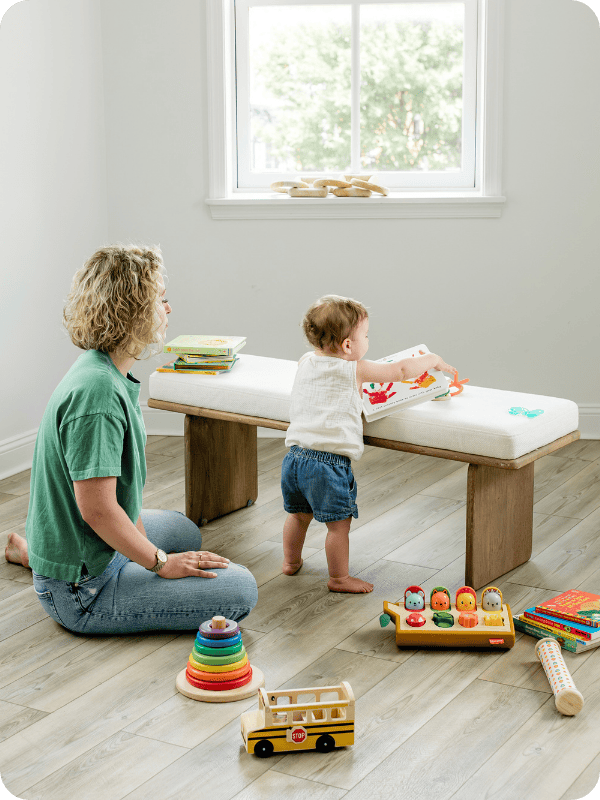
- Offer sturdy, low furniture like a couch or coffee table edge for pulling.
- Place toys on a couch seat or low shelf to encourage reaching and standing.
- Use floor play that strengthens legs: supported standing, gentle bouncing, and cruising practice.
- Give lots of tummy time from early months to build core and shoulder strength.
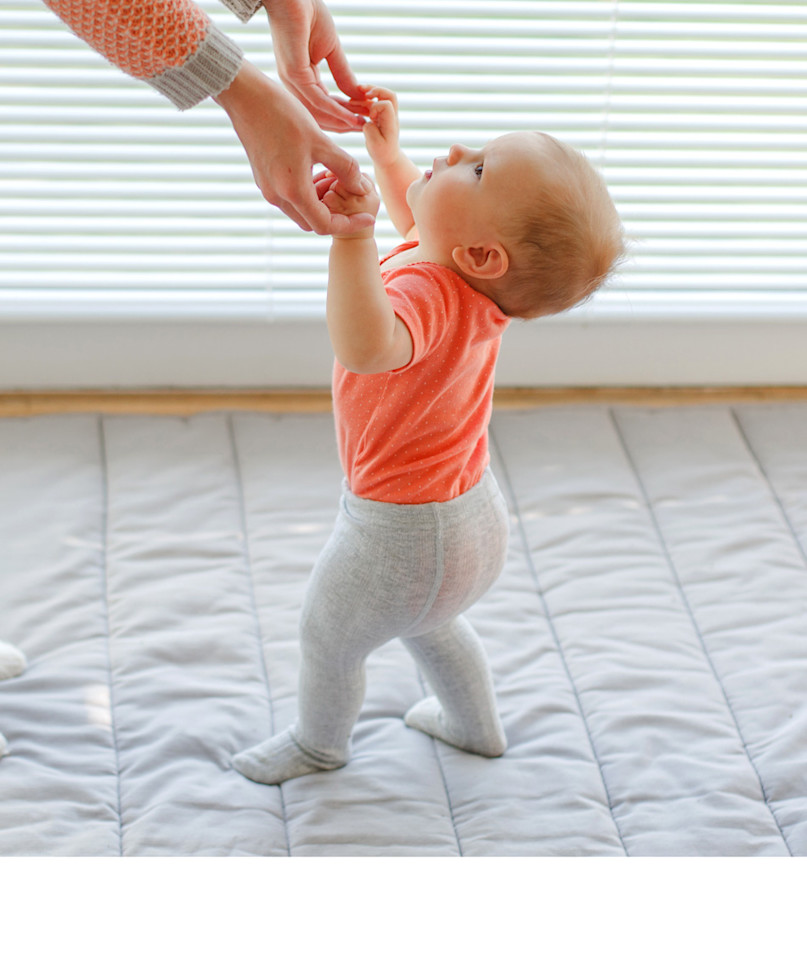
- Be hands-on: offer your fingers or a stable bar for your baby to hold while pulling up.
Keep sessions short and fun. Repetition in play helps muscles adapt and builds balance. I’ve seen parents succeed by turning short, daily prompts into reliable progress.
Safety tips and common things to avoid
Safety matters as babies start pulling to stand. Follow these tips:
- Anchor furniture and remove sharp or unstable items near climb paths.
- Don’t leave a baby unattended near stairs, sofas, or chairs they can climb.
- Avoid walkers that allow free movement; they can increase fall risk and delay balance.
- Use soft mats or rugs to cushion falls but keep spaces clear for movement.
Watch for frustration signs like repeated falls or crying. If a baby seems fearful or avoids using legs, slow down and offer more support during practice.
Variations, red flags, and when to seek help
Every baby moves at their own pace. Many variations are normal, but look out for these red flags:
- No attempt to pull to stand or bear weight on legs by 12 months.
- Persistent limpness or very low muscle tone.
- Asymmetry: one side much weaker than the other.
- Loss of previously achieved motor skills.
If you see red flags, contact your pediatrician or a pediatric physical therapist. Early evaluation can identify treatable causes and guide targeted exercises. I’ve helped families find quick wins after early screening and guided activity plans.
Developmental next steps after pulling to stand
Pulling to stand opens a new phase in movement. After pulling up, babies typically:
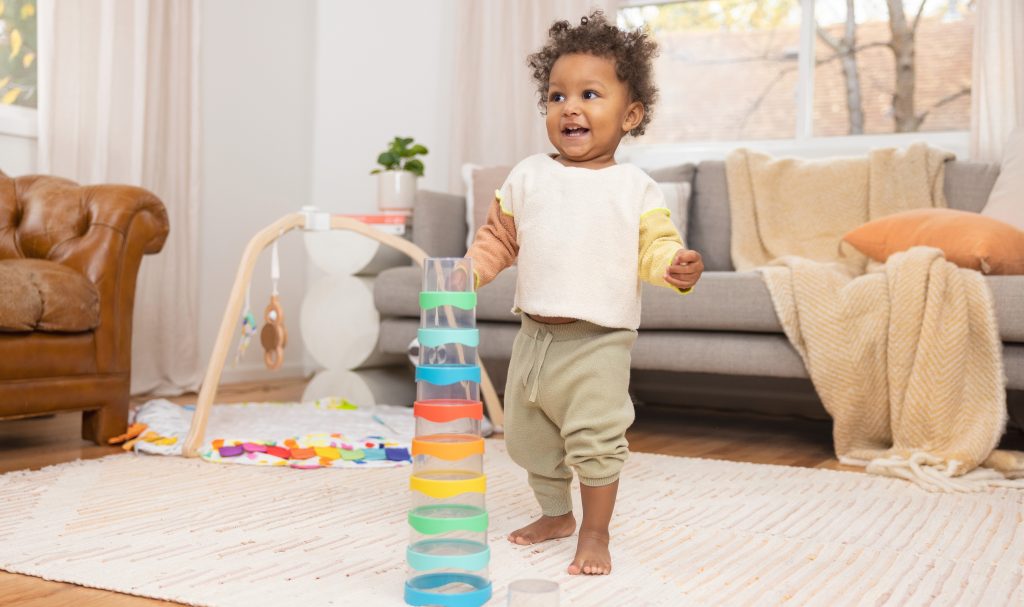
- Cruise: take steps while holding furniture, usually soon after pulling up.
- Stand unsupported: brief moments of balance without holding on.
- First steps: often between 9 and 15 months, depending on the child.
Keep offering safe opportunities for cruising and short unsupported stands. Each small success helps balance and leg strength for walking.

Frequently Asked Questions of when do babies pull to stand
When do babies pull to stand for the first time?
Most babies pull to stand for the first time between 8 and 12 months, though some try a bit earlier or later. Individual variation is common and usually not a worry.
Is it normal if my baby pulls up but won’t let go?
Yes. Many babies cling to furniture at first for balance. Let them practice holding on and slowly encourage brief releases with support.
Should I worry if my baby isn’t pulling to stand by 12 months?
If your baby isn’t pulling to stand or bearing weight by 12 months, mention it to your pediatrician. Early assessment helps find any issues and starts helpful therapy if needed.
Can I speed up pulling to stand with exercises?
Gentle, consistent play that builds core and leg strength helps. Use tummy time, supported standing, and reachable toys rather than forced training.
Will pulling to stand cause my baby to walk late?
Pulling to stand is usually part of normal progress and does not delay walking. It often leads naturally to cruising and walking in a typical timeline.
Conclusion
Knowing when do babies pull to stand helps you support your child with calm confidence. Watch for the key signs, offer safe chances to practice, and keep play short and positive. If you see delays or uneven strength, get advice early so you can help your baby stay on track. Try one small daily activity from this guide and note progress—then share your story or questions below to help other parents learn.