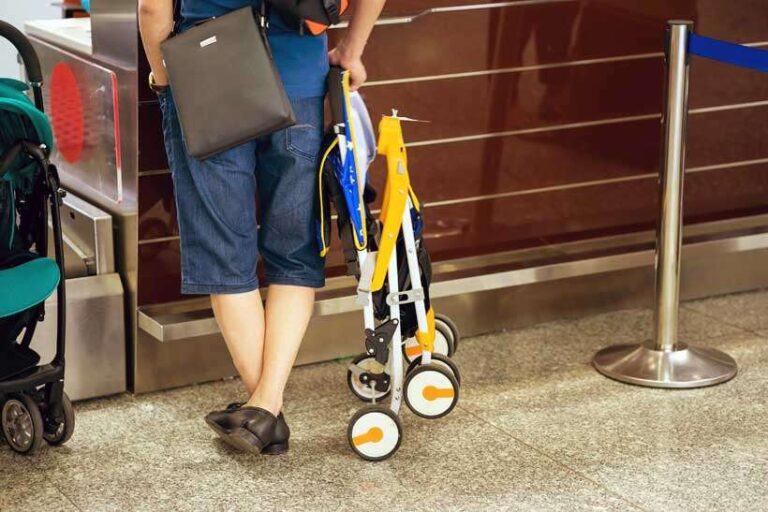
A jogging stroller is worth it if you plan to run or walk often on rough paths and want one stroller that can handle both. It is usually not worth the higher price if you mainly shop, travel, or walk on smooth sidewalks.
The main trade-off is simple: a jogging stroller gives you better stability, larger wheels, and smoother movement on uneven ground. In return, it is often heavier, wider, harder to fold, and less useful in tight stores or small car trunks.
For most U.S. families, the best choice depends on four things:
- How often you will run
- Where you will use the stroller
- Your child’s age and size
- Whether you need one stroller or a travel-friendly stroller
What Is a Jogging Stroller?
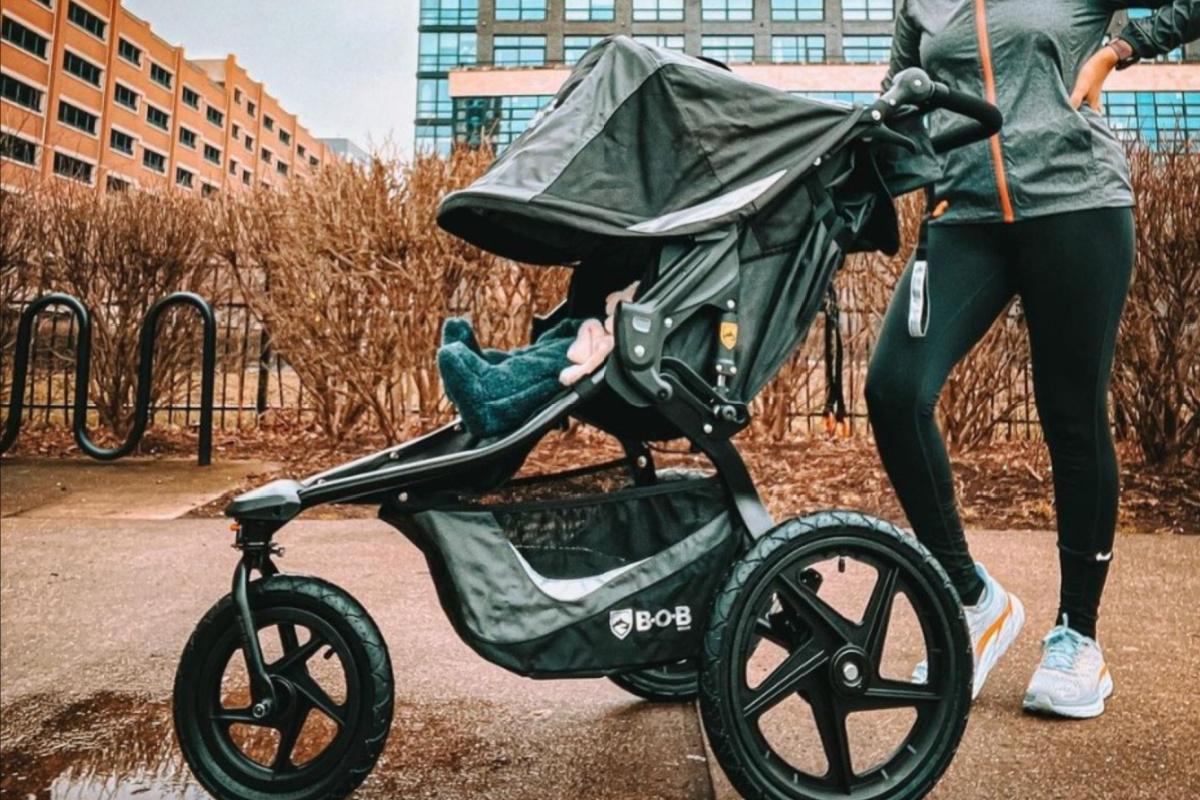
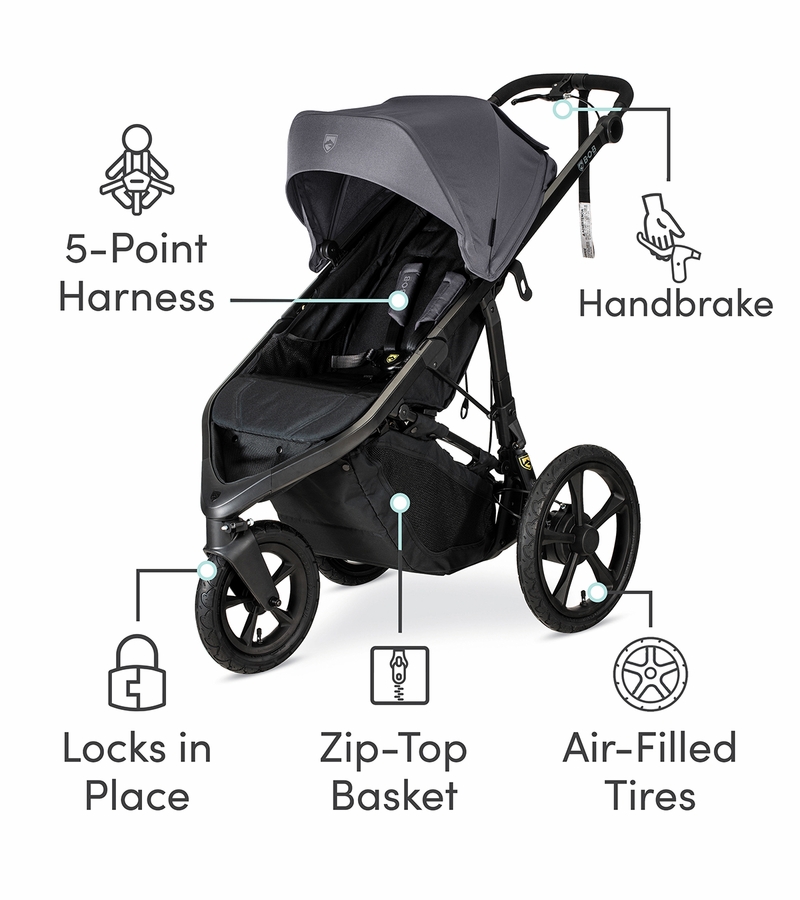
A jogging stroller is built for faster movement and uneven surfaces. It normally has three air-filled or rubber wheels, a fixed or lockable front wheel, a hand brake, a suspension system, and a five-point harness.
A standard stroller is made for daily tasks. It works well in stores, sidewalks, public transit, and crowded spaces. A jogging stroller is made for better control and comfort when moving over grass, gravel, dirt paths, or cracked pavement.
The front wheel is the key design feature. It may swivel for walking or lock straight for jogging. A locked front wheel helps the stroller track in a straight line. A swivel wheel is easier to turn in a store but may feel less stable at running speed.
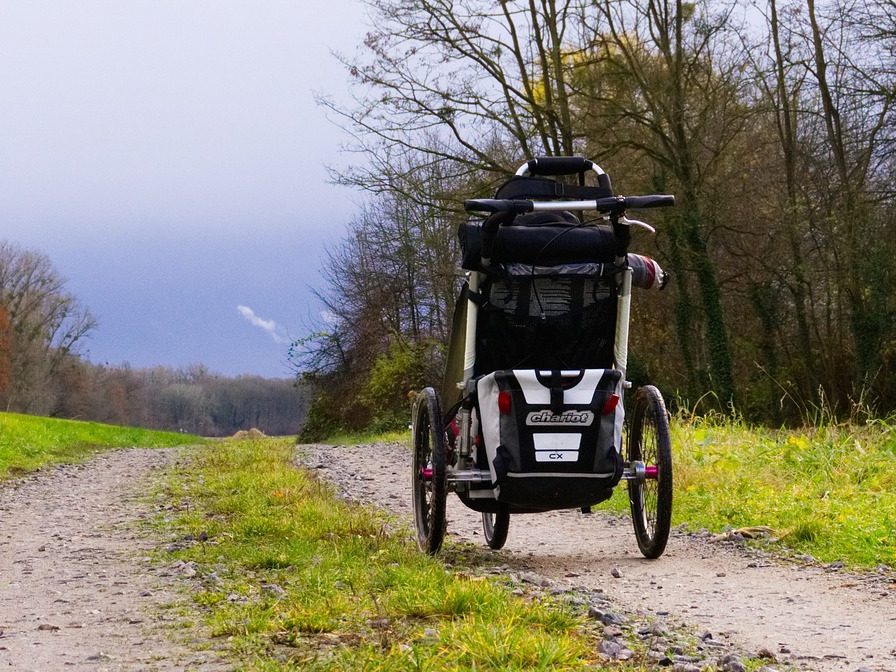
Jogging strollers are not the same as bicycle trailers. A jogging stroller is pushed from behind. A bike trailer is designed to attach to a bicycle. Some products convert between modes, but each mode has its own safety rules.
Features that set it apart
Most true jogging strollers include:
- A fixed or lockable front wheel
- Two large rear wheels
- A hand-operated brake
- A wrist strap
- A five-point safety harness
- A padded, adjustable handlebar
- Suspension
- A deep canopy
- A larger cargo basket than many lightweight strollers
These features can make a long walk feel much easier. They also add weight, cost, and bulk.
When Is a Jogging Stroller Worth It?
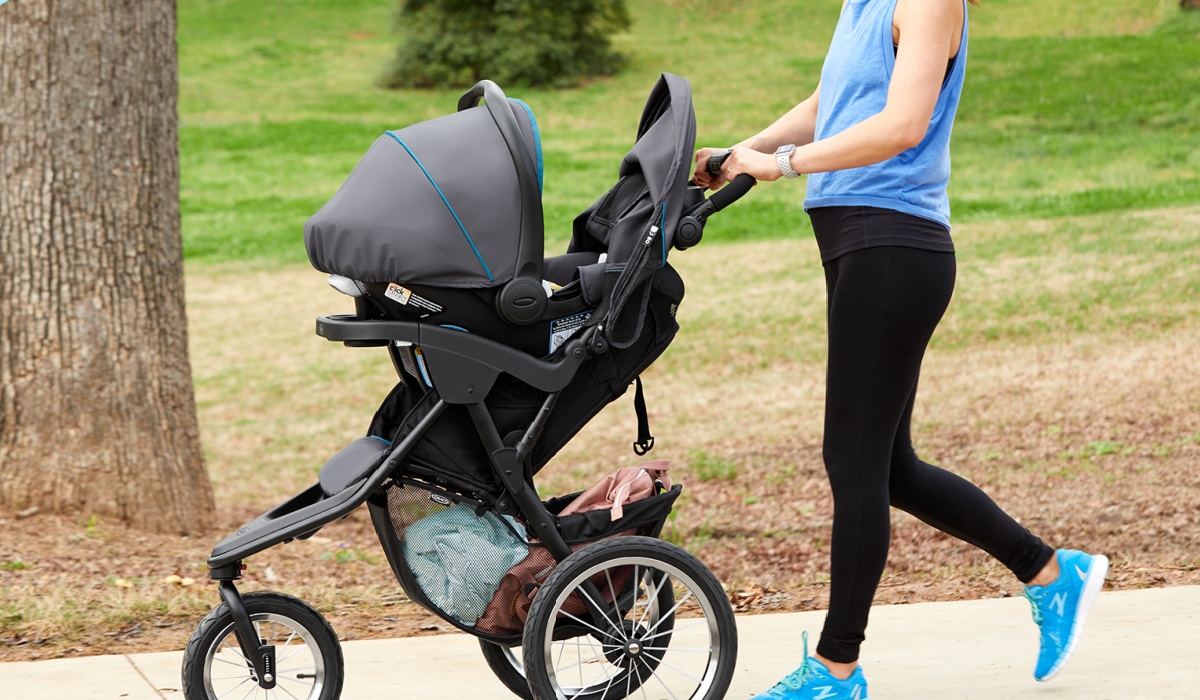
A jogging stroller is usually worth it when you will use its running features at least once or twice a week. It can also make sense for regular walks on trails, grass, sand, or poor sidewalks.
The value does not come from the label “jogging.” It comes from the parts that solve a real problem: large wheels, good suspension, strong tracking, and better control.
It may be worth buying if you:
- Run or fast-walk several times each week
- Use paved trails, park paths, or gravel roads
- Live in an area with cracked or uneven sidewalks
- Want one sturdy stroller for walks and outdoor exercise
- Need a stroller that tracks well on long routes
- Have enough storage space at home and in your vehicle
- Can manage a heavier stroller
A jogging stroller can also help parents stay active after a baby arrives. The stroller does not make exercise safe by itself, but it can remove some practical barriers. A smoother ride may make it easier to keep a regular walking routine.
It may not be worth buying if you:
- Rarely run
- Mostly visit stores, malls, or restaurants
- Use public transportation often
- Need a light stroller for travel
- Have very limited trunk or closet space
- Need a stroller that folds quickly with one hand
- Already own a good stroller for your daily needs
A jogging stroller can be frustrating when used for the wrong job. Its long frame may be hard to turn in a narrow aisle. Its large wheels may take up most of a compact sedan’s trunk. Its weight may matter each time you lift it.
A simple use test
Ask yourself this question:
Will I use the stroller’s large wheels and running controls often enough to accept its extra size and cost?
If the answer is yes, the purchase may be sensible. If the answer is no, a standard stroller with good wheels may offer better value.

Jogging Stroller vs. Regular Stroller
A regular stroller is usually the better all-purpose choice. A jogging stroller is the better outdoor-performance choice.
| Feature | Jogging stroller | Regular stroller |
|---|---|---|
| Best use | Running, trails, long outdoor walks | Errands, travel, sidewalks |
| Front wheel | Often locks straight | Usually swivels |
| Wheels | Large and rugged | Smaller or medium-sized |
| Suspension | Often stronger | Varies by model |
| Weight | Usually heavier | Often lighter |
| Folding | May be bulky | Often easier |
| Turning in stores | Less convenient | Usually easier |
| Running control | Better | Not designed for running |
| Price | Often higher | Wide range |
Do not run with a standard stroller unless the manufacturer specifically says it is designed for running. A stroller can look sturdy and still lack the tracking, wheel control, braking, and frame design needed for jogging.
A travel system is also not the same as a jogging stroller. A travel system usually includes a stroller and infant car seat. Some jogging strollers accept infant car seats, but that does not mean the stroller is safe for running with the car seat attached.
The best setup for some families is two strollers:
- A compact stroller for errands and travel
- A jogging stroller for exercise and outdoor use
That costs more and takes more space, but it avoids forcing one stroller to do two very different jobs.
How Much Does a Jogging Stroller Cost?
Jogging strollers in the U.S. range from budget models to premium models that cost several hundred dollars or more. Prices change by brand, features, sales, and included accessories.
The stroller price is only part of the cost. You may also need:
- An infant car seat adapter
- A snack tray
- A rain cover
- A replacement inner tube
- A tire pump
- A weather shield
- A standing board for an older child
- A replacement canopy or harness part
A hypothetical value calculation
Suppose a jogging stroller costs $350 and you use it twice a week for three years.
That is about 312 uses:
$350 ÷ 312 uses = about $1.12 per use
This is only an example. It does not include accessories, repairs, storage, or resale value. It also assumes the stroller remains comfortable and safe to use.
If you use the stroller only 10 times, the cost per use is much higher. This is why use frequency matters more than the sticker price.
A used jogging stroller can be a good option, but inspect it closely. Avoid one with a damaged frame, loose wheel, missing wrist strap, broken brake, torn harness, or unknown recall status. Search the exact brand and model on the U.S. Consumer Product Safety Commission recall website.

What Should You Look for in a Jogging Stroller?
The most important features are control, fit, safety, and ease of use. Extra cup holders and large baskets are useful, but they should not decide the purchase.
1. A lockable front wheel
For jogging, the front wheel should lock securely in a straight position. Test the lock before every run. A wheel that does not stay straight can affect control.
For walking, a swivel setting may be easier. Some models let you change the wheel position while standing. Others require you to stop and adjust it by hand.
2. Large wheels and suspension
Large wheels roll over small bumps with less effort. Suspension can reduce vibration, especially on dirt paths and rough pavement.
No stroller removes every bump. A smoother ride also depends on tire pressure, surface type, child weight, and how fast you move.
3. A hand brake
A hand brake can help control speed on hills. It is not a parking brake. Use the parking brake whenever you stop and keep the wrist strap on while moving.
The hand brake should be easy to reach without changing your grip. Check the manufacturer’s manual for brake adjustment and maintenance.
4. A five-point harness
The harness should sit snugly over the child’s shoulders and hips. It should not be loose enough for the child to slide down or lean far out.
Check the harness each time. Inspect the webbing for frays and the buckle for damage.
5. A wrist strap
A wrist strap connects the stroller to your wrist. It can help prevent the stroller from rolling away if you lose your grip.
Use it every time you jog. A hand brake is helpful, but it does not replace the strap.
6. A handlebar that fits you
The handlebar should let you keep your shoulders relaxed and your elbows slightly bent. If it is too low or too high, long runs may cause discomfort.
If two adults will use the stroller, an adjustable handlebar can be worth the extra cost.
7. A wide, stable base
A wider frame may feel more stable but may not fit through every doorway or car trunk. Measure:
- Your front door
- Interior doors
- Elevator doors
- Car trunk opening
- Storage area
- The folded stroller
Check the folded size in the owner’s manual or product specifications. Do not rely only on a product photo.
Jogging Stroller Safety: Age, Terrain, and Use
Safety depends on the child’s age, the stroller’s design, and how you use it. Always read the manual for the exact model.
Wait until your child is ready for jogging
The American Academy of Pediatrics advises waiting until a baby has strong head and neck control before using a jogging stroller. Many safety sources and stroller makers use around 6 months as a general starting point, but the exact age can vary.
Some models allow younger infants only when used with a specific approved car seat or bassinet. That does not automatically make them suitable for running. Follow the model’s instructions for walking and jogging separately.
Ask your child’s pediatrician if you are unsure about readiness, especially if your baby was premature or has a medical condition.
Do not run with an infant car seat unless the manual allows it
An infant car seat can raise the child’s center of gravity. It may also change how the stroller handles. Many jogging stroller manuals allow a car seat for walking but not for jogging.
The safest rule is to check the exact stroller manual and adapter instructions. If running is not clearly allowed, use the stroller only for walking.
Choose a safe route
Start on a smooth, level surface. Avoid:
- Busy roads without a safe barrier
- Steep hills
- Wet leaves
- Ice
- Deep sand
- Loose rocks
- Crowded paths
- Areas with poor visibility
A jogging stroller can tip if a wheel catches on a hole, curb, root, or large stone. Slow down before bumps and walk the stroller across hazards when needed.
Use the restraints every time
Secure the child with the five-point harness. Keep the canopy and other accessories attached as the manual directs. Do not hang heavy bags from the handlebar unless the manufacturer allows it.
An overloaded handlebar can affect balance. Keep heavy items low and centered.
Follow basic equipment checks
Before each outing:
- Check that the front wheel is locked for jogging.
- Test the parking brake.
- Check tire pressure and tire condition.
- Inspect the harness.
- Confirm that the wrist strap is attached.
- Look for loose screws, cracks, or damaged parts.
- Make sure the child is within the height and weight limits.
- Confirm that the path and weather are suitable.
Stop using the stroller if the frame is cracked, a wheel wobbles, the brake fails, or the harness does not work. Contact the manufacturer for approved replacement parts.

Can You Use a Jogging Stroller for Everyday Errands?
Yes, but it may not be the easiest choice for everyday errands.
A jogging stroller can work well for outdoor shopping centers, farmers markets, parks, and long walks. Its basket and canopy may also be useful for daily trips.
Inside stores, the stroller may feel wide and long. The fixed front wheel can make tight turns harder. Some models do not stand well when folded, and some take more effort to lift into a vehicle.
If you want one stroller for everything, look for a model with:
- A swivel-and-lock front wheel
- A compact fold
- A manageable weight
- A standing fold
- A narrow frame
- A washable seat
- A useful storage basket
Even then, test it in a store or showroom when possible. Push it one-handed, turn it slowly, fold it, and lift it. A stroller that looks practical online may feel awkward in your daily routine.

Do Jogging Strollers Work on Trails and Gravel?
Many jogging strollers work well on maintained dirt trails, packed gravel, grass, and uneven sidewalks. They are not suitable for every trail.
The surface matters more than the name “all-terrain.” A stroller may handle a flat gravel path but struggle on roots, deep mud, loose stones, or steep slopes.
Before a trail walk, check:
- Trail width
- Surface condition
- Slope
- Drainage
- Shade and heat
- Cell service
- Access for emergency help
Keep your speed low on rough ground. The child may still experience strong movement even when the stroller feels stable to you.
Do not assume that a three-wheel design makes a stroller tip-proof. A three-wheel stroller can be stable when used correctly, but any stroller can tip on a steep side slope or after striking an obstacle at speed.

How to Decide if a Jogging Stroller Is Right for You
Use this five-step decision process before buying.
Step 1: Count your likely weekly uses
Write down how often you expect to run or take long outdoor walks. Use a realistic number, not an ideal one.
If you expect two or more outdoor exercise trips each week, a jogging stroller may provide meaningful value. If you expect only a few trips each month, renting, borrowing, or buying used may be better.
Step 2: Map your normal routes
Look at the surfaces you will actually use. Sidewalks, paved greenways, grass, gravel, and trails place different demands on a stroller.
If your route has stairs, narrow gates, steep slopes, or crowded sidewalks, a large jogging stroller may create new problems.
Step 3: Test the storage fit
Measure your vehicle and home storage area. Include the folded stroller’s height, width, and depth.
If you must remove wheels every time, you may use the stroller less often. Convenience affects real value.
Step 4: Set a total budget
Include likely accessories and maintenance. Ask whether a second compact stroller is needed.
A low-cost jogging stroller is not a bargain if it cannot meet your safety or fit needs. A premium stroller is not good value if its features will sit unused.
Step 5: Test the exact model
If possible, try it with the child and the items you normally carry. Check:
- Handlebar height
- Steering
- Brake reach
- Wheel lock
- Fold
- Trunk fit
- Harness adjustment
- Basket access
- Recline
- Weight when lifted
The best jogging stroller is the one you can control, store, and use correctly.

Common Jogging Stroller Mistakes
Many problems come from buying for an imagined lifestyle rather than a real routine.
Buying before checking the fold
A stroller can push beautifully and still be too large for your car. Measure first.
Running too soon after birth
A newborn may look comfortable but still lack the head and neck control needed for jogging. Use the manufacturer’s age guidance and ask a pediatrician when needed.
Treating a car seat adapter as a running permit
An adapter may support walking only. Read the instructions for both the stroller and the car seat adapter.
Ignoring tire care
Pneumatic tires may need air. Low pressure can make steering harder and increase the chance of wheel or tire problems. Use the pressure range listed by the manufacturer.
Hanging heavy bags on the handlebar
This can affect balance and make the stroller easier to tip. Use the basket as directed and keep weight low.
Skipping the wrist strap
The strap is a basic control feature. Use it even on flat paths.
Assuming more expensive means safer
Price can reflect materials, suspension, warranty, or accessories. It does not replace correct use, inspection, and route choice.

Frequently Asked Questions
Is a jogging stroller better for walking?
It can be better for long walks on rough ground because its larger wheels and suspension may roll more smoothly. A regular stroller is often better for short walks, stores, travel, and tight spaces.
Can I use a jogging stroller with a newborn?
Only if the exact stroller and approved accessory allow it. Many jogging strollers are not suitable for jogging with a newborn. Wait for the required head and neck control before running, and follow the manufacturer’s instructions.
Can I jog with an infant car seat attached?
Do not assume that you can. Some manufacturers allow an infant car seat for walking but prohibit jogging with it attached. Check the exact manual. If the instructions are unclear, do not run with the car seat attached.
Are jogging strollers safe on sidewalks?
They can be used on sidewalks when the front wheel is set correctly and the route is clear. Slow down near curbs, driveways, cracks, people, and road crossings. Use the wrist strap and harness.
Are three-wheel strollers safer than four-wheel strollers?
Not automatically. Three-wheel jogging strollers can track well and move easily over some surfaces, but safety depends on the full design and how you use it. Wheel size, wheel lock, frame balance, brakes, harness, terrain, and speed all matter.
Is a used jogging stroller worth buying?
It can be, if you verify the model, check for recalls, inspect the frame and wheels, test the brakes, and confirm that replacement parts are available. Avoid any stroller with missing safety parts or an unknown crash or damage history.
Bottom Line: Is a Jogging Stroller Worth It?
A jogging stroller is worth it for a parent who will run or walk often on outdoor paths and can accept its extra weight and size. It is a poor value for a family that mainly needs a light stroller for errands, travel, or crowded places.
Before buying, confirm four points:
- The stroller fits your child’s age and size.
- The model supports the way you plan to use it.
- It fits your car and storage space.
- You will use its outdoor features often enough to justify the cost.
If you run twice a week, walk on rough paths, and have room to store it, a jogging stroller may be a practical long-term tool. If you run rarely, borrow one first or choose a regular stroller with strong wheels and good suspension.
Sources and Further Reading
- American Academy of Pediatrics: stroller and baby carrier safety guidance
- U.S. Consumer Product Safety Commission: stroller safety information and recalls
- ASTM International: stroller and carriage safety standards
- The owner’s manual for the exact stroller model should control age limits, weight limits, wheel settings, car seat use, maintenance, and jogging restrictions.