Choose a stroller and car seat by safety, fit, lifestyle, budget, and your child’s age and size.
Learning how to choose stroller and carseat is easier when you treat them as two safety tools, not just matching baby gear. This guide combines current child passenger safety advice, real-world use tips, and simple checks to help you make a confident choice.
Start With Safety, Not Style
The best place to begin when learning how to choose stroller and carseat is safety. A stylish travel system may look useful, but it is only a good choice if both pieces fit your child, your car, and your daily routine.
A stroller carries your child during walks and errands. A car seat protects your child during travel. They have different jobs, so do not assume that a convenient design is always the safest design.
Before buying, check these basic points:
• The car seat meets current U.S. federal safety standards.
• The seat fits your child’s height and weight range.
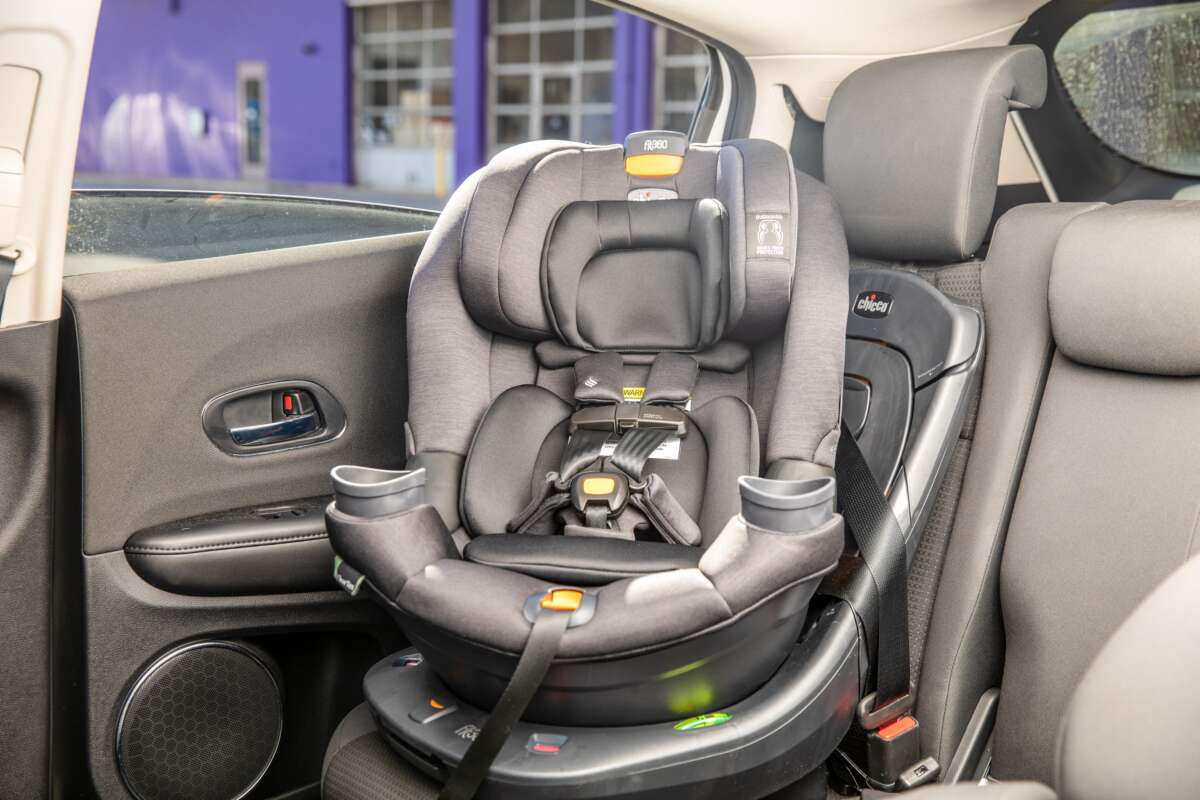
• The car seat fits your vehicle and can be installed tightly.
• The stroller has a secure harness, working brakes, and a stable frame.
• Both products include clear instructions and a reachable manufacturer support team.
In the United States, car seats must meet Federal Motor Vehicle Safety Standard 213. However, passing a standard does not mean every seat fits every car. Fit and correct use still matter.
The American Academy of Pediatrics recommends keeping infants in a rear-facing car seat until they reach the seat’s highest height or weight limit. That may mean keeping a child rear-facing beyond age two, depending on the seat and the child.

How to Choose a Car Seat
When considering how to choose stroller and carseat, choose the car seat first. A stroller is important, but a properly installed car seat is essential for every vehicle trip.
Pick the right car seat type
Most families choose one of these options:
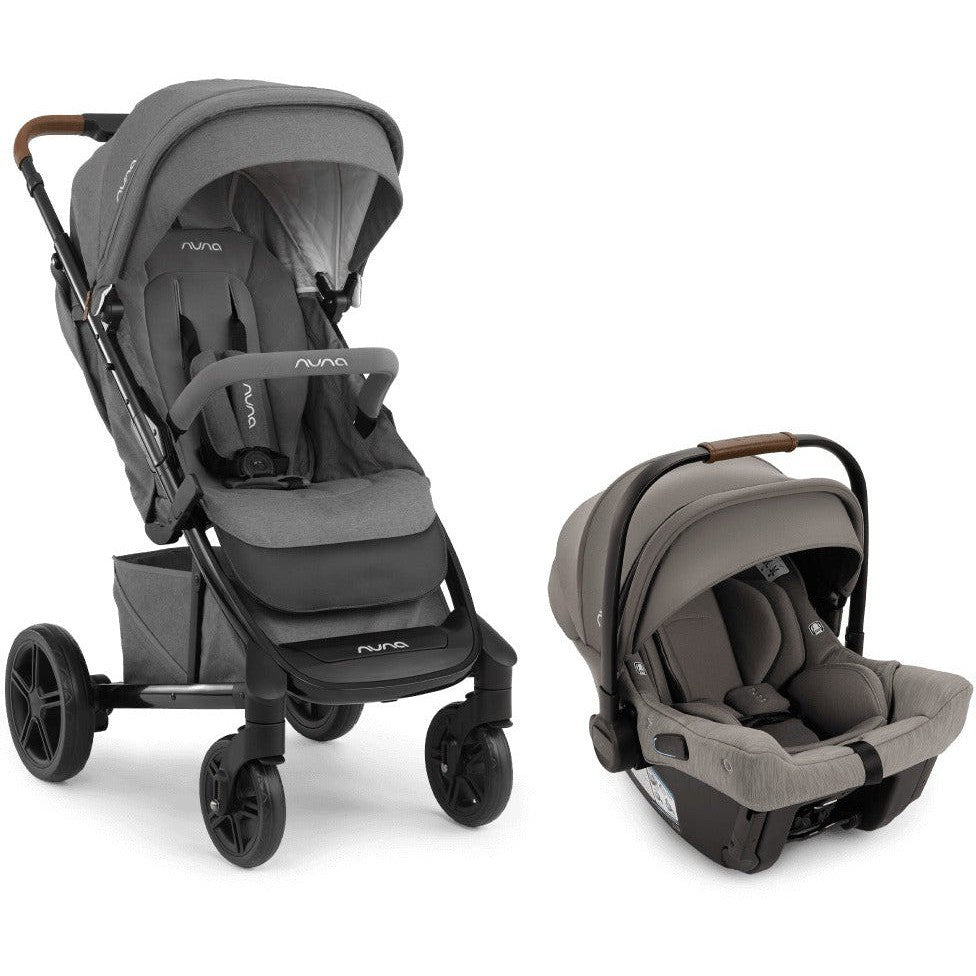
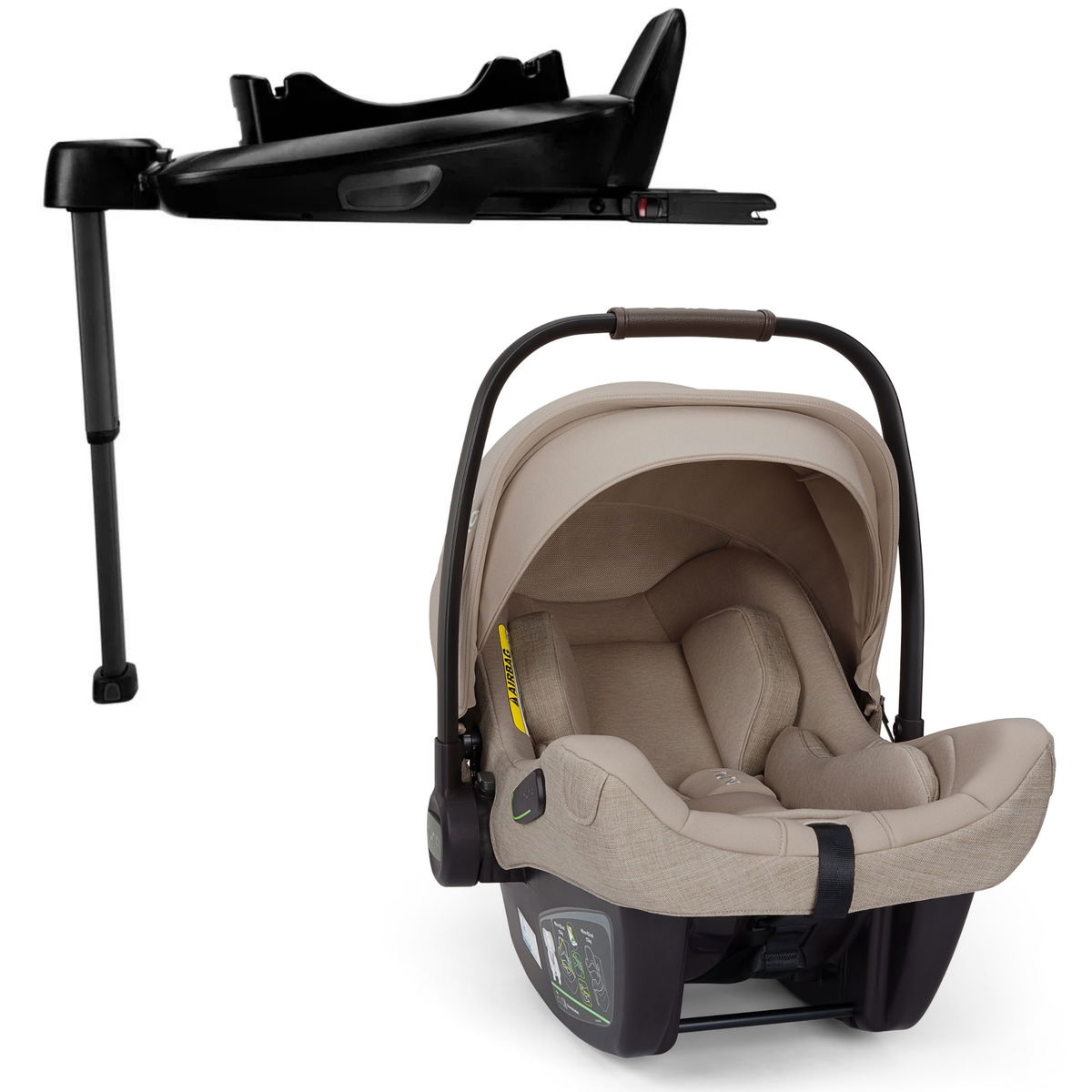
• Infant car seat: This rear-facing seat usually has a carry handle and a detachable base. It is convenient for newborns and young babies, but your child will likely outgrow it sooner.
• Convertible car seat: This seat starts rear-facing and later changes to forward-facing. It often lasts for several years and can offer better long-term value.
• All-in-one car seat: This model may work as a rear-facing seat, forward-facing seat, and booster. It can last a long time, but it may be large and heavy.
• Booster seat: This is for older children who have outgrown the forward-facing harness but are not yet large enough for the vehicle seat belt alone.
For most newborns, an infant seat or a convertible seat with a newborn insert can work. Always confirm that the insert is approved for use by that specific manufacturer. Never add an aftermarket cushion or head support unless the manufacturer permits it.
Check height and weight limits
Each car seat has minimum and maximum limits. These limits are not suggestions. They tell you when the seat no longer offers the intended fit.
A newborn must fit snugly in the harness. The harness should lie flat and pass at or below the shoulders when the seat faces the rear. The chest clip should sit at armpit level, not on the stomach or neck.
As your child grows, check the seat often. A child can outgrow a seat by height before reaching the listed weight limit. Read the manual for rules about head position, harness height, and rear-facing use.
Choose a seat that fits your vehicle
Vehicle fit is one of the most overlooked parts of how to choose stroller and carseat. A seat may fit well in one vehicle and poorly in another.
Measure the space before you buy. Pay special attention to:
• Front-to-back space, especially with a rear-facing seat
• Width between neighboring seats
• Lower anchors and their location
• Seat belt length
• The angle of the vehicle seat
• Access to the buckle and top tether
A rear-facing seat should not push the front passenger seat into an unsafe position. It also should not rest against the front seat unless the car seat and vehicle maker allow that setup.
If possible, try the car seat in your own vehicle before purchasing. Many stores and certified child passenger safety technicians can help with installation.
LATCH or seat belt?
LATCH stands for Lower Anchors and Tethers for Children. It can make installation easier, but it is not always the best choice for every seating position.
You may install many car seats with either the vehicle seat belt or LATCH. Use only one method unless both the car seat and vehicle manuals clearly allow both. Always use the top tether for a forward-facing seat when the vehicle provides one and the car seat allows it.
LATCH has weight limits. Once your child and seat reach the stated limit, you may need to switch to a seat belt installation. The exact rule depends on the car seat manual.
Check the harness fit
A good harness should feel snug, like a firm hug. You should not be able to pinch extra webbing at the shoulder.
Follow these steps:
-
Place your child’s back flat against the seat.
-
Put the harness straps over the shoulders.
-
Buckle the crotch buckle and chest clip.
-
Tighten the harness until you cannot pinch slack at the shoulder.
-
Place the chest clip at armpit level.
-
Remove thick coats before buckling.
A blanket may go over the harness after your child is buckled. Bulky clothing under the harness can create hidden space during a crash.
Avoid used seats with an unknown history
A secondhand car seat may save money, but it can also hide serious risks. Do not use one if you cannot confirm its age, crash history, recalls, and original parts.
Avoid a seat if:
• It has been in a moderate or severe crash.
• The expiration date is unknown or has passed.
• The label is missing.
• The harness or shell is damaged.
• Parts or instructions are missing.
• It has an open recall.
Car seats do not last forever. Plastic, foam, and harness parts can age, and manufacturers set expiration dates for safety and performance reasons.

How to Choose a Stroller
The stroller should match your real life. When learning how to choose stroller and carseat, think about where you walk, how you travel, and how much lifting you can manage.
Match the stroller to your lifestyle
A large stroller may feel smooth on sidewalks but become difficult in a small apartment or crowded store. A lightweight stroller may be easy to carry but less comfortable on rough paths.
Consider your usual setting:
• City sidewalks: Choose a compact stroller with strong wheels and a narrow frame.
• Suburban errands: Look for a roomy basket, cup holder, and easy folding system.
• Parks and uneven paths: Select larger wheels, good suspension, and a sturdy frame.
• Air travel: Consider a lightweight model that folds small, but check airline rules before flying.
• Small homes: Choose a stroller that stands upright when folded or fits in a closet.
• Jogging: Use only a true jogging stroller designed for running. Follow the age guidance and never run with a young infant unless the manufacturer approves it.
A stroller should make life simpler. If it is hard to fold at home, it will feel even harder in a parking lot with a tired baby.
Look for a secure seat
A stroller seat should support your child and keep the body in a safe position. A five-point harness is a strong choice for most babies and toddlers.
Check for:
• Shoulder straps that adjust as your child grows
• A waist belt and crotch strap
• A buckle that an older child cannot easily open
• A recline that suits your child’s age
• A footrest that supports the legs
• A canopy that offers shade without blocking airflow
Newborns usually need a fully flat or near-flat position unless the stroller maker approves the seat for newborn use. Many standard stroller seats are not safe for young babies who cannot sit up without support.
Never leave a baby unattended in a stroller. Also, do not use a stroller seat as a routine sleep space. If your baby falls asleep during a walk, move the baby to a firm, flat sleep surface when you reach your destination.
Check the frame and brakes
A stroller should stay stable when you place a bag in the basket or hang a light item from the handle. Do not hang heavy bags from the handle because this can make the stroller tip backward.
Test the stroller in the store:
-
Apply the brake.
-
Press down gently on the handle.
-
Check whether the rear wheels stay firmly in place.
-
Open and close the stroller several times.
-
Confirm that the frame locks fully.
-
Turn the front wheels and test the steering.
A stroller with a wide wheel base may offer more stability. A lighter frame may be easier to lift. The right choice depends on which feature you will use most.
Think about folding and storage
A one-hand fold sounds appealing, but it is not the only thing that matters. A stroller can fold quickly and still be too large for your trunk.
Measure your storage space before buying. Check the folded length, width, and height. If you drive a small car, place the folded stroller in the trunk or cargo area before you commit.
One practical lesson I often share with new parents is to practice the fold while holding a diaper bag. A stroller that works well with two free hands may feel very different when you are tired, rushed, or holding your baby.
How to Choose a Travel System
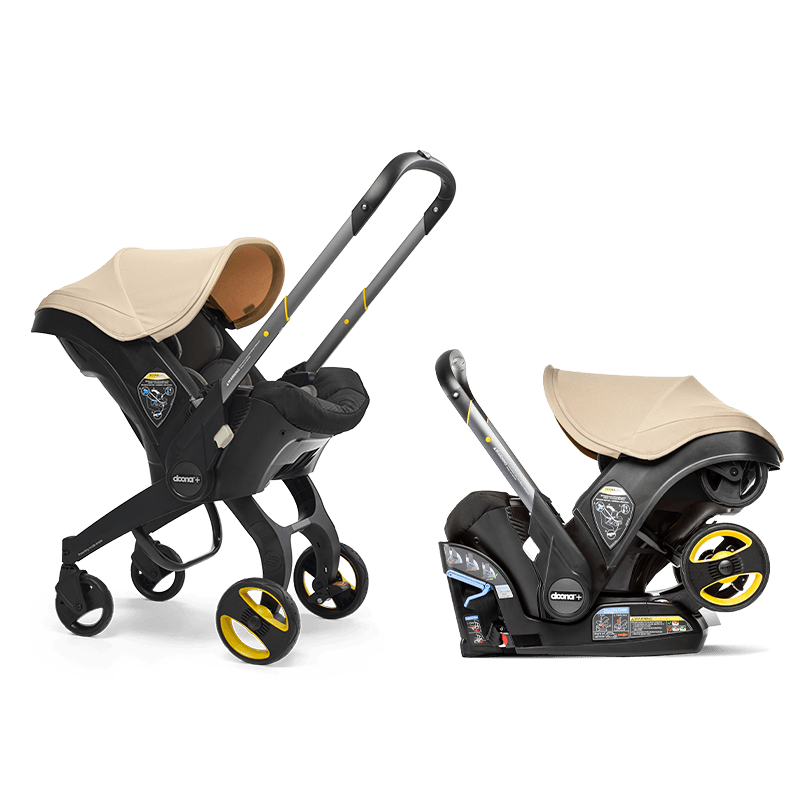
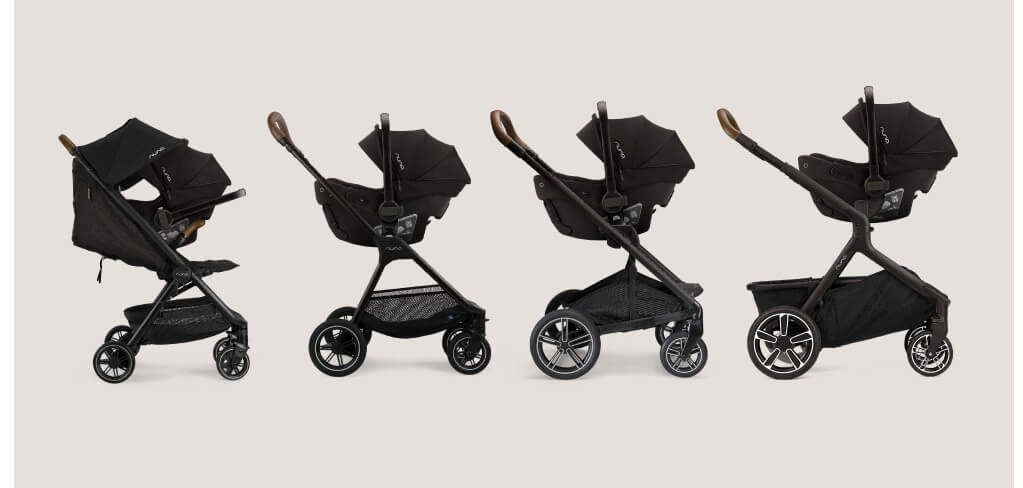
A travel system usually combines an infant car seat, a car seat base, and a stroller. It can be convenient because the infant car seat clicks into the stroller without waking a sleeping baby.
Still, a travel system is not automatically the best answer to how to choose stroller and carseat. Convenience should never replace correct fit or safe use.
Benefits of a travel system
A travel system can offer:
• Easy movement from the car to short errands
• One purchase for several related products
• A stroller frame designed to fit the infant seat
• A familiar connection system
• A lower starting cost than buying separate products
This setup can help during the early months. It is especially useful for families who make frequent short stops.
Limitations of a travel system
Travel systems can also have drawbacks:
• The stroller may be heavy.
• The infant seat may have a short usable period.
• The combined system may take up much trunk space.
• A stroller frame may be less useful after your child outgrows the infant seat.
• Matching parts may limit your future choices.
Never place an infant car seat on a stroller adapter unless the car seat and adapter are approved for use together. A loose or poorly supported connection can create a fall risk.
Also, remember that a car seat is made for travel, not long sleep. If your baby sleeps in the attached car seat after an errand, move the baby to a safe sleep surface as soon as practical.
How to Compare Stroller and Car Seat Features
A feature checklist can make how to choose stroller and carseat much less confusing. Start with features that affect safety and daily use. Treat extras as optional.
Features worth prioritizing
For a car seat, focus on:
• Correct rear-facing limits
• A snug harness
• Clear installation instructions
• Vehicle compatibility
• A visible expiration date
• Easy harness adjustment
• A top tether for forward-facing use
For a stroller, focus on:
• A five-point harness
• Reliable brakes
• A stable frame
• Suitable recline
• Good wheel quality
• A manageable folded size
• A useful storage basket
• A canopy with proper airflow
A seat with many cup holders and pockets may be pleasant, but those features do not protect your child in a crash. Put safety and fit at the top of your list.
Check product recalls
Before buying, search for recalls using the product model number and manufacture date. Register the car seat and stroller with the manufacturer so you can receive safety notices.
Recalls can involve harness buckles, folding frames, wheels, brakes, or other parts. A recall does not always mean the product is unsafe to use immediately, but you should follow the maker’s repair or replacement instructions.
Consider long-term value
The cheapest product is not always the best value. A convertible car seat may cost more at first but last longer than an infant-only seat. A stroller with replaceable wheels or a washable seat may also serve your family for more years.
Do not pay extra for features you will never use. A simple, well-fitted product is often better than a complex product that stays in the closet.
Common Mistakes to Avoid
Many problems come from rushed choices, not bad intentions. Parents are busy, and baby gear is full of confusing labels. A short safety check can prevent common errors.
Avoid these mistakes:
• Choosing a car seat only because it matches the stroller
• Buying a seat without testing it in your vehicle
• Turning a child forward-facing too soon
• Leaving a thick winter coat under the harness
• Using aftermarket inserts or toys
• Hanging heavy bags from the stroller handle
• Leaving a baby unattended in a stroller
• Using a car seat after a serious crash
• Ignoring the expiration date
• Assuming a stroller seat is safe for a newborn
• Installing the car seat without reading both manuals
One mistake I have seen often is treating installation as a one-time task. Families move the seat between cars, wash the cover, or adjust the harness, then forget to check the setup again. Recheck the fit after every major change.
A Simple Buying Process
If you still feel unsure about how to choose stroller and carseat, use this step-by-step process.
-
Write down your child’s age, height, and weight.
-
Decide whether you need an infant, convertible, all-in-one, or booster seat.
-
Measure your vehicle seating area and trunk.
-
List your daily stroller needs, such as stairs, public transit, walks, or travel.
-
Compare only products that meet your safety and size needs.
-
Test the car seat in your vehicle.
-
Practice installing the car seat with the manual nearby.
-
Test the stroller fold, brakes, harness, and storage basket.
-
Check recalls and expiration dates.
-
Register both products after purchase.
Bring your child with you if possible. Their body shape can affect harness fit, comfort, and recline. If buying online, choose a retailer with a clear return policy and inspect every part when the package arrives.
A certified child passenger safety technician can check your installation. A safety check is useful even if you believe you installed the seat correctly. Small details, such as belt routing or the angle of the base, can change the result.
Car Seat and Stroller Maintenance
Good maintenance helps your gear work as designed. Read the manuals before washing covers or removing harness parts. Some covers can go in a washing machine, while others require hand washing.
Use this simple care routine:
• Inspect the harness for fraying or damage.
• Check that buckles click and release properly.
• Test the stroller brakes before each long outing.
• Tighten loose screws only as the manual directs.
• Clean food and dirt from the folding joints.
• Keep the car seat free from unapproved padding and toys.
• Store products away from extreme heat and moisture.
• Recheck the expiration date as your child grows.
Never use harsh chemicals on a harness unless the manufacturer approves them. Strong cleaners can weaken webbing. Do not sew, cut, or alter a car seat.

Frequently Asked Questions About How to Choose Stroller and Carseat
Should I buy an infant car seat or a convertible car seat?
An infant car seat is convenient because it can attach to a compatible stroller and detach from its base. A convertible car seat usually lasts longer, but it stays in the vehicle and may be less convenient for carrying.
Can any car seat attach to any stroller?
No. Car seats and strollers need an approved connection system. Use only a direct manufacturer connection or an adapter listed as compatible by both product makers.
How do I know if a car seat fits my car?
Install the seat using the vehicle and car seat manuals, then check for a tight fit and the correct recline. If you can, have a certified child passenger safety technician inspect the installation.
When should a child face forward in a car seat?
Keep a child rear-facing until the child reaches the car seat’s highest rear-facing height or weight limit. This follows widely accepted pediatric safety guidance and may keep some children rear-facing beyond age two.
Is a stroller safe for a newborn?
Only if the stroller is approved for newborn use and provides the support and recline the baby needs. Many stroller seats are designed for babies who can sit upright, so check the manufacturer’s age and weight guidance.
Can my baby sleep in a stroller or car seat?
Strollers and car seats are not routine sleep spaces. Move a sleeping baby to a firm, flat, approved sleep surface as soon as you can.
Is a used car seat safe?
A used seat may be safe only when you know its full history, expiration date, recall status, and condition. Do not use one after a crash or when important information or parts are missing.
Conclusion
Knowing how to choose stroller and carseat starts with safety, fit, and your daily routine. Choose a car seat that fits your child and vehicle, keep your child rear-facing within the seat’s limits, and select a stroller with a secure harness, stable frame, strong brakes, and a size you can manage.
Take your time, read both manuals, test products in real conditions, and ask a certified technician to check your installation. Use these steps to compare your top choices, and share your questions or experience in the comments.