Most baby blankets measure 30 by 36 inches, but the best size depends on use, age, and safety.
Knowing how big a baby blanket should be helps you choose the right blanket for cuddling, stroller rides, nursing, or nursery décor. There is no single standard size, so this guide explains common baby blanket dimensions, how each size works, and which options are safest for your child.
Standard Baby Blanket Sizes
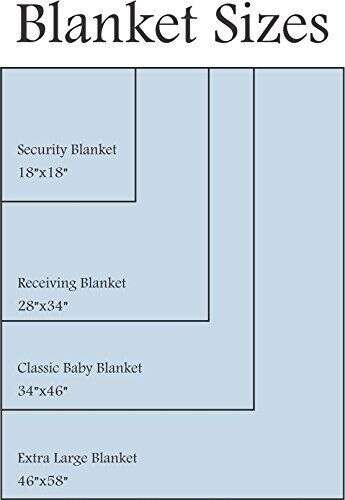
The average baby blanket is about 30 by 36 inches. This size is large enough for many daily uses but still small enough to carry in a diaper bag.
Still, how big is a baby blanket can vary by its purpose. A small receiving blanket is not the same size as a crib blanket or toddler blanket.
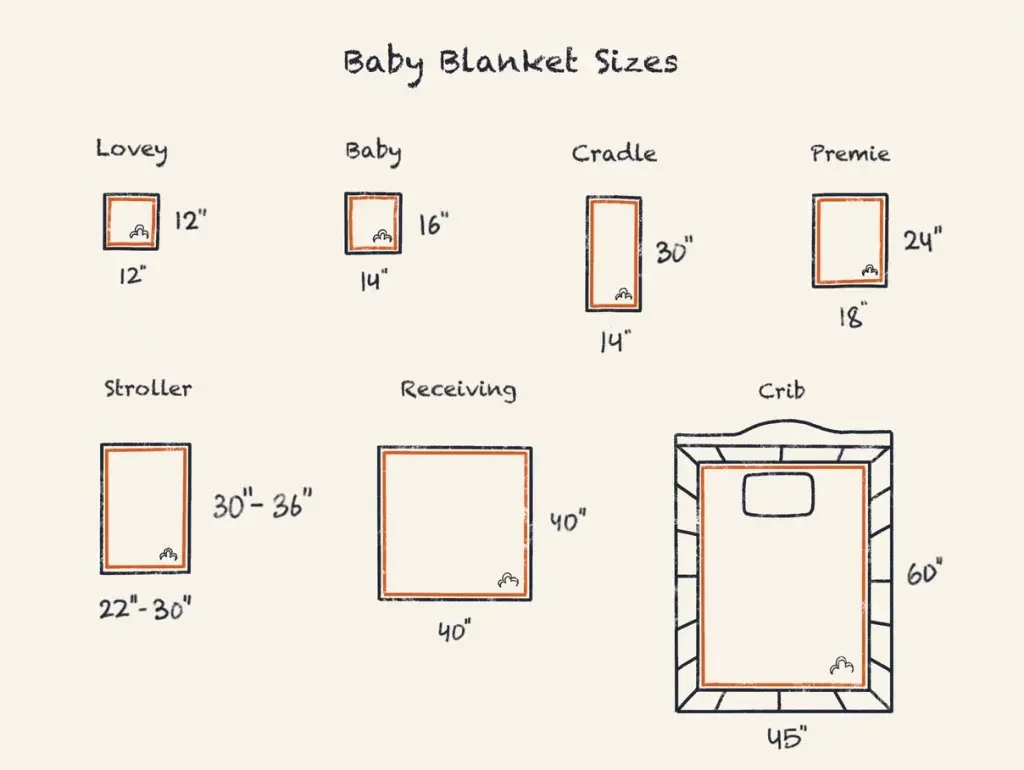
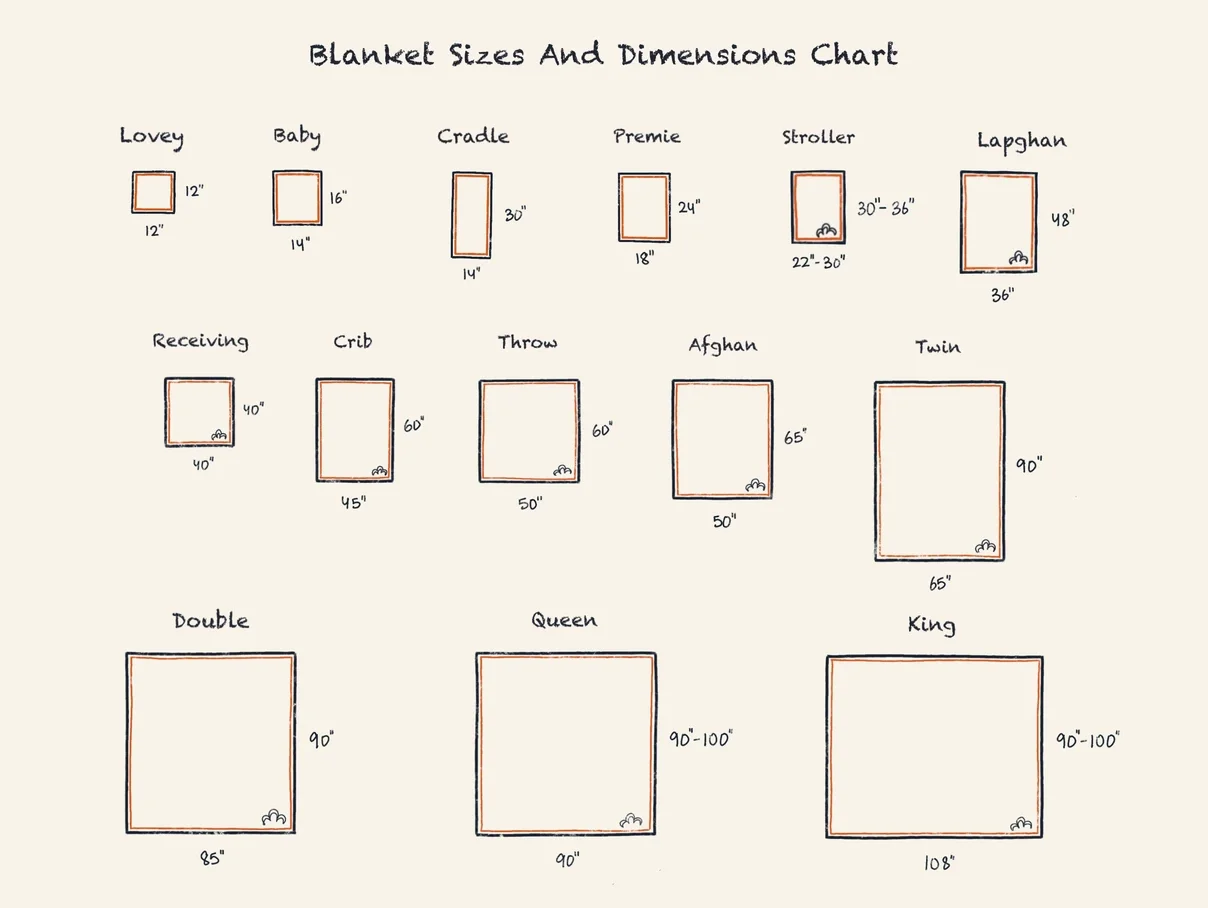
Here are the most common baby blanket sizes:
| Blanket type | Typical size in inches | Best use |
|---|---|---|
| Lovey or security blanket | 12 × 12 to 18 × 18 | Comfort and supervised cuddling |
| Small receiving blanket | 18 × 18 to 24 × 24 | Burping, light covering, and newborn care |
| Standard receiving blanket | 30 × 30 to 36 × 36 | Swaddling and everyday use |
| Stroller blanket | 30 × 36 to 30 × 40 | Strollers and car seats when used safely |
| Crib blanket | 40 × 60 | Toddler beds and supervised use |
| Toddler blanket | 42 × 52 to 45 × 60 | Toddler beds and nap time |
These measurements are guidelines, not strict rules. Fabric stretch, edging, washing, and shrinkage can change the final size.

How Big Is a Baby Blanket by Type?
The best way to answer how big is a baby blanket is to look at the blanket’s job. A blanket for swaddling needs different dimensions than one made for a toddler bed.
Receiving blankets
Receiving blankets are often square. Common sizes range from 30 by 30 inches to 36 by 36 inches.
A 36-inch square gives you more fabric to fold around a newborn. It works well for swaddling, burping, floor play, and quick cleanups.
Smaller 18-inch or 24-inch receiving blankets are useful for shoulder cloths and light coverage. They are easier to pack but may not provide enough fabric for a secure swaddle.
Swaddle blankets
Swaddle blankets are often larger than basic receiving blankets. Many measure between 40 by 40 inches and 48 by 48 inches.
The extra size helps you create a snug wrap around a newborn’s body. However, the blanket should never cover the baby’s face or restrict the hips and legs.
A square muslin blanket is popular because it is light, breathable, and easy to fold. A stretchy knit blanket may need less overall fabric because it wraps around the baby more easily.
Stroller blankets
A stroller blanket usually measures about 30 by 36 inches or 30 by 40 inches. This size covers a baby’s legs and torso without creating too much loose fabric.
A stroller blanket should stay clear of the wheels, straps, and baby’s face. Use the stroller’s harness as directed, and avoid placing a thick blanket behind the child because it can affect the harness fit.
Crib blankets
A crib blanket commonly measures around 40 by 60 inches. This size may look appropriate for a crib, but size alone does not make it safe for an infant.
The American Academy of Pediatrics advises keeping loose blankets, pillows, and soft items out of an infant’s sleep space. A crib blanket is generally better suited to a toddler bed or supervised nap after the child is developmentally ready.

Baby Blanket Sizes by Age
Age can help you choose a practical blanket size, but development matters just as much. A blanket that works for a newborn may be too small for a moving toddler.
Newborns
For newborn care, choose a 30 by 30 inch or 36 by 36 inch blanket. These sizes provide enough fabric for swaddling without creating a bulky bundle.
A smaller 18 by 18 inch blanket can work as a burp cloth or light lap cover. It is not usually large enough for full swaddling.
Babies from 3 to 6 months
At this stage, many babies still use receiving blankets during supervised time. A 30 by 36 inch blanket remains useful for stroller walks, tummy time, and floor play.
If you swaddle, follow safe swaddling guidance and stop once your baby shows signs of rolling. A wearable blanket is often safer for sleep than a loose blanket.
Babies from 6 to 12 months
Babies in this age range move more and may pull fabric toward their face. A blanket can be useful for play or outdoor activities, but it should not be loose in the sleep space.
A 30 by 36 inch blanket is often enough for a lap cover or stroller layer. Always supervise its use and watch for overheating.
Toddlers
Toddlers can use larger blankets, often measuring 40 by 60 inches or 42 by 52 inches. A blanket for a toddler bed should cover the child without trailing far onto the floor.
The right size also depends on the mattress. Measure the bed before buying, especially if you want the blanket to tuck beneath the mattress.
Choosing the Right Baby Blanket Size
When deciding how big is a baby blanket for your needs, consider where and how you will use it. The correct size should be useful, easy to wash, and safe for the child.
Think about these factors:
• Purpose: Choose a small blanket for burping, a square blanket for swaddling, or a larger blanket for toddler bedding.
• Baby’s age: Newborns need less fabric than toddlers, but newborn swaddling requires enough material to fold securely.
• Season: A light muslin blanket works well in warm weather. A fleece or cotton knit blanket may offer more warmth in cool weather.
• Fabric thickness: Thick blankets take up more space and may cause overheating. Thin, breathable fabrics are often more flexible.
• Portability: A 30 by 36 inch blanket fits well in most diaper bags. A 40 by 60 inch blanket needs more storage space.
• Washing: Babies create frequent laundry. Choose a blanket that can handle regular washing without losing its shape.
A common mistake is buying the biggest blanket available because it seems more useful. In practice, oversized blankets can drag on the ground, bunch in a stroller, or create loose fabric near a baby’s face.
Baby Blanket Safety and Sleep Guidelines
Blanket size is only one part of safe use. The most important question is where the blanket will be used.
For infants, safe sleep guidance recommends placing the baby on their back on a firm, flat sleep surface. The sleep area should have a fitted sheet and no loose blankets, pillows, bumper pads, or stuffed toys.
Use a properly sized wearable blanket or sleep sack if your baby needs an extra layer. It keeps the body warm without adding loose fabric around the face.
Follow these safety tips:
-
Keep loose blankets away from an infant’s sleep space.
-
Stop swaddling when the baby shows signs of rolling.
-
Never cover a stroller opening with a blanket because it can reduce airflow and increase heat.
-
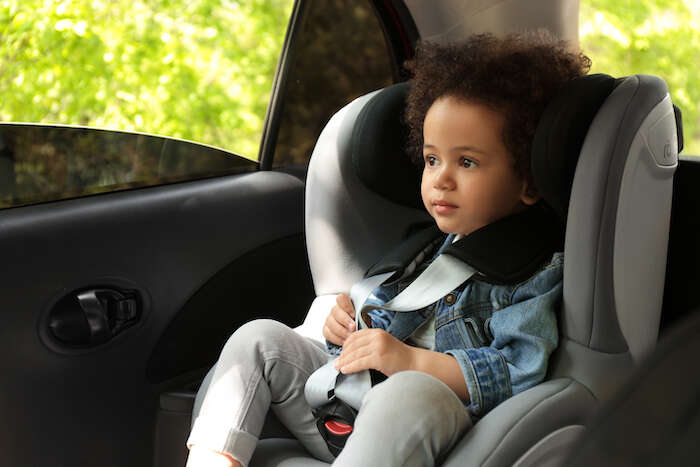
Keep blankets away from car seat straps and buckles.
-
Check your baby’s chest or neck for signs of overheating.
-
Use lightweight, breathable fabric for warm weather.
-
Keep the blanket below the baby’s shoulders during supervised use.
-
Remove blankets if the baby becomes sweaty, flushed, or unusually warm.
A useful rule is simple: blankets are for supervised comfort, not for creating a loose layer in an infant’s sleep area.

How to Measure a Baby Blanket
Measuring a baby blanket is easy, but measure after washing if the fabric may shrink. Cotton, wool, and some bamboo blends can change size after laundering.
Lay the blanket flat on a clean surface. Measure from one finished edge to the opposite finished edge, then repeat in the other direction.
For a handmade blanket, measure the main body rather than the fringe. Fringe can make the blanket appear longer but does not provide the same coverage.
If you are sewing or crocheting a blanket, add extra material for borders and shrinkage. For example, to make a finished 30 by 36 inch blanket, you may need to begin slightly larger depending on the yarn or fabric.
In hands-on blanket projects, one lesson comes up often: the final size matters more than the pattern label. A blanket called “baby size” may finish closer to 28 by 34 inches or 36 by 42 inches, so always check the actual measurements.

How Big Is a Baby Blanket for Crocheting?
A crochet baby blanket often measures between 30 by 36 inches and 36 by forty-eight inches. The pattern, yarn weight, stitch design, and border can change the finished dimensions.
For a simple beginner project, these sizes are practical:
• Small comfort blanket: 18 × 24 inches
• Standard baby blanket: 30 × 36 inches
• Larger baby blanket: 36 × 48 inches
• Toddler blanket: 40 × 60 inches
A dense stitch pattern can make a blanket warmer and heavier. An open stitch pattern creates more airflow but may have larger gaps.
Avoid loose loops, long fringe, buttons, beads, and other small decorations. These details can pose safety risks, especially when the blanket is used near a young child.
Always wash and dry a handmade blanket before measuring it for final use. This shows whether the yarn has stretched, tightened, or changed shape.

How Big Is a Baby Blanket for a Crib?
A crib blanket is often about 40 by 60 inches, but that does not mean it belongs in an infant’s crib. This size is usually more suitable for a toddler bed, floor play, or supervised reading.
For a crib mattress, do not try to tuck a loose blanket tightly around an infant as a substitute for safe sleep equipment. Babies can pull or kick blankets loose, allowing fabric to reach the face.
Once a child is old enough for a blanket, measure the mattress and choose a blanket that covers the child without excessive overhang. A 40 by 60 inch blanket may work well for many toddler beds, but the best fit depends on mattress size and the child’s movement.
Best Fabrics for Baby Blankets
The fabric affects comfort, warmth, breathability, and care. It also changes how large the blanket feels in use.
Cotton
Cotton is soft, washable, and widely available. Muslin cotton is light and breathable, while cotton flannel is warmer and more suited to cool weather.
Bamboo blends
Bamboo rayon blends feel smooth and light. They can be useful in warm climates, but care labels matter because some blends may shrink or lose shape.
Fleece
Fleece is warm and dries quickly. It may be too warm for hot weather, so use it carefully and monitor the child for overheating.
Wool
Wool provides strong insulation and can be useful in cold conditions. Some babies may find it scratchy, and it requires more careful washing.
Acrylic yarn
Acrylic is common in handmade blankets because it is affordable and easy to wash. Choose soft, baby-friendly yarn and avoid loose stitches or decorations.
No fabric is perfect for every family. The best option depends on temperature, washing needs, skin sensitivity, and how the blanket will be used.
Common Mistakes When Choosing a Baby Blanket
Many blanket problems come from choosing based only on appearance. A large, thick blanket may look cozy but be less useful in everyday care.
Avoid these common mistakes:
• Choosing a blanket too large for a stroller or diaper bag.
• Using a heavy blanket in warm weather.
• Buying a blanket with loose fringe or small attached parts.
• Ignoring shrinkage when purchasing cotton or handmade blankets.
• Placing a loose blanket in an infant’s crib.
• Covering a stroller with a blanket to block sunlight.
• Selecting a size without measuring the crib or toddler mattress.
• Forgetting that car seats require proper harness placement.
A practical approach is to buy one standard receiving blanket, one lightweight stroller blanket, and a wearable sleep option if needed. This small set often covers more situations than one oversized blanket.
Frequently Asked Questions About How Big Is a Baby Blanket
What is the most common baby blanket size?
The most common baby blanket size is about 30 by 36 inches. This size works well for receiving, supervised cuddling, stroller use, and light play.
Is a 30 by 40 inch blanket good for a baby?
Yes, a 30 by 40 inch blanket is a useful size for stroller rides, floor play, and supervised outdoor use. Keep it away from an infant’s face and do not use it as a loose crib blanket.
How big should a newborn swaddle blanket be?
A newborn swaddle blanket is often 36 by 36 inches or larger, with many square swaddles measuring 40 to 48 inches. The correct size depends on the fabric’s stretch and the baby’s body size.
Can a baby blanket be too big?
Yes, an oversized blanket can bunch, drag, or create loose fabric around a baby. Choose the smallest size that provides the coverage you need for supervised use.
What size blanket is best for a toddler bed?
A toddler blanket often measures around 40 by 60 inches or 42 by 52 inches. Measure the mattress first, since bed dimensions and desired overhang can vary.
Should a baby sleep with a blanket?
Infants should not sleep with loose blankets in the sleep space. A properly fitted wearable blanket or sleep sack is generally a safer option, while older children may use a loose blanket when developmentally ready.
Conclusion
The answer to how big is a baby blanket depends on its purpose. A 30 by 36 inch blanket is a versatile everyday choice, while swaddle blankets often measure 36 by 36 inches or more, stroller blankets are close to 30 by 40 inches, and toddler blankets may reach 40 by 60 inches.
Choose breathable fabric, check the finished measurements, and keep loose blankets out of an infant’s sleep space. With the right size and safe use, a baby blanket can become a useful part of daily care rather than just a nursery decoration. Measure your child’s bed or stroller today, choose the size that fits your routine, and share your favorite baby blanket style in the comments.