Introduction
To check a newborn’s breathing, look at the baby’s chest, listen for unusual sounds, and count breaths for a full 60 seconds while the baby is calm. Most newborns breathe about 30 to 60 times per minute, but their breathing may briefly speed up, slow down, or pause for a few seconds.
Call 911 in the United States if your newborn is not breathing normally, turns blue or gray, is hard to wake, has severe trouble breathing, or has a breathing pause that does not quickly resolve. Trust your instincts. A newborn who looks very ill needs urgent medical help.

What Normal Newborn Breathing Looks Like
Newborn breathing can seem uneven. A baby may take several quick breaths, slow down, and then breathe normally again. This pattern is often called periodic breathing.
Normal signs may include:
- Breathing that varies in speed for short periods
- Brief pauses of a few seconds
- Quiet breathing through the nose
- Small movements of the belly or chest
- Occasional sighs, sneezes, or short grunts after crying
- A pink or usual skin color
- A baby who wakes, feeds, and responds normally
Newborns often breathe through their noses. A stuffy nose can make breathing sound loud, even when the lungs are working well. Still, noisy breathing with chest pulling, color change, poor feeding, or unusual sleepiness needs medical advice.
A sleeping newborn may breathe differently from a crying newborn. Count breaths only after the baby has settled. Crying, feeding, movement, and a warm room can briefly raise the breathing rate.
What is not usually normal?
Contact your baby’s health care professional promptly if you notice:
- Breathing that stays faster than 60 breaths per minute when the baby is calm
- Repeated grunting with each breath
- Nostrils widening with each breath
- Skin pulling in between the ribs, under the ribs, or above the breastbone
- Frequent pauses or a changing breathing pattern
- Trouble feeding because the baby must stop often to breathe
- Less wet diapers, weak sucking, or unusual sleepiness
A single fast count after crying does not diagnose a problem. Recheck when the baby is calm, but do not delay urgent care if the baby looks distressed.

How to Check a Newborn’s Breathing
Use this simple check when your baby is calm or asleep. Wash your hands first, and place the baby on the back on a firm, flat sleep surface.
1. Look at the baby’s color
Check the face, lips, and chest in good light.
A pink or usual skin tone is generally reassuring. Hands and feet can look blue or cool in the first days of life, but the lips, tongue, and face should not be blue or gray.
Blue, gray, or very pale skin can signal a serious oxygen or circulation problem. If the color does not quickly return to normal or the baby has trouble breathing, call 911.
Do not rely on a phone camera, home oxygen monitor, or smart sock to decide whether your baby is safe. Look at the baby and respond to symptoms first.
2. Watch the chest or belly
Newborns often use the belly more than older children do when they breathe. Watch one spot on the chest or upper belly.
Look for:
- A gentle rise and fall
- Similar movement on both sides
- No deep pulling between the ribs
- No skin sucking in below the ribs
- No strong head bobbing with each breath
A newborn’s chest may move only a little. If you cannot see movement, place your hand gently on the baby’s chest or belly.
3. Listen for breathing sounds
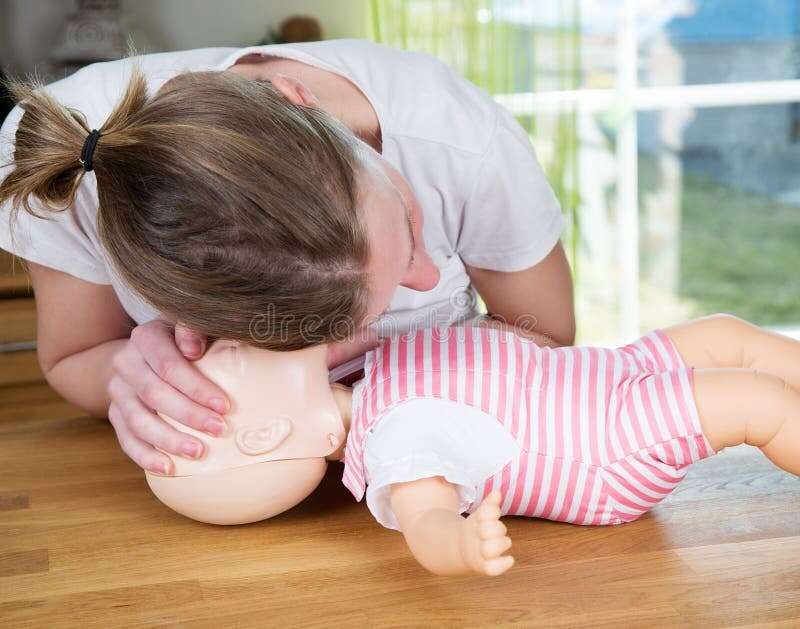
Put your ear near the baby’s nose and mouth without covering them.
Listen for quiet air movement. Concerning sounds include:
- Grunting: a short sound at the end of breathing out
- Wheezing: a high-pitched musical sound, often when breathing out
- Stridor: a harsh, high-pitched sound when breathing in
- Persistent rattling or choking sounds
- Repeated pauses followed by gasping
A little mucus can cause brief snorts or congestion. Do not put cotton swabs, fingers, or other objects inside the baby’s nose.
4. Feel for air movement
Place your cheek near the baby’s nose and mouth. Feel for air moving out. You can also place a clean hand near the nostrils.
Do not spend a long time trying to decide whether a baby is breathing. If the baby is unresponsive and you cannot see, hear, or feel normal breathing, call 911 and follow the dispatcher’s instructions.
5. Count breaths for one full minute
Count each complete rise of the chest or belly as one breath.
- Wait until the baby is calm or asleep.
- Start a timer for 60 seconds.
- Count every rise of the chest or belly.
- Record the number, along with whether the baby was asleep, awake, crying, or feeding.
- Repeat once if the result is high and the baby remains calm.
Do not count for 15 seconds and multiply by four if you can avoid it. Newborn breathing can change quickly, so a full minute gives a better picture.
Example
If you count 48 rises in 60 seconds while your calm baby sleeps, the breathing rate is 48 breaths per minute. If you count 72 breaths after crying, wait for the baby to settle and count again.
The number matters, but the whole picture matters more. A normal rate does not rule out danger if the baby is blue, limp, struggling, or difficult to wake.
When Newborn Breathing Is an Emergency
Call 911 now if your newborn:
- Is not breathing normally
- Is unresponsive or cannot be woken
- Has blue or gray lips, tongue, face, or chest
- Is gasping or making only occasional breaths
- Has severe chest retractions
- Has repeated pauses with color change
- Has a breathing problem and becomes limp
- Chokes and does not recover quickly
Place the phone on speaker if possible. Follow the 911 dispatcher’s instructions. If your newborn is unresponsive and not breathing normally, the dispatcher may guide you through infant CPR.
If the baby is breathing but has mild symptoms, call the baby’s pediatrician or an urgent medical service for advice. A newborn can worsen quickly, so do not wait for a routine appointment when breathing is changing.
What to do while waiting for help
- Place the baby on a firm, flat surface.
- Keep the baby warm, but do not overheat or tightly bundle them.
- Remove visible mucus from the mouth only if it is easy to see.
- Do not shake the baby.
- Do not give water, medicine, or food to a baby who is struggling to breathe.
- Do not drive yourself if the baby is severely distressed; emergency medical services can begin care on the way.
If the baby is choking but still coughing or crying, let the baby try to clear the blockage. If the baby cannot breathe, cry, or cough effectively, call 911 and follow emergency choking instructions.

How Breathing Problems Can Affect Feeding and Sleep
A newborn who is working hard to breathe may not feed well. The baby may start sucking, stop often, sweat, cough, breathe quickly, or fall asleep before taking enough milk.
Call the pediatrician promptly if your baby:
- Cannot finish usual feeds
- Has fewer wet diapers than expected
- Repeatedly coughs or chokes during feeds
- Breathes fast during most of a feed
- Is much harder to wake than usual
- Has a weak suck
- Has a new change in breathing after leaving the hospital
Do not force a feed when a baby is struggling to breathe. Breathing comes first. Seek medical advice.
A newborn should sleep on the back, alone, on a firm, flat surface without pillows, blankets, bumpers, or positioners. Safe sleep reduces the risk of sleep-related infant death, but it does not replace checking a baby who appears ill.

Common Mistakes When Checking Newborn Breathing
Counting while the baby cries
Crying raises the breathing rate. Wait until the baby is calm if the baby has no emergency signs.
Counting for too short a time
A 15-second count can miss normal pauses or brief bursts of fast breathing. Count for a full minute.
Focusing only on the number
A rate of 55 may be less concerning than a rate of 40 with blue lips, grunting, or deep chest pulling. Always check color, effort, alertness, and feeding.
Treating a home monitor as a diagnosis
Consumer monitors can give false alarms or miss problems. They do not replace direct observation or medical care. If your baby looks unwell, act on the symptoms.
Assuming every pause is harmless
Short pauses can occur in normal newborn breathing. A long pause, gasping, color change, limpness, or repeated pauses requires urgent help.
Using steam or strong suction without advice
Steam, essential oils, and forceful suction can harm a newborn. Ask the baby’s health care professional how to manage congestion. Never place objects into the baby’s nose or mouth.

A Simple Newborn Breathing Check
Use this quick sequence:
| Check | Reassuring finding | Warning sign |
|---|---|---|
| Color | Usual pink or normal skin tone | Blue, gray, or very pale lips, tongue, or face |
| Chest or belly | Gentle rise and fall | Deep pulling, head bobbing, or uneven movement |
| Sounds | Quiet air movement | Grunting, stridor, wheezing, or gasping |
| Rate | Often about 30–60 breaths per minute when calm | Persistent rate above 60 when calm |
| Response | Wakes and responds normally | Limp, hard to wake, or unresponsive |
| Feeding | Sucks and pauses normally | Cannot feed because of breathing trouble |
This table is a screening aid, not a diagnosis. Premature babies, babies with heart or lung conditions, and babies recently discharged from intensive care may have different instructions. Follow the plan given by their medical team.

When to Call the Pediatrician
Call your baby’s pediatrician the same day if breathing is repeatedly fast, noisy, or effortful, even if the baby’s color looks normal.
Also call if the breathing change comes with:
- Fever or low temperature
- Poor feeding
- Vomiting
- Cough
- Fewer wet diapers
- Unusual sleepiness
- A new rash or change in behavior
For babies younger than 3 months, a temperature of 100.4°F (38°C) or higher needs prompt medical evaluation. Use the temperature method recommended by your pediatrician. Do not give fever medicine unless a health care professional tells you to do so.
If you are unsure whether a symptom is serious, call the pediatrician, your local nurse advice line, or 911 for an emergency. In the United States, Poison Control is available at 1-800-222-1222 if a breathing problem may involve a swallowed or inhaled substance.

Frequently Asked Questions
How often should I check my newborn’s breathing?
You do not need to count your baby’s breathing on a fixed schedule if the baby is well. Watch during normal care, feeding, and sleep. Check more closely when the baby seems ill, has a new symptom, or your pediatrician has asked you to monitor breathing.
Is it normal for a newborn to breathe fast while sleeping?
Breathing may briefly speed up during sleep. It should settle. If it stays above 60 breaths per minute when the baby is calm, or if you see grunting, chest pulling, blue color, or poor feeding, contact a health care professional promptly.
How long can a newborn pause breathing?
Brief pauses of a few seconds can occur with periodic breathing. A pause lasting about 20 seconds, or a shorter pause with blue color, limpness, or a change in heart rate, is not something to watch at home. Call 911 if the baby is not breathing normally or does not quickly recover.
Should I use a pulse oximeter or breathing monitor at home?
Most healthy newborns do not need a home monitor. These devices can alarm when there is no emergency and may fail to detect a serious problem. Use one only if your baby’s medical team recommends it and explains how to respond.
Can a stuffy nose make a newborn sound like they are struggling to breathe?
Yes. Newborns have small nasal passages, so mucus can sound loud. However, congestion should not cause blue color, deep chest pulling, repeated grunting, poor feeding, or severe breathing trouble. Those signs need medical care.

Key Takeaways
- Check a calm newborn by looking at color, watching the chest or belly, listening, and counting breaths for a full minute.
- A calm newborn often breathes about 30 to 60 times per minute.
- Short changes in breathing can be normal, but persistent fast breathing or breathing effort is not.
- Blue or gray color, gasping, severe chest pulling, limpness, or unresponsiveness is an emergency.
- Call 911 in the United States for severe breathing problems. Do not rely on a home monitor to make the decision.
Conclusion
The safest way to check newborn breathing is to assess the whole baby, not just the breath count. Look for normal color, gentle chest movement, quiet breathing, normal alertness, and the ability to feed.
If your newborn looks blue, limp, unresponsive, or is struggling to breathe, call 911 immediately. If the signs are less severe but new or persistent, contact the baby’s pediatrician promptly.