
Introduction
Babies often grunt in their sleep because their breathing, digestion, and sleep cycles are still developing. Most sleep grunts are harmless, especially when your baby has normal skin color, feeds well, and breathes easily between sounds.
Newborns also spend much of their sleep in active sleep, a light sleep stage. During this stage, they may grunt, squeak, sigh, stretch, snort, or move their arms and legs. These sounds can seem alarming, but they do not always mean your baby is in pain or having trouble breathing.
The key is to look at your baby, not just listen to the noise. Grunting with every breath, chest pulling in, blue or gray skin, poor feeding, or unusual sleepiness needs prompt medical care.
Why do babies grunt while sleeping?
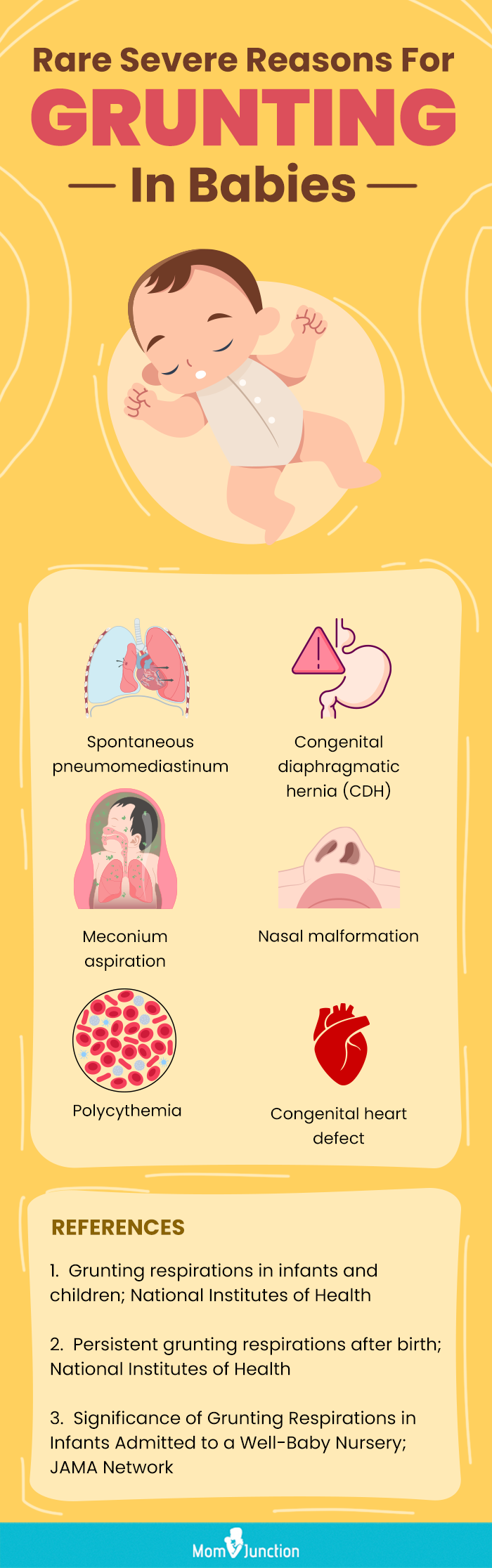
Babies grunt in their sleep for several common reasons:


- Their airways are small and can sound noisy.
- They move between light and deep sleep.
- They strain while passing gas or stool.
- They have mild nasal stuffiness.
- They briefly change their breathing pattern.
- They may react to hunger, discomfort, or a wet diaper.
A young baby’s body is still learning how to control breathing and digestion. Think of it as a small system that is still being tuned. Sounds that would seem unusual in an adult can be normal in a newborn.
Active sleep causes many baby noises
Newborns do not sleep quietly for long periods. During active sleep, babies may:
- Grunt
- Whimper
- Smile
- Frown
- Suck
- Stretch
- Jerk their arms or legs
- Breathe faster, then slower
Active sleep is similar to rapid eye movement, or REM, sleep in older children and adults. Babies may make short sounds without fully waking.
If your baby remains pink, relaxed, and comfortable, the noise is often normal. You usually do not need to wake your baby for every grunt.
Small noses can make breathing sound loud
Babies mainly breathe through their noses. Their nasal passages are narrow, so a small amount of mucus can create snorts, whistles, or grunts.
Dry air, mild congestion, or normal mucus may make these sounds louder at night. A baby may sound congested even when there is no serious illness.
Do not use cotton swabs deep inside the nose. If congestion affects feeding or sleep, ask your child’s clinician about safe saline drops and gentle suction.
Digestion can lead to grunting
A baby may grunt when gas moves through the intestines or when the baby tries to pass stool. Newborns are still learning how to tighten the belly muscles while relaxing the pelvic floor.
This can cause straining, red facial skin, and grunting. If the stool is soft, this pattern may be a normal developmental issue called infant dyschezia. It often improves as the baby’s muscles become more coordinated.


Constipation is different. Hard, dry stools, blood from a tear, a swollen belly, or repeated painful stooling should be discussed with a pediatric clinician.
Reflux may add noise
Some babies spit up or have mild reflux after feeds. They may gulp, cough, hiccup, or grunt. Mild spit-up is common when a baby is otherwise comfortable and growing well.
However, reflux does not explain every sleep sound. Do not place a baby on an incline or use sleep positioners to treat reflux. The American Academy of Pediatrics recommends placing babies on their backs on a firm, flat, non-inclined sleep surface.

Is grunting in sleep normal for a newborn?
Grunting can be normal when it is brief, occasional, and not linked to breathing trouble. A healthy baby may grunt during movement, gas, a bowel movement, or a shift between sleep stages.
Use this quick comparison:
| What you notice | More likely normal | Needs medical attention |
|---|---|---|
| Sound | Occasional grunt or squeak | Grunt with nearly every breath |
| Skin color | Pink or usual color | Blue, gray, pale, or dusky |
| Breathing | Easy breathing between sounds | Ribs or neck pull in with each breath |
| Feeding | Feeds normally | Tires, chokes, sweats, or cannot feed |
| Behavior | Wakes and responds normally | Very hard to wake or unusually limp |
| Nose | Mild stuffiness | Congestion that blocks feeds |
| Sleep | Settles after a short sound | Repeated pauses with color change |
A sound by itself does not tell you how serious the problem is. The pattern matters. Watch your baby’s breathing effort, color, feeding, and alertness.
Normal newborn breathing can be uneven
Newborn breathing may speed up and slow down. Some babies take a few quick breaths, then pause briefly before starting again. This is often called periodic breathing.
Short pauses can occur in healthy newborns, but a long pause, color change, limpness, or a baby who does not quickly resume normal breathing is not something to watch at home.
If you are unsure whether a pause is normal, record a short video and contact your baby’s health care professional. Do not delay urgent care to make a recording.
When is baby grunting a sign of breathing trouble?
Grunting can be a sign of breathing distress when it happens with each breath. In this situation, the sound may be the baby’s way of trying to keep the small air sacs in the lungs open.
Seek urgent medical help if your baby has any of these signs:
- Grunting with every breath
- Breathing that looks hard or strained
- Skin pulling in between or under the ribs
- Nostrils widening with each breath
- A soft spot that looks deeply sunken with other illness signs
- Blue or gray lips, tongue, or face
- Long breathing pauses
- A weak cry
- Trouble feeding because of breathlessness
- Extreme sleepiness, limpness, or poor response
Call 911 in the United States if your baby is blue or gray, is struggling to breathe, is unresponsive, or has stopped breathing.
For a baby younger than 3 months, a rectal temperature of 100.4°F (38°C) or higher requires immediate medical advice. Ask the clinician how to measure temperature safely. Do not give fever medicine to a young baby unless a health professional tells you to do so.
A baby with breathing trouble may not always look dramatic at first. If your concern is strong, contact the pediatric office, an urgent care service, or emergency care based on the severity of the signs.

How to tell whether the grunting is from sleep, gas, or illness
The timing and the baby’s overall condition can offer useful clues.


Grunting mainly during sleep
This is more likely to be sleep-related when your baby:
- Has normal color
- Breathes comfortably
- Feeds as usual
- Gains weight as expected
- Settles without help
- Stops grunting after waking or changing position naturally
Avoid repeatedly waking a comfortable baby to check every sound. Instead, watch quietly for a moment and look at the chest, face, and skin color.
Grunting during bowel movements
This may be related to digestion when your baby:
- Grunts and turns red briefly
- Draws up the legs
- Passes gas or stool
- Has soft stools
- Returns to normal afterward
Do not give water, juice, laxatives, or herbal products to a young baby unless the baby’s clinician recommends them. Do not use rectal stimulation as a routine fix.
Grunting with illness
Illness becomes more likely when grunting occurs with:
- Fever
- Cough
- A runny nose
- Poor feeding
- Fewer wet diapers
- Vomiting
- Persistent crying
- Fast or difficult breathing
- A change in alertness
Newborns can become sick quickly. When several symptoms occur together, call the child’s health care professional promptly.
What should parents do when a baby grunts in sleep?
Start with observation, then check for safe and simple causes. Do not change the sleep setup in a way that could increase risk.
Watch the chest.
Look for smooth movement. Check whether the ribs pull inward or the nostrils flare.Check skin color.
Pink or the baby’s normal color is reassuring. Blue, gray, or very pale skin is an emergency.Listen to the pattern.
Occasional sounds during sleep are less concerning than grunting with every breath.Check feeding and diapers.
Poor feeding or fewer wet diapers can signal illness or dehydration.Look for nasal blockage.
If mucus affects feeding, ask a clinician about saline and gentle suction.Keep sleep safe.
Place your baby on the back for every sleep. Use a firm, flat crib, bassinet, or play yard with a fitted sheet. Keep pillows, blankets, bumpers, stuffed toys, and sleep positioners out of the sleep space.Contact the pediatric clinician if you remain worried.
A short video can help the clinician understand the sound, but urgent symptoms need urgent care first.
Do not place a baby face down to make grunting stop. Do not elevate the mattress. These steps can create unsafe sleep conditions and may not solve the cause.

Does grunting mean a baby is in pain?
Not always. Grunting can happen without pain during active sleep, gas, or normal bowel movements.
Pain is more likely when grunting comes with persistent crying, a tense or swollen belly, repeated vomiting, refusal to feed, fever, or a baby who cannot be comforted. A baby may also pull up the legs or become unusually rigid.
Trust a clear change from your baby’s normal behavior. Parents often notice subtle changes before they can name the cause. Call the pediatric office if the change lasts, worsens, or affects feeding and sleep.


Never shake a baby or try to force gas out. Hold the baby calmly, check basic needs, and seek medical advice when the pattern is new or concerning.
Common mistakes to avoid
Mistake 1: Focusing only on the sound
A grunt can be harmless or serious. The sound must be judged with breathing effort, color, feeding, and behavior.
Mistake 2: Using unsafe sleep products
Wedges, positioners, inclined sleepers, and padded surfaces can raise the risk of suffocation. AAP safe-sleep guidance supports a firm, flat, separate sleep surface.
Mistake 3: Treating every grunt as constipation
Many babies strain with soft stools because coordination is still developing. Do not start constipation treatments without medical guidance.
Mistake 4: Waiting through clear breathing distress
Grunting with every breath, retractions, color change, or poor feeding should not be managed with home remedies. Seek urgent help.
Mistake 5: Taking a temperature incorrectly
For very young infants, temperature method matters. Ask a health professional which method to use and what the result means for your baby.

Key takeaways
- Babies often grunt in sleep because of active sleep, small airways, gas, or developing digestion.
- Occasional grunts are usually less concerning when breathing and feeding are normal.
- Grunting with every breath can signal breathing distress.
- Blue or gray skin, chest retractions, long pauses, poor feeding, or extreme sleepiness need urgent care.
- Keep your baby on the back on a firm, flat, clear sleep surface.
- For a baby under 3 months, a rectal temperature of 100.4°F or higher needs immediate medical advice.
FAQs
Do babies grunt more at night?
They may seem to grunt more at night because newborns spend a large share of sleep in active sleep. A quiet room also makes small sounds easier to notice. If breathing remains easy and your baby acts well when awake, nighttime grunting is often normal.
Should I pick up my baby when they grunt?
Not every time. Pause and observe first. If your baby is breathing comfortably, has normal color, and remains asleep, you can usually let the baby settle. Pick up the baby if they wake, seem distressed, need a feed, or show signs of illness.
Can gas cause a baby to grunt all night?
Gas can cause short periods of grunting and squirming. It should not cause ongoing breathing difficulty. If your baby grunts continuously, has a swollen belly, vomits repeatedly, refuses feeds, or seems unwell, contact a clinician.
Is grunting related to sleep apnea?
A grunt alone does not diagnose sleep apnea. Sleep apnea involves repeated pauses or reduced breathing and may include color changes, gasping, or poor response. If you see breathing pauses or your baby turns blue or gray, call 911.
Should I record my baby’s grunting?
A short video may help a pediatric clinician assess a sound that is hard to describe. Record only when it is safe to do so. Do not delay emergency care while trying to film the episode.
When to call your baby’s doctor
Call your baby’s pediatric clinician if the grunting is new, persistent, getting worse, or linked with feeding problems, fever, vomiting, fewer wet diapers, cough, congestion, or unusual behavior.
Call 911 for blue or gray skin, severe breathing effort, unresponsiveness, or stopped breathing. When in doubt, it is safer to seek medical advice than to assume a new breathing sound is harmless.


Conclusion
Most babies grunt in their sleep because newborn sleep and body systems are still maturing. Occasional grunts, squeaks, and brief strains are common.
The safest approach is simple: watch the breathing, check the color, notice feeding and alertness, and keep sleep conditions safe. If the grunting happens with every breath or your baby looks unwell, seek urgent medical care.
